

Following the fire on Khuong Ha Street, questions remain unanswered regarding why the illegally constructed mini-apartment building went unpunished, and whether the fire originated from an electrical outlet or an electric vehicle.
The fire at the mini-apartment building at 37 Alley 29/70, Khuong Ha Street, Khuong Dinh Ward, Thanh Xuan District, Hanoi, resulted in 56 deaths and 37 injuries, making it the deadliest fire in the past 21 years. Authorities are still sealing off the scene and investigating the cause of the fire. Many questions remain regarding the fire and the nature of mini-apartment buildings.
Why are these illegally constructed mini-apartment buildings not being penalized?
Eight years ago, Mr. Nghiem Quang Minh (residing in Cau Giay District, Hanoi) was granted a permit by Thanh Xuan District to build a 6-story detached house with a ground floor area of 167 m2, a density of 70%, and a total building height of 20.2 m at 37 Alley 29/70, Khuong Ha Street. However, he transformed the low-rise residential building into a 10-story mini-apartment building with a construction area of 230 m2, each floor divided into 5 apartments for sale. Currently, this building houses 45 households with 150 residents.
Given its scale as a multi-story building combining residential and commercial use, after an inspection on September 14th, leaders of the Ministry of Construction pointed out numerous violations regarding fire safety, such as: lack of a second escape staircase, the existing staircase being open and therefore easily contaminated with smoke, and no access road for fire trucks. Hanoi police determined that the building that caught fire showed serious violations of construction regulations (illegally building 4 floors, occupying almost the entire plot of land) and fire safety regulations.
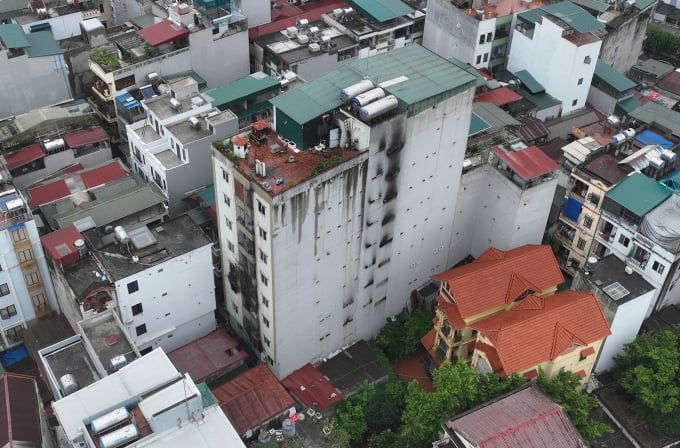
The mini-apartment building that caught fire was significantly taller than the surrounding houses and was located in an alley only 3 meters wide. Photo: Giang Huy
In fact, right from its opening, this apartment building faced numerous complaints from neighbors and was fined twice by Thanh Xuan District, according to Mr. Le Ba Mao, 75 years old, former neighborhood group leader and head of the security committee in Khuong Dinh ward. However, why this illegally constructed building, located just over 2 km from the Thanh Xuan District People's Committee, has not been dealt with remains unanswered.
On the evening of September 15th, two days after the fire, Hanoi Party Secretary Dinh Tien Dung directed investigative agencies to examine the construction permit process and conduct inspections of three Party organizations in Thanh Xuan district (the District Party Committee Standing Committee, the Thanh Xuan District Police Party Committee, and the Khuong Dinh Ward Party Committee for the 2015-2020 and 2020-2025 terms) to clarify the responsibilities of individuals involved in the building fire.
Where did the fire start?
According to Mr. Ngo Pho Dien, a security guard at the mini-apartment building, at 11 PM on September 12th, while on duty, he discovered an electrical outlet on the first floor was on fire. The fire was small, so he grabbed a fire extinguisher and sprayed it. "But the more I sprayed, the bigger the fire got, so I quickly shouted to alert the residents," he recounted.
Some residents near the scene claimed that the fire originated from an electric scooter exploding on the first floor of the mini-apartment building. This information caused panic among electric scooter users and many housing management companies. Many mini-apartment buildings, landlords, and even commercial apartment buildings have implemented regulations prohibiting charging electric scooters in basements or parking areas, and have even terminated rental agreements if tenants use electric scooters.
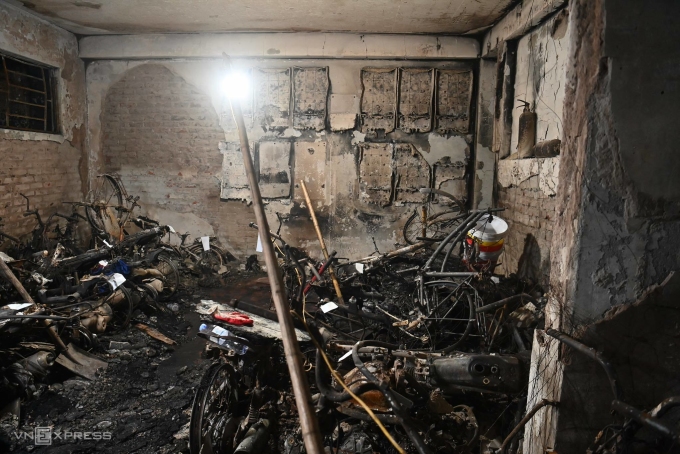
The corner where the electricity meters of several households were mounted was burned to ashes. Photo: Giang Huy
According to fire safety experts, electric vehicles may not be the source of the fire, but they can exacerbate it. This is because the lithium-ion batteries in electric vehicles burn very quickly, generate a lot of heat, and require significant effort and time to extinguish because the batteries can reignite.
The Ministry of Public Security and the Hanoi Police have directed relevant forces to focus on and urgently investigate the cause of the fire and determine the exact source of the ignition.
Why is the death toll being released so late?
The fire broke out at 11 PM on September 12th and was extinguished around 1 AM on September 13th. Rescue efforts and the search for bodies concluded at 7 AM on September 13th. The injured were taken to hospitals such as Bach Mai, Dong Da, Ha Dong, Hanoi Medical University, and the Post Office Hospital. The bodies of the victims were taken to the morgue at Military Hospital 103.
Upon hearing news of the fire, relatives of the victims from many provinces and cities flocked to the scene of the fire, the police station, the Khương Đình ward office, hospitals, and funeral homes to search for their loved ones. "We've been to nearly a dozen hospitals but haven't found our granddaughter yet," said the grandfather of a victim living on the third floor of the mini-apartment building.
At over 8:00 AM on September 13th, the People's Committee of Thanh Xuan District reported that 70 people had been rescued, 54 had been taken to the hospital, including some who died. Authorities assessed the fire as particularly serious, but did not yet announce the number of fatalities. It wasn't until 7:00 PM, 12 hours after the last body was recovered from the scene, that Hanoi announced 56 deaths and 37 injuries.

A victim of the fire is being treated at Bach Mai Hospital. Photo : Le Nga
Immediately after the fire, government and National Assembly leaders visited the scene and hospitals to inquire about the victims, direct efforts to mitigate the consequences, and conduct a comprehensive fire safety inspection of densely populated residential buildings prone to fires. Hanoi also issued policies to support the victims who died or were injured, waiving hospital fees and providing financial assistance for school supplies to affected students.
However, to date, the city has yet to hold a press conference to provide information about the fire, nor to explain why the illegally constructed apartment building has not been dealt with, why there has been a delay in announcing the number of casualties, and a host of other questions.
Why are there no fire safety regulations or standards for mini-apartment buildings?
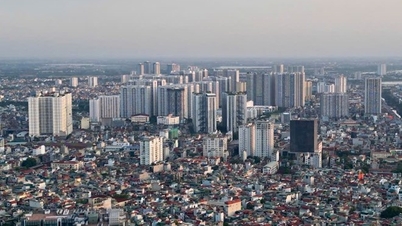
Multi-story, multi-apartment detached houses (also known as mini-apartments) are becoming increasingly popular in large cities; Hanoi alone has approximately 2,000, while Ho Chi Minh City has 42,200 such rental properties. However, there are currently no specific regulations regarding fire safety standards for this type of building.
According to Mr. Vu Ngoc Anh, Director of the Department of Science, Technology and Environment, Ministry of Construction, "mini-apartments" are currently not included in legal regulations, are not recognized, and construction projects under this name are not assessed.
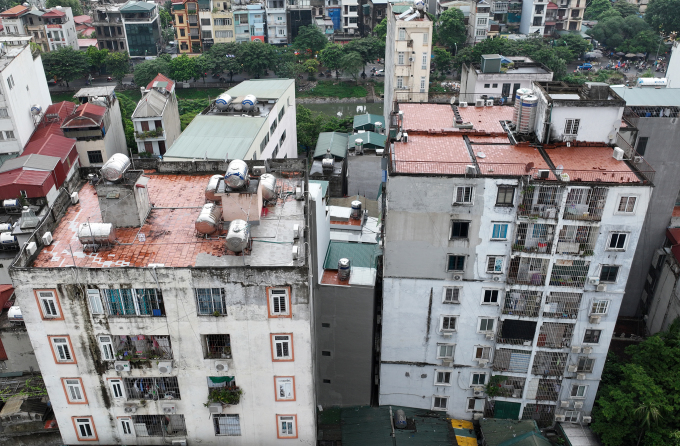
Thanh Xuan District has many mini-apartment buildings, attracting young families and students to live there. Photo: Ngoc Thanh
The 2014 Housing Law does not yet define "mini-apartment buildings," only referring to detached houses, apartment buildings, and social housing. When applying for construction permits, owners of mini-apartment buildings on Khuong Ha Street and many other homeowners often circumvent the law by applying for permits to build detached houses under 6 floors (avoiding fire safety assessments), then converting the function to commercial housing for sale or rent.
When converting individual houses into mini-apartment buildings, most buildings fail to meet fire safety standards and are ineligible for ownership certificates ("red books") for the apartments because homeowners did not declare the intended use during construction, and the buildings did not meet design and fire safety approval requirements. This is also a reason for legal disputes between buyers and developers.
In reality, the problems with mini-apartments didn't just surface after the Khuong Ha fire; they've existed for decades. So why haven't solutions been found yet? Meanwhile, this type of housing could partially help address the housing shortage for low- and middle-income residents in large cities.
To address this situation, the Prime Minister recently requested the Ministry of Construction to add fire safety standards for mini-apartments and high-density rental housing facilities. The Ministry should also promptly revise the regulations and standards for individual houses.
Source link


![[Photo] General Secretary and President To Lam presides over a meeting on preparations for the review of one year of operation of the three-tiered government system.](https://vphoto.vietnam.vn/thumb/1200x675/vietnam/resource/IMAGE/2026/06/02/1780391821195_a1-bnd-4595-9717-jpg.webp)






























































































Comment (0)