


Yogurt and dairy products are foods rich in calcium - Illustration
Calcium helps maintain strong bones and teeth, strengthens muscles, and supports nerve and hormone function.
Although dairy products like milk and yogurt are common sources of calcium, many types of fish, plant-based foods, and supplements also contain this essential mineral.
Dairy products
Dairy products are one of the richest sources of calcium. They also contain protein, which helps maintain muscle mass. Foods like yogurt provide beneficial probiotics for the gut and often contain other nutrients such as potassium, zinc, magnesium, and phosphorus.
Calcium content in some dairy products:
Cheddar cheese: 120mg per slice
Full-fat Greek yogurt: 260mg per cup
Whole milk: 300mg per cup
Soybeans
Soy-based products like tofu are often processed with calcium sulfate, a salt that helps maintain the texture and structure of plant proteins. Tofu products made with this salt are a good source of calcium.
Soy milk is often fortified with both calcium and vitamin D, so that those who don't consume cow's milk can still get enough of these important nutrients. Calcium content varies by brand.
The following soy products can help you meet your daily calcium needs:
Soy milk fortified with calcium: 300mg per cup
Boiled soybeans: 261mg per cup
Tofu made with calcium sulfate: 434mg per half cup
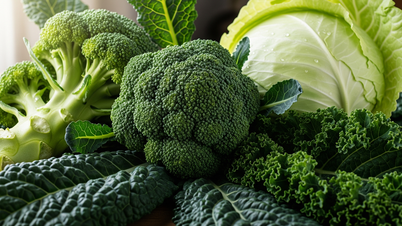
Leafy green vegetables
Leafy green vegetables are packed with nutrients, including vitamins A, E, C, and K, iron, and fiber. They are also a great source of calcium. Here are the calcium content of some leafy green vegetables:
Cooked kale: 327mg per cup
Kale: 177mg per cup (cooked)
Spinach: 141mg per cup (cooked)
Nuts
Some nuts also contain calcium. Almonds and sesame seeds (including almond butter and tahini, a sauce made from sesame seeds) both provide this mineral, along with antioxidants such as vitamin E.
Antioxidants are compounds that help prevent or slow down cell damage caused by free radicals.
The following nuts are particularly rich in calcium:
Almonds: 96mg per 1/4 cup
Chia seeds: 90mg per tablespoon
Foods fortified with calcium
In the U.S. and some other countries, calcium is often added to juices, breakfast cereals, milk, and plant-based milks. The idea is that this process can help reduce the incidence of diseases related to calcium deficiency, including rickets in children and preeclampsia in pregnant women. Common fortified foods include:
Calcium-fortified breakfast cereals: Maximum 150mg per cup
Orange juice is fortified with calcium: 300mg per glass.
Calcium-fortified wheat flour: 67mg per 1/2 cup
How much calcium do you need each day?
The Recommended Daily Allowance (RDA) is established by the Food and Nutrition Board at the National Academy of Medicine of the United States. The RDA is designed to meet the nutritional needs of most people. It varies by age and gender. Below is the RDA for calcium:
0-6 months: 200mg
7-12 months: 260mg
1-3 years old: 700mg
4-8 years old: 1000mg
9-13 years old: 1300mg
Ages 14-18: 1300mg
Ages 19-50: 1000mg
Men aged 51-70: 1000mg
Women aged 51-70: 1200mg
For those 71 years and older: 1200mg
Calcium deficiency can lead to symptoms such as muscle weakness and spasms, as well as numbness and tingling. More severe cases can cause mood disorders, impaired vision, and cardiovascular disease, affecting the heart or blood vessels.
Prolonged and inadequate calcium intake can also lead to low bone mineral density. This is seen in conditions such as rickets, which makes bones soft and weak, commonly seen in children. It also occurs in mild osteoporosis and osteopenia, conditions that cause bones to become thin and weak in adults.
Source: https://tuoitre.vn/nhung-mon-an-giau-canxi-co-loi-cho-xuong-khop-20250928074840269.htm
![[Photo] Closing Ceremony of the 10th Session of the 15th National Assembly](/_next/image?url=https%3A%2F%2Fvphoto.vietnam.vn%2Fthumb%2F1200x675%2Fvietnam%2Fresource%2FIMAGE%2F2025%2F12%2F11%2F1765448959967_image-1437-jpg.webp&w=3840&q=75)


















































![[OFFICIAL] MISA GROUP ANNOUNCES ITS PIONEERING BRAND POSITIONING IN BUILDING AGENTIC AI FOR BUSINESSES, HOUSEHOLDS, AND THE GOVERNMENT](https://vphoto.vietnam.vn/thumb/402x226/vietnam/resource/IMAGE/2025/12/11/1765444754256_agentic-ai_postfb-scaled.png)















































Comment (0)