

In winter, cold and damp weather can worsen joint pain, especially in the elderly. Sudden weather changes easily trigger or exacerbate musculoskeletal conditions. To protect your joint health, caring for and keeping your body warm is crucial. Pay attention to symptoms of joint pain and seek timely medical assistance when needed.
1. Why is cold weather more likely to cause joint pain?
- 1. Why is cold weather more likely to cause joint pain?
- 2. Traditional Chinese Medicine methods for treating bone and joint pain in cold weather.
- 2.1. Acupuncture helps improve pain and increase circulation.
- 2.2. Massage and acupressure to relax muscles and tendons.
- 2.3. Moxibustion helps dispel cold and relieve pain.
- 2.4. Steam baths and herbal foot soaks
- 2.5. Traditional Chinese Medicine
- 2.6. Lifestyle changes to prevent bone and joint pain in cold weather.
According to modern medicine, joint pain often worsens in cold weather due to peripheral vasoconstriction when temperatures drop, reducing blood supply to the joints. This leads to reduced synovial fluid circulation, decreased cartilage elasticity, and contraction of the muscles and ligaments surrounding the joints, easily resulting in joint stiffness and pain during movement.
People with underlying conditions such as osteoarthritis, rheumatoid arthritis, etc., are often more sensitive to this change.
According to Traditional Chinese Medicine (TCM), the cold season is when external pathogens such as wind, cold, and dampness easily invade the body, especially when the body is weakened or suddenly exposed to cold. Cold pathogens cause contraction and stagnation, hindering the flow of qi and blood, leading to blockages in the meridians and causing pain. Wind pathogens are mobile, so patients often experience pain in multiple joints. Dampness pathogens are heavy and stagnant; when combined with cold pathogens, they further cause joint swelling, pain, heaviness, fatigue, and reduced mobility.
Therefore, in winter, if one does not keep warm adequately, blood circulation can be disrupted and joints become more painful, especially in the elderly or those with weak vital energy.
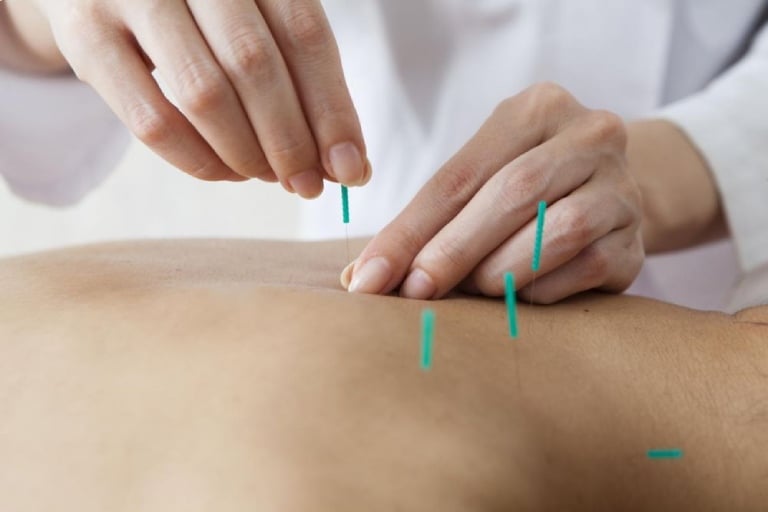
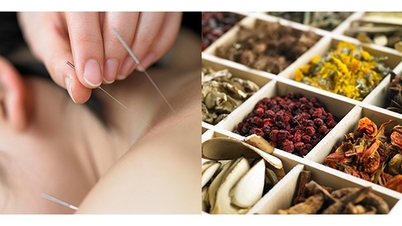
Acupuncture is an effective way to relieve bone and joint pain.
2. Traditional Chinese Medicine methods for treating bone and joint pain in cold weather.
2.1. Acupuncture helps improve pain and increase circulation.
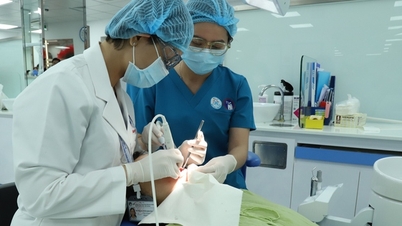
Acupuncture is one of the effective methods of Traditional Chinese Medicine (TCM) that helps relieve musculoskeletal pain. Inserting needles into acupuncture points helps dispel wind, disperse cold, eliminate dampness, and unblock meridians, thereby reducing pain, muscle stiffness, and improving mobility. The effects are usually noticeable after 3-5 sessions, especially for lower back pain, knee pain, and neck and shoulder pain.
Depending on the location and area of the painful joint, appropriate acupuncture points should be selected. Commonly used points include Shenshu, Dachangshu, Weizhong, Huanqiao… for lower back pain; and Xuehai, Duxi, Biyan, Zusanli, Yanglingquan… for knee joint pain.
Acupuncture should be performed by a qualified Traditional Chinese Medicine (TCM) practitioner, especially for patients with blood clotting disorders or active infections.
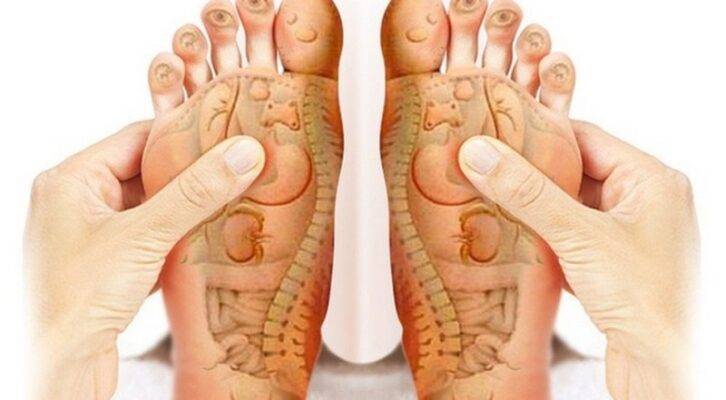
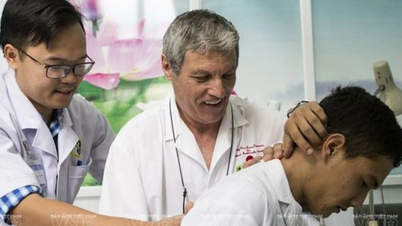
Acupressure massage helps relieve pain and reduce joint stiffness.
2.2. Massage and acupressure to relax muscles and tendons.
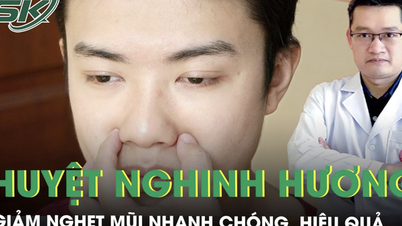
This is a safe, easy-to-perform, and highly effective method. Acupressure massage helps improve blood circulation, reduce pain, and alleviate joint stiffness during cold weather. Techniques such as rubbing, pressing, rolling, and kneading act on the musculoskeletal system, helping to relax muscles, increase blood flow, release stagnation, and make joints more flexible.
In addition, this method helps relax the nervous system, leading to deeper sleep for those with chronic pain. It can be applied in cycles or maintained regularly to prevent recurrence.
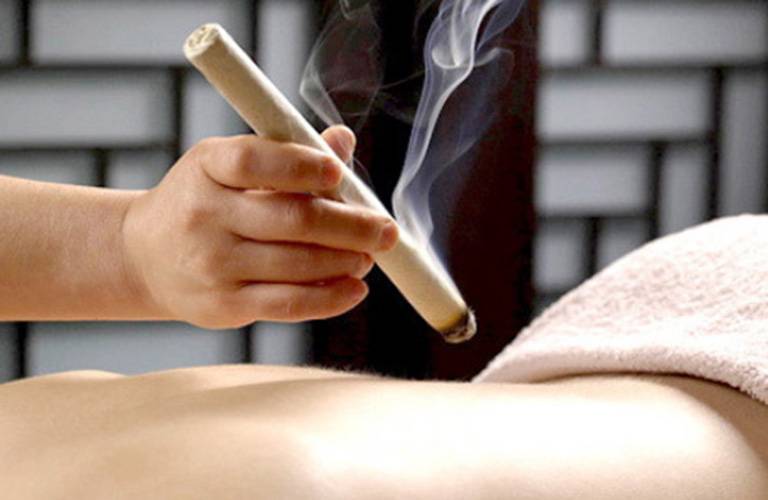
Moxibustion helps to warm the meridians and relieve pain.
2.3. Moxibustion helps dispel cold and relieve pain.
Moxibustion (applying heat from moxa sticks to acupuncture points) helps warm the meridians, dispel cold, stimulate circulation, reduce muscle stiffness, and alleviate chronic pain, especially in people with a cold constitution or chronic pain. Commonly used acupuncture points include Guan Yuan, Qi Hai, Ming Men, Shen Shu, Zu San Li, or A Shi points in the painful area.

Sauna therapy reduces muscle stiffness and relieves pain.
2.4. Steam baths and herbal foot soaks
Sauna bathing helps warm the body, dilate pores, and facilitate the absorption and effectiveness of herbal remedies. This method helps reduce muscle stiffness, improve blood circulation, and promote the elimination of cold and dampness through sweat.
Herbal foot baths stimulate several important acupressure points on the soles of the feet. Warm water combined with herbs such as ginger, mugwort, and cinnamon helps reduce pain, numbness, and promotes better sleep.
It is recommended to steam your feet 2-3 times a week and soak them every evening. Commonly used herbs include ginger, mugwort, salt, and cinnamon.
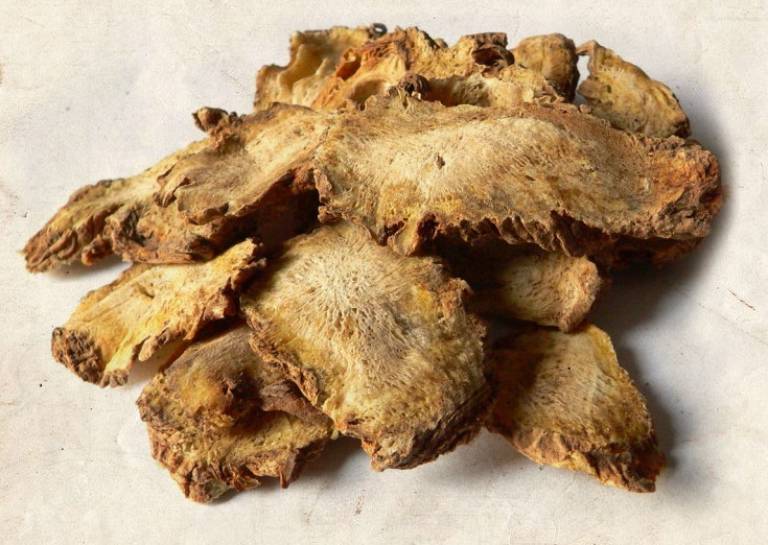
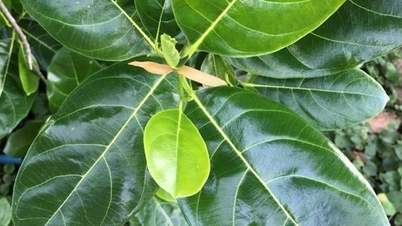
Angelica dahurica - one of the herbs used to treat rheumatism and relieve pain.
2.5. Traditional Chinese Medicine
Traditional Chinese Medicine (TCM) utilizes herbs that dispel wind, disperse cold, eliminate dampness, promote blood circulation, and nourish the liver and kidneys for comprehensive treatment. Angelica dahurica, Saposhnikovia divaricata, Siegesbeckia orientalis, etc., help dispel wind and dampness and reduce pain; Salvia miltiorrhiza, Prunus persica, Carthamus tinctorius, Achyranthes bidentata, etc., promote blood circulation and improve blood flow; Rehmannia glutinosa, Eucommia ulmoides, Cynomorium songaricum, Dipsacus japonicus, etc., nourish the liver and kidneys and strengthen tendons and bones.
Additionally, physicians may modify prescriptions such as Du Huo Ji Sheng Tang, Gan Jiang Jiu, Gui Zhi Tang (modified), Wu Tou Tang, and Liu Wei Tang. Herbal medicines are safe but require time to show results.
2.6. Lifestyle changes to prevent bone and joint pain in cold weather.
- Keep your whole body warm, especially your neck, back, and knee joints.
- Gentle exercise: Qigong, Tai Chi, Yoga
- Avoid drafts.
- Supplement with calcium, vitamin D, and omega-3.
- Avoid carrying heavy loads and avoid sudden changes in posture.
- Use warming teas such as cinnamon tea, ginger-honey tea, etc.
See more popular articles:
Source: https://suckhoedoisong.vn/ung-pho-voi-dau-xuong-khop-mua-lanh-bang-y-hoc-co-truyen-169251210223230479.htm


![[Photo] Prime Minister Pham Minh Chinh holds a phone call with the CEO of Russia's Rosatom Corporation.](/_next/image?url=https%3A%2F%2Fvphoto.vietnam.vn%2Fthumb%2F1200x675%2Fvietnam%2Fresource%2FIMAGE%2F2025%2F12%2F11%2F1765464552365_dsc-5295-jpg.webp&w=3840&q=75)
![[Photo] Closing Ceremony of the 10th Session of the 15th National Assembly](/_next/image?url=https%3A%2F%2Fvphoto.vietnam.vn%2Fthumb%2F1200x675%2Fvietnam%2Fresource%2FIMAGE%2F2025%2F12%2F11%2F1765448959967_image-1437-jpg.webp&w=3840&q=75)





































![[OFFICIAL] MISA GROUP ANNOUNCES ITS PIONEERING BRAND POSITIONING IN BUILDING AGENTIC AI FOR BUSINESSES, HOUSEHOLDS, AND THE GOVERNMENT](https://vphoto.vietnam.vn/thumb/402x226/vietnam/resource/IMAGE/2025/12/11/1765444754256_agentic-ai_postfb-scaled.png)
















































Comment (0)