

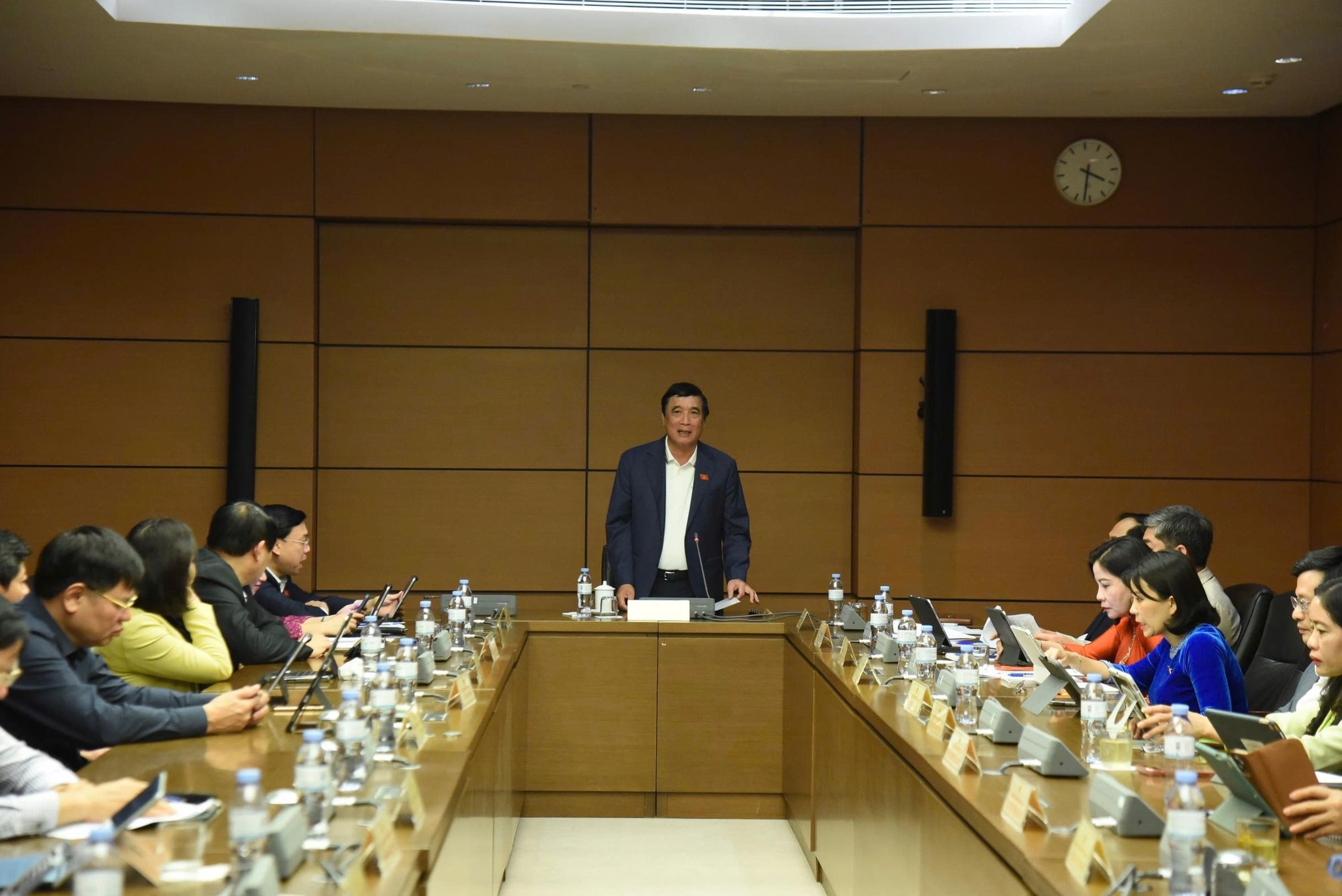
Higher priority should be given to areas with large ethnic minority populations.
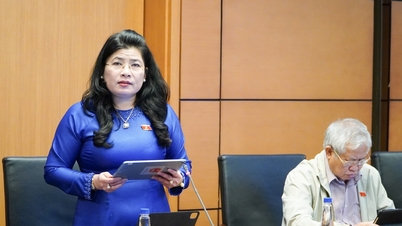
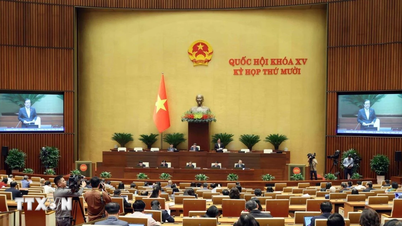
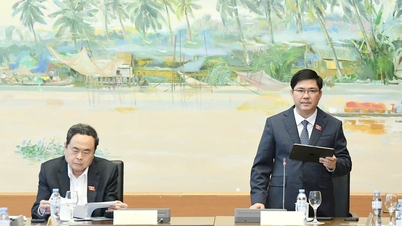
Commenting on the Investment Policy of the National Target Program on new rural areas, sustainable poverty reduction, and socio-economic development in ethnic minority and mountainous areas by 2035, National Assembly Deputy Hoang Duc Chinh (Phu Tho) stated that on November 26, the Politburo issued Conclusion No. 219 on continuing to implement Resolution No. 19-NQ/TW, dated June 16, 2022 of the 13th Party Central Committee on agriculture, farmers, and rural areas by 2030, with a vision to 2045, which requires focusing on leadership and direction to effectively implement the construction of modern, rich, beautiful, unique, and sustainable new rural areas. Perfecting the criteria for building new rural areas in accordance with the current provincial and communal levels. Focus on building and implementing the urban and rural planning system, ensuring close connectivity, harmonious and reasonable complementarity, protecting the ecological environment (villages within cities, cities within villages), linking domestic and international value chains, in line with national cultural identity, opening up more space and new resources for development.
The delegate said that after the merger of administrative units, the merged communes and towns all became commune-level administrative units. However, in practice, in localities that were formerly towns, there are no clear regulations on the development orientation towards urban areas or according to new rural criteria.
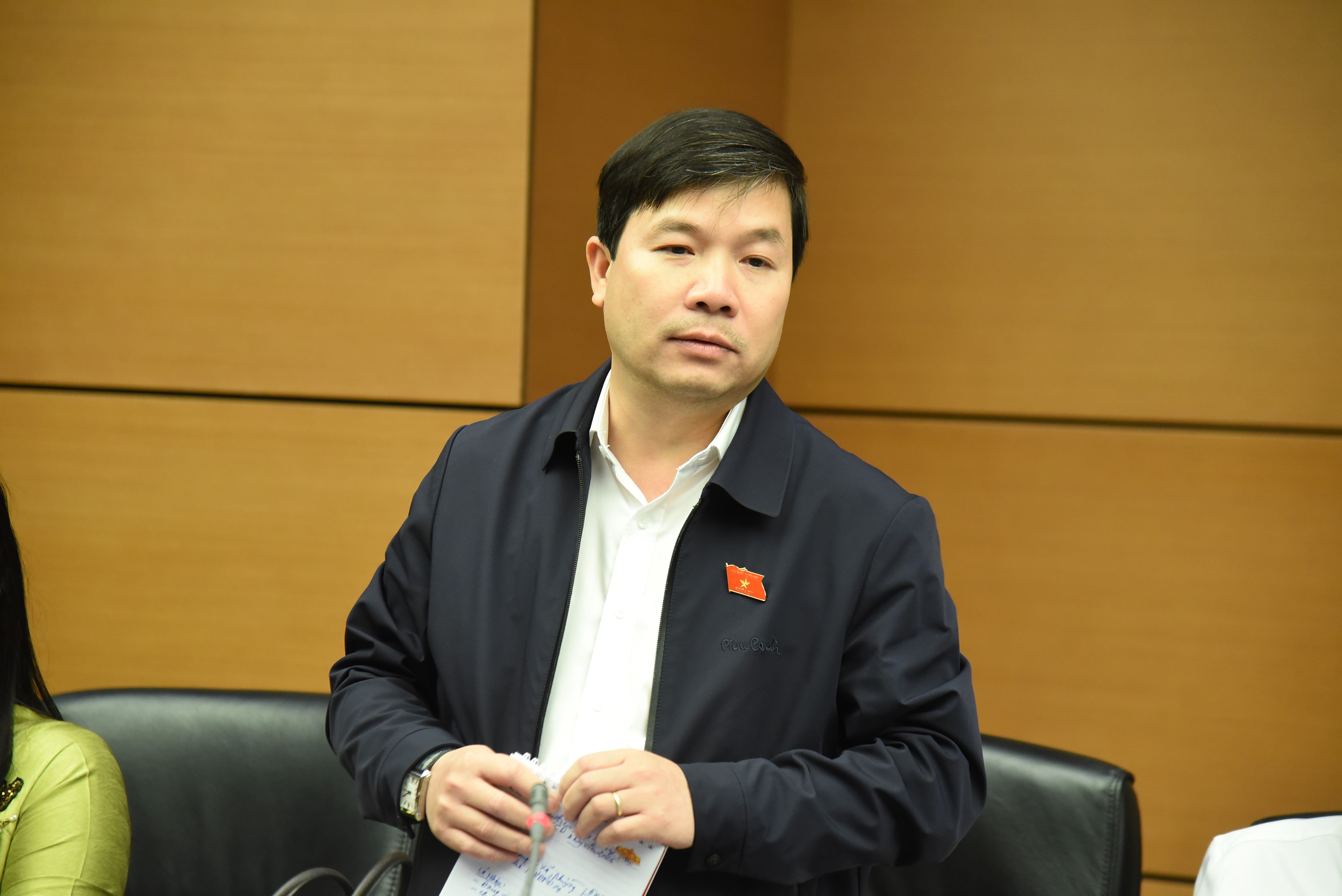
Based on the spirit of Conclusion No. 219, delegate Hoang Duc Chinh suggested that the Central Government should issue more specific and clear regulations to determine the development orientation for communes that previously had towns. This will help localities have a basis to build appropriate development plans in the coming time, ensuring effectiveness and consistency in implementing national target programs.
In addition, after the merger of administrative units, the population structure of ethnic minorities has changed significantly. For example, previously, Hoa Binh province had an ethnic minority population of about 70%, but after merging with Phu Tho and Vinh Phuc, this rate in the province was only about 27%. Therefore, when building the capital allocation criteria of the Program, it is necessary to give higher priority to areas with a large number of ethnic minorities. If the capital allocation level is only determined based on the ethnic minority rate criterion calculated for the entire province after the merger, it will be incomplete, not reflecting the reality, and at the same time can affect the psychology and reduce investment resources for areas that previously had a very high ethnic minority rate.
Empowering localities to choose appropriate farming models
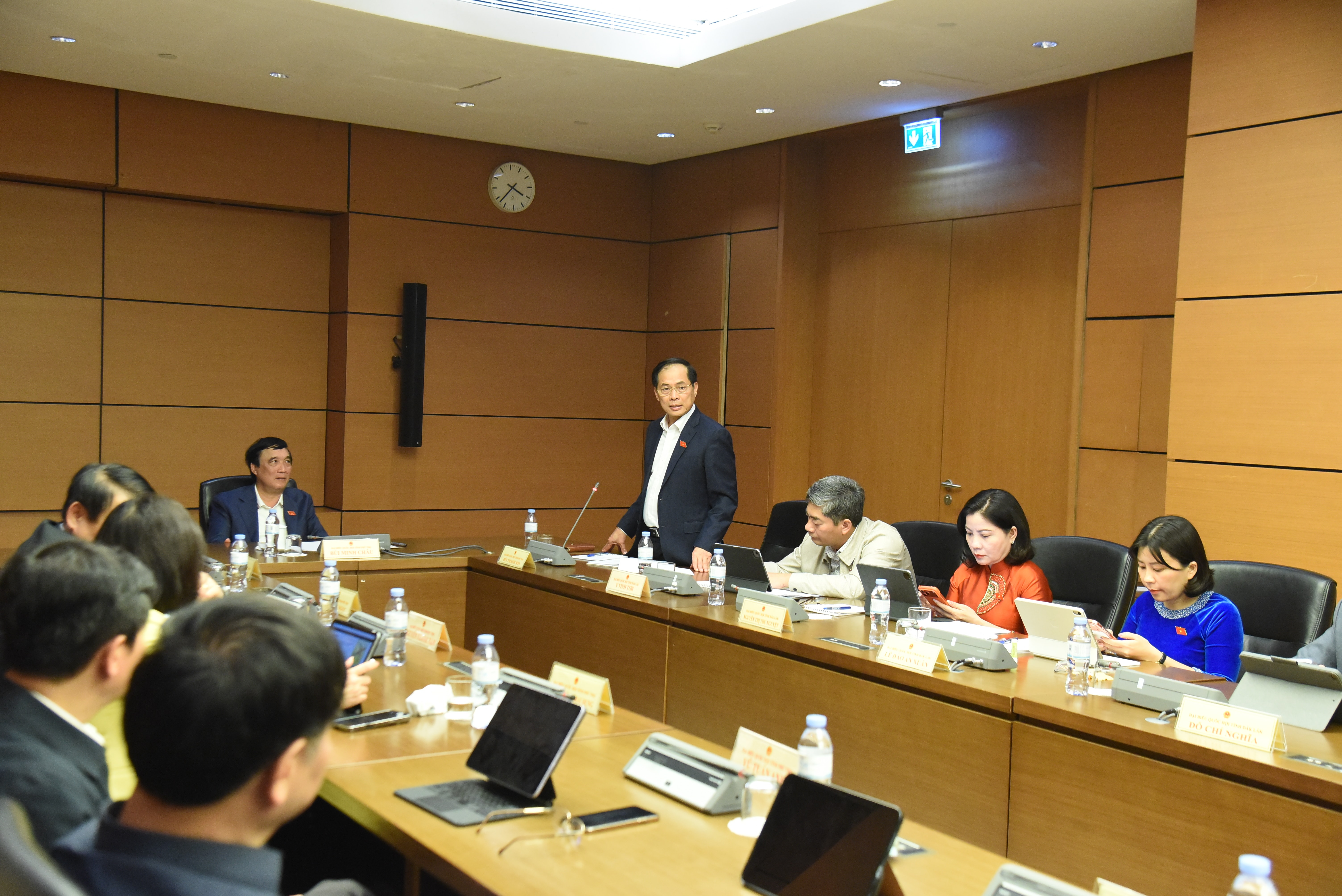
Referring to the difficulties and obstacles in the process of implementing the Program, especially in disbursing career capital, delegate Hoang Duc Chinh said that through the implementation process at the local level, it shows that the disbursement work still faces many obstacles due to complicated processes and procedures. Therefore, when merging the 3 National Target Programs, the projects need to be designed more appropriately, in the direction of reducing administrative procedures for career capital, while at the same time increasing decentralization, delegation of power and giving autonomy to localities in choosing farming models and crops suitable to the actual conditions of each region.
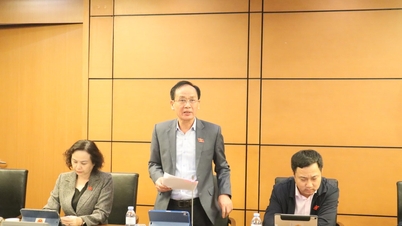
Commenting on this content, Deputy Prime Minister Bui Thanh Son said that through the review, the implementation of the 3 National Target Programs in the past time has had many problems, especially due to the lack of full decentralization and delegation of power to localities, leading to the implementation not being close to reality. In addition, the 3 Programs being implemented separately makes the projects become small, and when they reach the localities, they continue to be divided into many sub-projects, causing resource dispersion and reducing investment efficiency.
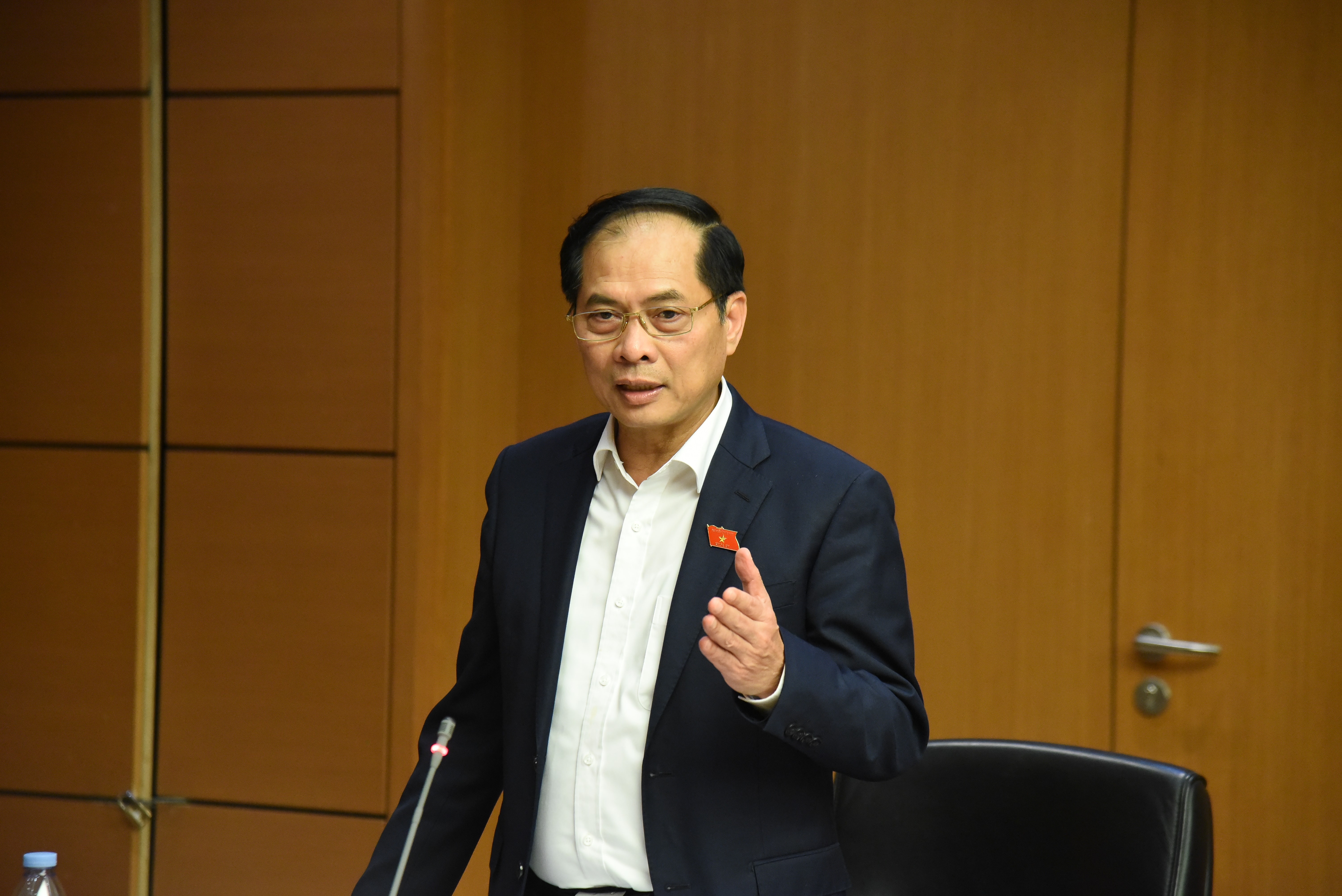
Therefore, the Deputy Prime Minister emphasized the need to consolidate the 3 Programs, while focusing on two key tasks: Strong decentralization and delegation of power to localities, so that localities can proactively decide on the content, goals and appropriate implementation methods. At the same time, grouping the contents into large-scale, key projects, avoiding fragmentation, helps localities easily choose investment priorities according to actual needs.
The Deputy Prime Minister gave an example of Phu Tho province, where 27% of the population is ethnic minorities, and the locality needs to focus on developing projects to promote the development of ethnic minority areas to optimize investment efficiency. The Deputy Prime Minister affirmed that on the basis of strong decentralization, the Government will assign targets and allocate resources, while localities will proactively organize implementation, ensuring flexibility and efficiency in implementing the Program.
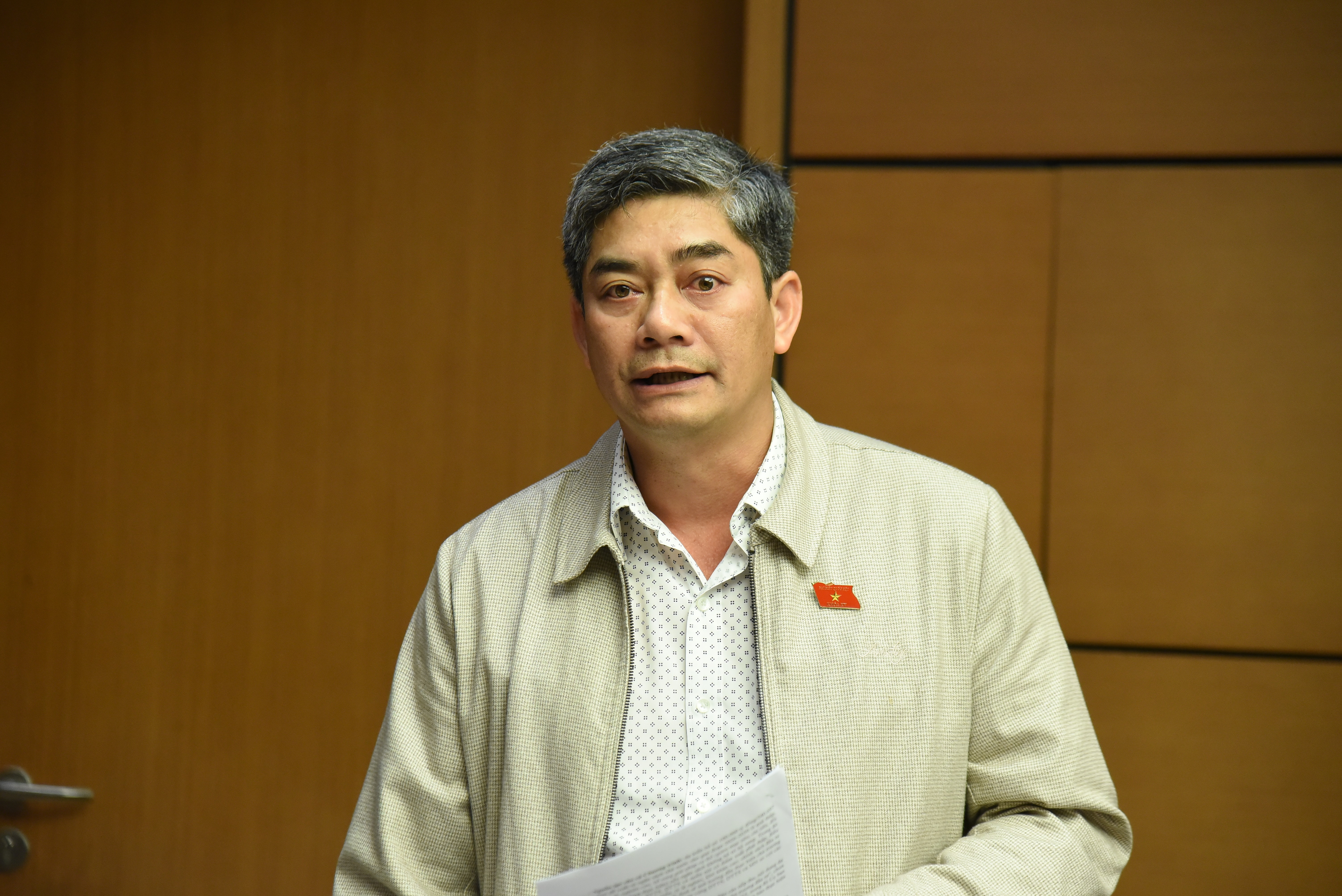
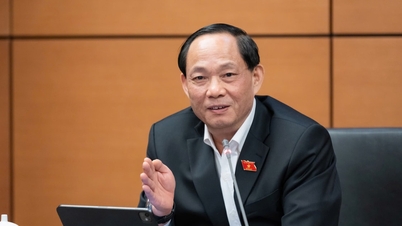
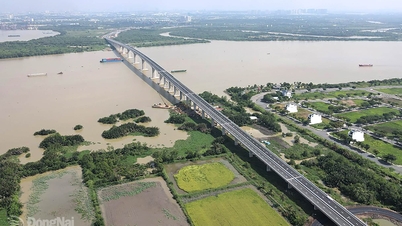
Commenting on the investment policy of the Vinh - Thanh Thuy Expressway Construction Investment Project, National Assembly Deputy Tran Van Tien (Phu Tho) assessed that the policy is consistent with the National Master Plan, the expressway network plan, the North Central and Central Coast region plan, land use plan; Nghe An province plan and urban and rural plan.
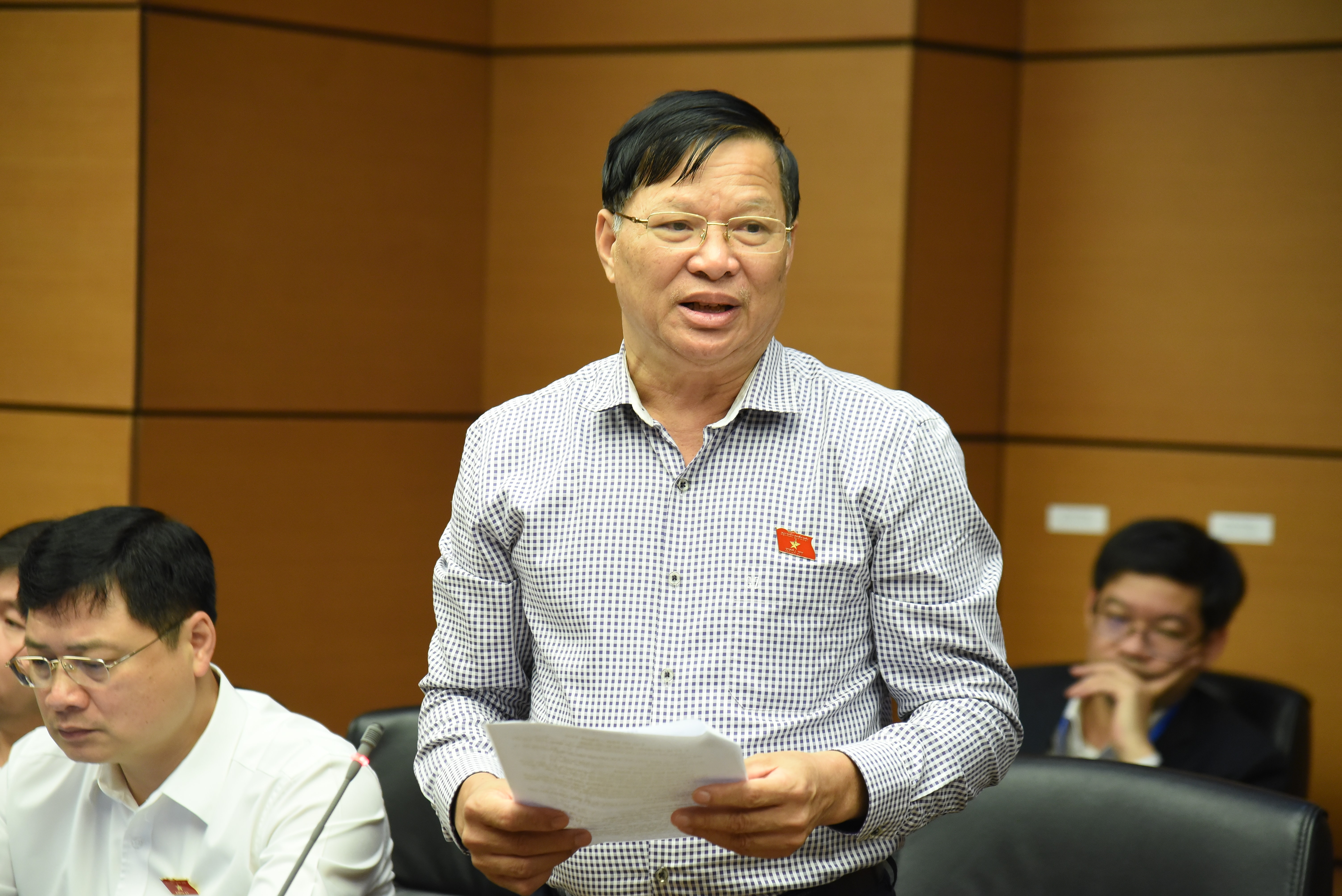
However, the delegates suggested that it is necessary to clarify the entire route, how many kilometers of the embankment structure; how many kilometers of the excavated structure; and how many kilometers of the bridge and tunnel structure. In addition, the storms showed that in low-lying areas with poor drainage, embankment should not be used, but reinforced concrete overpass structures should be used to avoid flooding or inadequate drainage during prolonged heavy rains.
Source: https://daibieunhandan.vn/phan-cap-phan-quyen-de-dia-phuong-trien-khai-hieu-qua-10398074.html




![[Video] More than 96% of cases related to land planning, management and use have been resolved.](https://vphoto.vietnam.vn/thumb/402x226/vietnam/resource/IMAGE/2025/12/03/1764775937805_1-5566-png.webp)










![[Photo] Parade to celebrate the 50th anniversary of Laos' National Day](/_next/image?url=https%3A%2F%2Fvphoto.vietnam.vn%2Fthumb%2F1200x675%2Fvietnam%2Fresource%2FIMAGE%2F2025%2F12%2F02%2F1764691918289_ndo_br_0-jpg.webp&w=3840&q=75)
![[Photo] Worshiping the Tuyet Son statue - a nearly 400-year-old treasure at Keo Pagoda](/_next/image?url=https%3A%2F%2Fvphoto.vietnam.vn%2Fthumb%2F1200x675%2Fvietnam%2Fresource%2FIMAGE%2F2025%2F12%2F02%2F1764679323086_ndo_br_tempimageomw0hi-4884-jpg.webp&w=3840&q=75)




















































Comment (0)