

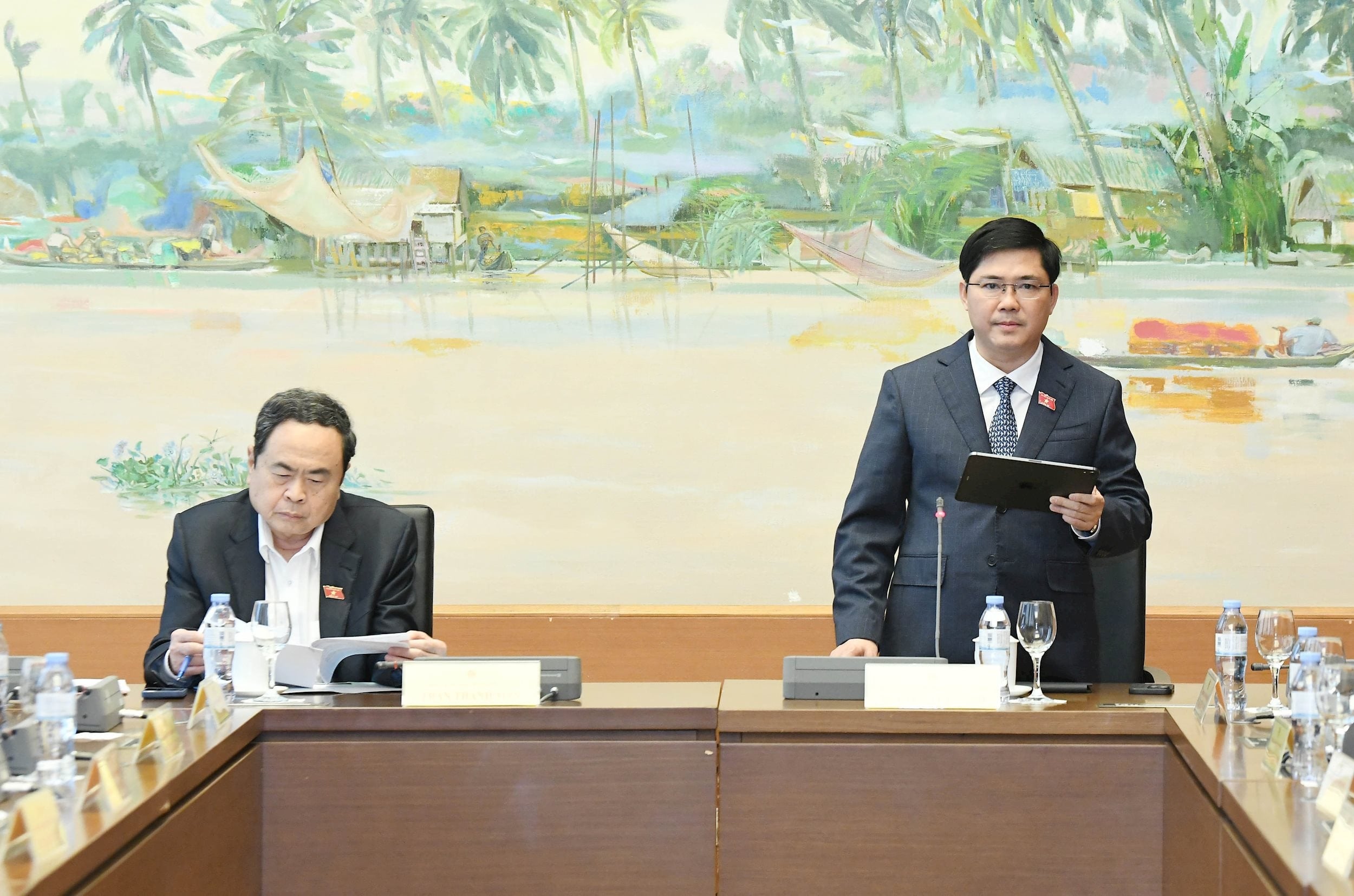
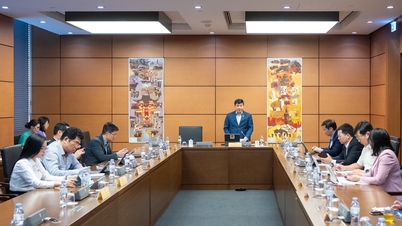
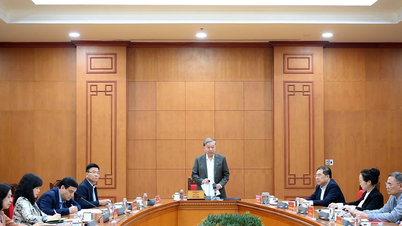
Head of the National Assembly Delegation of Can Tho City Nguyen Tuan Anh chaired the group discussion session.
Continuing the 10th Session, this afternoon, December 3, the National Assembly discussed in groups on the investment policy of the National Target Program on new rural areas, sustainable poverty reduction, and socio -economic development in ethnic minority and mountainous areas for the period 2026 - 2030. National Assembly Chairman Tran Thanh Man attended the discussion session in Group 11, including the National Assembly Delegation of Can Tho city and Dien Bien province.
Delegate more autonomy to localities
At Group 11, National Assembly delegates all agreed on the necessity of the National Target Program on new rural areas, sustainable poverty reduction, and socio-economic development in ethnic minority and mountainous areas for the 2026-2030 period.
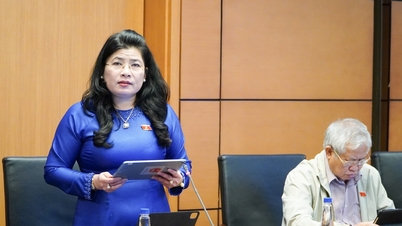
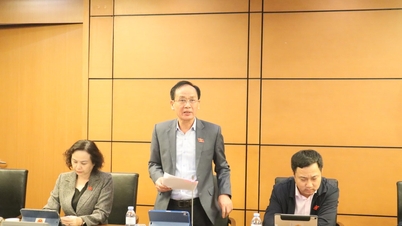
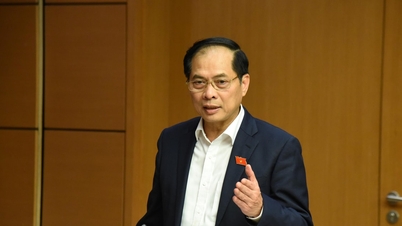
National Assembly Deputy Le Thi Thanh Lam ( Can Tho ) said that through the Government's report, it can be seen that the results of implementing the 3 national target programs from 2021 to now have significant differences. The new rural construction program completed 7/7 targets, all of which met and exceeded the set targets. The sustainable poverty reduction program achieved 4/5 targets. The socio-economic development program for ethnic minority and mountainous areas only achieved 6/9 targets, with 3 targets still unfulfilled. The report pointed out the target groups that are still limited, including improving social infrastructure, moving villages out of extremely difficult areas and propaganda work.
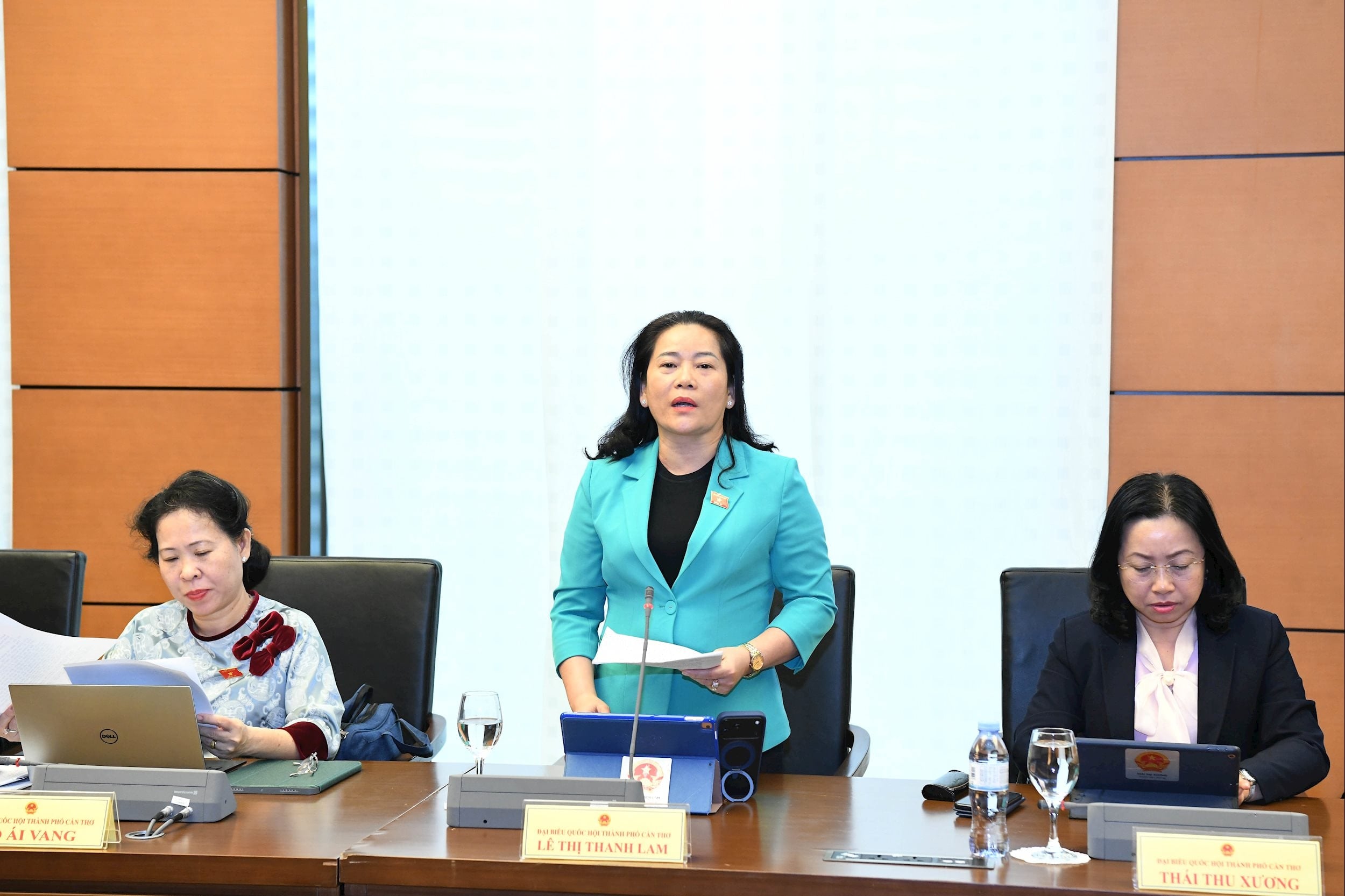
National Assembly Delegate Le Thi Thanh Lam (Can Tho) speaks
From the general summary, according to delegates, it is possible to clearly see the "bottlenecks" in mechanisms and policies: the implementation guidance system is still complicated and slow to issue; many contents and investment objects overlap; resources are scattered, tasks are duplicated, creating many difficulties in organization and implementation.
Citing the local reality, delegate Le Thi Thanh Lam said that the local counterpart capital ratio is up to 1.5 times the central capital, while the component projects are small and fragmented, making it difficult to concentrate resources. Therefore, the delegate agreed with the proposal to give stronger autonomy to localities in the 2026-2035 period.
Point a, Clause 1, Article 1 of the draft Resolution on the general objectives of the Program has clearly defined the orientation of rural economic development towards green, ecological circulation, associated with agricultural restructuring, digital transformation and innovation. However, according to delegate Le Thi Thanh Lam, when compared to the specific target system, the current indicators mainly focus on income, poverty reduction and infrastructure; they do not clearly reflect digital transformation and innovation.
Therefore, delegates proposed to add to target group number 5 intermediate indicators such as: the rate of cooperatives and cooperative groups applying digital technology; the rate of OCOP agricultural products that are digitized and traceable... to ensure consistency between general and specific targets, and at the same time be consistent with the 5-year socio-economic development orientation 2026-2030.
Regarding resources and counterpart mechanisms, the total capital of the program for the 2026-2030 period is expected to be 1.23 million billion VND, of which the local budget accounts for 33%. Assessing this structure shows the spirit of decentralization and increasing local initiative, but delegate Le Thi Thanh Lam also worries that disadvantaged localities, especially those in ethnic minority and mountainous areas, have limited budget balancing capacity. If a high counterpart level is rigidly applied, it will cause great pressure, reduce feasibility, and easily lead to formal implementation, failing to achieve the set goals.
Therefore, delegate Le Thi Thanh Lam proposed that the set of criteria for new rural areas and sustainable poverty reduction for the 2026 - 2030 period should be designed in the direction of substantive and flexible assessment by region: reducing the proportion of formal criteria, increasing the proportion of criteria on livelihoods, basic services, multidimensional poverty reduction; adding criteria on publicity, transparency, people's participation and digital transformation at the commune level.
From there, adjust the capital structure in a stratified direction: Localities with the ability to balance their own implementation of the counterpart according to the common standard; localities with difficulties reduce the counterpart ratio, increase support from the central budget; localities with special difficulties apply a higher level of support. This approach will help to link criteria with resources, objectives with implementation capacity, thereby improving the effectiveness and sustainability of the program in implementation in the coming time.
Delegate Le Thi Thanh Lam also suggested considering a harmonious allocation of resources, increasing flexibility for disadvantaged areas, ensuring the inheritance of results from the 2021-2025 period and improving efficiency for the 2026-2035 period. All programs and policies of the Government ultimately aim to improve people's lives; therefore, clear decentralization and delegation of authority, along with appropriate support mechanisms, will determine the ability to implement them effectively and substantially.
No requirement to integrate funding sources of the Programs
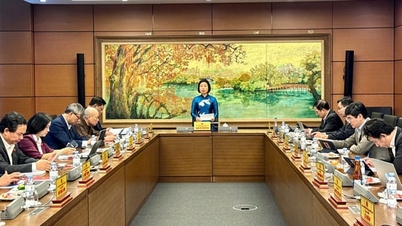
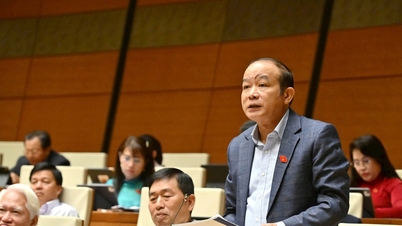
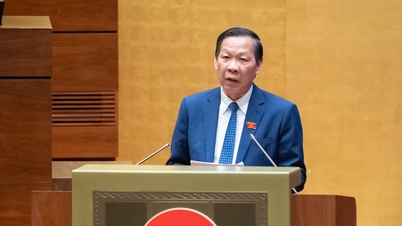
From another perspective, National Assembly Delegate Lo Thi Luyen (Dien Bien) proposed to name the new Program "National Target Program on Rural and Mountainous Socio-Economic Development and Sustainable Poverty Reduction for the 2026-2030 Period" to ensure brevity while still covering the contents of the Program.
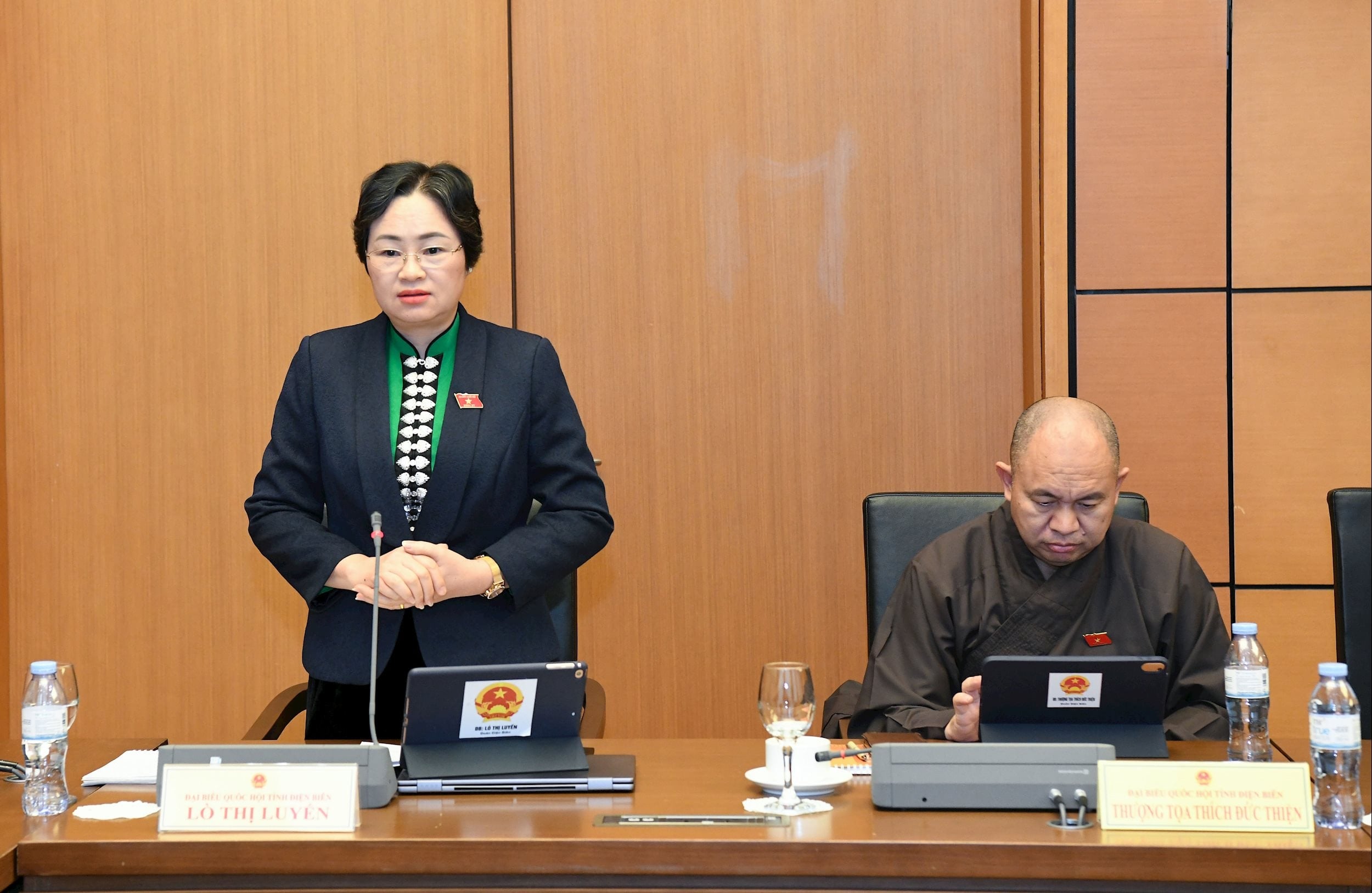
National Assembly Delegate Lo Thi Luyen (Dien Bien) speaks
The Draft Resolution stipulates that the Central Government allocates and assigns to ministries, central branches and localities according to the total capital of the Program; ministries, central branches and localities decide and are responsible for allocating details to specific contents, projects and tasks to implement the goals and targets of the Program.
Expressing high agreement with the above regulation, delegate Lo Thi Luyen also proposed to add to the draft Resolution a regulation that disadvantaged localities receiving 70% or more of the central budget support do not have to allocate counterpart funds to implement the program. There is no requirement to integrate the capital of this national target program with the capital of other national target programs, other programs and projects when organizing implementation.
Along with that, delegate Lo Thi Luyen also proposed that the National Assembly allow the extension of the implementation and disbursement time of capital sources of the 2025 National Target Programs (including capital from previous years transferred to 2025) until December 31, 2026, People's Committees at all levels decide to adjust the estimates and plans for public investment from the state budget of component projects that are no longer supported and have no spending tasks to supplement the implementation of other projects and tasks in each National Target Program extended to 2026, ensuring effective use of the state budget, avoiding dispersion and waste.
The delegates also suggested that the National Assembly pay attention to and stipulate this content in the Resolution of the 10th Session of the 15th National Assembly to have a basis for implementation, striving to achieve the targets and tasks of the National Target Programs for the 2021-2025 period, as a foundation for implementing the targets and tasks of the Program for the 2026-2030 period.
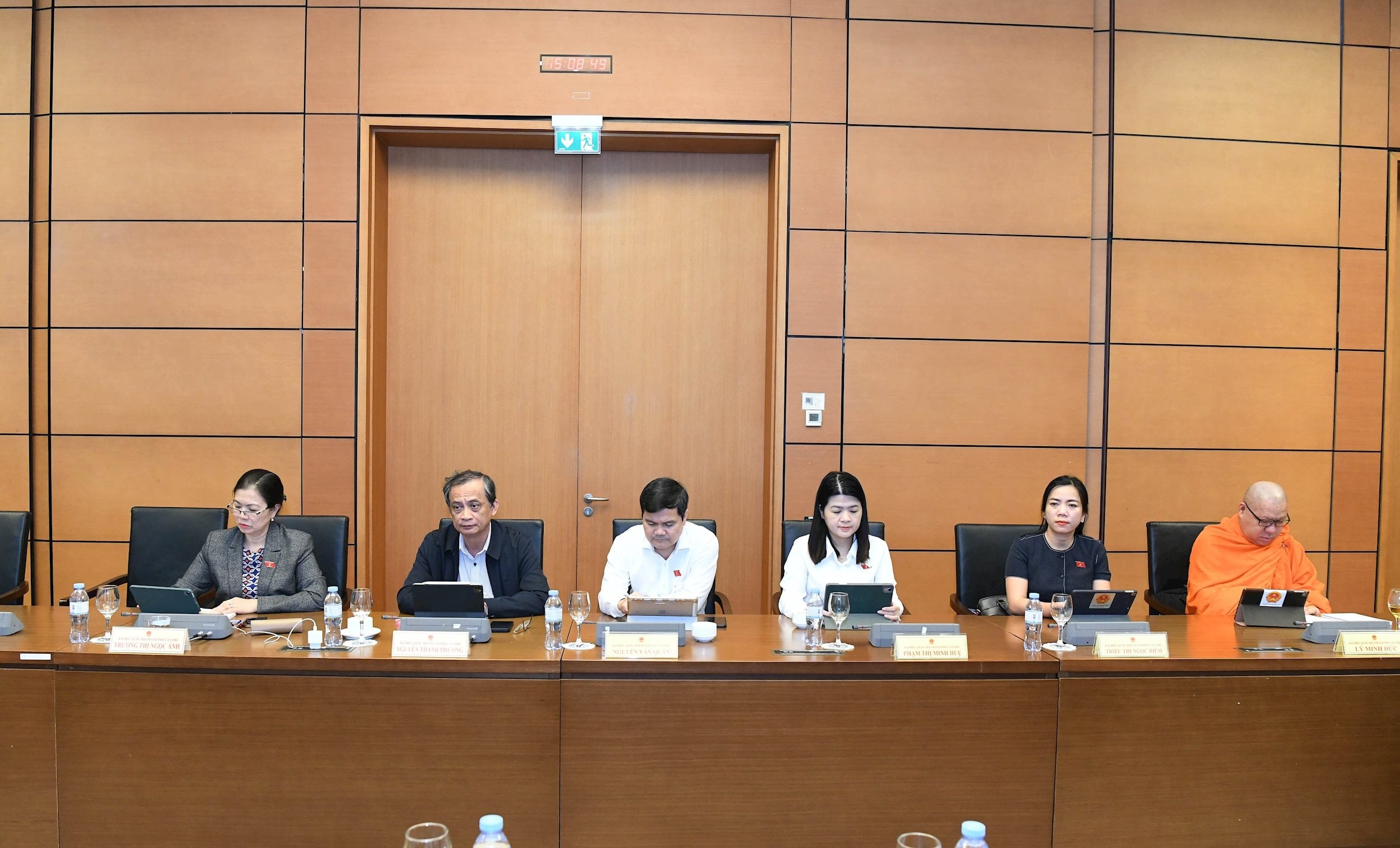
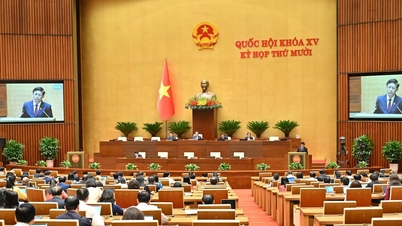
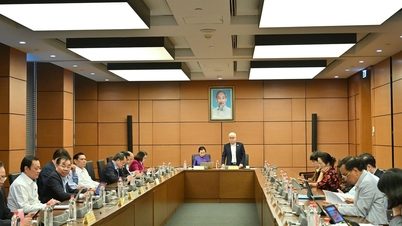
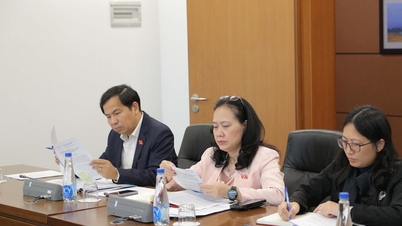
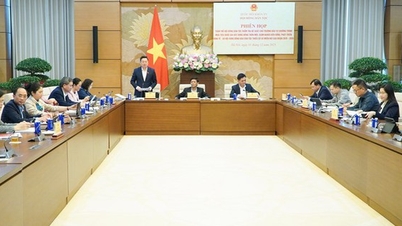
Delegates discuss at Group 14
In fact, in recent times, the weather situation has been complicated, causing heavy rain, floods, and serious landslides in mountainous areas. Therefore, National Assembly Deputy Nguyen Tuan Anh (Can Tho) proposed to study and supplement the content of the Program on plans to evacuate people in areas at risk of landslides early and build a model to stabilize the lives of relocated people.
In addition, in recent times, policies on eliminating temporary and dilapidated houses and building schools in mountainous areas have been strongly implemented nationwide. Therefore, delegates requested to provide specific data on the implementation of these policies, especially in mountainous areas, thereby building estimates for organizing the implementation of appropriate, realistic and more effective contents.
Delegate Nguyen Tuan Anh also proposed to study and supplement detailed content on international cooperation, mechanisms and policies to attract funding sources and foreign investment projects for new rural construction, sustainable poverty reduction and socio-economic development in ethnic minority and mountainous areas to concretize the policy of Resolution No. 59-NQ/TW dated January 24, 2025 of the Politburo on international integration in the new situation, especially international cooperation in investment, infrastructure construction and services for ethnic minorities and mountainous areas, development of community economic development models, OCOP products, preservation and development of good cultural values of the nation...
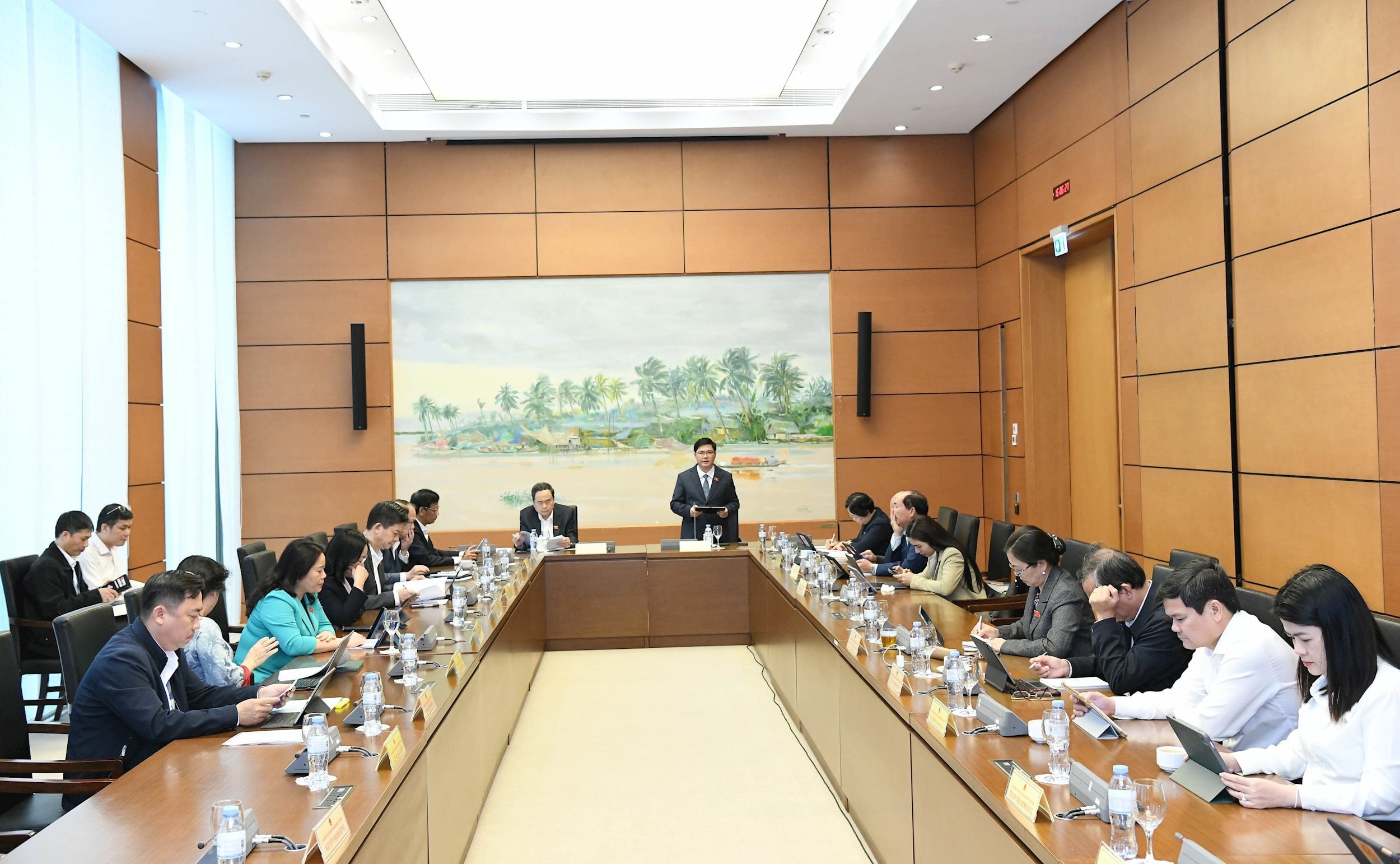
Discussion scene of Group 14
Regarding the contents related to the application of science, technology, innovation and digital transformation, delegate Nguyen Tuan Anh suggested that it is necessary to assess the current status of information technology application and computerization in organizing the implementation of related National Target Programs to adjust the targets, tasks and priority activities in the period of 2026 - 2035 in accordance with the capacity and quality of human resources as well as the current situation of agencies, units and localities with the current 2-level local government model.
Emphasizing that "the implementation of targets for each objective and content requires ensuring funding sources for implementation", delegate Nguyen Tuan Anh noted that for each content, task, and activity, it is necessary to consider and redefine important targets, focus on prioritizing according to the set time frame, review and review tasks and activities to avoid duplication and overlap, ensure effective implementation, in accordance with the allocated funding sources, practice thrift, combat waste, and avoid wasting resources.
Source: https://daibieunhandan.vn/chuong-trinh-muc-tieu-quoc-gia-ve-nong-thon-moi-giam-ngheo-ben-vung-phat-trien-kinh-te-xa-hoi-vung-dong-bao-dan-toc-thieu-so-va-mien-nui-tieu-chi-gan-voi-nguon-luc-muc-tieu-gan-voi-kha-nang-thuc-thi-10398070.html


![[Photo] Parade to celebrate the 50th anniversary of Laos' National Day](/_next/image?url=https%3A%2F%2Fvphoto.vietnam.vn%2Fthumb%2F1200x675%2Fvietnam%2Fresource%2FIMAGE%2F2025%2F12%2F02%2F1764691918289_ndo_br_0-jpg.webp&w=3840&q=75)










![[Photo] Worshiping the Tuyet Son statue - a nearly 400-year-old treasure at Keo Pagoda](/_next/image?url=https%3A%2F%2Fvphoto.vietnam.vn%2Fthumb%2F1200x675%2Fvietnam%2Fresource%2FIMAGE%2F2025%2F12%2F02%2F1764679323086_ndo_br_tempimageomw0hi-4884-jpg.webp&w=3840&q=75)
























































Comment (0)