

Compared to 2023, pepper exports in 2024 decreased by 5.1%, however, export value increased by 45.4%. Vietnamese pepper processing technology has approached the standards of the global market, promising a more sustainable return to the multi-billion dollar pepper industry.
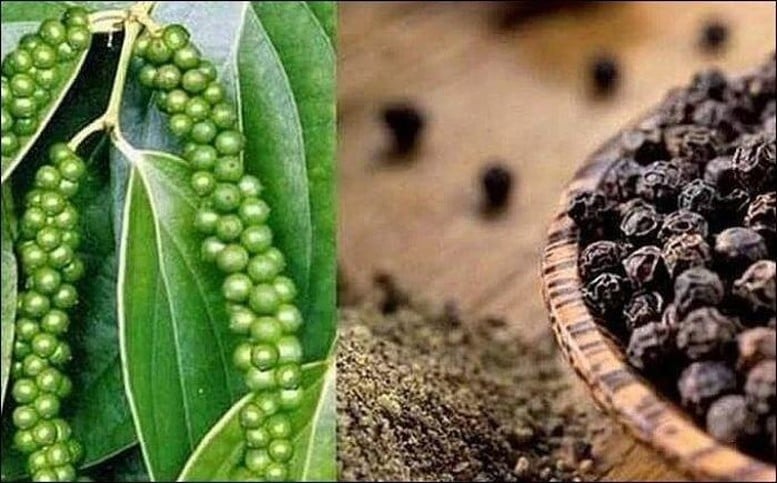
Local authorities are striving to develop sustainable pepper cultivation.
According to a report by the Gia Lai Provincial Department of Crop Production and Plant Protection, the province currently has approximately 7,500 hectares of pepper plantations with an average yield of about 3.5 tons/ha. In recent years, to improve productivity, quality, and the sustainable development of the pepper industry, the Gia Lai Provincial Department of Agriculture and Rural Development has proactively guided localities to focus on areas with advantages for pepper cultivation, such as the districts of Chư Pưh, Chư Sê, Chư Prông, Ia Grai, Chư Păh, Đăk Đoa, Mang Yang, Đức Cơ, and Pleiku City. At the same time, they have reduced the area of pepper plantations in unsuitable locations, ensuring a solid foundation for the restructuring of crop production.
According to Mr. Hoang Thi Tho, Deputy Head of the Department of Crop Production and Plant Protection of Gia Lai province, the high price of pepper has helped people earn more profit and regain confidence in this agricultural product once considered the "black gold" of the Central Highlands.
To ensure stable development of pepper cultivation in the future, Gia Lai will maintain a stable pepper cultivation area of approximately 8,500 to 10,000 hectares. Simultaneously, it will develop concentrated, safe, and high-quality pepper production zones linked to processing facilities.
On the other hand, Gia Lai will increase the area of intercropped pepper to reduce pest pressure and apply advanced farming techniques in a coordinated manner. The goal is to have over 60% of the pepper growing area in the province applying Good Agricultural Practices (GAP) by 2030.
"To sustainably develop the pepper industry, Gia Lai will promote production linkages. At the same time, it will comprehensively apply technical advancements in plantation design, use biological products in pest control, develop certified organic pepper cultivation areas, and establish geographical indications and planting area codes," said Mr. Hoang Thi Tho, adding that by 2030, Gia Lai aims to have over 70% of its pepper cultivation area granted planting area codes and product traceability.
Currently, the price of pepper has risen to over 160,000 VND/kg. This is the highest price in nearly 10 years, promising high profits for pepper growers.
Vietnam's pepper exports in 2024 set a new record, reaching US$1.32 billion. In the first month of 2025, export prices for pepper remained high, increasing by over 30% compared to mid-2024. In particular, the export price of white pepper has increased by 16% compared to the end of December 2024 and by 38% compared to mid-2024. This is a positive sign for pepper exports in 2025…
Compared to 2023, pepper exports in 2024 decreased by 5.1%; however, export value increased by 45.4%. Regarding the types of pepper exported in 2024, black pepper reached 220,269 tons and $1.18 billion; white pepper reached 30,331 tons and $200.6 million.
Regarding markets, the United States was Vietnam's largest pepper export market in 2024 with 72,311 tons, accounting for 28.9% and increasing by 33.2% compared to 2023. This was also the highest export volume ever, increasing by 21.0% compared to the previous record year of 59,778 tons in 2021. Following the US were the markets of: UAE with 16,391 tons, an increase of 35.1%, accounting for 6.5%; Germany with 14,580 tons, an increase of 58.2%, accounting for 5.8%; the Netherlands with 10,745 tons, an increase of 35.2%, accounting for 4.3%; and India with 10,617 tons, a decrease of 17.1%, accounting for 4.2%. China's imports ranked 6th with 10,549 tons, a decrease of 82.4% and accounting for 4.2% of the market share.
Businesses proactively adapt to the pepper market.
Recently, the Vietnam Pepper and Spice Digital Map was introduced by the Vietnam Pepper and Spice Association (VPSA) at its 2024 annual conference.
The digital map of pepper and spices in Vietnam will provide information on the area, production, and growing regions of pepper and spices in Vietnam; support connections between producers and importers, and promote international cooperation.
The main features of the Digital Map include: displaying information by crop type and year; providing data on weather, soil, and harvest time; and listing businesses by type and certification. With these features, the Digital Map will enhance transparency and management efficiency in the spice industry, and improve access to international markets.
VPSA expects that the Digital Map will play a crucial role in enhancing the position of Vietnam's spice industry in the international market; building vegetation maps, soil maps, water maps, pesticide maps, etc.
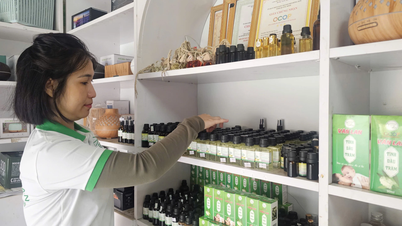
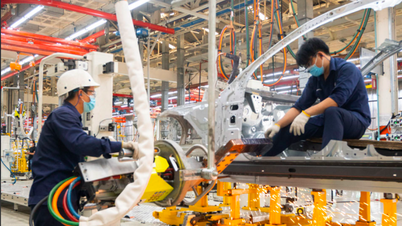
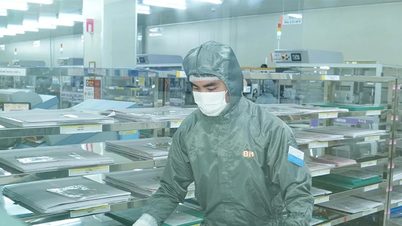
According to VPSA statistics, there are currently about 200 pepper processing and trading enterprises nationwide, including 15 leading enterprises, accounting for 70% of the country's total exports. The entire industry has 14 deep processing plants. Notably, there are 5 foreign-invested enterprises, accounting for nearly 30% of the export market share. Vietnamese pepper processing technology has reached the standards of the global market. Enterprises with high-tech processing plants meeting ASTA, ESA, and JSSA standards have created diverse products: whole black and white pepper, ground pepper, and packaged pepper.
Mr. Le Viet Anh, Chief of the VPSA Office, assessed that the current high pepper prices will encourage farmers to intensify their cultivation efforts, helping to increase productivity per hectare in the coming years. However, newly planted areas will need time to produce crops, so producing countries like Vietnam are unlikely to recover significantly in the short term. Nevertheless, initial signals for the 2025 crop in Vietnam are quite positive, with the potential for high yields if weather conditions are favorable. Therefore, there is hope for both a good harvest and good prices.
Looking ahead to 2025, VPSA stated that the pepper and spice industry will focus on supporting farmers, cooperatives, and businesses in meeting international standards for food quality and safety. This is part of a long-term strategy to enhance product value, expand markets, and improve the position of Vietnamese pepper in the global market.
VPSA encourages farmers and businesses in the pepper industry to improve product quality from the planting stage, and encourages businesses to invest in deep processing, clean processing, product diversification, and market diversification in order to penetrate deeper into the global pepper supply chain.
Source
![[Photo] Prime Minister Pham Minh Chinh receives the Chinese Ambassador to Vietnam](https://vphoto.vietnam.vn/thumb/1200x675/vietnam/resource/IMAGE/2026/04/05/1775397481797_ndo_br_dsc-5512-jpg.webp)





























































Comment (0)