

Recently, Van Chan commune, Lao Cai province, has been promoting the teaching of the Mong ethnic language and script to preserve and promote the cultural values of the Mong people. At the same time, it helps the people understand, use, and maintain their language and script in daily life. Ms. Tran Thi Them, Head of the Culture and Social Affairs Department of Van Chan commune, Lao Cai province, had an interview with a reporter from Vietnam Women's Newspaper regarding this issue.
- Could you please tell us if this is one of the contents of Project 6: Preserving and promoting the fine traditional cultural values of ethnic minorities associated with tourism development in the period 2021 - 2025 to improve people's access to information, especially ethnic minorities, contributing to multidimensional poverty reduction, which is being implemented in Van Chan commune?
Yes, in order to preserve and promote the fine cultural values of ethnic minorities, including promoting the teaching of the Mong language and writing system, this is one of the important contents of Project 6: Preserving and promoting the fine traditional cultural values of ethnic minorities associated with tourism development, which Van Chan commune has been actively implementing in recent times.
- What forms of communication are being used by Van Chan commune to help spread the Hmong language learning movement within the community, including among young people, Madam?
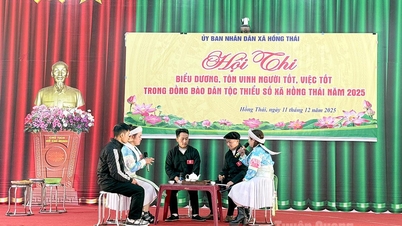
Van Chan commune has applied many diverse forms of communication that have yielded positive results, such as through social media platforms (Facebook, TikTok, Zalo, etc.); through propaganda sessions and dissemination of knowledge and skills; through competitions and cultural and artistic programs… These contribute to spreading positive traditional cultural values, including the preservation and promotion of the spoken and written language of the Mong ethnic group.
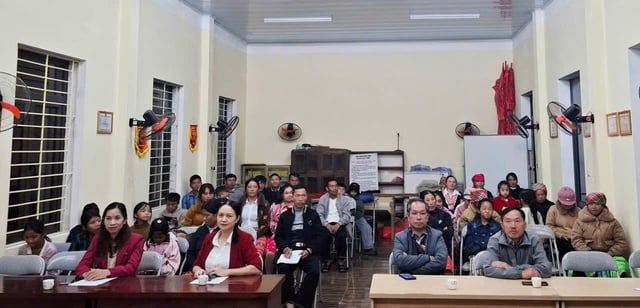
The diverse forms of communication applied by Van Chan commune, Lao Cai province, have yielded positive results.
- In your opinion, what is the significance of inviting artisans to participate in training and workshops on modern teaching methods for improving the quality of teaching the Hmong language to students, especially young people?
In my opinion, inviting artisans to participate in training and workshops on modern teaching methods is of great significance and practical value in further enhancing the quality of teaching the Hmong language to students, especially young people. In the current digital age, combining traditional and modern methods is crucial for students to best absorb, preserve, and promote cultural values.
- How have these Hmong language classes helped students change their perceptions and behaviors regarding the use of their ethnic script, Madam?
Through the Hmong language class, students gain a deeper understanding of the importance of preserving their language, viewing the Hmong script as a vital part of their cultural identity that needs to be conserved. In particular, the class has contributed to spreading the traditional values and unique identity of the Hmong people. Together, they have forged a strong will to preserve these beautiful and precious values across generations, ensuring they do not fade away over time.
- Could you please share specific details about the effectiveness of the Hmong language and writing classes organized by Van Chan commune recently?
The teaching and dissemination of the Hmong language and script plays a crucial role in preserving the cultural identity of the local people. The language and script of the ethnic group are the connecting thread that preserves knowledge, customs, rituals, and valuable traditional values. When the language and script are preserved, cultural values are maintained and developed, thereby helping the Hmong community become more united, proud of their origins, and more aware of their responsibility to preserve their ethnic identity. This also forms the basis for promoting cultural values and creating momentum for sustainable socio-economic development.
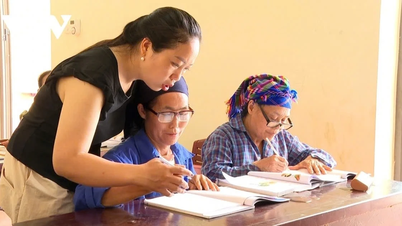
Through the classes, students have gained a clear understanding of the value of their ethnic language, and have consequently used it consciously in their daily lives and communication. Many students have become mentors and instructors for their fellow villagers, contributing to expanding the use of the Hmong language within the community. Many cultural values and rituals have been systematically preserved and passed on to the younger generation, making a positive contribution to the preservation of intangible cultural heritage in the community.
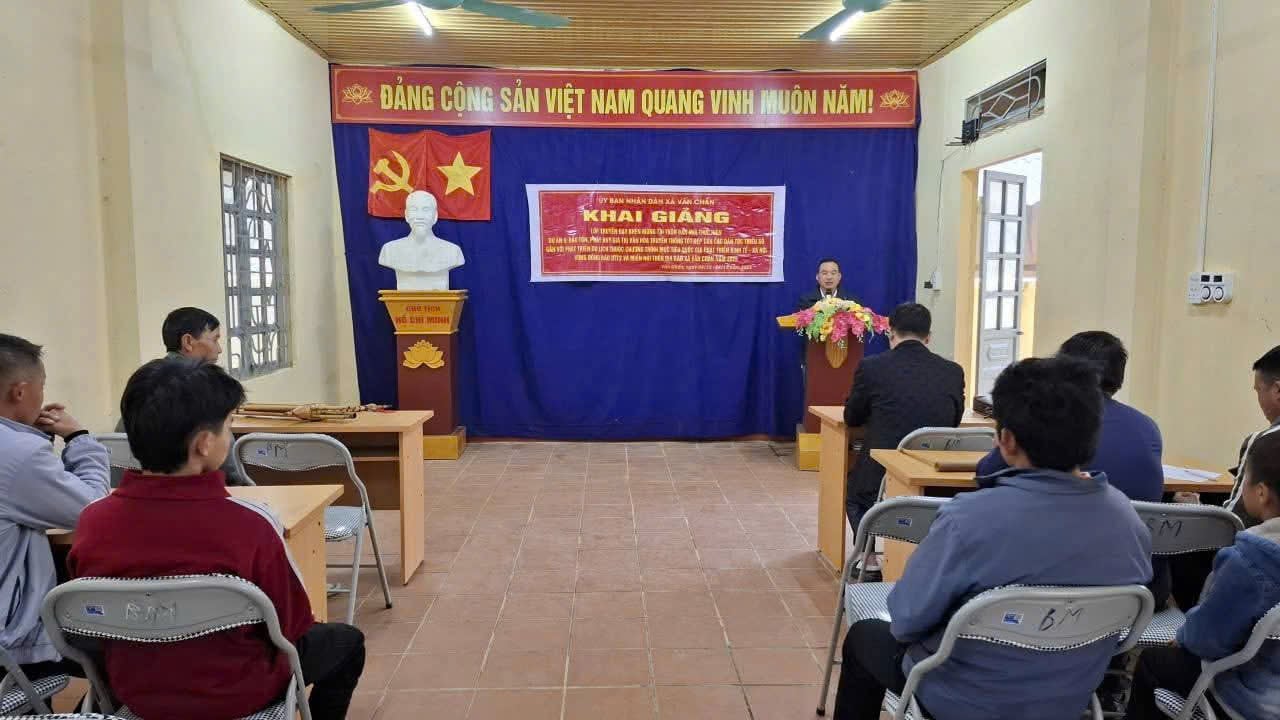
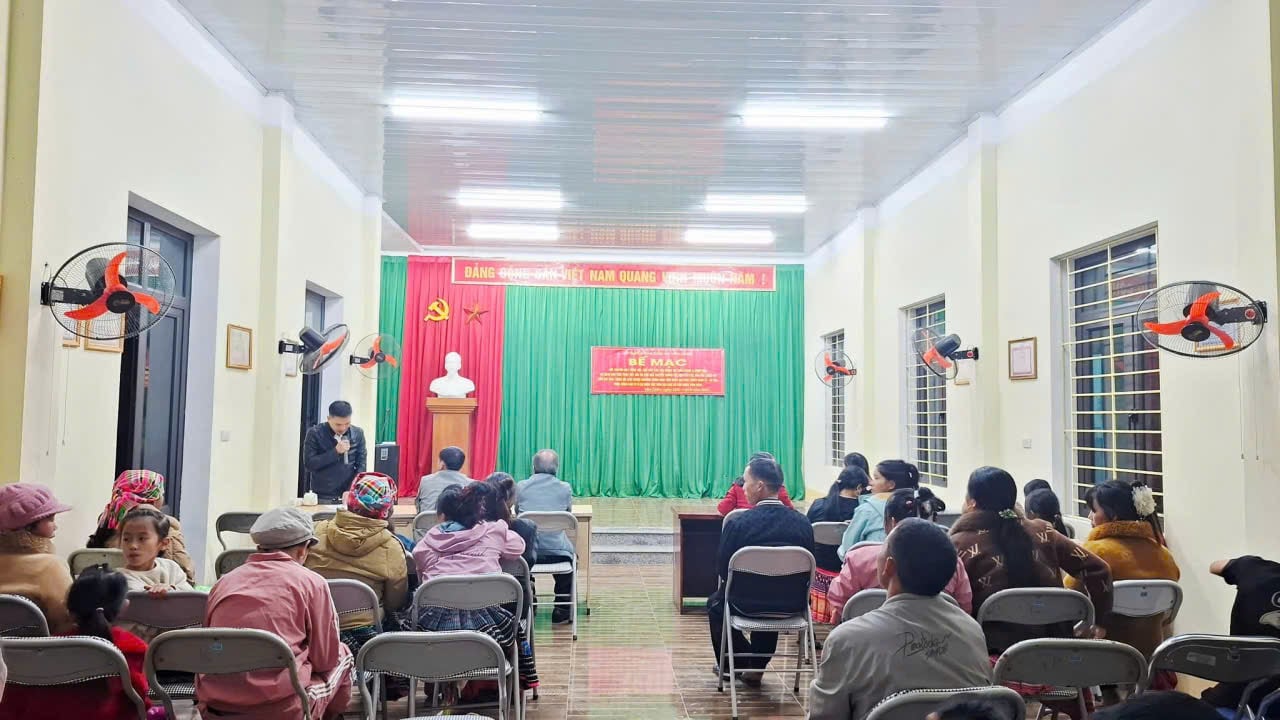
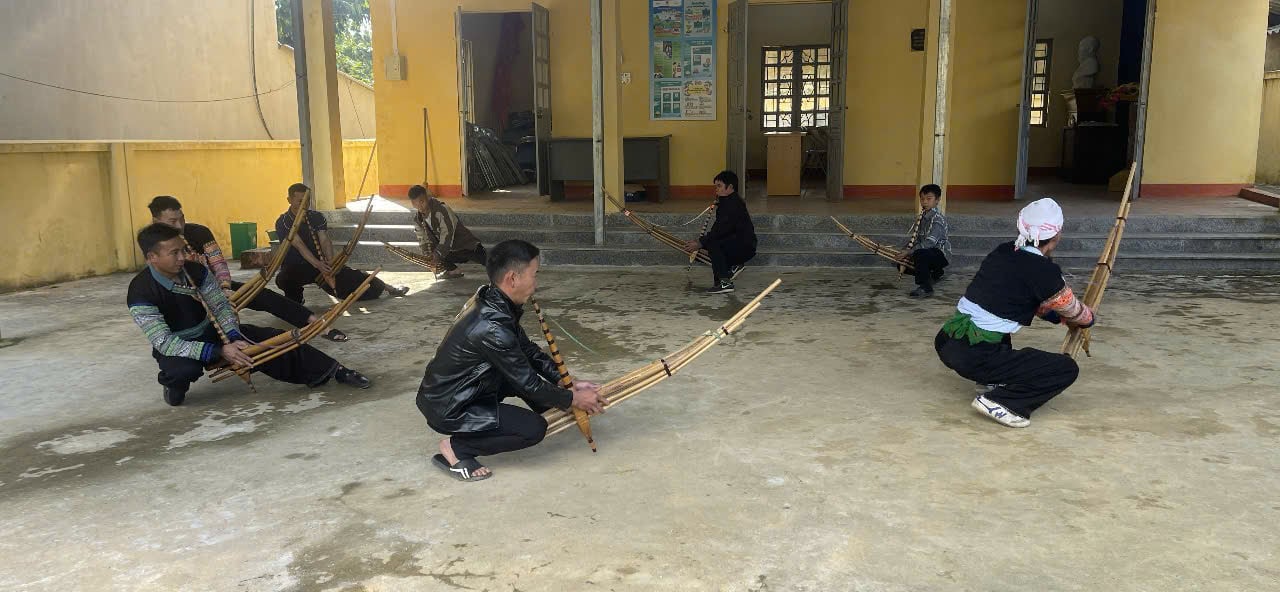
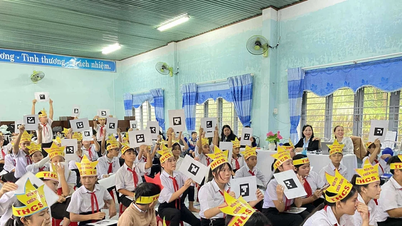
The classes attracted a large number of participants.
- In your opinion, how does learning and using the Hmong language daily contribute to strengthening the unity of the ethnic community? When Hmong people can read and write their mother tongue, what additional opportunities will they have in education, communication, and preserving their traditions?
In Van Chan commune, nearly 30% of the population is ethnic Mong. Learning and using the Mong language daily plays a crucial role in strengthening the unity of the ethnic community. Specifically, when Mong people use their mother tongue in a unified and standardized way, the cohesion within the community is enhanced, creating a strong bond between generations, between clans, and between Mong people in different regions. A common language helps people understand each other more deeply, share information faster, and disseminate the Party's guidelines and the State's policies and laws more quickly, effectively, and accurately among the people. This also fosters a spirit of mutual support and solidarity in village life.
- In your opinion, what communication and training solutions should Van Chan commune prioritize in the coming period to further improve the effectiveness of preserving the spoken and written language of the Mong ethnic group?
To further enhance the effectiveness of preserving the spoken and written language, in the coming time, Van Chan commune will continue to strengthen and improve the quality of training programs; regularly maintain Hmong language classes for various target groups including village officials, influential people, women, youth union members, and students - these are important factors in preserving and spreading cultural values; and promote the role of influential people and artisans of the spoken and written language in the community. Learning the Hmong language will be integrated with cultural activities such as folk singing, storytelling, and traditional rituals.
- Given that this commune has a large population of ethnic minorities, could you please tell us about the advantages and difficulties encountered during the implementation of Project 6?
On the positive side, the implementation process received attention from all levels of government, and support and participation from the people and all social strata and groups. Village officials, influential figures, and artisans actively supported the mobilization and teaching efforts, contributing to the effectiveness of the training courses.
Besides, despite achieving many results in project implementation, some difficulties were encountered during the process, such as: Many households have to work far away or are busy with production, making it difficult to arrange time to participate, especially for classes organized during the harvest season, so classes mainly take place in the evenings; teaching materials are not truly diverse or standardized. Some villages are far from the commune center, and transportation is difficult during the rainy season, affecting the opening of classes and maintaining student enrollment...
Thank you very much, ma'am!
Source: https://phunuvietnam.vn/phat-trien-san-xuat-hieu-qua-nho-tiep-can-thong-tin-bang-tieng-me-de-238251212163335577.htm

























![[Image] Close-up of the newly discovered "sacred road" at My Son Sanctuary](/_next/image?url=https%3A%2F%2Fvphoto.vietnam.vn%2Fthumb%2F1200x675%2Fvietnam%2Fresource%2FIMAGE%2F2025%2F12%2F13%2F1765587881240_ndo_br_ms5-jpg.webp&w=3840&q=75)


















































Comment (0)