

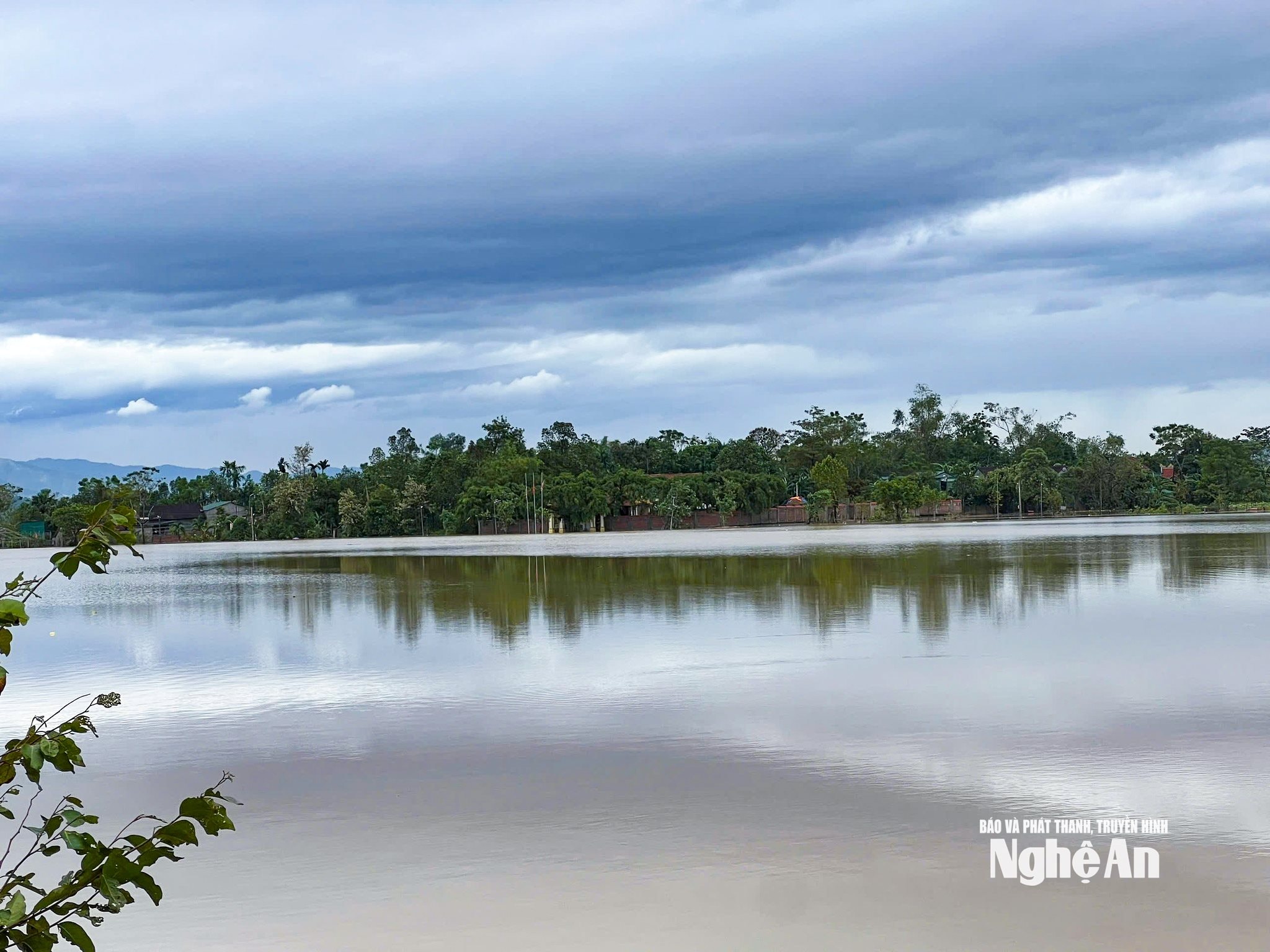
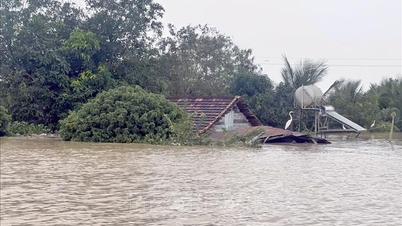
From September 25 to October 4, the entire summer-autumn rice crop and alluvial land of Bich Hao commune were completely flooded. When the water receded, the riverbank was covered with a thick layer of new alluvium, half a meter higher, with high humidity and stickiness, making it impossible for even strong plows to operate.
Mr. Nguyen Van Dang - Chairman of the Farmers' Association of Bich Hao commune said that the alluvial layer after the flood was 40-50 cm higher than the previous year. This is not an annual phenomenon; only in years with big floods will there be more alluvial soil, the bigger the flood, the thicker the alluvial soil. People call it "river's blessing", because the alluvial soil brings rare fertility.
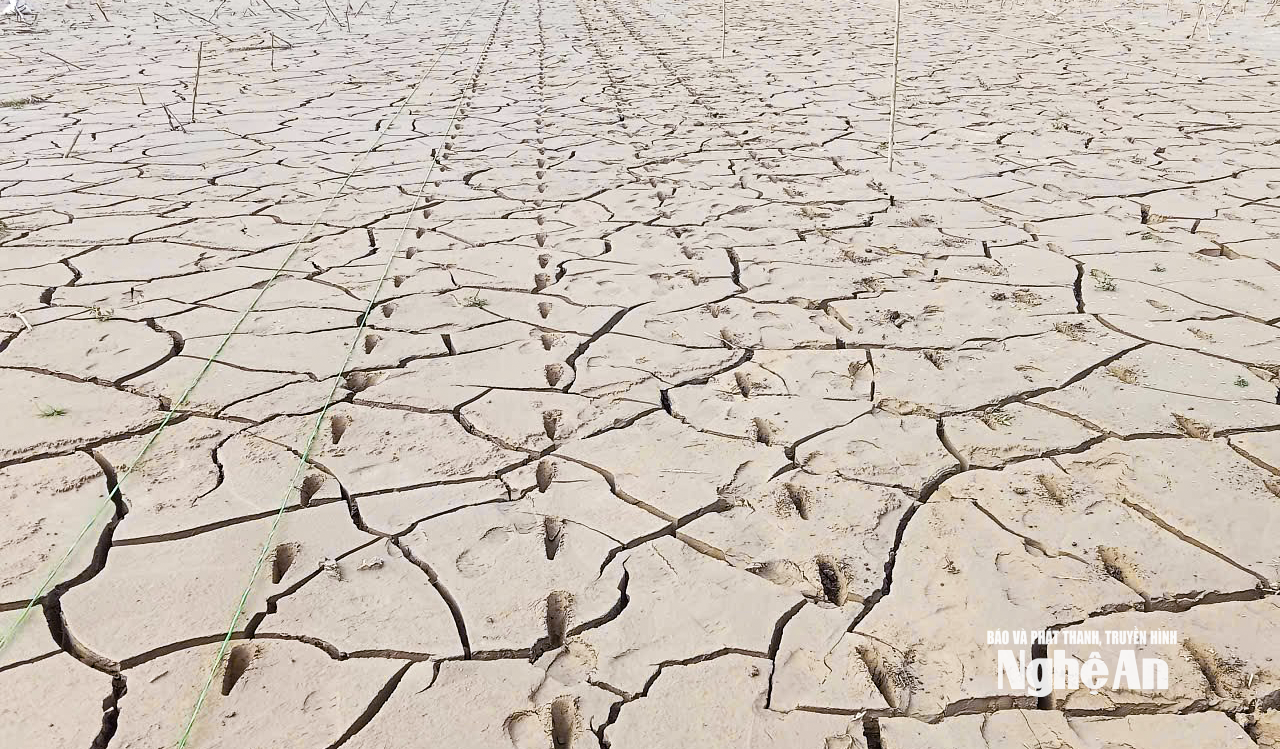
But this year, the “luck” came so quickly that it became a challenge. Because the alluvial soil was too deep and still wet, the plow could not go down to work the land, causing the progress of planting the winter corn crop to be 25-30 days behind the schedule.
Racing against time, taking advantage of the sunny weather, on the newly drained land, 55 farming households in Lam Son hamlet began to dig holes and plant corn. Mr. Tran Duc Binh's family cultivates 3 sao of corn along the river, this year the land is almost half a meter higher, with an undulating surface.
Mr. Binh stretched a rope, held a long stick with a pointed tip, and poked holes into the soft soil layer: "This alluvial soil cannot be tilled, raised, or filled with rows by machine. But in return, the soil is loose and rich in alluvium, so after poking holes and sowing seeds, the plants will grow very quickly. It is more tiring to work by hand, but saves money on plowing, harrowing, and fertilizer."
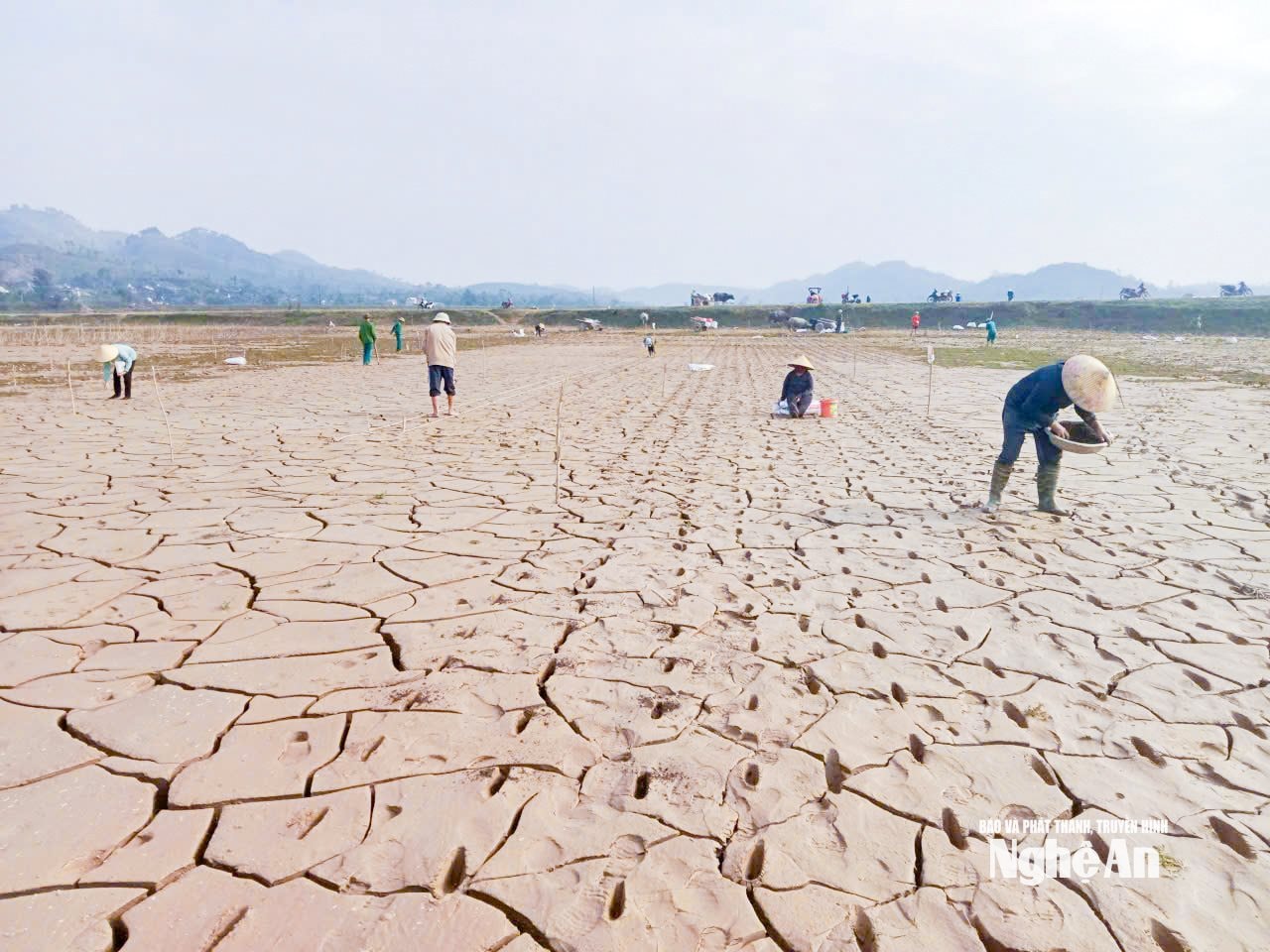
Not only Mr. Binh's family but also 55 households in Lam Son hamlet are busy sowing seeds into newly dug holes. Previously, on this alluvial land area, households rented plows to plow, make beds, and make rows quickly. This year, families have to return to the old methods. Mr. Phan Van Dai - a household said: "Doing it manually takes labor and effort, but seeds planted in alluvial soil will stick right away. Unfortunately, the flood erased all the boundary markers, so every household has to measure and redistribute the land according to the number of people."
This manual sowing method, which is rarely used in modern agricultural production, has now become the only option. Although laborious, the traditional method still has advantages. Costs are reduced because there is no need to hire a plow; the corn seeds are placed directly into the fresh, moist alluvial soil.

“Thanks to the new alluvium, the soil is softer and more nutritious, so the corn grows strongly, requiring less fertilizer. The yield is forecast to be higher than previous years. Compared to crops with little rain, this year's soil conditions are favorable for growth but also bring disadvantages: Weeds grow faster because the soil was not initially treated mechanically. People have determined in advance that they will have to increase the work of weeding,” said the Chairman of the Farmers' Association of Bich Hao commune.
Corn is the main crop in the winter crop of Bich Hao commune. This year, the commune plans to plant 530 hectares, of which the alluvial area accounts for only about 20 hectares but is the area that brings the highest and most stable economic efficiency. Having to return to manual sowing does not change the commune's production target, but requires perseverance and endurance of workers. Despite the difficulties, the 2025 winter corn crop on the alluvial area is quite promising. The yield is expected to reach about 8.4 tons/ha, higher than previous crops thanks to the new alluvial layer.
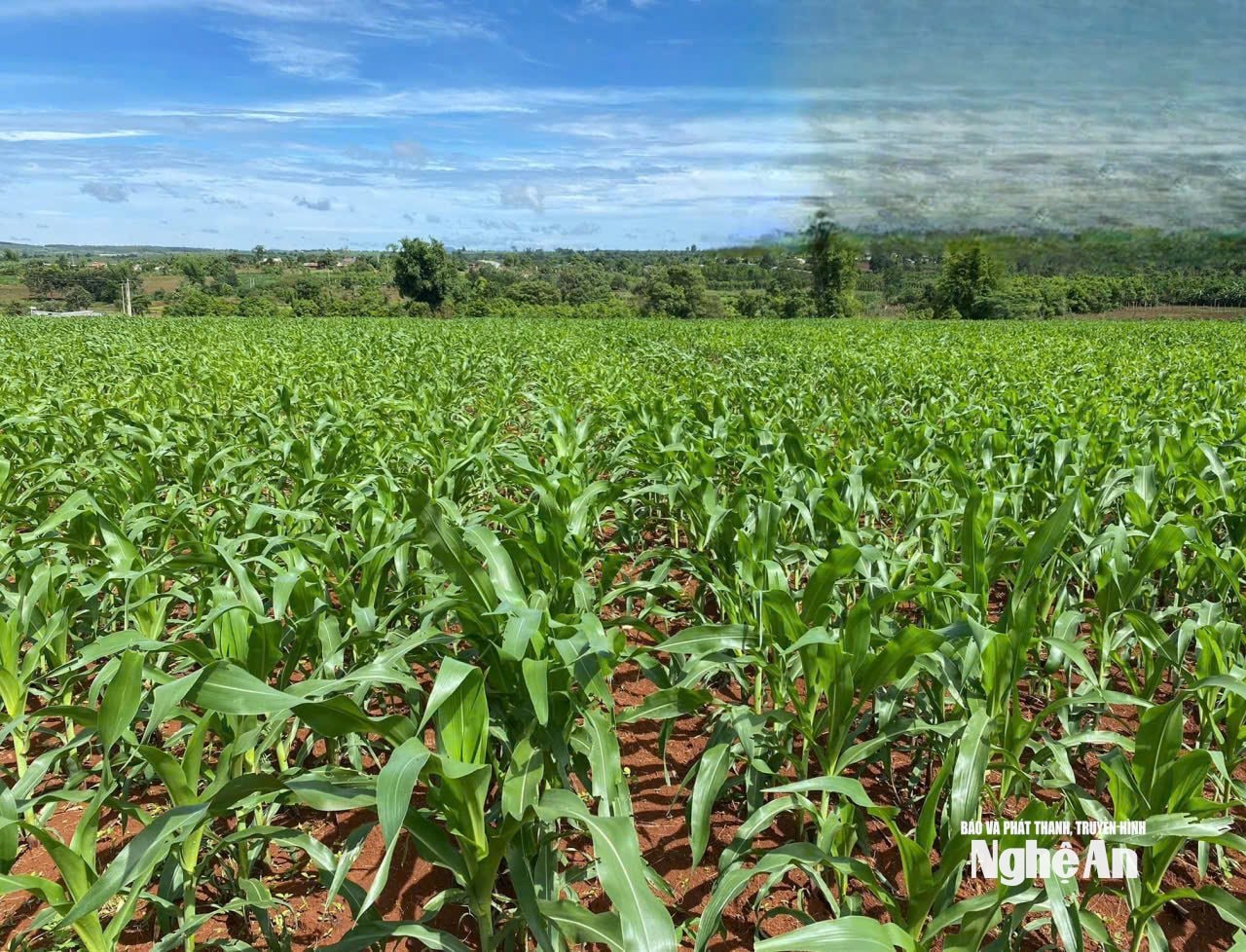
Taking advantage of the sunny weather, on the riverside alluvial plains, people in Bich Hao commune focus on sowing corn manually to keep up with production progress. On this new layer of alluvial soil, each corn hole planted is a test of the adaptability of agricultural production to weather fluctuations. People expect stable productivity, reduced investment costs and this year's winter crop to continue to bring a steady source of income to households living on the alluvial plains.
Source: https://baonghean.vn/phu-sa-day-them-gan-nua-met-sau-lu-nong-dan-bich-hao-choc-lo-tra-hat-de-seo-ngo-10313441.html


![[Photo] Parade to celebrate the 50th anniversary of Laos' National Day](/_next/image?url=https%3A%2F%2Fvphoto.vietnam.vn%2Fthumb%2F1200x675%2Fvietnam%2Fresource%2FIMAGE%2F2025%2F12%2F02%2F1764691918289_ndo_br_0-jpg.webp&w=3840&q=75)


























![[Photo] Worshiping the Tuyet Son statue - a nearly 400-year-old treasure at Keo Pagoda](/_next/image?url=https%3A%2F%2Fvphoto.vietnam.vn%2Fthumb%2F1200x675%2Fvietnam%2Fresource%2FIMAGE%2F2025%2F12%2F02%2F1764679323086_ndo_br_tempimageomw0hi-4884-jpg.webp&w=3840&q=75)



































































Comment (0)