

.jpg)
The State creates an environment for innovation
According to Mr. Vo Duc Anh, Deputy Director of the Center for Supporting Innovative Startups in Da Nang City (Department of Science and Technology), the "3-house" cooperation model is the foundation for developing the national innovation ecosystem and enhancing Vietnam's competitiveness in the new period.
The activities of connecting and operating the "3-house" model play an important role in strengthening the strong connection between the three important elements of the innovation ecosystem in Da Nang .
In which, the State plays the role of creating mechanisms and leading orientation; schools are centers of knowledge, training and research; enterprises become pioneers in applying, transferring and spreading technological values.
When the “3 houses” cooperate closely, they will create a strong ecosystem, promoting the birth of creative startups and R&D centers; at the same time opening up opportunities for Da Nang to become a destination for knowledge, technology and innovation in the region.
However, to make the “3-house” model operate more effectively, it is necessary to promote the connection of school training with the practical needs of businesses; expand internship programs, and train high-quality human resources in the fields of technology, artificial intelligence (AI), data and R&D.
In addition, it is necessary to build a mechanism to order science and technology problems of the city so that schools and businesses can participate in solving them; promote the formation of shared laboratories and innovation centers in universities.
Encourage businesses to join in research, technology transfer and startup support; expand cooperation in smart urban development, share open data and test new technologies according to the sandbox model (controlled testing).
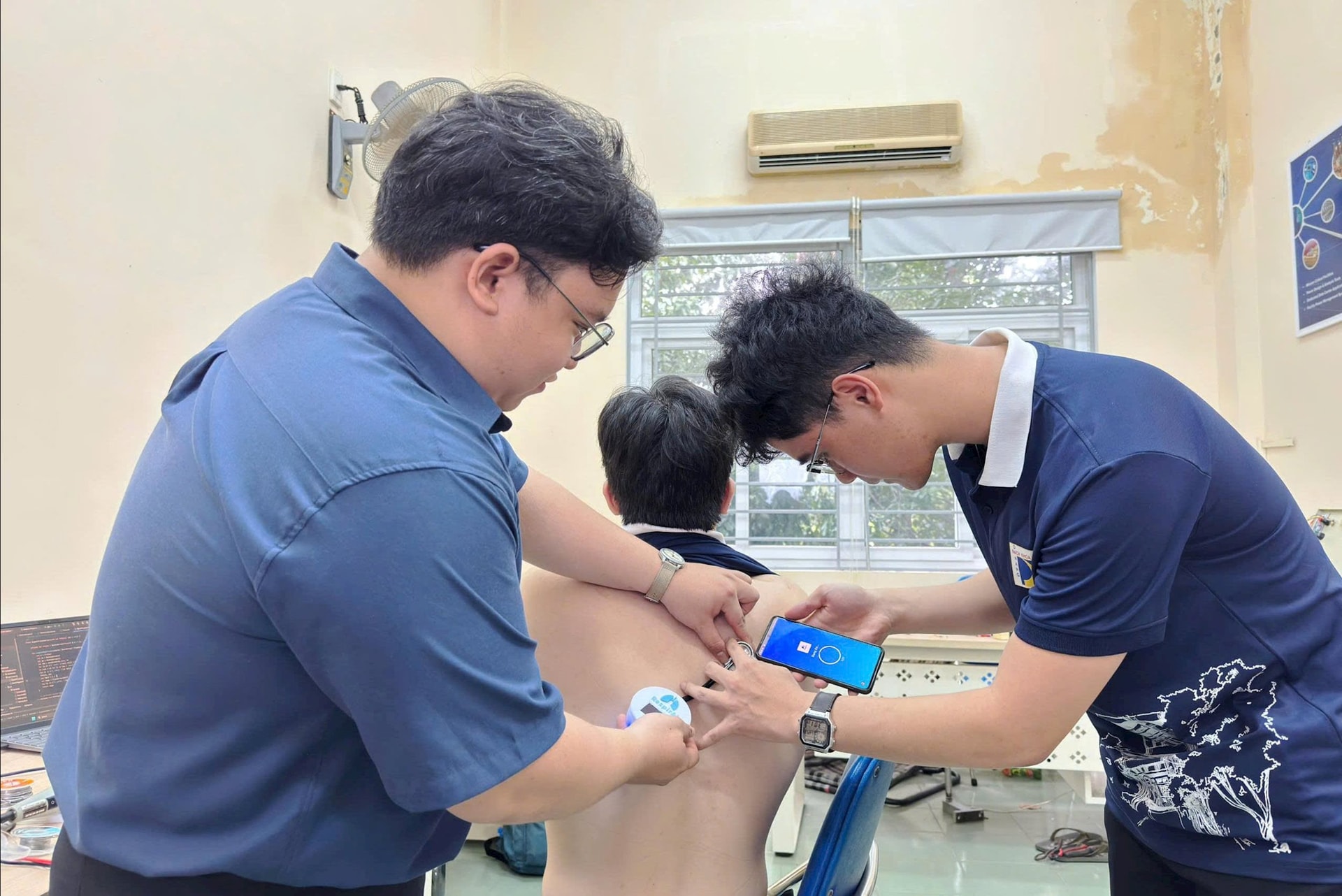
Dr. Nguyen Duy Nghiem, Director of Greenwich Vietnam in Da Nang, acknowledged that in the current context, universities often proactively seek and cooperate with businesses to ensure output for students.
If there is a mandatory mechanism for large enterprises (over 100 employees), when registering a business, they need to meet the criteria of connecting with at least 1-2 universities to proactively ensure the input human resources will create a big change. This approach is similar to the model implemented in Osaka (Japan) over the past 10 years, helping to reduce the burden of finding resources for schools.
At the same time, it is necessary to expand the testing environment by establishing a separate "sandbox" for universities, making the most of available technology infrastructure such as: Da Nang High-Tech Park, Software Park No. 2.
The goal of this sandbox is to commercialize research results and strengthen application linkages. It will act as a center for ordering and solving “problems”; invite universities to participate, provide flexible support mechanisms, connect experts, and provide investment funds to support budgets for topical research products.
“The application of sandbox will significantly shorten the time from intellectual property registration to product completion, thereby promoting the innovation process in higher education to take place more quickly and effectively,” Dr. Nguyen Duy Khiem shared.
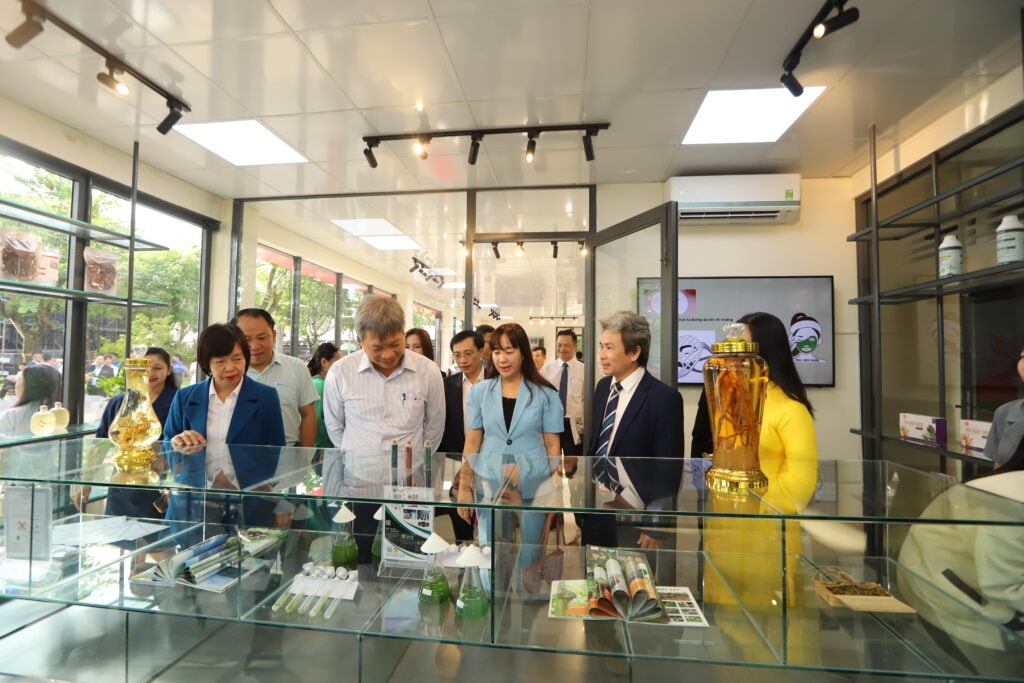
Schools and businesses spread creative values
Associate Professor, Dr. Vo Van Minh, Principal of the University of Education (University of Danang) said that in recent years, the school has organized many programs and cooperative activities with localities, businesses, cooperatives, incubators, investment funds, etc. in research, support, technology transfer, and innovation.
In particular, an important milestone in the journey of transforming from a traditional university to an "innovative university" is the launch and operation of the UED Center for Innovation & Startup Support in mid-November 2025.
The center is oriented to become a regional leader in two key areas: educational technology (EdTech) and innovation for the community. Thereby, affirming the school's pioneering role in implementing social responsibility and promoting innovation associated with practical needs.
The UED Center for Innovation & Startup Support will be the focal point for coordinating the school's innovative startup system; connecting "3 houses" according to an open model; operating an incubation funnel model; testing, integrating and transferring technology.
We wish to continue to develop the spirit of cooperation and solidarity to carry out the mission between the “3 houses”. As a “school”, we have the knowledge to contribute to serving society and the community together with other houses.
Assoc. Prof. Dr. Vo Van Minh, Principal of the University of Education (University of Danang)
Dr. Le Nguyen Tue Hang, Vice President of Duy Tan University, said that the school is demonstrating its role in cooperation and innovation in connecting education with international technology, typically operating “Samsung Innovation Campus” - a program that provides free AI courses to students across the city.
This is a necessary training model in the field of AI, creating opportunities for students to learn directly from businesses to access knowledge sources, research, and update. Up to now, Duy Tan University has organized it for 3 consecutive years with 200-300 students/year participating across the city.
According to Dr. Le Nguyen Tue Hang, unlike other fields, students in the field of AI need to learn directly from businesses. Because the research funds of schools are not large enough, while AI is developing very strongly and new knowledge is needed to train and improve students' capacity.
“We plan to host the ASEAN AI Summit next year. This is an important event that brings together policymakers, representatives of leading universities, researchers and businesses; creating a “four-house” playground (State - schools - businesses - researchers) in promoting AI applications and sharing experiences in technology development in the Southeast Asian region,” Dr. Le Nguyen Tue Hang shared.
Source: https://baodanang.vn/lien-ket-3-nha-thuc-day-he-sinh-thai-doi-moi-sang-tao-da-nang-3312463.html






















![[Photo] Parade to celebrate the 50th anniversary of Laos' National Day](/_next/image?url=https%3A%2F%2Fvphoto.vietnam.vn%2Fthumb%2F1200x675%2Fvietnam%2Fresource%2FIMAGE%2F2025%2F12%2F02%2F1764691918289_ndo_br_0-jpg.webp&w=3840&q=75)
















































Comment (0)