

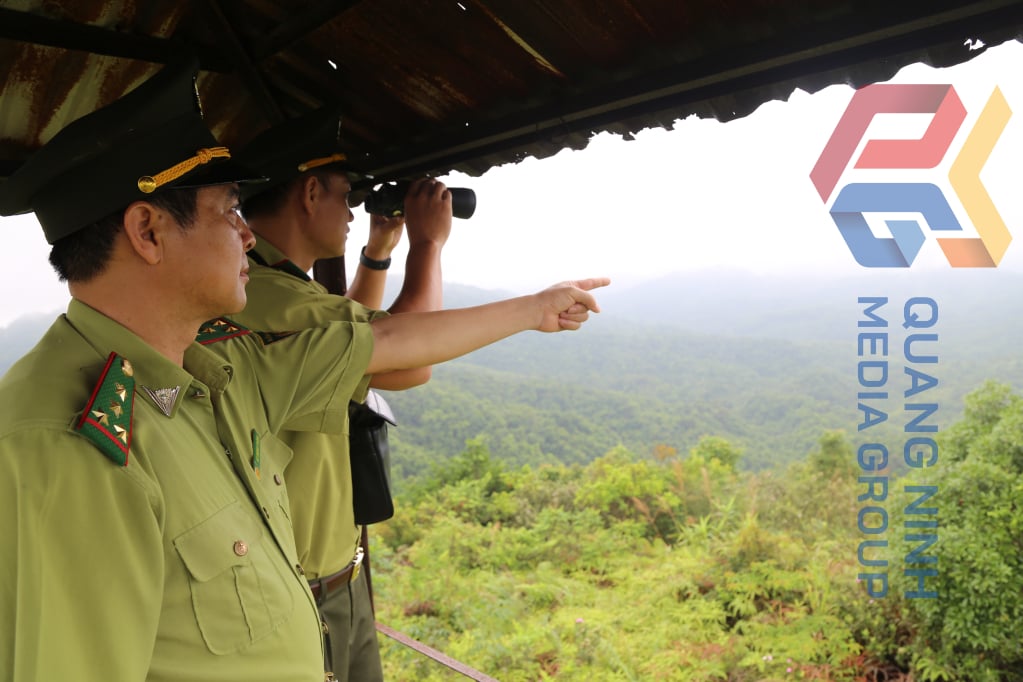
In recent years, Quang Ninh has achieved many positive results in afforestation. However, in 2024, Typhoon Yagi caused serious damage to more than 128,800 hectares of forest, reducing the forest cover rate from the maintained level of 55% to 45.5%. This loss makes the target of increasing the coverage rate to 50% by 2030 an urgent task, requiring fundamental solutions, especially in choosing suitable tree species.
According to calculations by forestry experts, to achieve the above target, the province needs to plant an average of 12,500 hectares of new forest per year. This requires a variety of alternative crops to replace fast-growing but less sustainable species, especially acacia trees, which were the most severely damaged after the storm, with more than 57,000 hectares completely damaged.
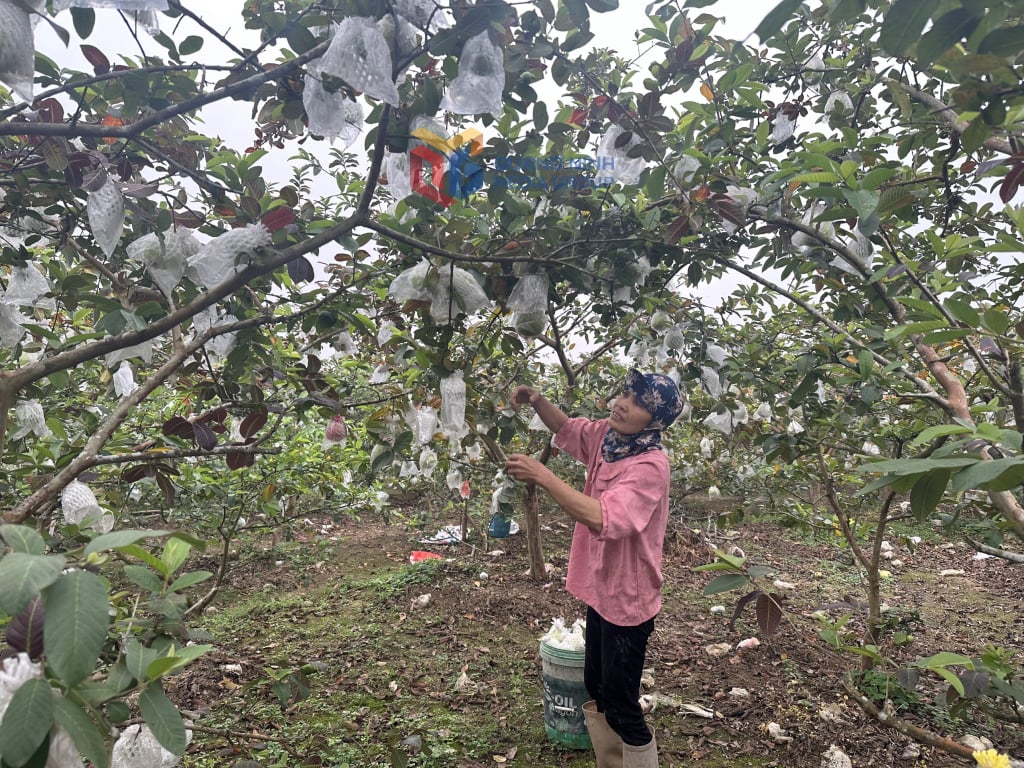
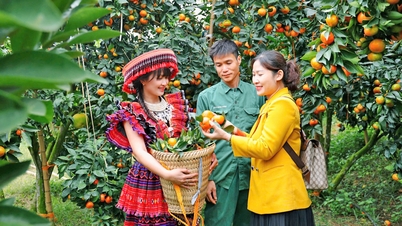
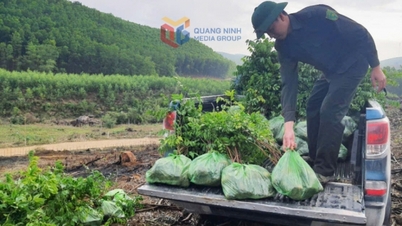
Adding native tree species and perennial fruit trees such as longan, lychee, mango, jackfruit, grapefruit, guava, and custard apple to the list of forestry trees is the right decision based on legal grounds and production practices. This is a group of woody trees with wide canopies, capable of growing well on forestry land, meeting the criteria for production forest trees according to the regulations of the Ministry of Agriculture and Environment.
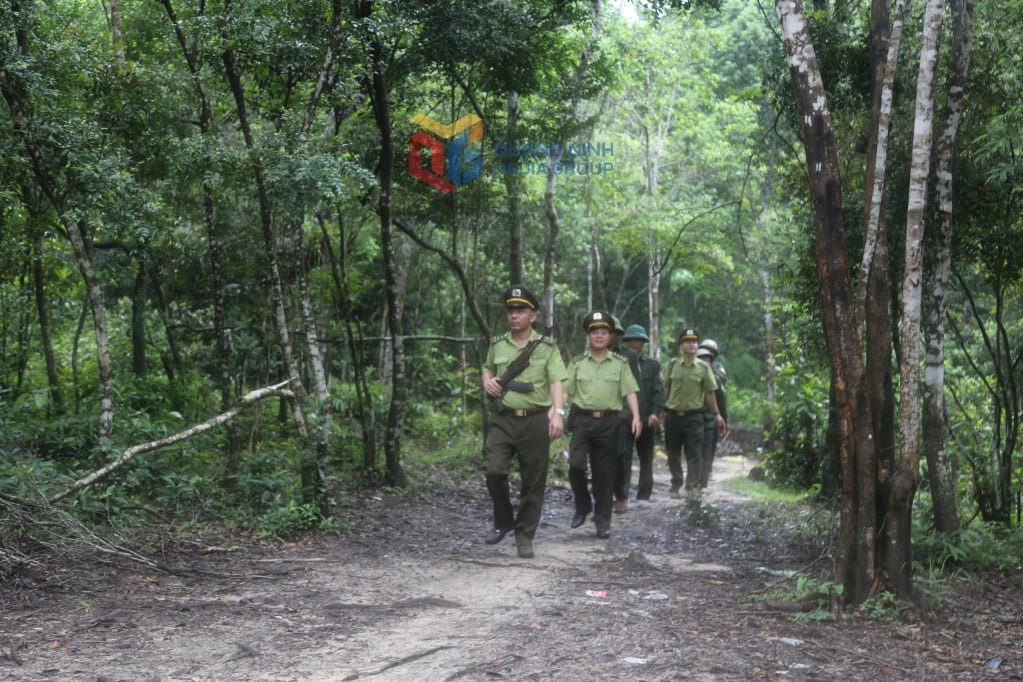
Quang Ninh currently has a large area with more than 227,000 hectares of planned production forest land. Adding more perennial tree species to the forest will help the locality be more flexible in building concentrated production areas, converting crop structures to suit local conditions, and increasing land use efficiency.
Acacia has been a main crop for many years, with a short cycle but low economic value, about 10-15 million VND/ha/year. The ecological efficiency of single-species acacia is also not sustainable. The group of perennial fruit trees that have been added are all multi-purpose species, with high commercial value and a stable market. With a basic construction time of 3-5 years, trees such as lychee, longan, mango, jackfruit, grapefruit, and custard apple can yield stable harvests for 15-25 years. The average income from fruit trees can reach over 200 million VND/ha/year, many times higher than growing acacia. Some trees such as lychee and longan yield 6-7 tons/ha/year, grapefruit and orange reach 4-5 tons/ha/year. The wood of the group of perennial fruit trees after exploitation can be used to make wooden furniture and construction materials, increasing the final value of the crop.
The recognition of 7 fruit tree species as key forestry trees helps people to grow and benefit legally on production forest land, solving many previous problems when the crops were not on the list, creating a "push" for sustainable and multi-value forest economic development.
In addition to economic value, the added tree species have woody characteristics, wide canopy and long lifespan, bringing many ecological environmental benefits, such as: Increasing sustainable forest cover thanks to thick canopy, long growing period; limiting erosion and soil leaching on steep slopes - where many production forest areas of the province are concentrated; improving soil fertility, supporting vegetation regeneration; increasing biodiversity, creating habitats for animals and plants; regulating microclimate, reducing negative impacts of natural disasters; creating many regular jobs for people in care, harvesting and processing. Thus, developing a multi-value forestry model not only increases income for people, but also contributes to better forest protection, creating sustainable livelihoods, and improving the efficiency of forest land use.
Decision No. 3881/QD-UBND of the Provincial People's Committee adding 7 forestry tree species (longan, lychee, mango, jackfruit, grapefruit, guava, custard apple) is an important step, in line with the policy of sustainable forestry development according to Resolution No. 19-NQ/TU (dated November 28, 2019) of the Provincial Party Committee "On sustainable forestry development in Quang Ninh province to 2025, vision to 2030".
The Department of Agriculture and Environment was assigned to preside over the appraisal of the plan, requiring localities to build concentrated production areas of 50 hectares or more, showing the province's strong and clear determination in developing the forest economy in a professional and methodical direction.
Source: https://baoquangninh.vn/chuyen-doi-co-cau-cay-trong-lam-nghiep-3386980.html


![[Photo] Cat Ba - Green island paradise](/_next/image?url=https%3A%2F%2Fvphoto.vietnam.vn%2Fthumb%2F1200x675%2Fvietnam%2Fresource%2FIMAGE%2F2025%2F12%2F04%2F1764821844074_ndo_br_1-dcbthienduongxanh638-jpg.webp&w=3840&q=75)


































![[VIMC 40 days of lightning speed] Da Nang Port: Unity - Lightning speed - Breakthrough to the finish line](https://vphoto.vietnam.vn/thumb/402x226/vietnam/resource/IMAGE/2025/12/04/1764833540882_cdn_4-12-25.jpeg)
































Comment (0)