

The resolution sets out the overall goal: striving to become a developing country with modern industry and high middle income by 2030; establishing a new growth model with science and technology, innovation, and digital transformation as the main driving forces; an efficient, unified, and sustainable national development spatial organization model, with dynamic regions, economic corridors, and growth poles playing a leading role in socio-economic development and enhancing national competitiveness; having a synchronous and modern basic infrastructure network; ensuring major balances and enhancing the resilience of the economy; ensuring energy security, food security, and water security; protecting the ecological environment and adapting to climate change; comprehensively developing human resources, improving the material and spiritual lives of the people; ensuring national defense and security; and enhancing Vietnam's position and prestige in the international arena.
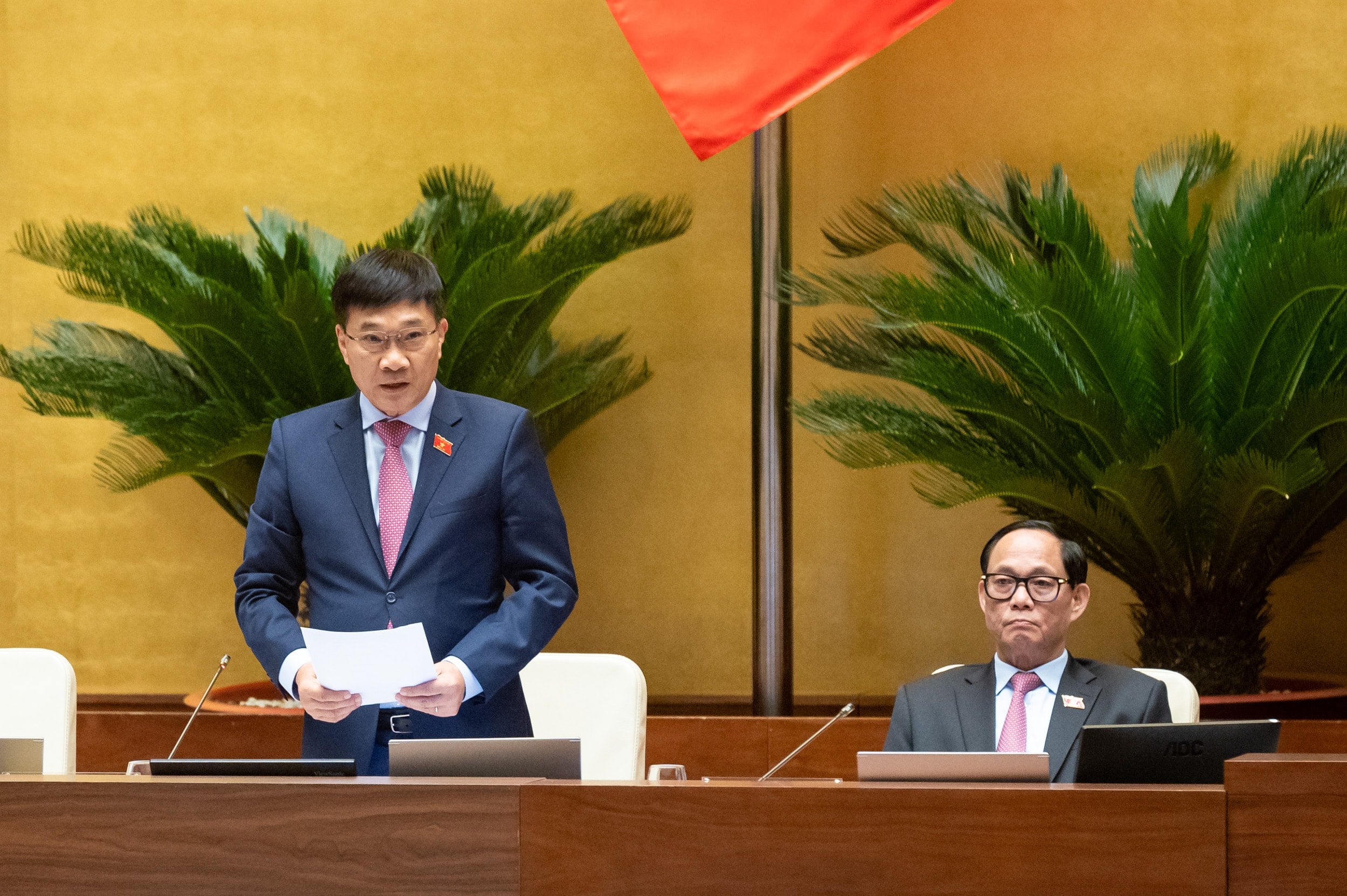
The specific economic targets are: striving for an average annual growth rate of Gross Domestic Product (GDP) exceeding 8.0% during the 2021-2030 period; with a growth rate of 10% or higher during the 2026-2030 period. By 2030, GDP per capita at current prices is expected to reach approximately US$8,500. The service sector's share of GDP is projected to exceed 50%, the industrial and construction sector over 40% (including approximately 28% for manufacturing), and the agriculture, forestry, and fisheries sector below 10%.
The average growth rate of social labor productivity is projected to reach approximately 7% per year during the period 2021-2030; with over 8.5% per year during the 2026-2030 period. The contribution of total factor productivity (TFP) to growth is expected to exceed 55%…
Continuing to leverage the advantages of each socio-economic region; focusing on developing the two dynamic regions in the North and South, linked to the two growth poles of Hanoi and Ho Chi Minh City, the North-South economic corridor, the Lao Cai - Hanoi - Hai Phong - Quang Ninh economic corridor, and the Moc Bai - Ho Chi Minh City - Bien Hoa - Vung Tau economic corridor, with synchronous and modern infrastructure, high growth rates, and significant contributions to the overall development of the country…
The resolution takes effect from the date of its adoption by the National Assembly.
Source: https://daibieunhandan.vn/quoc-hoi-thong-qua-nghi-quyet-sua-doi-bo-sung-mot-so-dieu-cua-nghi-quyet-so-81-2023-qh15-ve-quy-hoach-tong-the-quoc-gia-thoi-ky-2021-2030-tam-nhin-den-nam-2050-10399967.html













![[Video] National Assembly passes the amended Civil Servant Law with 92.39% of delegates voting in favor](https://vphoto.vietnam.vn/thumb/402x226/vietnam/resource/IMAGE/2025/12/10/1765379039932_1-6690-3945-png.webp)









![[Video] The craft of making Dong Ho folk paintings has been inscribed by UNESCO on the List of Crafts in Need of Urgent Safeguarding.](https://vphoto.vietnam.vn/thumb/402x226/vietnam/resource/IMAGE/2025/12/10/1765350246533_tranh-dong-ho-734-jpg.webp)
















































Comment (0)