

In his concluding remarks, Prime Minister Pham Minh Chinh stated that, alongside the achievements, the banking sector still has limitations and shortcomings. Interest rates, especially lending rates, remain high. Credit outstanding growth is low, and many businesses still find it difficult to access new credit. Non-performing loans continue to be processed but still pose many risks. The progress in handling weak credit institutions is slow. The monitoring and forecasting of the situation are not accurate; the resolution of difficulties and obstacles faced by people and businesses is sometimes slow and untimely…
According to the Prime Minister, in the coming period, the global situation is expected to continue to evolve rapidly, complexly, and unpredictably, with severe impacts on many areas. Domestically, difficulties and challenges outweigh opportunities and advantages; the pressure on macroeconomic management and direction remains very high. In management and direction, special attention should be paid to ensuring a harmonious and reasonable balance between: interest rates and exchange rates; growth and inflation; supply and demand; monetary policy and fiscal policy; and closely monitoring and understanding both domestic and external situations.
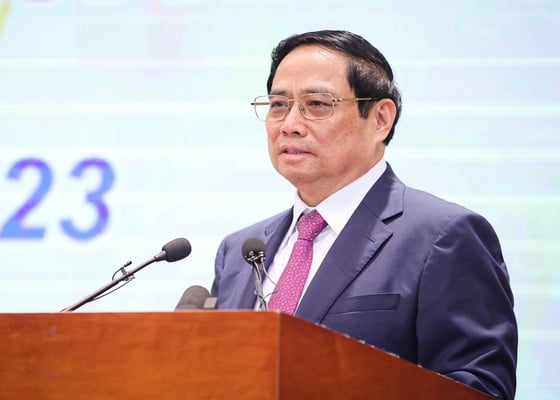 |
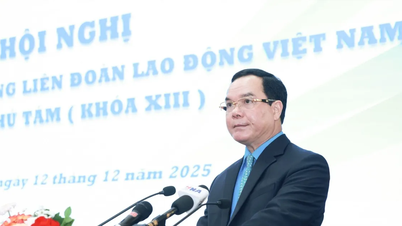
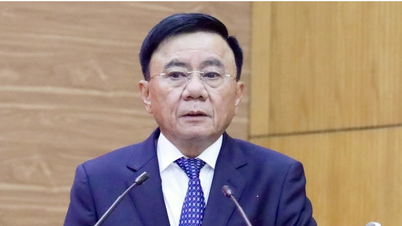
The Prime Minister called for decisive action to reduce interest rates, especially lending rates. Photo: VIET CHUNG |
The Prime Minister stated that, regarding policy direction, the government will continue to implement a proactive, flexible, and timely monetary policy that is easing effectively; coordinating synchronously, closely, and harmoniously with a rational, focused, effective, swift, and decisive expansionary fiscal policy.
The government and the Prime Minister's decision to shift monetary policy from "tight" (before October 2022) to "firm" (from October 2022) and further to "more flexible and relaxed" (from June 2023) is necessary and appropriate to meet practical requirements, alleviate difficulties for production and business, promote growth, and create jobs and livelihoods for the people.
The Prime Minister also noted that implementing a more flexible and easing monetary policy requires focus, targeted action, and control.
Regarding future tasks, the Prime Minister emphasized the need to implement proactive, flexible, and appropriate monetary policy measures, loosening them promptly and effectively to alleviate difficulties for production and business, promote growth while maintaining macroeconomic stability, and control inflation. It is crucial to thoroughly understand the situation to prioritize appropriate measures and utilize the four available tools—reserve requirements, refinancing, the interbank market, and the open market—in a coordinated and flexible manner.
Regarding credit activities, the Prime Minister requested the State Bank of Vietnam to focus on managing credit growth with a reasonable structure, meeting the credit capital needs of the economy; directing credit capital towards production and business, priority sectors and growth drivers.
Continue implementing synchronized and decisive solutions to reduce interest rates, especially lending rates. Determine credit growth limits appropriate to the actual situation. Direct a review of lending conditions and criteria to make adjustments that are more suitable and favorable, ensuring increased access to credit for people and businesses, especially small and medium-sized enterprises. Accelerate the implementation of the 40,000 billion VND interest rate support package and the 120,000 billion VND social housing loan package.
The Prime Minister also requested the banking sector to participate in developing a healthy corporate bond market. To create favorable conditions for well-performing businesses to raise capital through bond issuance to support economic recovery, he recently directed the Ministry of Finance to specifically classify bonds into categories to implement appropriate measures: bonds with the ability to repay; bonds with low repayment capacity; and bonds with no repayment capacity.
Furthermore, the banking sector actively participates in resolving difficulties and obstacles, contributing to the development of a safe, healthy, and sustainable real estate market. Strict action will be taken against acts of disseminating inaccurate, misleading, or distorted information that harm the healthy and transparent operation of financial, credit, and real estate markets.
Source



























![[Image] Close-up of the newly discovered "sacred road" at My Son Sanctuary](/_next/image?url=https%3A%2F%2Fvphoto.vietnam.vn%2Fthumb%2F1200x675%2Fvietnam%2Fresource%2FIMAGE%2F2025%2F12%2F13%2F1765587881240_ndo_br_ms5-jpg.webp&w=3840&q=75)





















































Comment (0)