

Broccoli, a member of the cruciferous vegetable family, is one of the most popular vegetables in the world due to its high nutritional value.
Not only is broccoli a familiar ingredient in everyday dishes, but it is also praised by health experts as a "superfood" that helps prevent disease and boost overall health. With its low calorie count but high fiber and vitamin content, this vegetable is suitable for all ages, from children to the elderly.

Broccoli is low in calories and rich in fiber and vitamins (Photo: Unsplash).
What's in broccoli, the "superfood"?
Broccoli is a treasure trove of essential nutrients. A serving of about 100g contains approximately 35 calories, over 5g of soluble and insoluble fiber, which helps you feel full longer and supports the digestive system.
In terms of vitamins, broccoli excels with vitamin C (more than 100% of the daily requirement), supporting the immune system by boosting white blood cell production and acting as an antioxidant, helping the body fight infections and premature aging.
Abundant vitamin K (approximately 100mcg) plays a crucial role in blood clotting and bone health, working in conjunction with calcium and magnesium to prevent osteoporosis, especially in menopausal women.
Additionally, beta-carotene in broccoli helps protect the eyes and skin. Meanwhile, B vitamins such as folate (B9), riboflavin (B2), pyridoxine (B6), and thiamin (B1) support energy production, cell repair, and tissue development.
In terms of minerals, broccoli provides potassium, which helps regulate blood pressure and cardiovascular function; iron, which supports red blood cell production and prevents anemia; and calcium, which helps strengthen bones.
In particular, cruciferous vegetables like broccoli contain sulforaphane – a powerful antioxidant compound derived from glucoraphanin, activated by the enzyme myrosinase.
Sulforaphane helps eliminate toxins, inhibits cancer cell growth, reduces inflammation, and protects the liver from damage. Studies show that regular consumption of foods containing sulforaphane may reduce the risk of breast, colon, and lung cancer by fighting free radicals.
Additionally, the fiber in broccoli helps control bad cholesterol (LDL), stabilizes blood sugar, reduces the risk of type 2 diabetes, and supports cardiovascular health by preventing atherosclerosis.
How to cook broccoli to retain maximum nutrients.
According to Associate Professor Stephanie Johnson of the Nutrition Department at Rutgers School of Medicine, to maximize the benefits of nutrients, especially the heat-sensitive sulforaphane in broccoli, people should only cook this food at medium temperatures (around 100-120 degrees Celsius) for a short time, only 3-5 minutes.
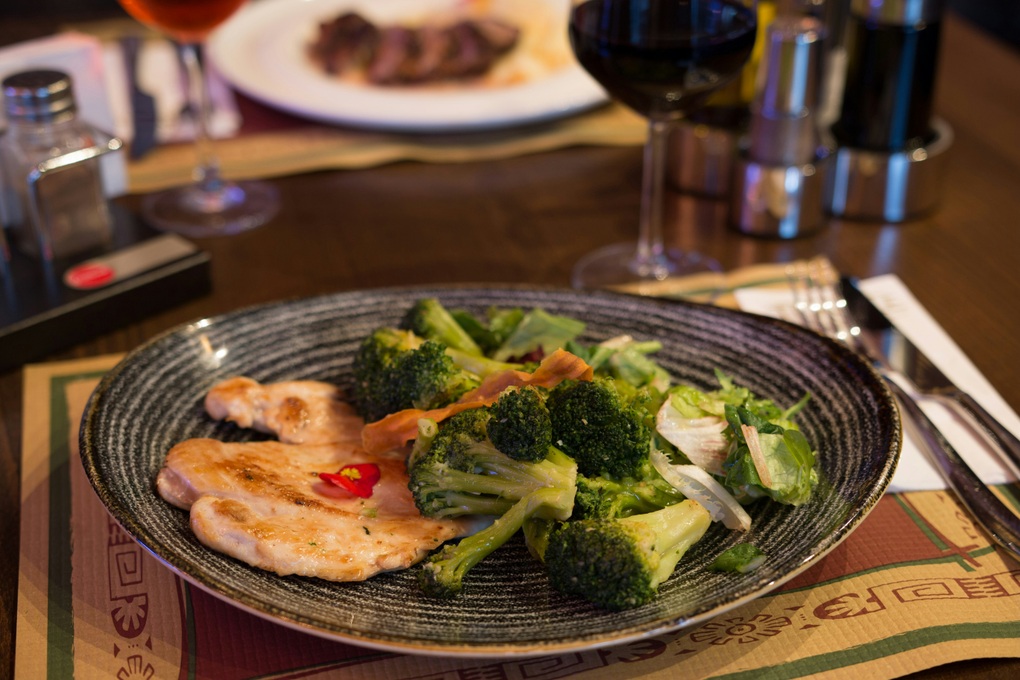
Broccoli should only be cooked at moderate temperatures for a short time to avoid losing nutrients (Photo: Unsplash).
Additionally, a key tip when preparing broccoli is to cut it into small pieces and let it rest for about 90 minutes before cooking. This process activates the enzyme myrosinase, which converts glucoraphanin into sulforaphane more efficiently, even though heat later inactivates the enzyme.
In addition, steaming (2-3 minutes) or eating broccoli raw is also a method recommended by many scientists to preserve vitamin C and fiber.
People should also avoid boiling or deep-frying broccoli for too long, as boiling water destroys up to 90% of sulforaphane and water-soluble vitamin C, leading to a waste of nutrients.
With these benefits, nutrition experts encourage everyone to eat broccoli daily. A serving of broccoli, about 150-300g per day, provides essential nutrients without exceeding calorie limits, supporting immunity, bone and joint health, cardiovascular health, and cancer prevention.
According to Health Shots , eating too much broccoli (more than 2 cups per day) can lead to digestive problems such as bloating or diarrhea due to its high fiber content. Additionally, excessive consumption can cause nutritional imbalances if not combined with other foods.
Broccoli also contains goitrogens, natural compounds that can interfere with the absorption of iodine, which is necessary for the production of thyroid hormones.
When consumed in large quantities raw, this compound can impair thyroid function. This can lead to thyroid enlargement (goiter) or worsen hypothyroidism. Therefore, people with thyroid problems should limit their consumption of raw broccoli and prefer cooked broccoli (steamed or lightly stir-fried) to neutralize goitrogens.
Broccoli is a high-quality source of vitamin K. Approximately 91g of broccoli can provide about 116% of the daily requirement for women and 83% for men.
Vitamin K plays a crucial role in blood clotting but can also interact with anticoagulant medications such as warfarin. Therefore, those taking warfarin need to maintain stable vitamin K levels, limit broccoli to 1-2 cups per day, and consult their doctor before making any dietary changes.
Source: https://dantri.com.vn/suc-khoe/sai-lam-khi-che-bien-sieu-thuc-pham-khien-mon-an-mat-chat-20250909144926698.htm

















![[Photo] Prime Minister Pham Minh Chinh holds a phone call with the CEO of Russia's Rosatom Corporation.](/_next/image?url=https%3A%2F%2Fvphoto.vietnam.vn%2Fthumb%2F1200x675%2Fvietnam%2Fresource%2FIMAGE%2F2025%2F12%2F11%2F1765464552365_dsc-5295-jpg.webp&w=3840&q=75)















































Comment (0)