

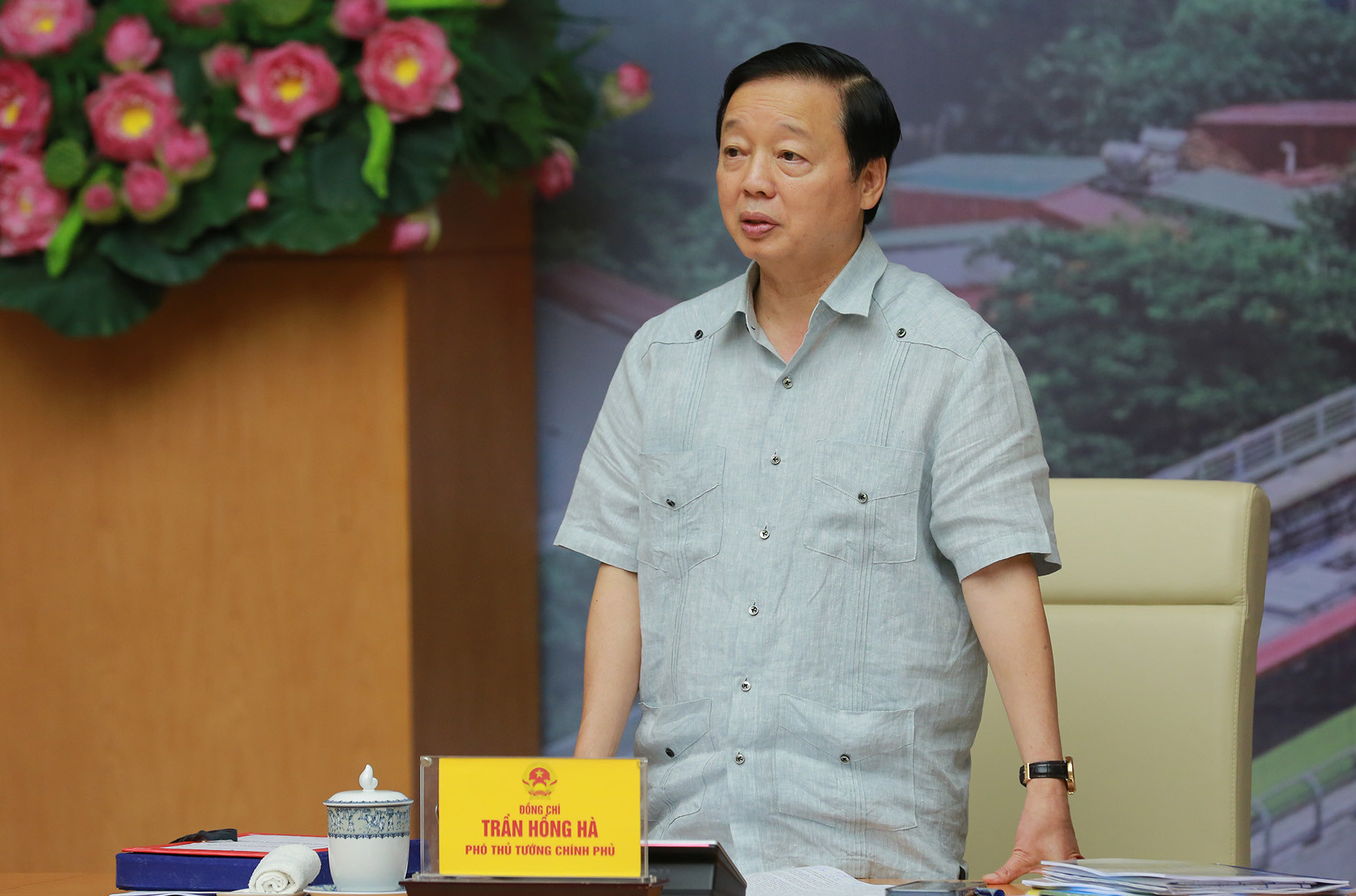
This morning, Deputy Prime Minister Tran Hong Ha chaired the second meeting of the Task Force assisting the Steering Committee to direct the progress of urban railway projects in Hanoi and Ho Chi Minh City.
Two projects to develop the urban railway network in Hanoi and Ho Chi Minh City.
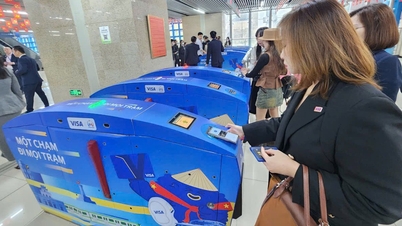
According to Deputy Minister of Transport Nguyen Danh Huy, Hanoi has so far developed a plan to complete the Nhon - Hanoi Station railway line; conducted trial operations of the elevated section; completed fire safety approval; and trained personnel.
The Ministries of Transport, Construction, and Finance have directed the implementation of system safety assessment and certification; organized on-site inspections and reviewed acceptance conditions; finalized procedures and signed loan allocation agreements for the underground section; and established an environmental permit appraisal council.
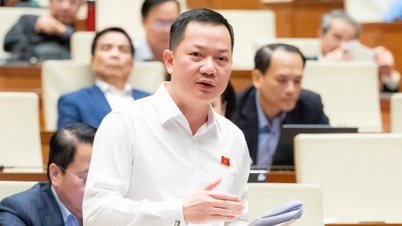
According to Duong Duc Tuan, Vice Chairman of the Hanoi People's Committee, the elevated section of the Nhon - Hanoi Station railway line is expected to be completed and put into operation by the end of July.
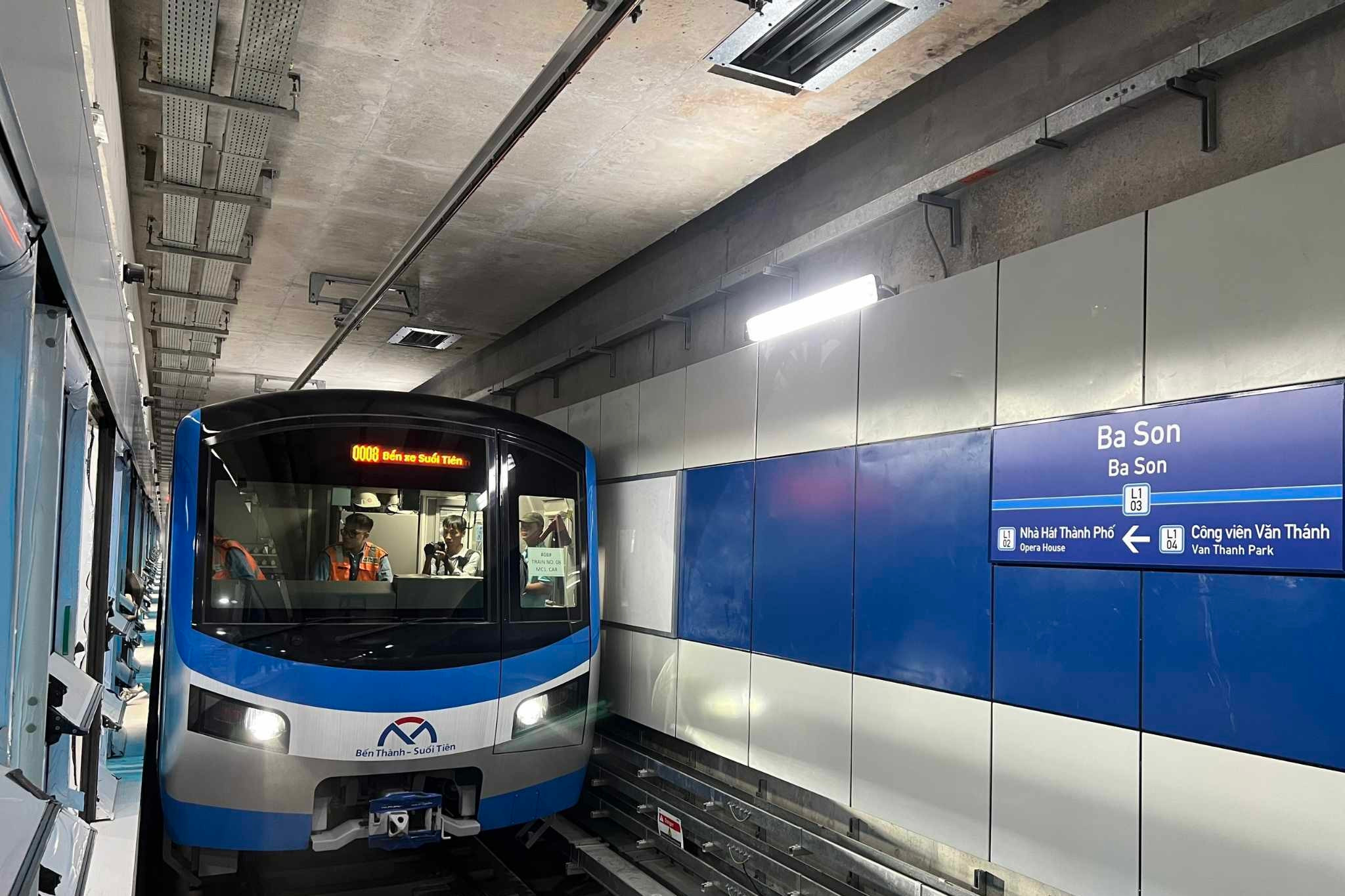
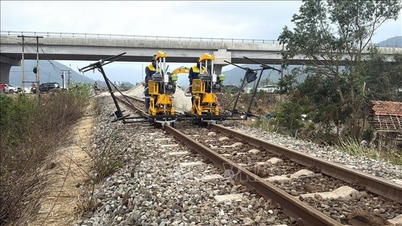
Meanwhile, the Ben Thanh - Suoi Tien railway project (Ho Chi Minh City) has completed the procedures for adjusting the implementation time and has submitted a report to the competent authorities for consideration and allocation of investment capital.
Ho Chi Minh City is accelerating the completion of the remaining construction items; conducting trial runs, operating the system, reporting on system safety, conducting fire safety acceptance testing, obtaining environmental approvals, etc., in order to put it into operation in December.
At the meeting, the Task Force heard reports and provided feedback on the content of two projects for developing the urban railway network of Hanoi and Ho Chi Minh City until 2035, including specific mechanisms and policies, and resource mobilization plans suitable to the socio-economic development situation of each city and the country as a whole.
These are large, complex projects involving many disciplines, and the legal framework still faces many obstacles. Therefore, thorough research, analysis, and evaluation are needed, combining international experience and practical investment implementation over the past period to propose objectives and solutions for building a modern and integrated urban railway system.
Urban railway network planning with a hundred-year vision
Concluding the meeting, Deputy Prime Minister Tran Hong Ha acknowledged that, following the first meeting, the members of the Task Force had completed 9 out of 16 assigned tasks and would continue to implement the remaining 7 tasks according to plan, with a scientific, specific, practical, effective approach and clear accountability.
The Deputy Prime Minister urged Hanoi and Ho Chi Minh City to strive to put into operation the elevated sections of the Nhon - Hanoi Station railway line and the Ben Thanh - Suoi Tien railway line ahead of schedule.
Regarding the two urban railway network development projects in Hanoi and Ho Chi Minh City, the Deputy Prime Minister requested a consensus on viewpoints, objectives, tasks, solutions, and general policy mechanisms, while also taking into account the specific characteristics of each locality. The Ministry of Transport is responsible for compiling and submitting the proposals to the competent authorities in accordance with regulations.
The Deputy Prime Minister noted that the urban railway networks of Hanoi and Ho Chi Minh City must be synchronously connected with the North-South high-speed railway, including: stations, technical design standards for tracks, locomotives, carriages, operating systems, etc.
In addition, the two cities need to select top-tier design consulting firms to finalize and evaluate the urban railway network plan with a century-long vision.
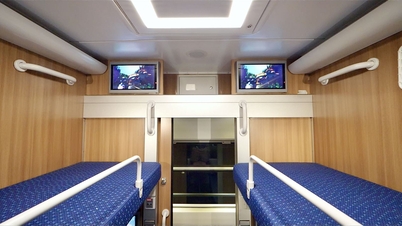
The Deputy Prime Minister requested that the experiences of several countries with developed and modern subway networks be consulted. This will serve as the basis for the two proposals to develop comprehensive and feasible solutions for receiving and transferring technology for underground construction, locomotives, carriages, management, operation, and human resource training… with the aim of building a synchronized and modern railway industry.
The Deputy Prime Minister assigned the Ministry of Finance to take the lead and coordinate with relevant ministries and agencies to assess the overall impact on the economy of urban railway development projects in Hanoi and Ho Chi Minh City, the North-South high-speed railway, and the feasibility of balancing public investment capital.
Hanoi and Ho Chi Minh City need to continue to coordinate closely with ministries and agencies to develop policy packages and plans to mobilize social resources at the highest level through forms such as TOD (Transit-Oriented Development), PPP (Public-Private Partnership), BOT (Build-Operate-Transfer), etc.
The Deputy Prime Minister emphasized that the mechanisms and policies for developing urban railway networks in Hanoi and Ho Chi Minh City must be synchronized, feasible, specific, clearly outlining the methods, who will be responsible, where the obstacles lie, and proposing solutions to the competent authorities.
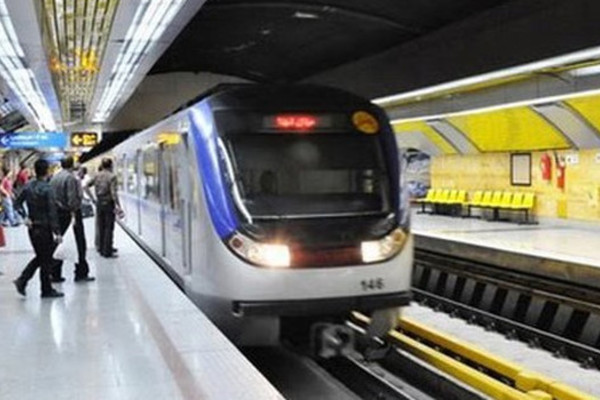
Without focusing resources on building subway systems for Hanoi and Ho Chi Minh City, the country cannot progress further.
Research on building a subway system in Hai Phong.

Source: https://vietnamnet.vn/sap-khai-thac-2-tuyen-duong-sat-do-thi-moi-tai-ha-noi-va-tphcm-2302873.html


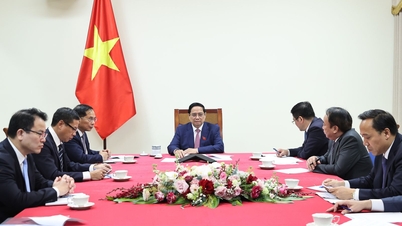
![[Photo] Prime Minister Pham Minh Chinh holds a phone call with the CEO of Russia's Rosatom Corporation.](/_next/image?url=https%3A%2F%2Fvphoto.vietnam.vn%2Fthumb%2F1200x675%2Fvietnam%2Fresource%2FIMAGE%2F2025%2F12%2F11%2F1765464552365_dsc-5295-jpg.webp&w=3840&q=75)
![[Photo] Closing Ceremony of the 10th Session of the 15th National Assembly](/_next/image?url=https%3A%2F%2Fvphoto.vietnam.vn%2Fthumb%2F1200x675%2Fvietnam%2Fresource%2FIMAGE%2F2025%2F12%2F11%2F1765448959967_image-1437-jpg.webp&w=3840&q=75)






































![[OFFICIAL] MISA GROUP ANNOUNCES ITS PIONEERING BRAND POSITIONING IN BUILDING AGENTIC AI FOR BUSINESSES, HOUSEHOLDS, AND THE GOVERNMENT](https://vphoto.vietnam.vn/thumb/402x226/vietnam/resource/IMAGE/2025/12/11/1765444754256_agentic-ai_postfb-scaled.png)









































Comment (0)