

Thousands of tourists are flocking to Dien Bien to join the rest of the country in commemorating the "70th Anniversary of the Dien Bien Phu Victory".
During these historic days, a reporter from Giao Thong Newspaper visited these locations to experience the model of wartime historical tourism at sites that have now become "red addresses" for educating future generations about revolutionary traditions.
Join PV Giao Thong Newspaper in exploring the Dien Bien travel guide through the article below, so you can gain a certain amount of knowledge and easily understand the routes to visit historical sites.
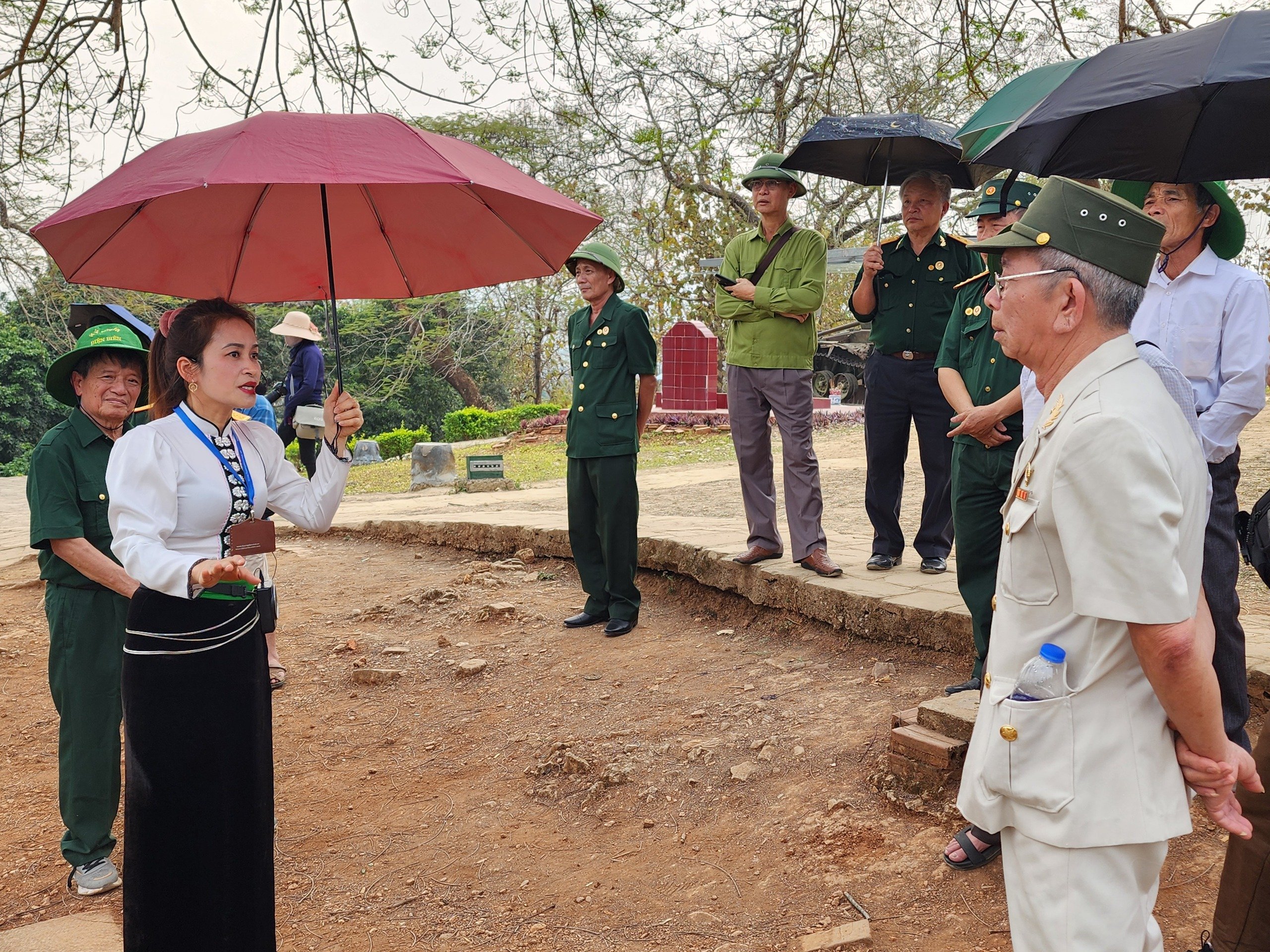
The model of war history tourism attracted a large number of visitors to Dien Bien during the 70th anniversary of the Dien Bien Phu Victory.
Dien Bien has a tropical monsoon climate in the highlands, with relatively cold and dry winters; and hot, rainy summers. Currently, April is also one of the hottest months in Dien Bien.
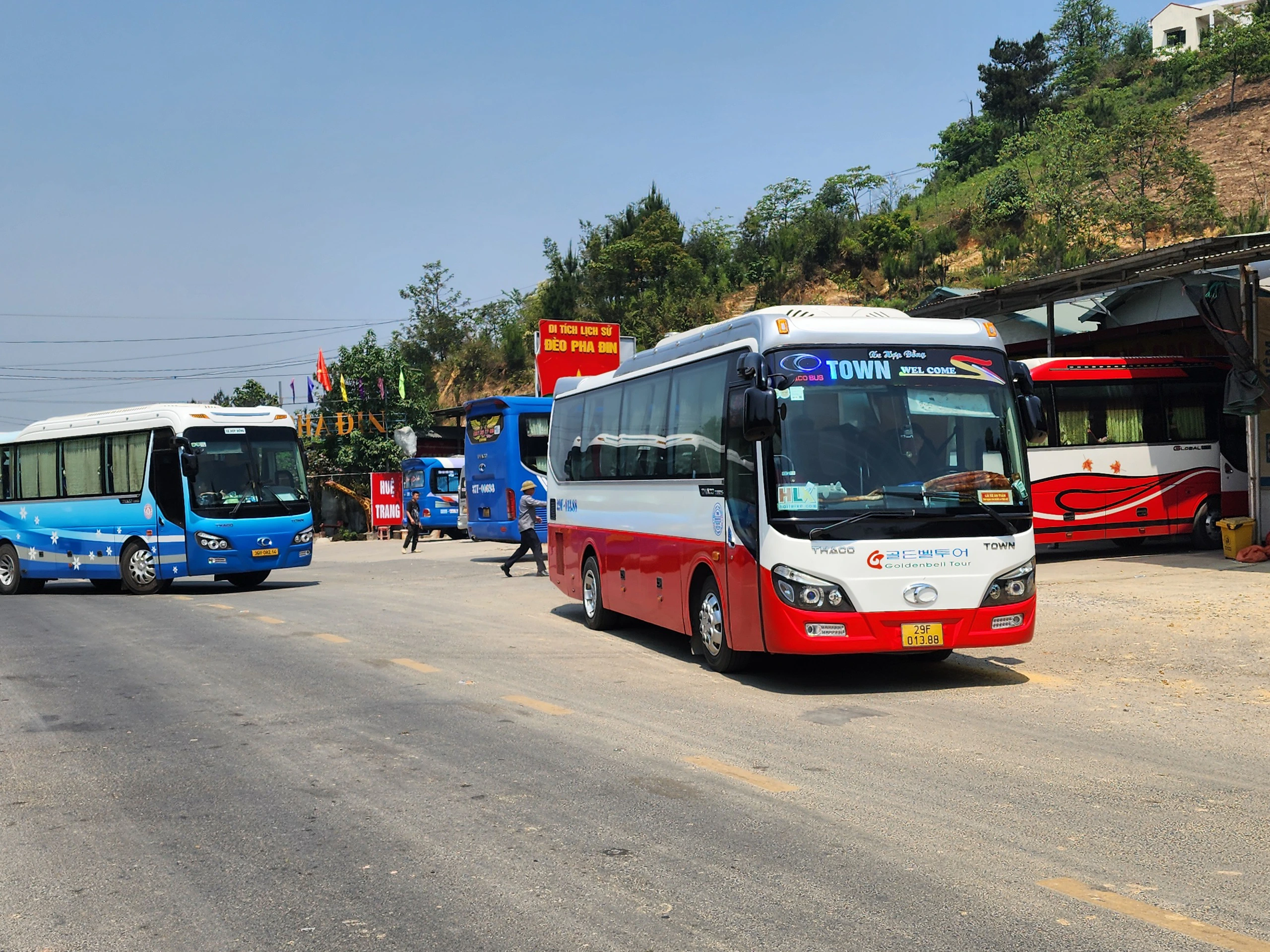
Convoys of vehicles streamed in to visit the Dien Bien Phu stronghold.
To travel to Dien Bien, tourists can choose from two modes of transportation: air and road. If choosing to travel by road, tourists can take National Highway 6 from Hanoi through Hoa Binh province or via Provincial Roads 87, 32, and 37 through Hoa Binh and Son La. The travel time is approximately 10 hours.
Next, the Dien Bien Phu Victory Monument complex is the most important part of the itinerary for visiting historical sites in Dien Bien province. Most of these places are located close together, so visitors can conveniently visit them in one afternoon.
Dien Bien Phu Historical Victory Museum
If visitors have the opportunity to visit Dien Bien, they should choose the museum as their first destination on their historical tour. This will help visitors gain a comprehensive understanding and a deeper appreciation of the significance of the historical sites that follow.
Located at Street 1, Muong Thanh Ward, Dien Bien Phu City, Dien Bien Province, the Dien Bien Phu Historical Victory Museum was built in 1984 to commemorate the 30th anniversary of the historic Dien Bien Phu victory.
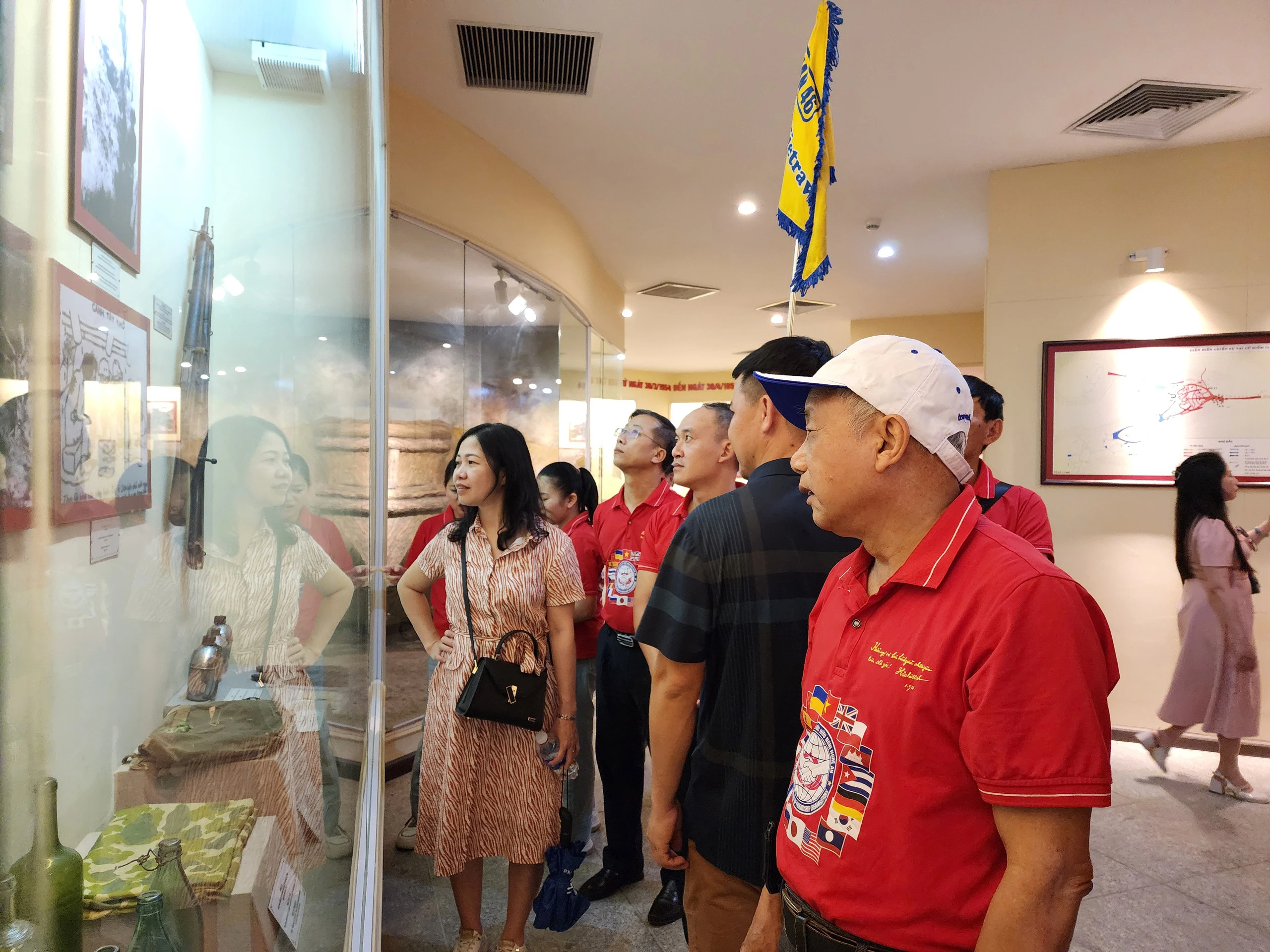
The visiting groups were excited to experience and learn about the artifacts from the wartime period.
The museum has five exhibition areas with more than 1,000 artifacts and 122 paintings organized by theme: The strategic location of Dien Bien Phu; The enemy's fortified complex at Dien Bien Phu; The Party's preparation of the guiding principles for the Dien Bien Phu campaign; The impact of the Dien Bien Phu victory; Dien Bien Phu today.
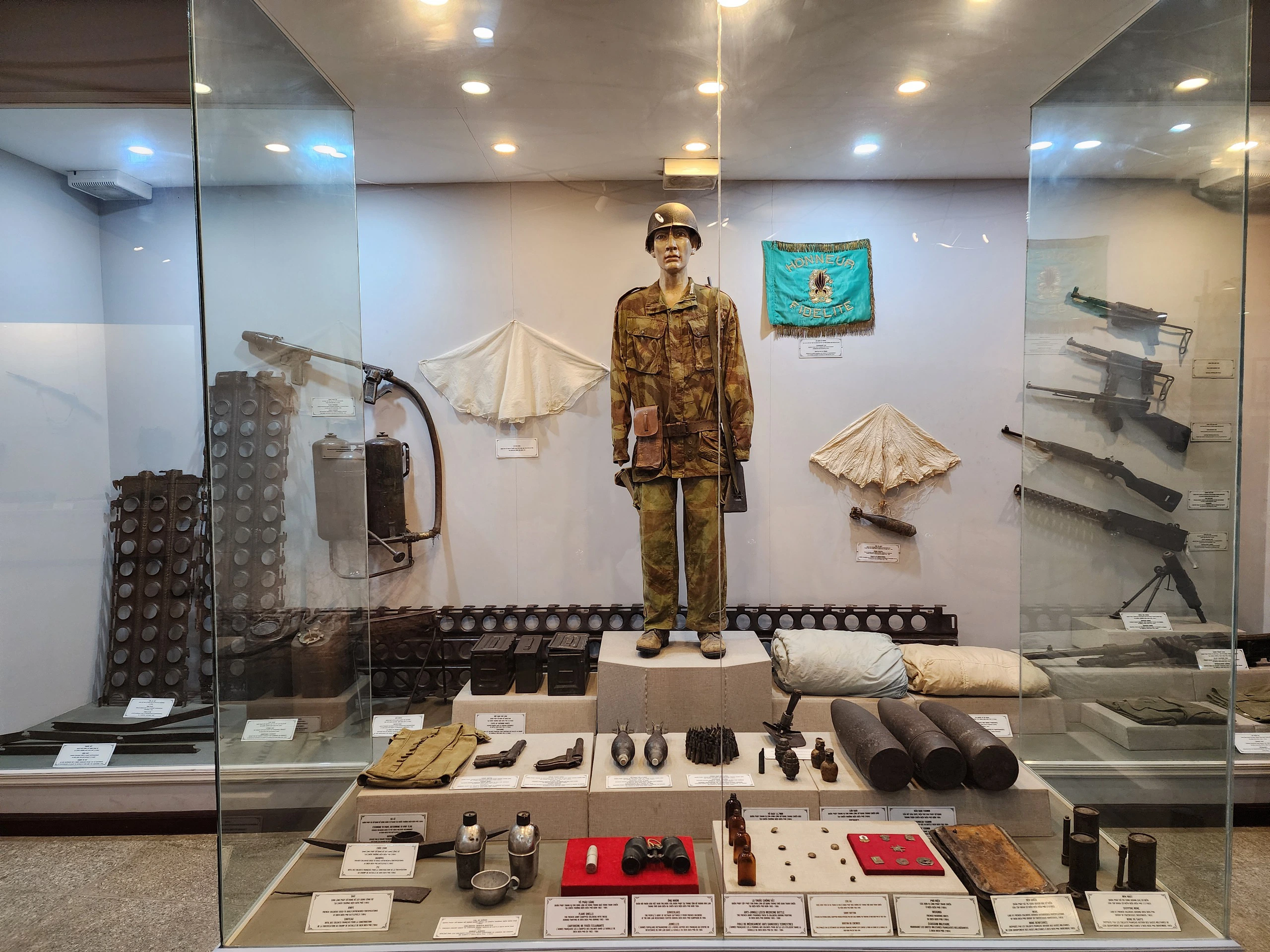
The artifacts are on display at the museum.
In particular, when visiting the museum, tourists will be able to admire the world's largest panoramic painting, "The Battle of Dien Bien Phu". The painting vividly and engagingly depicts all stages of the Dien Bien Phu Campaign.
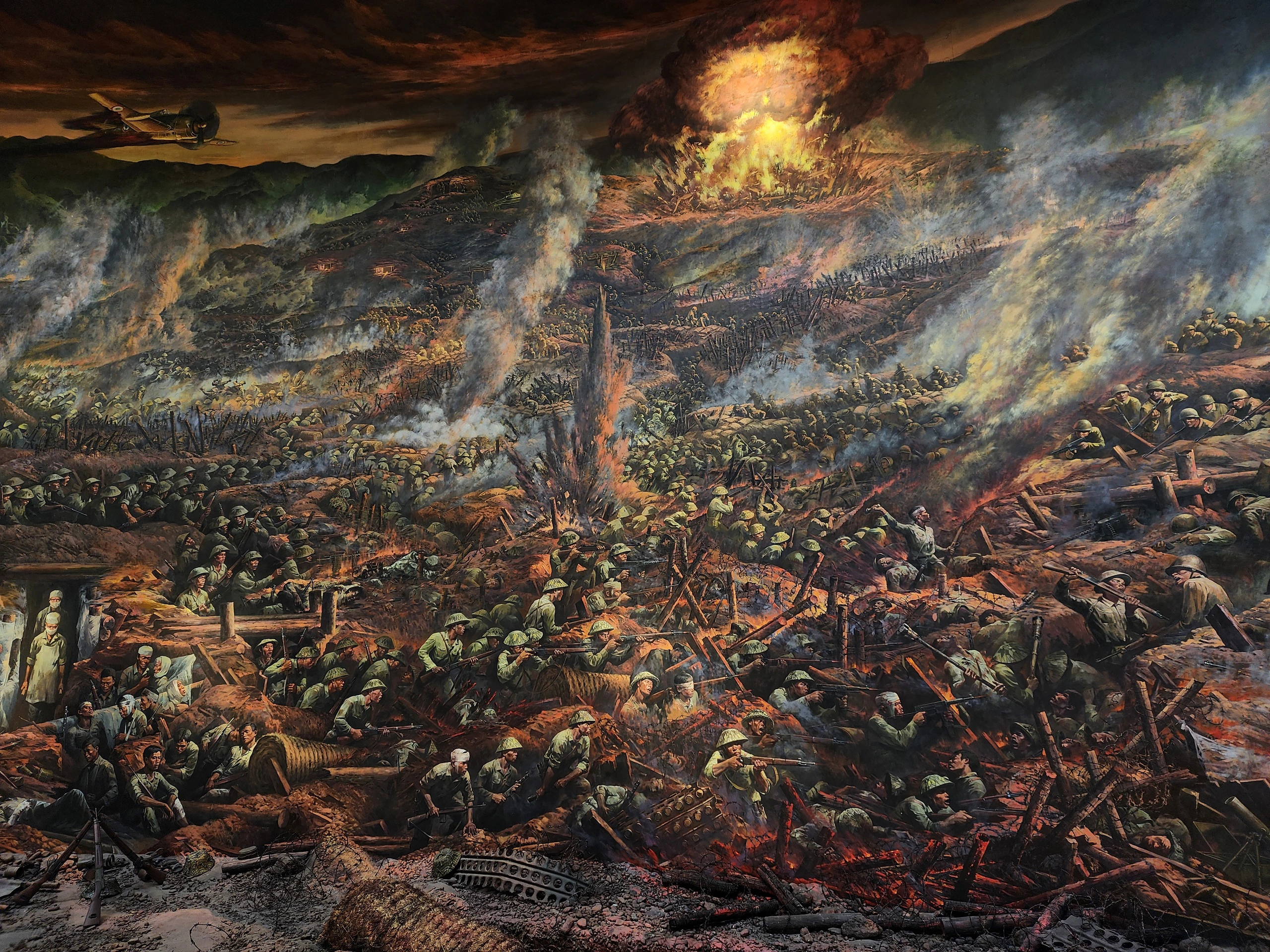
The world's largest panoramic painting on the theme of war is on display at the Dien Bien Phu Historical Victory Museum.
A1 Hill
Located in Muong Thanh ward, Dien Bien Phu city, Hill A1 was one of the most important strongholds of the battle, considered the "throat" protecting the central area.
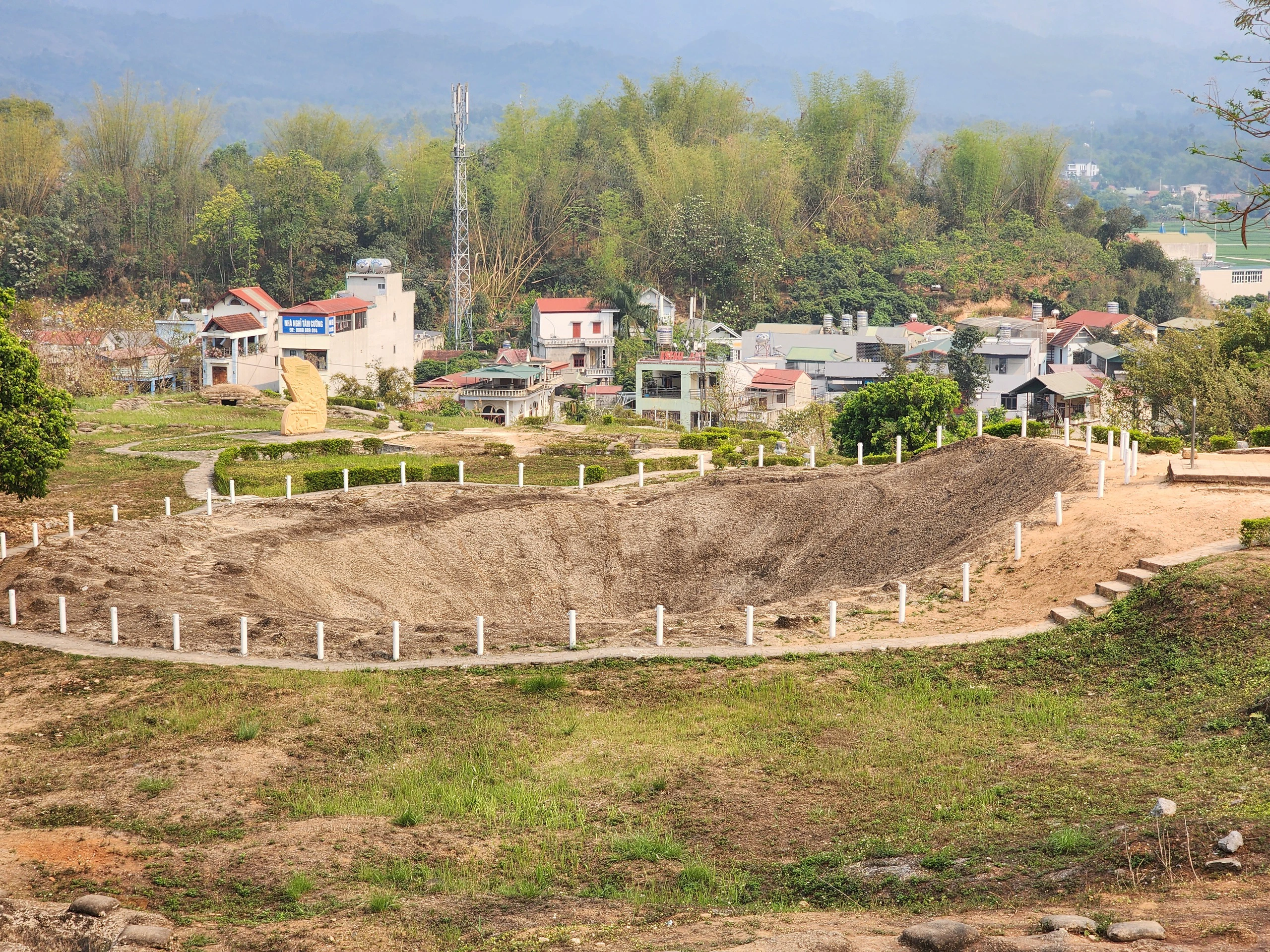
The site where the crater remains at Hill A1.
The name A1 was given to the hill by the Vietnamese army; it had several other names before. Around A1, the French built a system of barbed wire fences in various shapes. On top of the hill was a fortified bunker, which had been the wine cellar of the French consulate before 1945.
The bunker was divided into two compartments, one of which served as the workplace for the radio communications department. The bunker was constructed of sturdy materials, with solid brick walls and a thick concrete roof. Even today, traces of the crater created by 960 kg of explosives can still be seen on Hill A1.
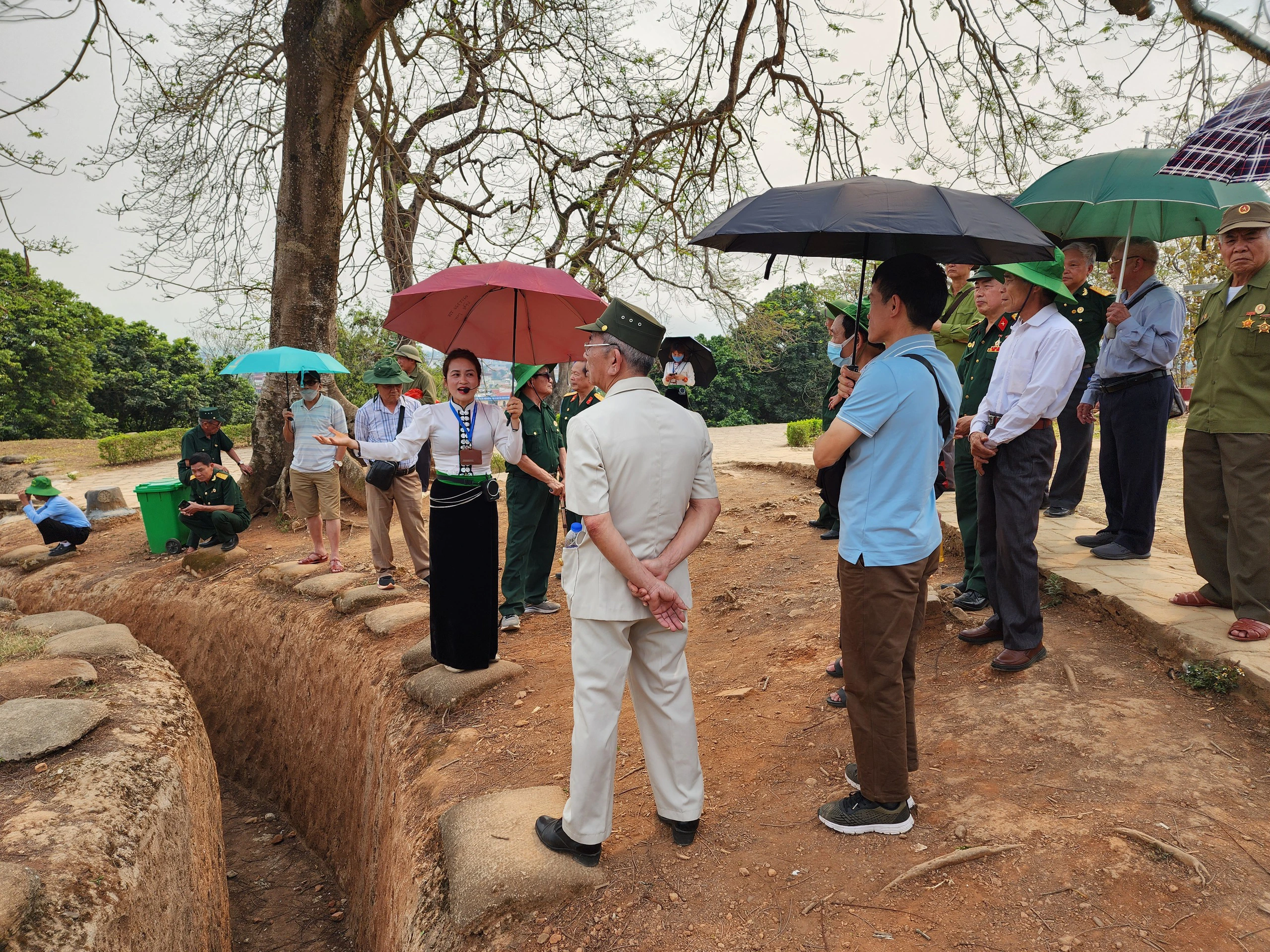
Tourists listen attentively to the tour guide's explanation at Hill A1.
De Castries Tunnel
Once hailed as the most fortified bunker in Indochina, General De Castries' command bunker at Dien Bien Phu was a meticulously constructed structure by the French colonialists, located in the heart of the Dien Bien Phu fortified complex, in the Muong Thanh plain, Dien Bien district, Dien Bien province.
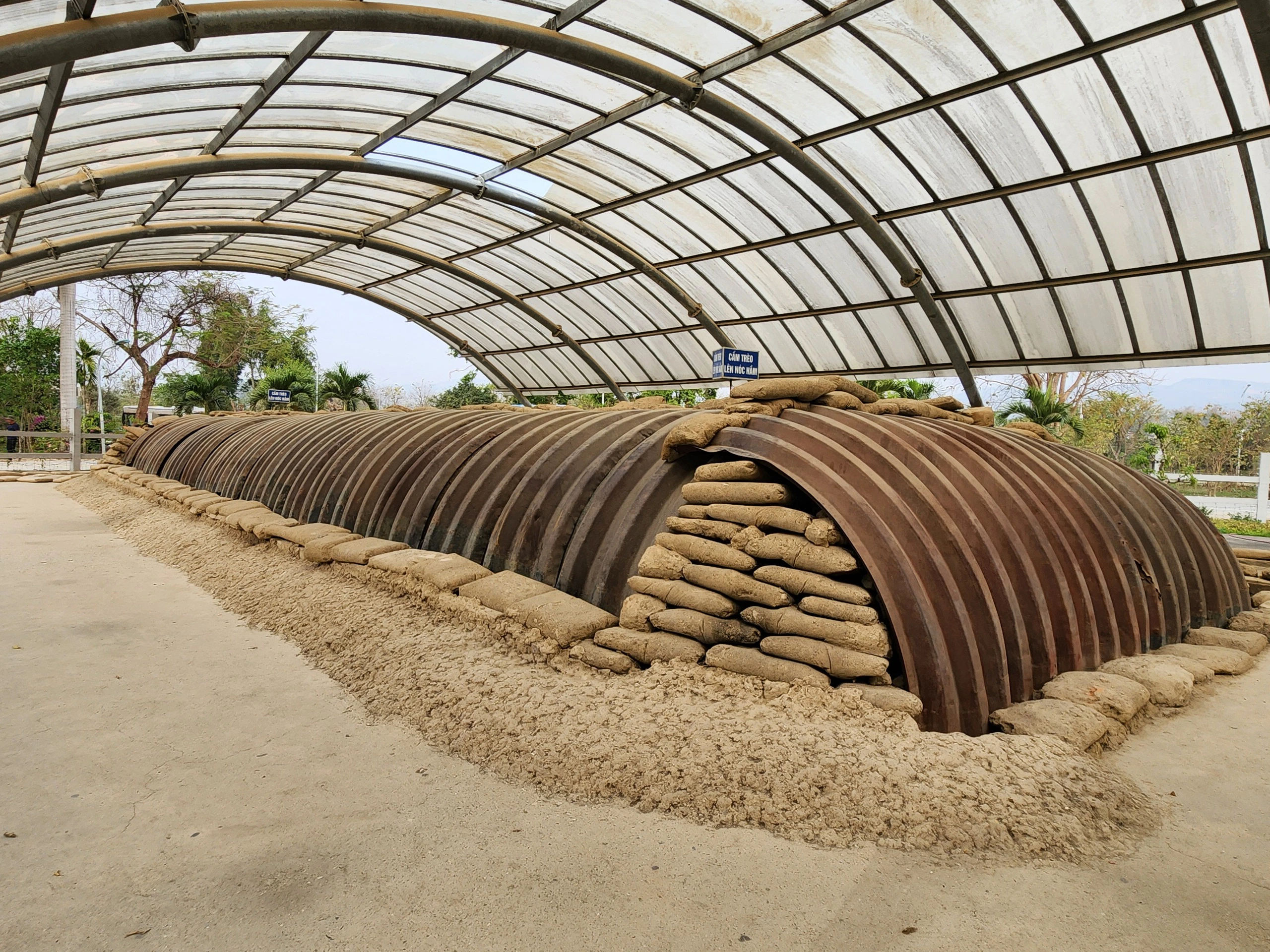
The De Castries bunker ruins.
Today, the structure and layout of the bunker remain unchanged. Surrounding the bunker is a defensive perimeter with a dense barbed wire fence and four tanks. The De Castries bunker is 20 meters long and 8 meters wide, comprising four rooms used as both living and working quarters for General De Castries and his soldiers.
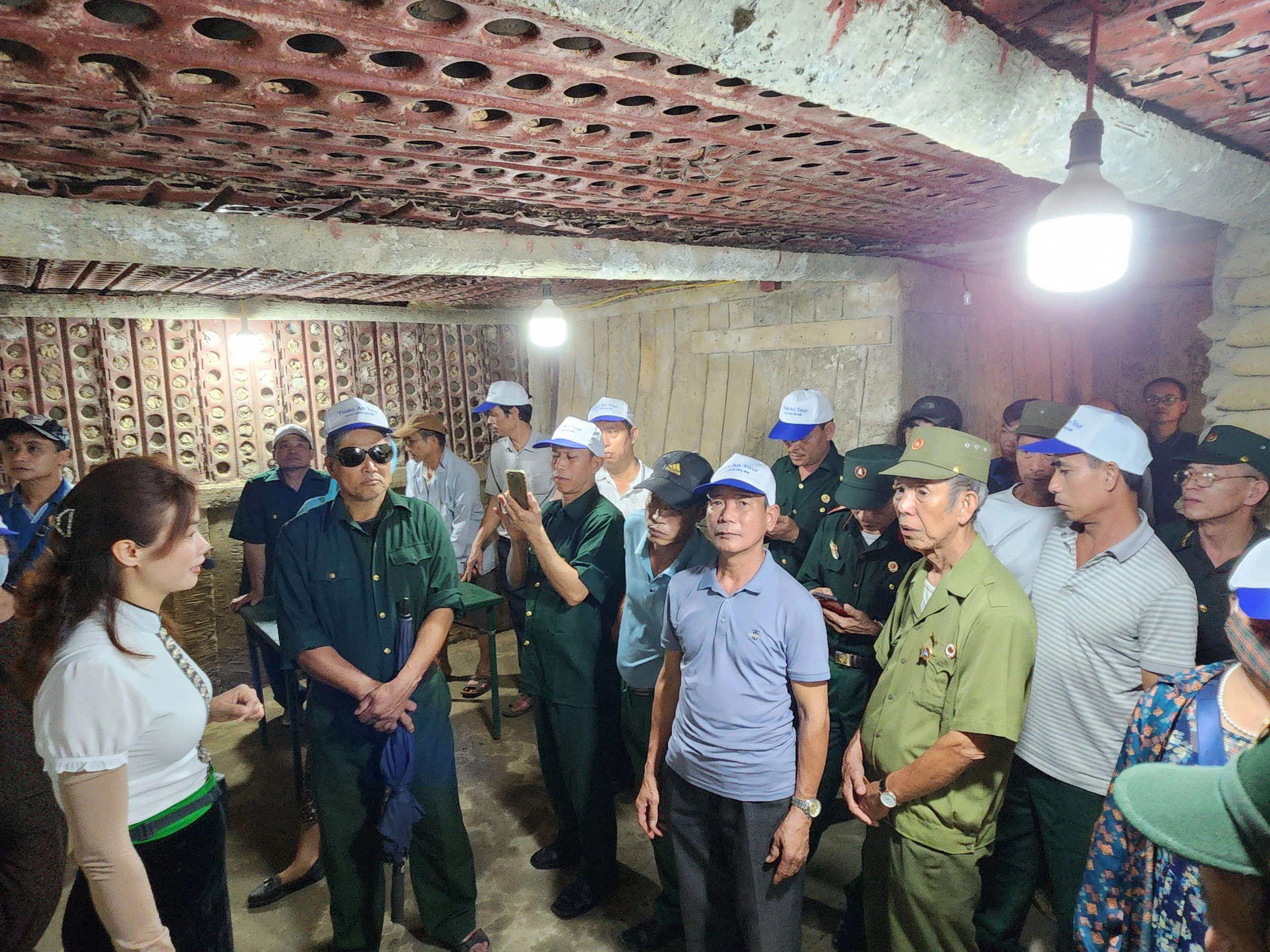
The tunnel's sturdy structure impressed visitors.
The campaign headquarters was located in Muong Phang.
The Dien Bien Phu Campaign Command Post site in Muong Phang is located at an altitude of over 1,000m above sea level, hidden under the canopy of ancient forests, at the foot of Pu Don mountain, about 40km from the center of Dien Bien Phu city.
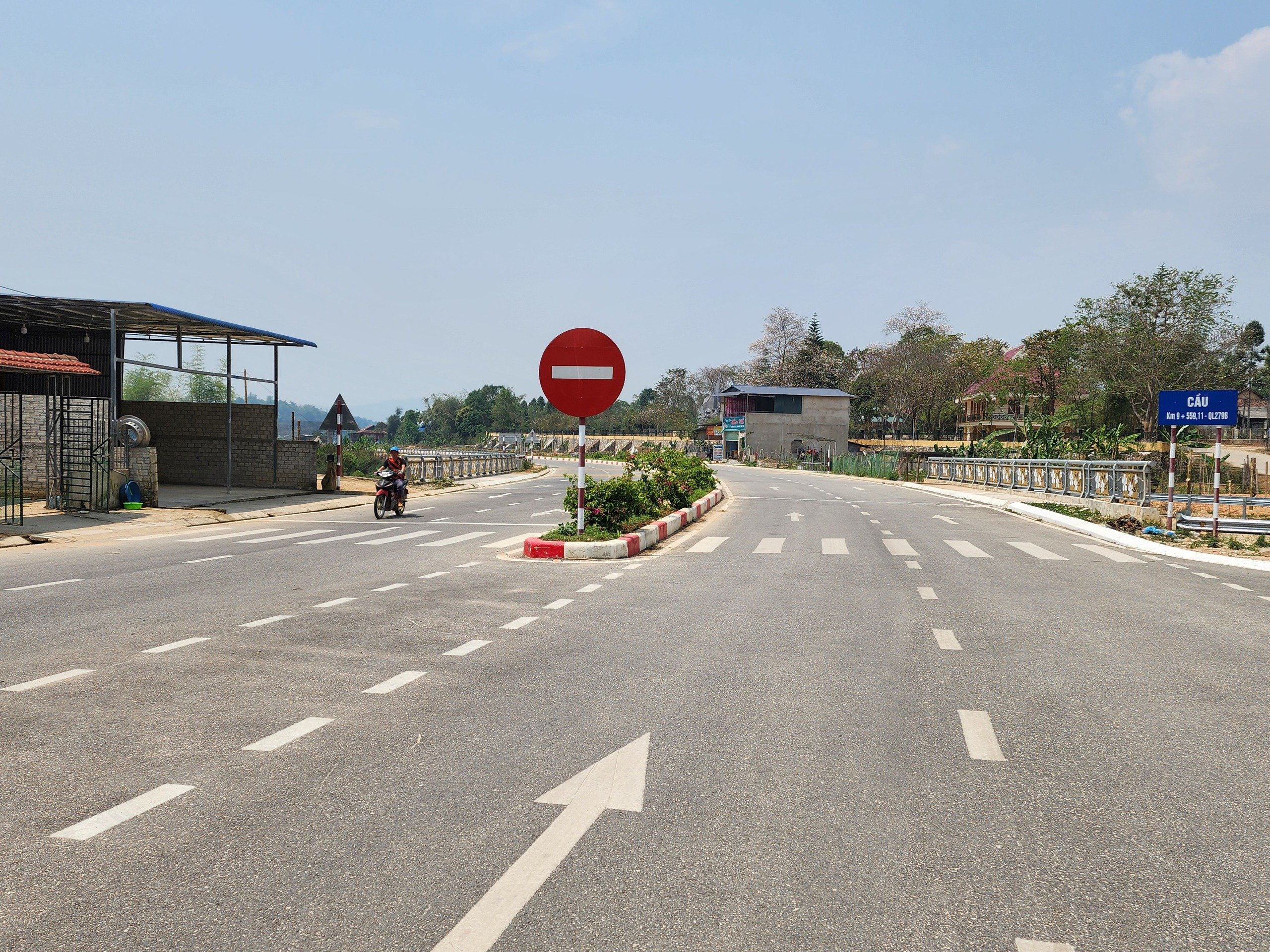
The road leading to the Dien Bien Phu Campaign Command Post historical site in Muong Phang has been beautifully constructed to serve tourists.
Muong Phang was the third and final location of the Third Command Post of the Dien Bien Phu Campaign (from January 31, 1954 to May 15, 1954). Here, General Vo Nguyen Giap, Commander-in-Chief, and the Campaign Command issued decisive attack directives and orders, culminating in the order for a general offensive across the entire front on the morning of May 7, 1954, leading to the victory that "shook the world and resonated across five continents."
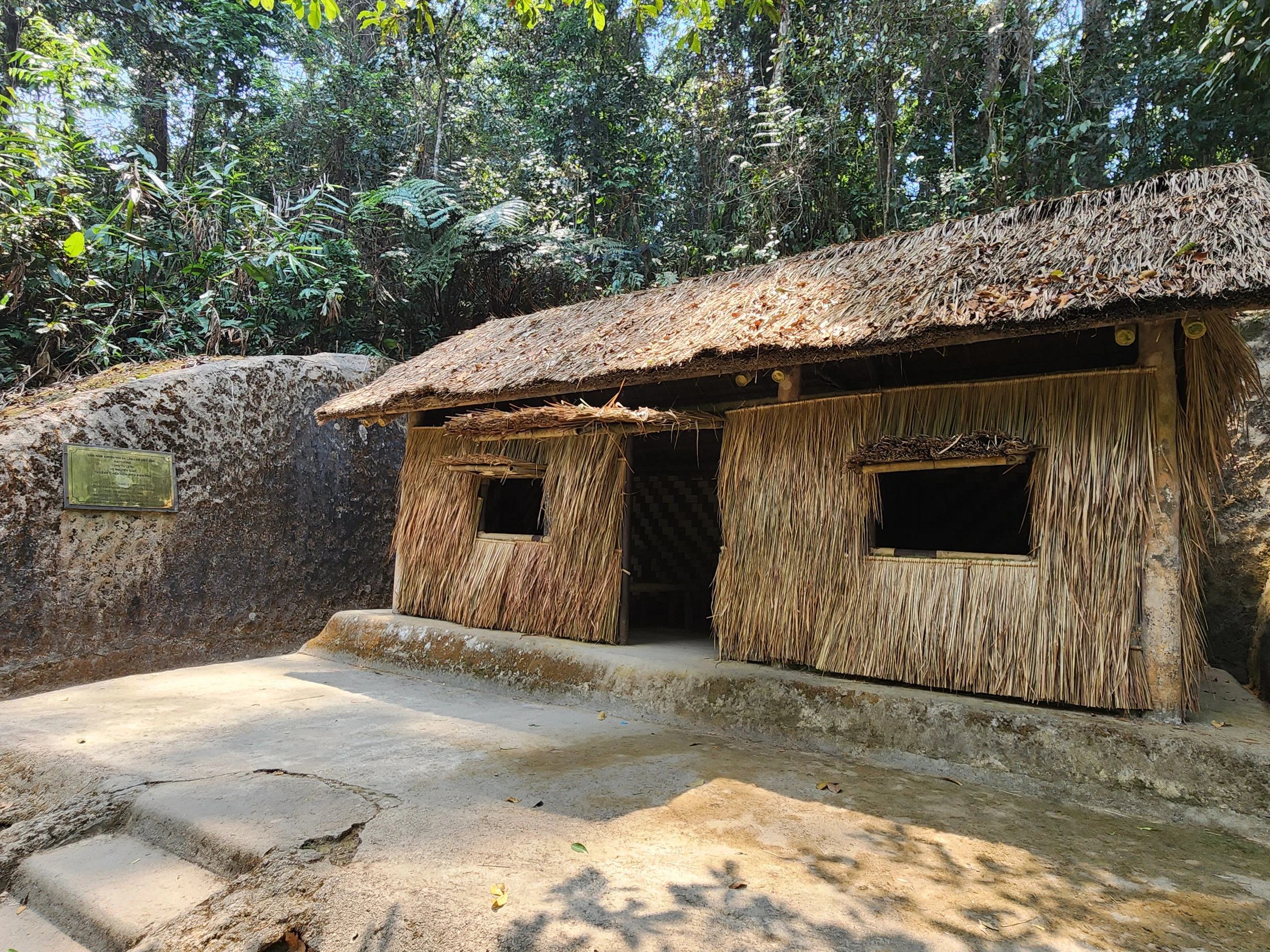
General Vo Nguyen Giap's working hut.
This place still preserves many historical relics such as: the living and working quarters of General Vo Nguyen Giap, Deputy Chief of General Staff Hoang Van Thai, Head of Communications Hoang Dao Thuy… Despite going through many ups and downs of time, the Dien Bien Phu Campaign Command Post still retains the pristine and heroic beauty of the nation's history.
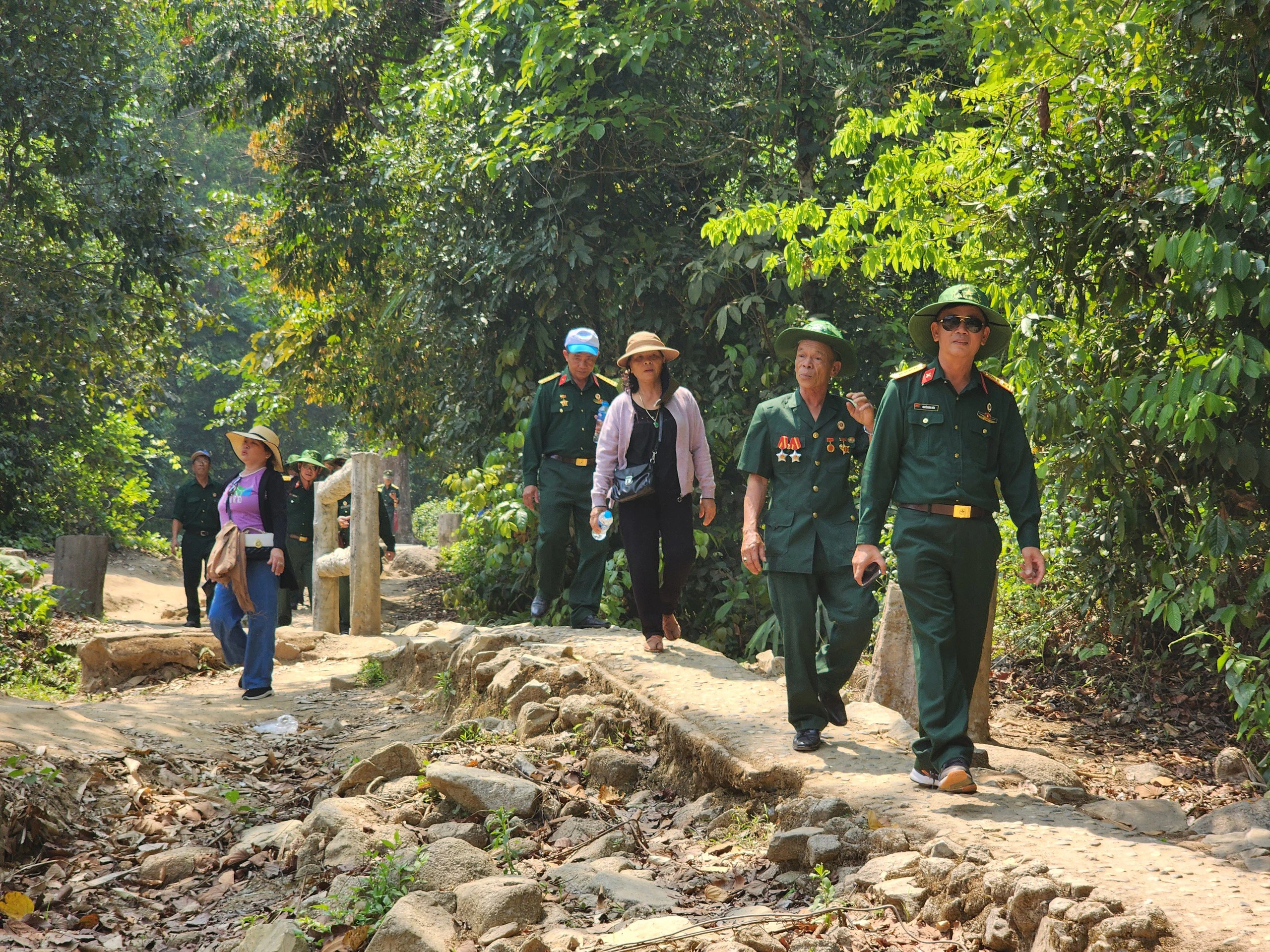
Many visitors to Dien Bien are veterans and former youth volunteers.
In addition to historical sites and attractions, Dien Bien province is organizing many meaningful activities to commemorate the 70th anniversary of the Dien Bien Phu victory, taking place from now until the end of the third quarter of 2024. Visitors can refer to the schedule of these activities here.
Source



![[Photo] Closing Ceremony of the 10th Session of the 15th National Assembly](/_next/image?url=https%3A%2F%2Fvphoto.vietnam.vn%2Fthumb%2F1200x675%2Fvietnam%2Fresource%2FIMAGE%2F2025%2F12%2F11%2F1765448959967_image-1437-jpg.webp&w=3840&q=75)

![[Photo] Prime Minister Pham Minh Chinh holds a phone call with the CEO of Russia's Rosatom Corporation.](/_next/image?url=https%3A%2F%2Fvphoto.vietnam.vn%2Fthumb%2F1200x675%2Fvietnam%2Fresource%2FIMAGE%2F2025%2F12%2F11%2F1765464552365_dsc-5295-jpg.webp&w=3840&q=75)








































![[OFFICIAL] MISA GROUP ANNOUNCES ITS PIONEERING BRAND POSITIONING IN BUILDING AGENTIC AI FOR BUSINESSES, HOUSEHOLDS, AND THE GOVERNMENT](https://vphoto.vietnam.vn/thumb/402x226/vietnam/resource/IMAGE/2025/12/11/1765444754256_agentic-ai_postfb-scaled.png)






















![[Infographic] Preventing students from making their own firecrackers: 7 things parents need to know](https://vphoto.vietnam.vn/thumb/402x226/vietnam/resource/IMAGE/2025/12/11/1765466656703_img_0320_20251211183542.jpeg)
















Comment (0)