

Supplementing policies for the development of urban railways and high-speed railways.
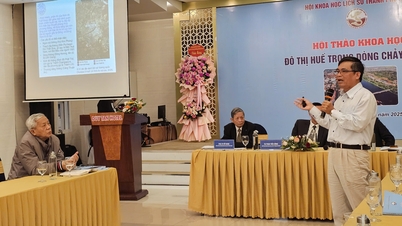
Today (September 15th), the Ministry of Transport organized a workshop to gather opinions on policy contents for the draft proposal to amend the Railway Law.
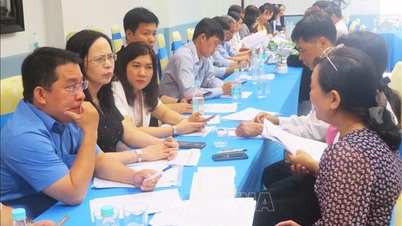
The conference was held in a hybrid format, combining in-person and online participation, with the involvement of ministries, departments, businesses, and 34 connection points in 34 provinces and cities with railway lines.
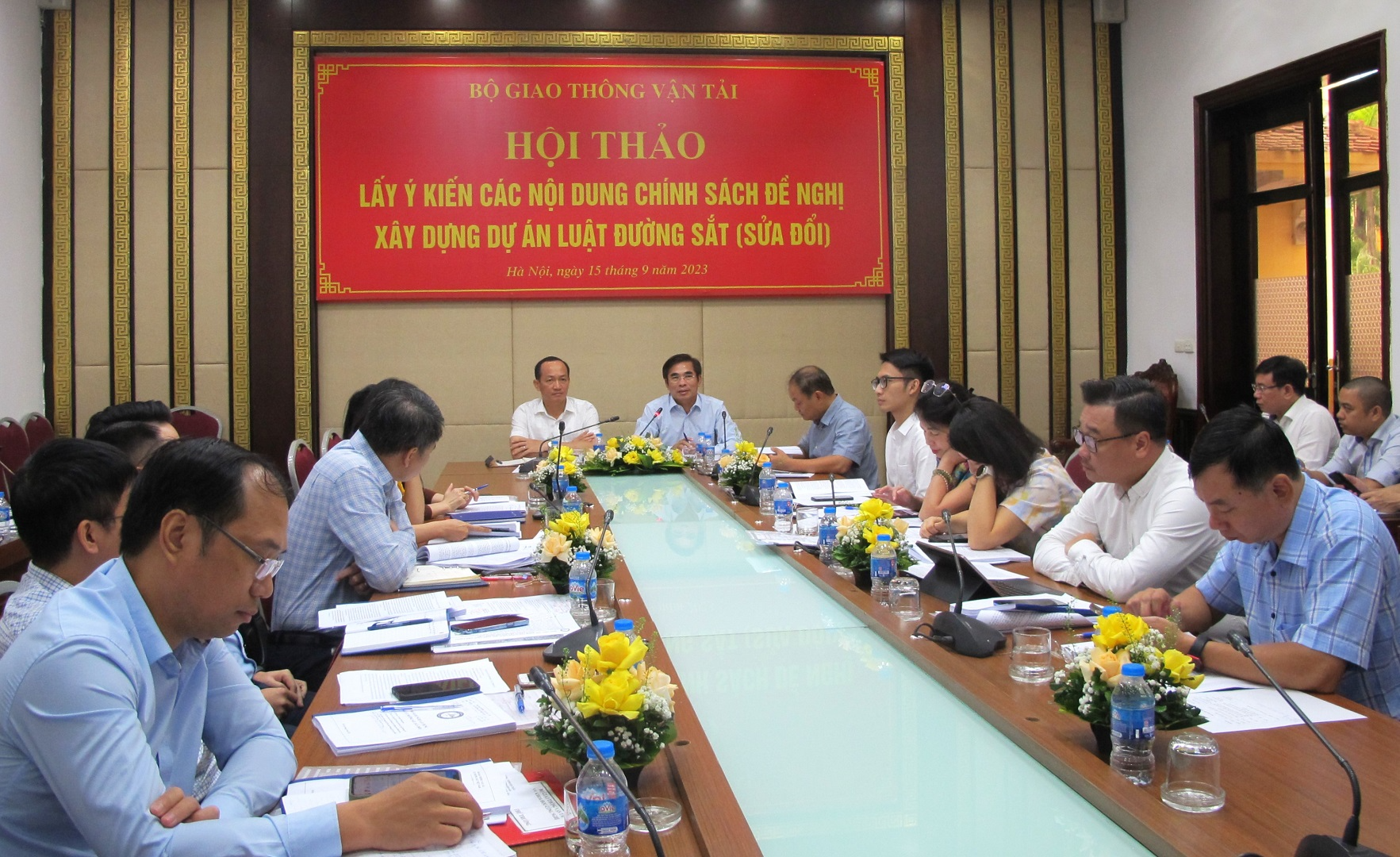
At the workshop, delegates proposed adding specific railway development policies to the draft Railway Law (amended).
According to Deputy Director of the Vietnam Railway Department Nguyen Huy Hien, the Railway Law, which came into effect on July 1, 2018, has created an important legal framework for the management, investment, and operation of railway infrastructure and railway transport business. It clearly distinguishes between state management and business, encourages economic entities to participate in the investment and development of railway infrastructure and railway transport business, and ensures fair and equal competition among economic entities.
However, after five years, some railway policies have proven unsuitable for the current situation and have encountered numerous difficulties and obstacles in implementation. This is one of the reasons leading to a decline in the railway transport market share, and the preferential policies for railway development have been almost completely ineffective.
"The Ministry of Transport's preparation of the draft proposal for the amended Railway Law is an opportunity for the railway sector to focus its resources and intellect on developing the best possible draft Railway Law that is strategic, comprehensive, and has a long-term vision. This will serve as a foundation for developing the railway infrastructure, management, and operation safely and efficiently," Mr. Hien said.
To ensure the financial viability of railway projects invested under the public-private partnership (PPP) model, it is necessary to allow the State budget to support the project, up to a maximum of 80%.
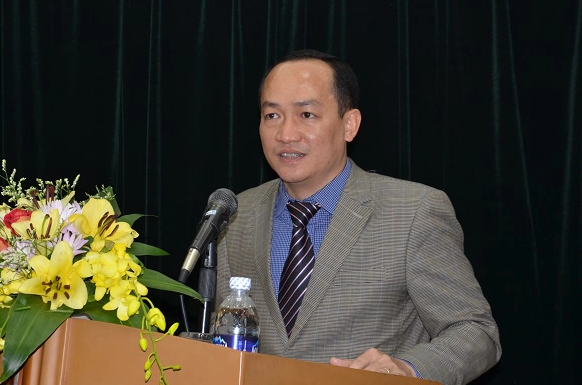 Deputy Director in charge of Vietnam Railways Department Tran Thien Canh
According to Tran Thien Canh, Deputy Director of the Vietnam Railway Department, the amended Railway Law needs to include and revise key areas such as: policies on development, incentives, and support for railway operations; railway infrastructure; railway industry and vehicles; railway personnel directly involved in train operations; urban railways; and high-speed railways.
This includes supplementing policies on encouraging and prioritizing the development of electrified railways using clean energy; prioritizing and encouraging localization; and joint ventures and partnerships between domestic and foreign enterprises when investing in railway development. It also includes policies on specific mechanisms for training and developing human resources to serve the development of urban railways and high-speed railways; and mechanisms for state financial support to training institutions in specialized fields...
Proposal to abolish the vehicle age limit regulation.
Commenting on the draft amendments to the Railway Law, Mr. Nguyen Hong Linh, Deputy General Director of Hanoi Railway Transport Joint Stock Company (Haraco), suggested removing the regulation on the service life of railway vehicles and adding the Ministry of Transport to regulate the inspection of quality, safety, and environmental protection of railway vehicles.
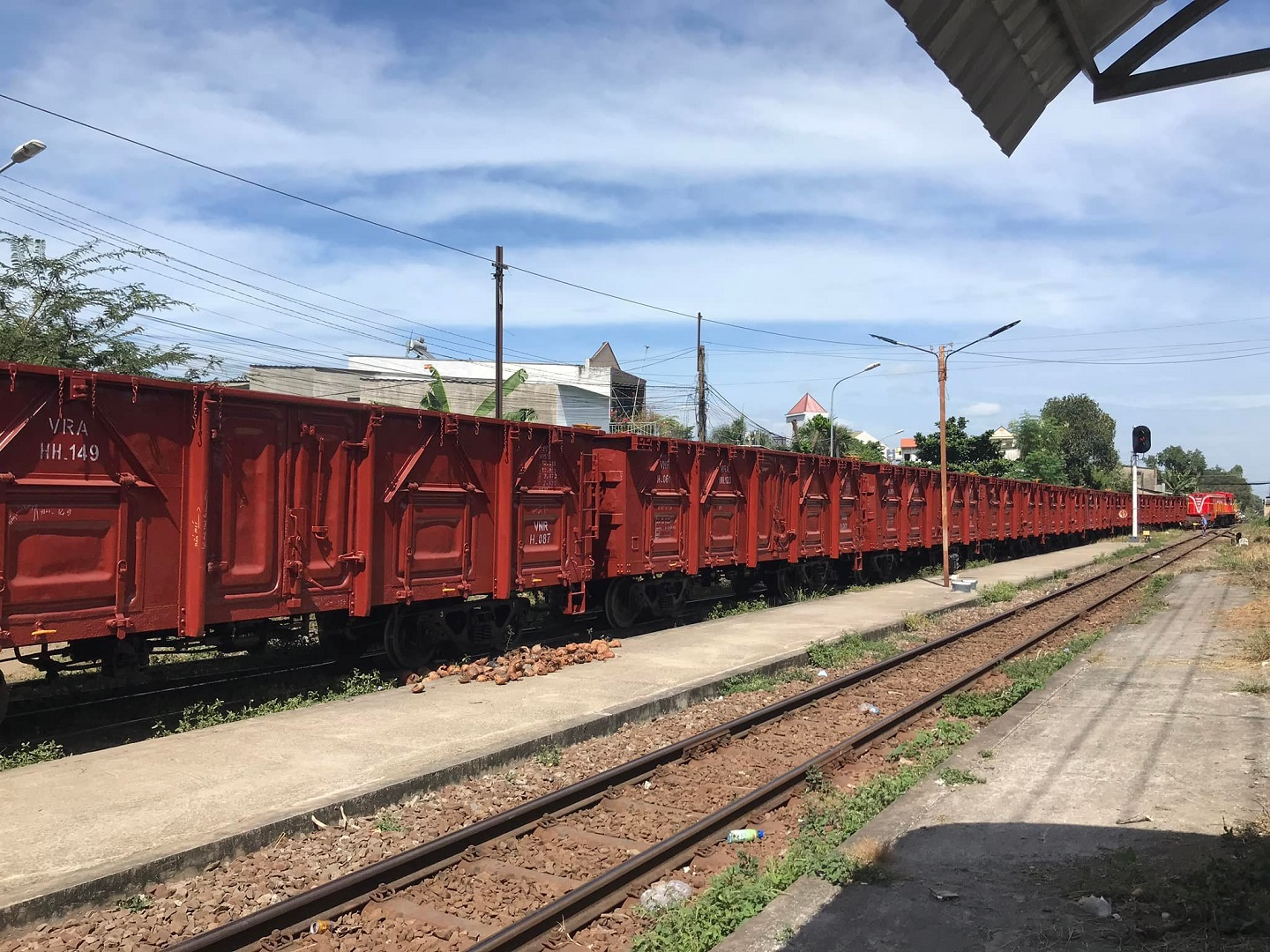
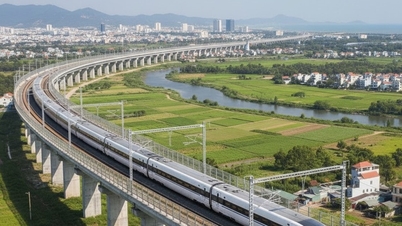
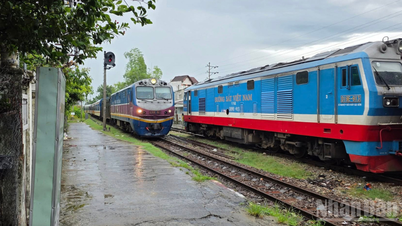
Proposal to remove the regulation on the lifespan of railway vehicles in the amended Railway Law; while awaiting the promulgation of a new law allowing the extension of the lifespan of locomotives and carriages until 2030 (Image: illustration).
According to Mr. Linh, Haraco currently manages and operates 491 passenger carriages and 2,676 freight carriages. Implementing the green energy vehicle conversion program under COP26, investing in new diesel vehicles to replace those that have reached the end of their service life, but which are only valid until 2050 and will then be replaced by green energy vehicles, is inefficient. Furthermore, investing in new locomotives and carriages during the 2023-2031 period requires a very large amount of capital, while the company has not yet had access to preferential loans from the State for the purchase and investment of railway vehicles.
Also proposing the removal of the vehicle lifespan limit, Mr. Mai The Manh, Deputy General Director of Saigon Railway Transport Joint Stock Company, argued that, in the period up to 2030, while awaiting the promulgation of the amended Railway Law, it is necessary to allow the extension of the lifespan limit to alleviate difficulties for businesses. For example, Saigon Railway Transport Joint Stock Company has over 400 passenger carriages, and will have to decommission more than 90; it has 989 freight carriages, and will have to decommission more than 523. The remaining number of carriages for transport operation is very small and insufficient to ensure business operations after 2024 and 2025.
"In the past, to invest in vehicles, we had to borrow commercial capital, without the preferential treatment stipulated in the Railway Law. Therefore, in the amended Law, we propose including a specific regulation: investment and procurement of locomotives and carriages should be included in the list of projects eligible for loans from policy banks," Mr. Mạnh suggested.
Urban rail technology needs to be standardized.
At the workshop, delegates from urban railway management units, registration authorities, and local governments proposed specific regulations for urban railways. They also suggested adding regulations for suburban railways, inter-regional railways, and connecting railways at hubs linking various types of national, urban, and high-speed railways. Opinions also suggested that, in the long term, urban railways, national railways, and high-speed railways should be considered for separate laws.
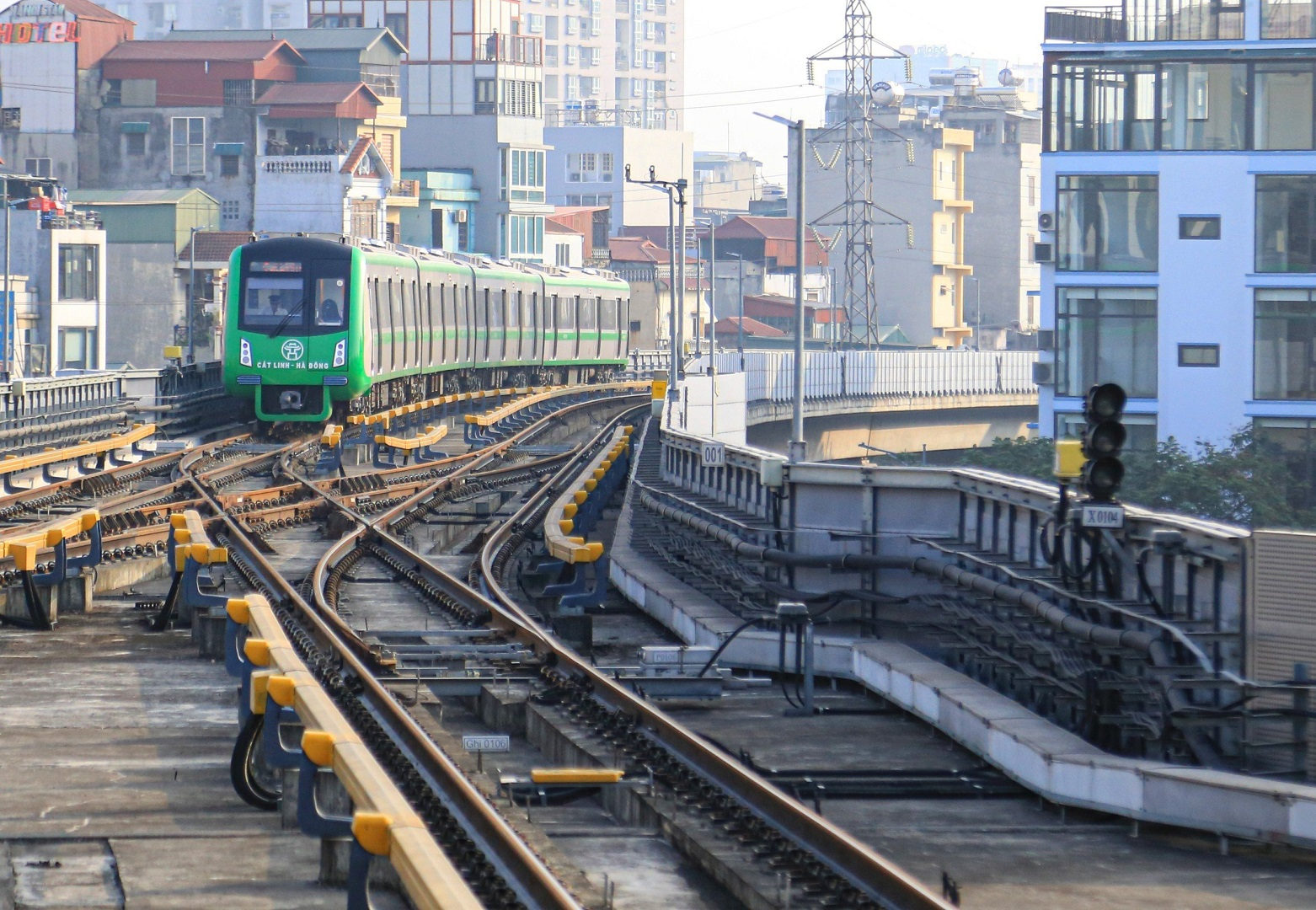
Proposal to standardize urban rail technology (Photo: Ta Hai).
With this amendment to the Law, specific contents need to be added and modified to create favorable conditions for the development of urban railways. According to Mr. Do Viet Hai, Deputy Director of the Hanoi Department of Transport, a common technical framework for urban railways is necessary to avoid a situation where each urban railway line has its own separate standards.
The lessons learned from the Cat Linh - Ha Dong, Nhon - Hanoi Station (Hanoi) and Ben Thanh - Suoi Tien (Ho Chi Minh City) lines are very clear. In addition, there needs to be a specific mechanism to ensure the development of human resources for urban rail and high-speed rail, and clear regulations to avoid vagueness and practical implementation.
Sharing the same view, Mr. Le Trung Hieu, Deputy Director of the Hanoi Urban Railway Management Board, believes that standardizing urban railway technology is essential. Currently, each donor uses different technology. Therefore, standardization is needed from the preparation stage to the implementation of urban railway projects and the connection between urban railway lines, and between urban railways and the national railway network.
Mr. Hieu also argued that national railway stations in most localities are located in urban centers and cities, therefore, adequate land should be allocated to connect urban railways to these areas and to develop TOD (Transit-Oriented Development). In that case, the surplus land rent from urban development around these major hubs could be reinvested in the railway system, reducing the burden on the state budget.
"There needs to be a provision in the amended Railway Law stating that at national railway stations and high-speed railway stations, priority should be given to developing the TOD (Transit-Oriented Development) model to provide a legal framework for its implementation," Mr. Hieu suggested.
Source: https://www.baogiaothong.vn/sua-luat-tao-don-bay-phat-trien-duong-sat-192230915170447563.htm
![[Photo] Prime Minister Pham Minh Chinh holds a phone call with the CEO of Russia's Rosatom Corporation.](/_next/image?url=https%3A%2F%2Fvphoto.vietnam.vn%2Fthumb%2F1200x675%2Fvietnam%2Fresource%2FIMAGE%2F2025%2F12%2F11%2F1765464552365_dsc-5295-jpg.webp&w=3840&q=75)
![[Photo] Closing Ceremony of the 10th Session of the 15th National Assembly](/_next/image?url=https%3A%2F%2Fvphoto.vietnam.vn%2Fthumb%2F1200x675%2Fvietnam%2Fresource%2FIMAGE%2F2025%2F12%2F11%2F1765448959967_image-1437-jpg.webp&w=3840&q=75)












































![[OFFICIAL] MISA GROUP ANNOUNCES ITS PIONEERING BRAND POSITIONING IN BUILDING AGENTIC AI FOR BUSINESSES, HOUSEHOLDS, AND THE GOVERNMENT](https://vphoto.vietnam.vn/thumb/402x226/vietnam/resource/IMAGE/2025/12/11/1765444754256_agentic-ai_postfb-scaled.png)









































Comment (0)