

Fertile rice granary in the buffer zone
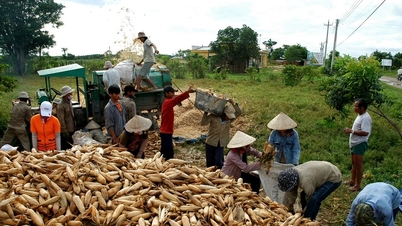
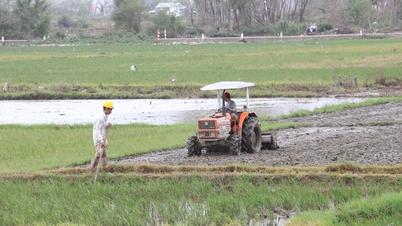
These days, the rice paddies of Ia Lâu commune stretch out in a lush green. In some areas where the rice was sown early, people are harvesting using combine harvesters and straw balers instead of manual labor; tractors are also being used to transport the rice from the fields to their homes, amidst a widespread sense of joy.
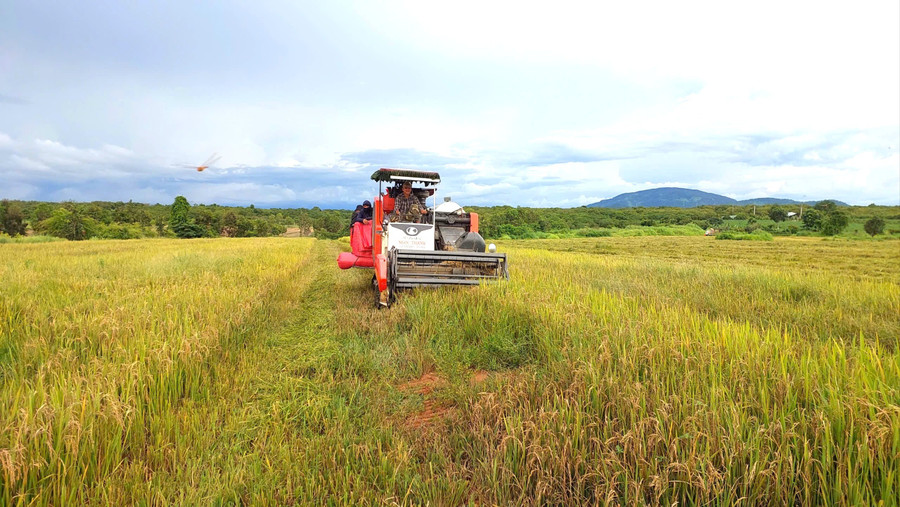
Mr. Chau Van Chi Tam (Tu village, Ia Lau commune) has been cultivating 5 hectares of rice in the Ia Lau rice fields for nearly 20 years. Previously, before the irrigation system was built, people mainly relied on rainwater, used old rice varieties, and did not apply advanced techniques, resulting in low rice yields.
Since the State invested in the construction of the Ia Lau and Ia Lop dams and the Plei Pai reservoir, along with the main canal system and field canals bringing water to each rice field, people have actively reclaimed land to expand production area; applied comprehensive mechanization from land preparation and sowing to harvesting… In particular, they introduced new rice varieties suitable to the climate and soil into production such as: HT1, OM4900, DV108, Dai Thom 8…
“The investment cost for one hectare of rice paddies is nearly 20 million VND/hectare. Currently, my family's average rice yield is 7 tons/hectare, and after deducting expenses, the profit is 20 million VND/hectare. Compared to long-term industrial crops like coffee, pepper, and durian, it's not as high, but it provides a stable source of income,” Mr. Chau calculated.
Similarly, for many years, the family of Ms. Vu Thi Mat (Me village) has also been cultivating 8 hectares of rice in two seasons; mainly focusing on the Dai Thom 8 and DV108 varieties, supplying them to traders inside and outside the commune.
According to Ms. Mat, the average yield of rice in the main crop season is usually lower than in the winter-spring season due to frequent natural disasters. For example, her family's 8 hectares of rice yielded about 40 tons in the main crop season, while in the winter-spring season they are guaranteed to yield 60-70 tons of dry rice.
"My family has invested in buying plows and combine harvesters to serve both our family and to provide services to people in and outside the commune. The investment cost for plowing, seeds, fertilizers, and pesticides is approximately 18 million VND/hectare. Growing rice is more stable than growing corn or cassava. If the price of rice remains stable at 7,000 VND/kg or higher, after deducting expenses, I earn nearly 20 million VND/hectare in profit," Mrs. Mat said excitedly.
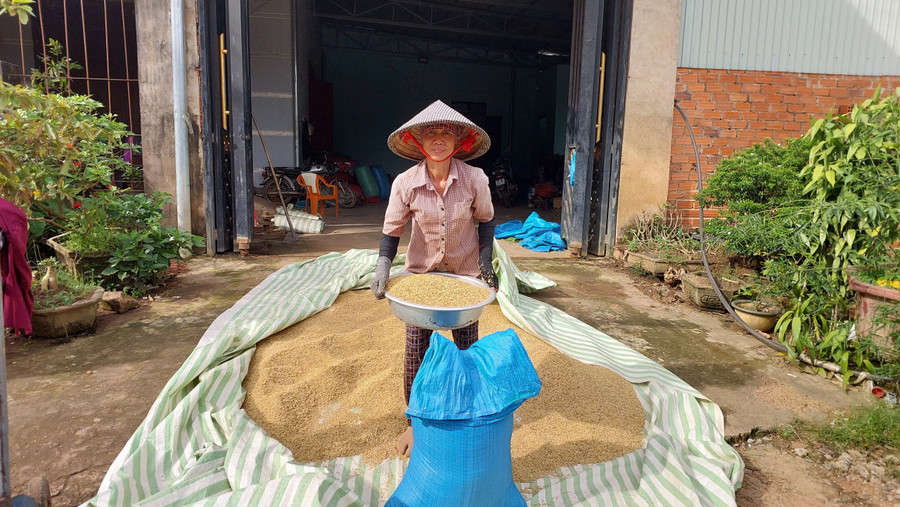
According to information from the People's Committee of Ia Lâu commune, after the merger, the area of double-cropping rice in the commune is approximately 1,429 hectares, with an average yield of 7-7.5 tons/ha. Currently, people in the commune have proactively produced rice suitable to the local climate and soil conditions; applying mechanization from land preparation, sowing, and harvesting. As a result, labor days have been reduced, and drought and pest damage have been avoided at the end of the season. Rice cultivation is gradually bringing prosperity and a comfortable life to the people in the Ia Lâu buffer zone.
Opening the way to sustainable development
According to the Economic Department of Ia Lâu commune, currently, in addition to the main varieties such as Dai Thom 8 and DV 108, some households also use new rice varieties with high yield and quality such as TBR39 and ST25…
In 2021, the Intellectual Property Office ( Ministry of Science and Technology ) granted a trademark certificate for "Ia Lau Rice" due to its superior aroma and taste compared to other regions. This served as a catalyst for the locality to develop a specialized rice cultivation area, targeting markets both within and outside the province.
Since then, people have moved away from fragmented, small-scale production as before, and instead are focusing on commercial production; at the same time, they are linking consumption with cooperatives and businesses inside and outside the province, opening up a sustainable development direction for rice cultivation.
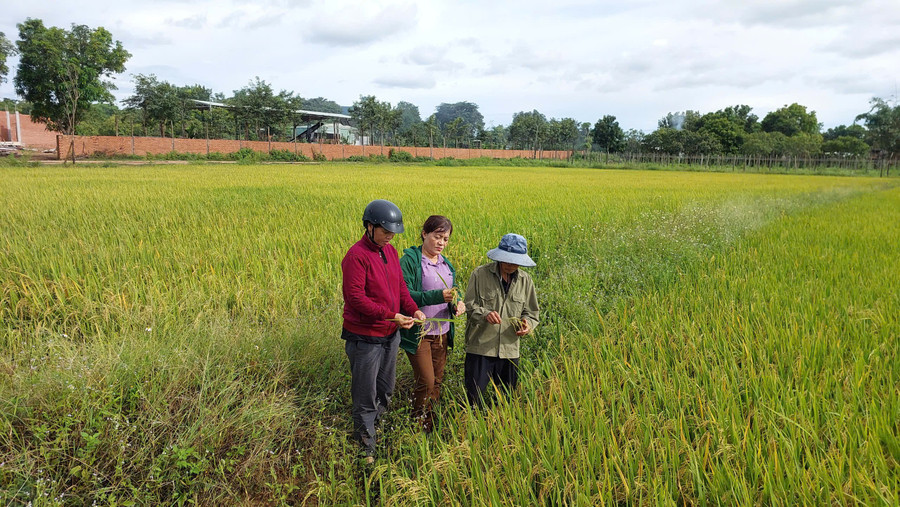
Speaking with reporters, Mr. Bui Van Tien, Vice Chairman of the People's Committee of Ia Lau commune, said: Rice was one of the main crops of the people in the two communes of Ia Lau and Ia Pior before the merger. This achievement is thanks to the stable water supply from the irrigation works invested and built by the State.
In addition, all levels of government and localities have prioritized resources for transferring scientific and technological advancements, introducing new high-yield, high-quality rice varieties suitable to the local soil and climate conditions for farmers to cultivate. As a result, the lives of local people have changed significantly.
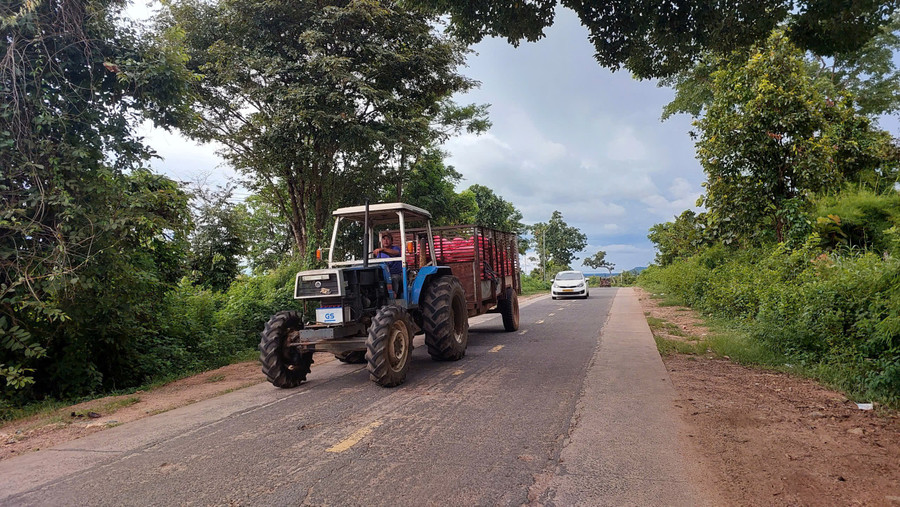
“In the coming time, the People's Committee of the commune will direct specialized agencies to focus on guiding people to promote the application of scientific and technical advancements in production. Along with that, we will build demonstration models of new high-yield, high-quality rice varieties, helping people access and introduce them into mass production.”
Furthermore, we are focusing on forming production and consumption linkages between farmers and cooperatives/businesses to increase the economic value of rice, improve the quality of life for people, and contribute to ensuring national defense and security in the border region. In particular, we will continue to build and enhance the "Ia Lâu Rice" brand, providing quality products to consumers inside and outside the province," Mr. Tiến added.
Source: https://baogialai.com.vn/suc-song-moi-o-vua-lua-vung-dem-ia-lau-post565700.html


![[Image] Close-up of the newly discovered "sacred road" at My Son Sanctuary](/_next/image?url=https%3A%2F%2Fvphoto.vietnam.vn%2Fthumb%2F1200x675%2Fvietnam%2Fresource%2FIMAGE%2F2025%2F12%2F13%2F1765587881240_ndo_br_ms5-jpg.webp&w=3840&q=75)
































































Comment (0)