

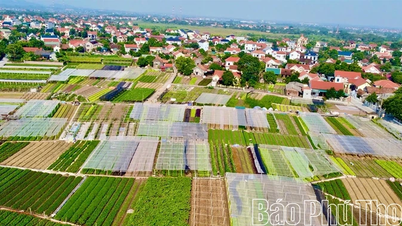
During this period, prior to the merger, the People's Committees of Lao Cai and Yen Bai provinces advised the Provincial People's Councils to issue five resolutions supporting agricultural development, aiming to build a unified policy framework for agricultural, forestry, and fisheries production. These resolutions include: 26/2020/NQ-HĐND, 33/2021/NQ-HĐND, and 15/2022/NQ-HĐND of Lao Cai province; and 69/2020/NQ-HĐND and 05/2022/NQ-HĐND of Yen Bai province. These policies created a foundation for localities to implement new production models, encourage linkages in the value chain, and apply technological advancements to production.
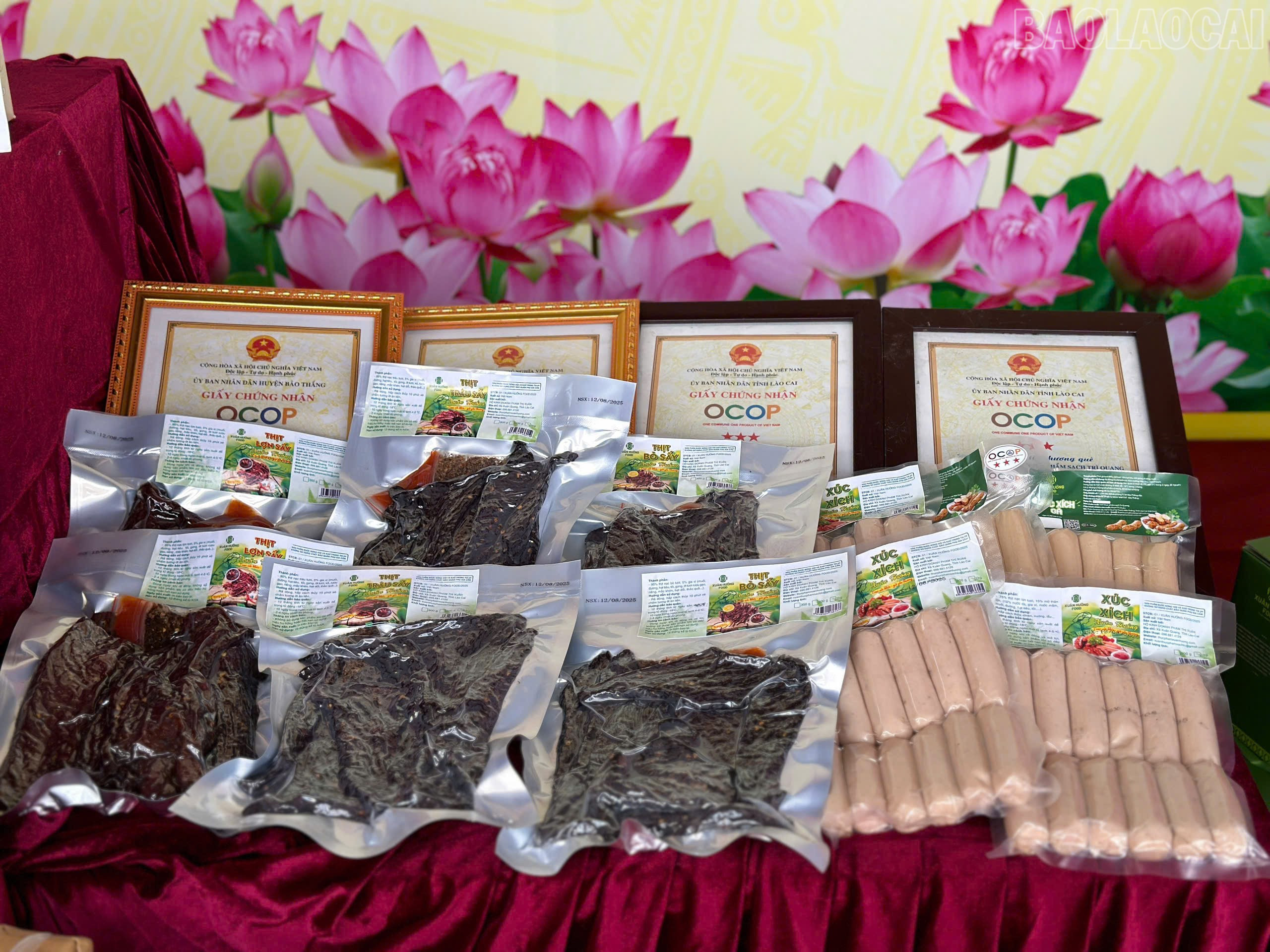
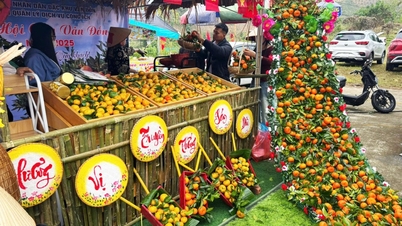
One of the policies that has yielded outstanding results is the support for the development of OCOP products. According to Resolution 26/2020/NQ-HĐND, the former Lao Cai province evaluated and certified 325 OCOP products, of which 299 achieved 3 stars or higher, with a total support budget of over 4.4 billion VND. Not only has the number increased, but many products have also established their brand value in the market, especially in the food, medicinal herb, beverage, and handicraft sectors. In Sa Pa ward and Bac Ha commune, each locality has dozens of OCOP products, becoming a bright spot in rural economic development.
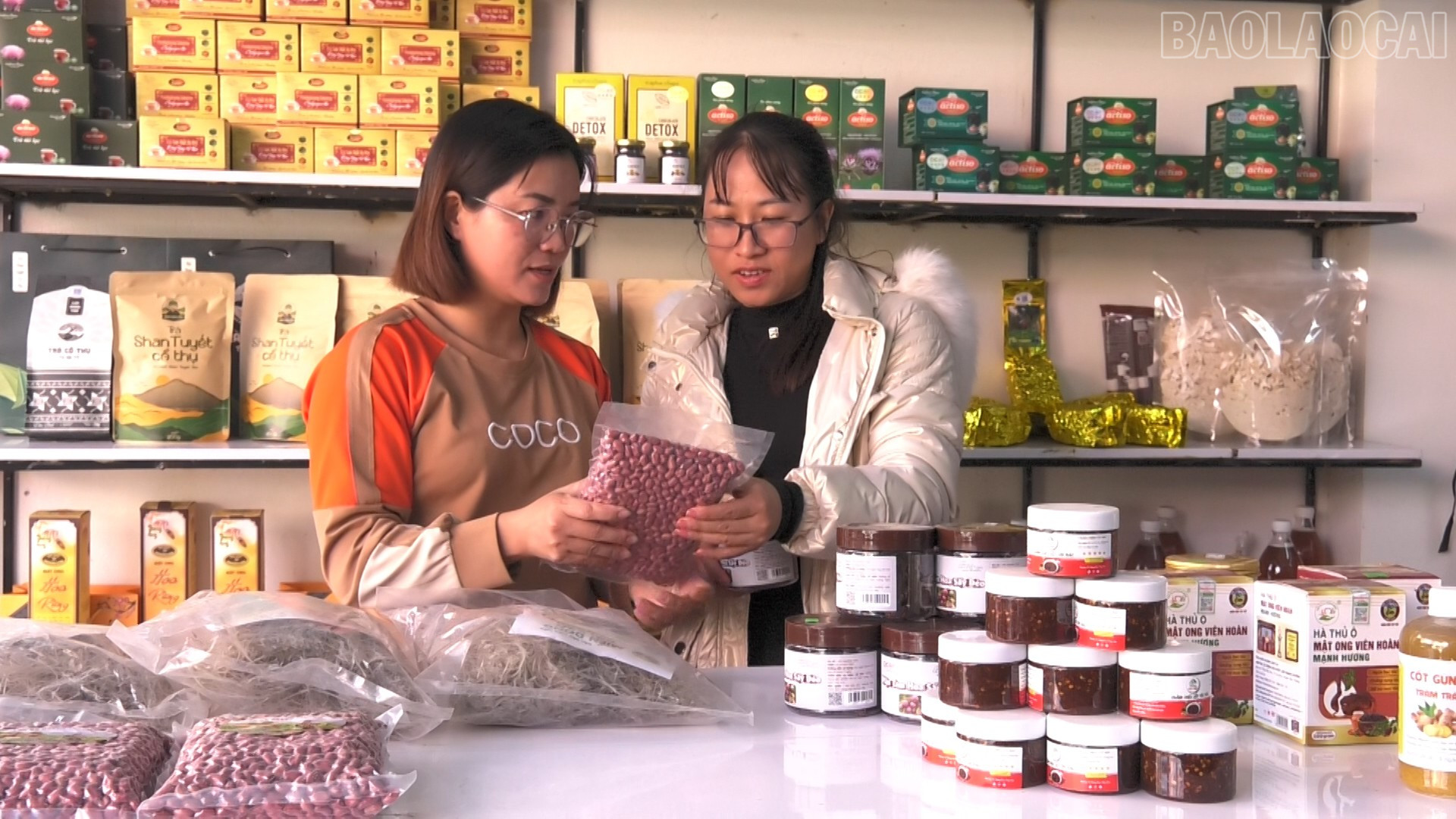
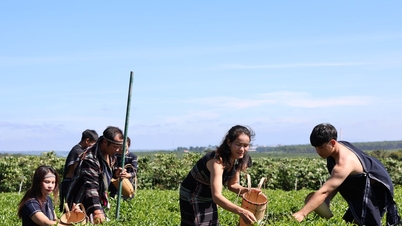
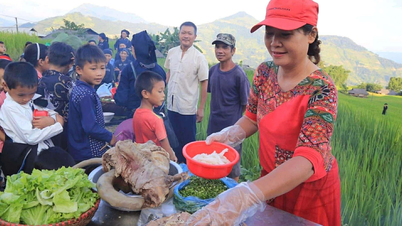
In Bac Ha commune, the OCOP program has created momentum to promote large-scale commodity production with distinctive products such as: dried Tam Hoa plums, Shan Tuyet tea, Nam Mon red peanuts, smoked black pork, black sticky rice cakes, etc. These products form a closed value chain, bringing stable income to the people.
In the coming period, the commune will focus on expanding raw material areas: temperate fruit trees, red peanuts, medicinal plants, organic tea, etc. These are important raw material areas that help businesses proactively produce and improve the quality of OCOP products. The commune will also strengthen trade promotion, product advertising, and develop new products based on the potential, strengths, and characteristics of the locality, contributing to promoting local economic and social development.
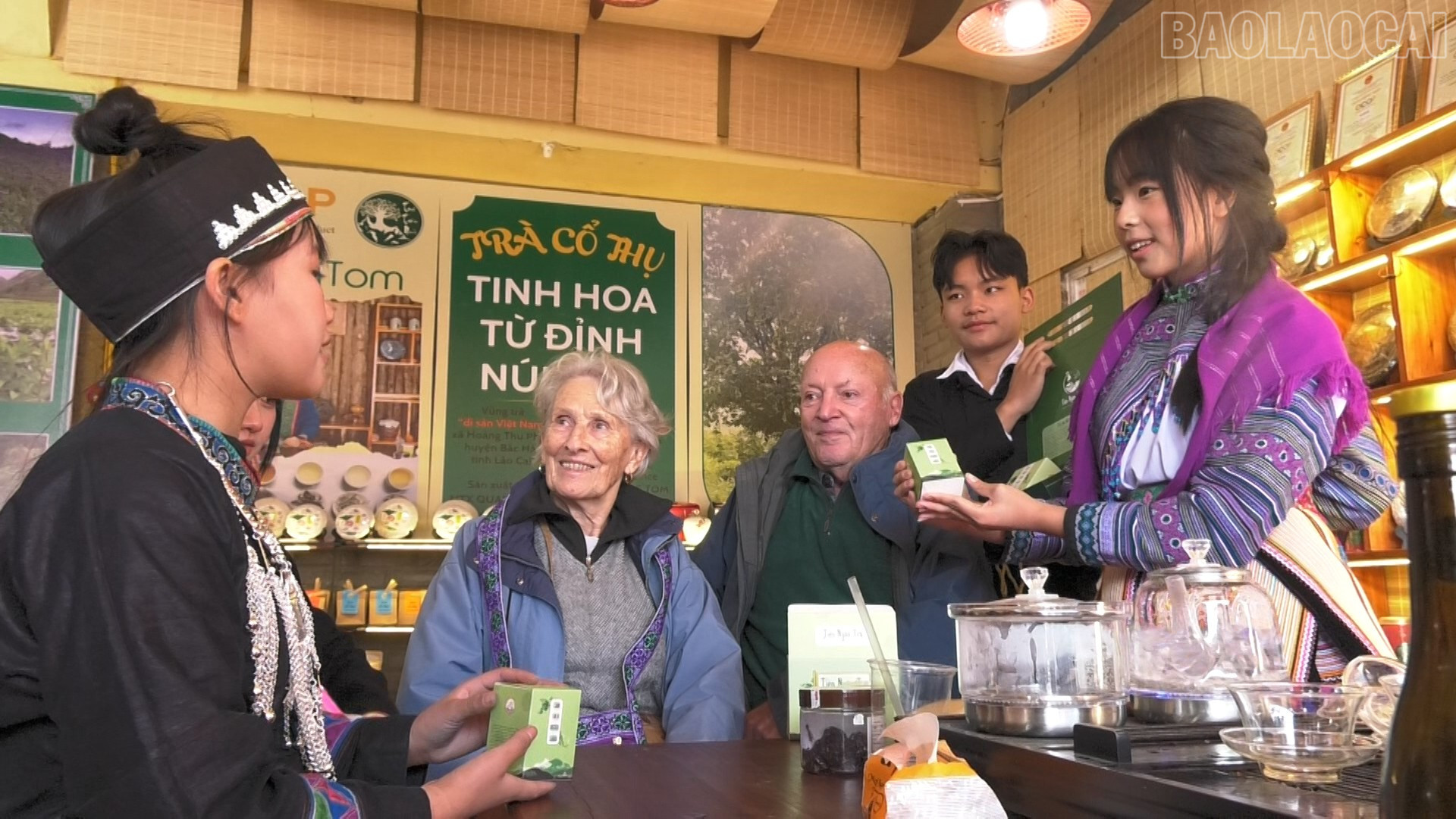
The building and positioning of brands through the OCOP program has contributed to promoting local tourism development. Annually, Bac Ha welcomes over 850,000 visitors, with estimated revenue reaching 1,250 billion VND in 2025. Average GRDP growth for the period 2021-2025 is projected at 12.13%; GRDP per capita is expected to increase from 43.8 million VND (2020) to 70.8 million VND (2025). These figures demonstrate the multifaceted effectiveness of OCOP, from production and trade to services.
The province currently has 605 OCOP products, including 2 products with 5 stars, 52 products with 4 stars, and 551 products with 3 stars. OCOP has become an important criterion for supermarkets and shopping malls to select local products, contributing to increased competitiveness and encouraging production facilities to invest in technology, packaging, and online sales.
Besides the OCOP program, the policy supporting value chain linkage projects (Resolution 69/2020/NQ-HĐND of the former Yen Bai province) has also made a strong impact. The province has implemented 62 projects with a total budget of over 40.7 billion VND. Most projects have ensured their objectives and maintained linkages in production and consumption, such as: mulberry chain, Bat Do bamboo shoot chain, livestock farming, organic cinnamon, etc.
The project to build an organic cinnamon supply chain in Tan Hop commune is a prime example. With a total budget of over 4.4 billion VND, including 800 million VND from the province, Binh An Cooperative has now developed a 1,000-hectare raw material area with the participation of more than 300 households.
Mr. Ly Hai, Director of Binh An Cooperative, said: "When participating in the supply chain, farmers are guaranteed a stable market and reduced risks; while businesses can proactively manage supply and control product quality."
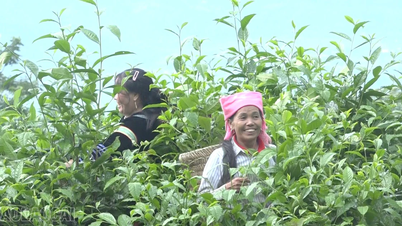
Similarly, in Hung Khanh commune, the 60-hectare green tea development project along the value chain, implemented by Dat Quang Agricultural and Forestry Cooperative, has helped to switch to the Bat Tien tea variety, which fetches a higher purchase price.
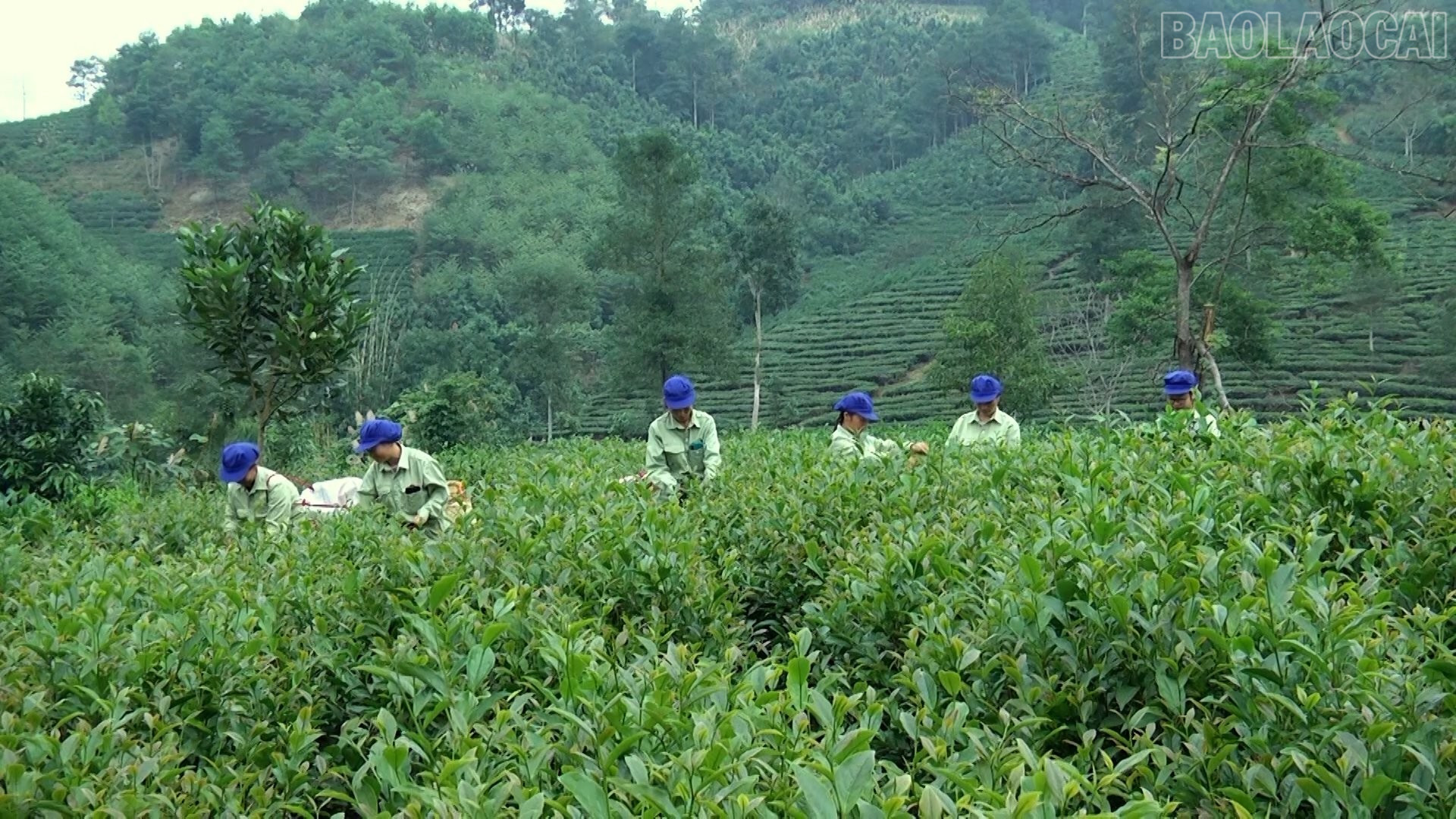
Mr. Vu Van Dinh, Director of Dat Quang Cooperative, shared: "Participating in the supply chain has helped people receive support in terms of seeds and techniques, and at the same time, people can feel secure in their production because they have a stable market outlet, ensuring their livelihoods."
These results were achieved thanks to the attention and guidance of the province and district, and the close coordination among various sectors. Policy dissemination was carried out regularly; the necessary documents and procedures basically met the implementation requirements. Support measures such as: developing commercial livestock farming, artificial insemination to improve buffalo and cattle herds, and supporting sustainable reforestation... all showed clear effectiveness, contributing to increased meat production, improved forest cover, and reduced disease risks.
However, the policy implementation process still faces some difficulties. Some local officials do not fully understand the nature of the policy, leading to ineffective dissemination. Some supply chain projects have had to be suspended due to unsuitable proposed scale, limited leadership capacity, or disruptions to the supply chain caused by the Covid-19 pandemic. Some aspects are difficult to access due to high documentation requirements, procedures, and criteria, while allocated resources are insufficient and heavily reliant on integrated funding from other targeted programs.
Furthermore, the policy of providing interest rate subsidies for agricultural, forestry, and aquaculture farms has been slow to implement due to regulations on outstanding bank loans, preventing many organizations and individuals from qualifying for new loans to expand their investments. The allocation of different funding sources for each policy also creates difficulties in integration, consolidation, and implementation.
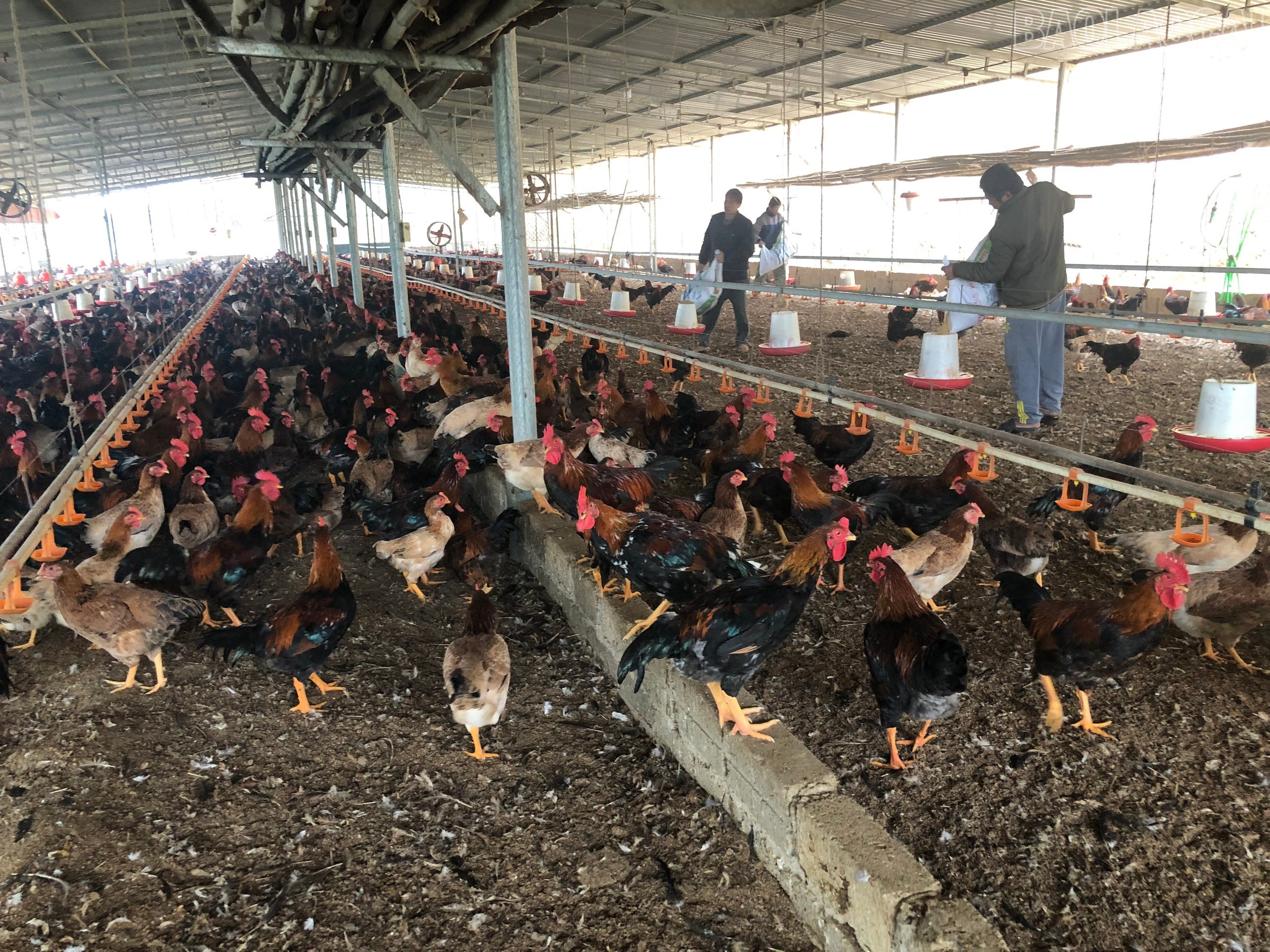
Despite numerous challenges, the positive results from the OCOP program and production linkage models demonstrate that when policies are formulated to meet needs and closely reflect reality, the effectiveness is very clear. This includes a transformation in people's production mindset and livelihoods, and the increasingly strong development of economic entities in rural areas.
In particular, after implementing the two-tiered local government model, the Provincial People's Council issued two new resolutions: 12/2025/NQ-HĐND and 15/2025/NQ-HĐND, continuing to extend the policy of supporting agricultural production. This is an important basis for building policies for the 2026-2030 period in a flexible, practical direction, creating stronger impetus for the development of commercial agriculture and increasing added value for the people.
Source: https://baolaocai.vn/ket-qua-tich-cuc-tu-cac-chinh-sach-khuyen-khich-phat-trien-nong-nghiep-post888818.html




![[Photo] Prime Minister Pham Minh Chinh attends the Conference summarizing and implementing tasks of the judicial sector.](/_next/image?url=https%3A%2F%2Fvphoto.vietnam.vn%2Fthumb%2F1200x675%2Fvietnam%2Fresource%2FIMAGE%2F2025%2F12%2F13%2F1765616082148_dsc-5565-jpg.webp&w=3840&q=75)












































































Comment (0)