

Start your day with health news; you can also check out these other articles: Does eating too many carrots cause jaundice?; What are the harmful effects of not cleaning your workspace regularly?; Does a stable job increase your chances of living longer...
New research discovers a way to reduce the risk of developing diabetes by 35%.
New research has found that going to the movies or listening to music monthly can reduce the risk of developing diabetes by 35%.
Therefore, visiting museums, listening to music, and seeing art exhibitions may help reduce the risk of diabetes.
Scientists have known that engaging in the arts can keep the heart healthy, fight cognitive decline in old age, and combat anxiety and depression. And the latest research suggests that these activities may also help reduce the risk of diabetes.
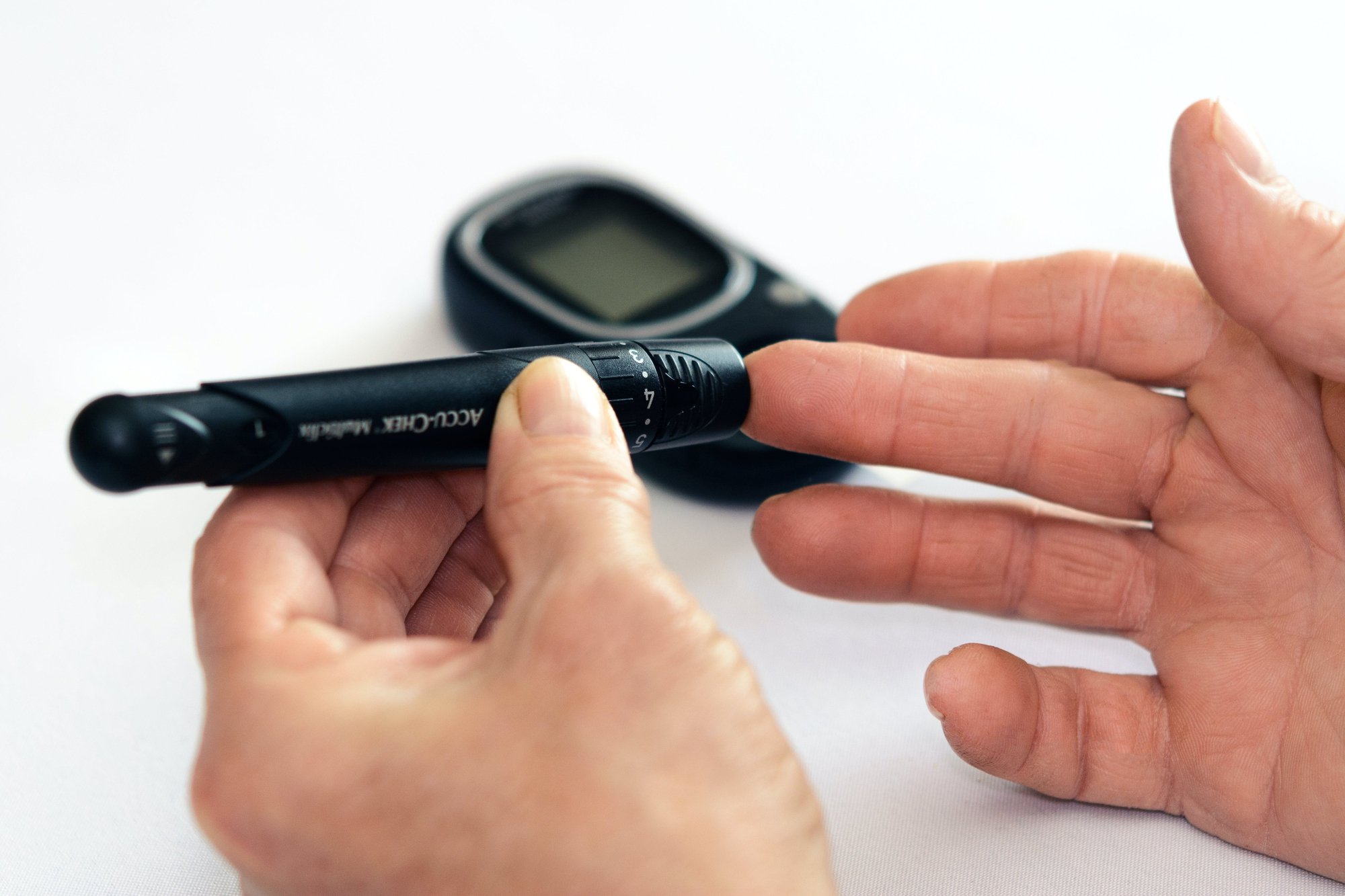
Going to the movies or listening to music at the movies monthly can reduce the risk of developing diabetes by more than one-third.
The study, conducted by a team of scientists from Peking University (China) and Osaka University (Japan), analyzed data from more than 4,000 people over a 12-year period.
Volunteers were asked how often they went to see movies, listen to music, or visit art galleries or museums.
When researchers compared this data to the number of cases of type 2 diabetes, they found that people who went to the movies once a month or less frequently reduced their risk of developing diabetes by 35% compared to those who rarely or never went to the movies . Those who regularly attended concerts, operas, or visited art galleries also showed similar results. Further details of this article will be available on the health page on November 2nd .
Does eating a lot of carrots cause jaundice?
Carrots are rich in vitamins and minerals that are beneficial for the eyes, immune system, cardiovascular system, and digestion. However, experts recommend eating them in moderation to avoid the body being unable to fully convert beta-carotene into vitamin A.
Dr. Nguyen Thu Ha, Head of the Nutrition and Dietetics Department at Nam Saigon International General Hospital, shared that carrots contain many micronutrients, especially beta-carotene. This is a powerful antioxidant and a precursor of vitamin A. 100g of carrots contains 6597 mcg of beta-carotene. Meanwhile, the recommended daily intake of vitamin A for adults is 850-900 mcg/day for men and 650-700 mcg/day for women. Pregnant women need about 1200-1300 mcg/day.

Carrots are rich in beta-carotene, a precursor of vitamin A.
In addition, carrots are a rich source of important vitamins and minerals such as vitamins C, D, E, and B vitamins. The carotene in carrots is converted into vitamin A in the body, which helps improve eyesight, boost immunity, and keep skin smooth. The potassium content in carrots helps prevent high blood pressure and other cardiovascular problems.
"However, if you eat too many carrots, your body won't be able to convert all the beta-carotene into vitamin A. When the amount of carotene increases by about 3-4 times the normal level, it can cause jaundice in the palms, soles, and face, turning them yellow-orange, but the eyes and mucous membranes under the tongue do not turn yellow. This is often accompanied by symptoms such as indigestion, loss of appetite, and fatigue," Dr. Ha explained. Readers can find more information on this topic on the health page dated November 2nd .
What are the harmful effects of not cleaning your workspace regularly?
In offices, desks are considered one of the most bacteria-laden places. In fact, if not regularly cleaned, the bacterial density can reach levels few would imagine. This creates a favorable environment for bacteria to grow and spread disease.
Numerous studies show that pathogens accumulate in many places on a desk, from surfaces and drawers to desk items such as computers, keyboards, phones, pens, and many other items. These pathogens are not only bacteria but also viruses, fungi, and other microorganisms.

If not cleaned regularly, the desk will accumulate many disease-causing bacteria.
A study by the University of Arizona (USA) found that the amount of bacteria and other microorganisms on an uncleaned desk can be up to 400 times greater than on a toilet seat in a household. This means that many office workers face a higher risk of contracting infectious diseases.
Furthermore, the study also found that men's desks have 3-4 times more bacteria than women's. Of these, 98% are gram-negative bacteria and 2% are bacilli. This may be due to men's larger desks and their generally poorer hygiene and cleaning habits compared to women. Start your day with health news to read more about this article!
Source link























![[Photo] Prime Minister Pham Minh Chinh holds a phone call with the CEO of Russia's Rosatom Corporation.](/_next/image?url=https%3A%2F%2Fvphoto.vietnam.vn%2Fthumb%2F1200x675%2Fvietnam%2Fresource%2FIMAGE%2F2025%2F12%2F11%2F1765464552365_dsc-5295-jpg.webp&w=3840&q=75)
















































Comment (0)