

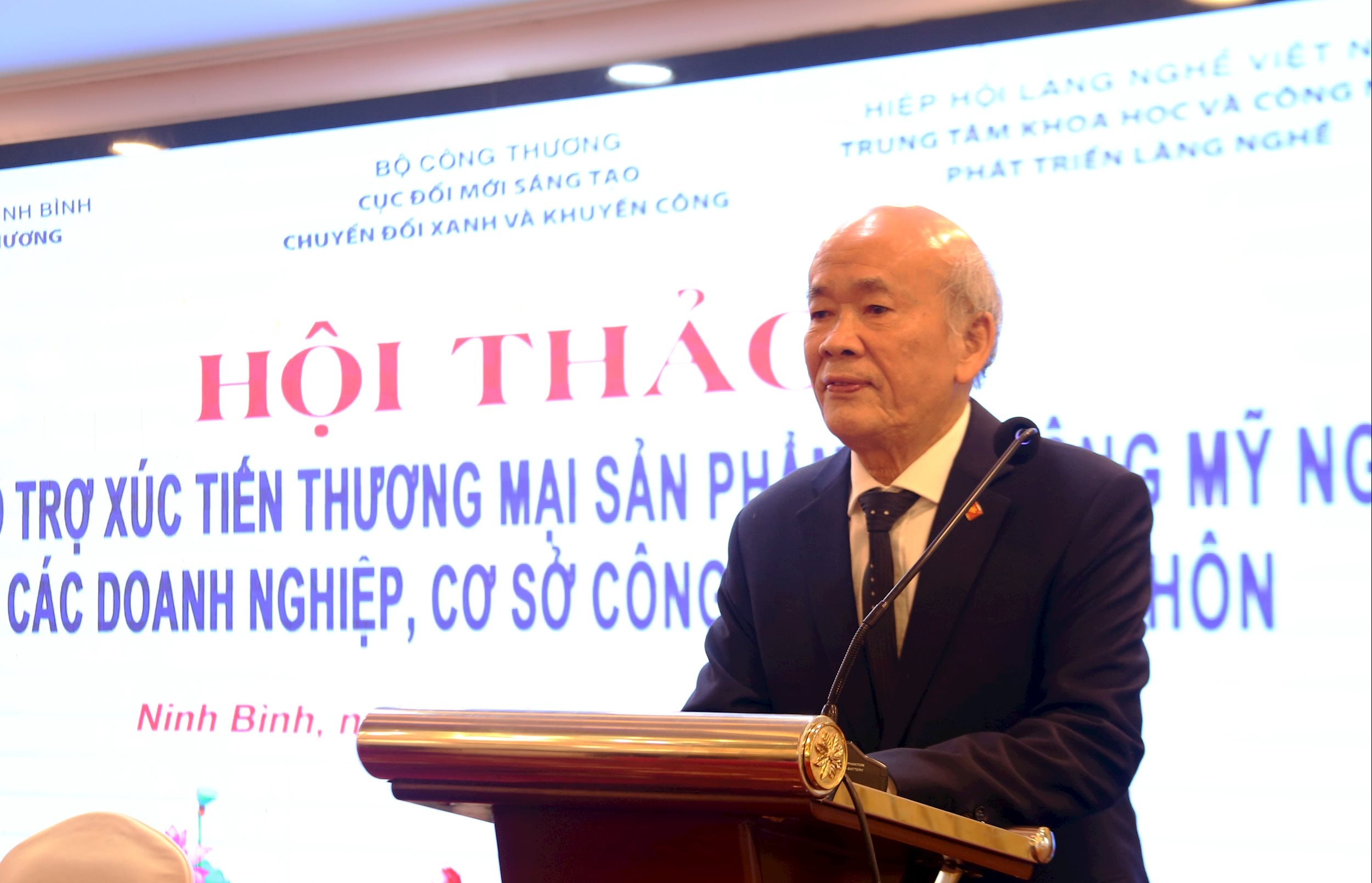
In his opening remarks, Chairman of the Vietnam Handicraft Village Association, Trinh Quoc Dat, stated that Vietnam has over 5,400 handicraft villages and villages with traditional crafts, producing a wide variety of unique products. The revenue from these villages is approximately 75,000 billion VND. The Vietnamese handicraft market is projected to grow at around 8.7% between 2024 and 2032. This figure is lower than the global industry growth rate, indicating significant potential for further development in the Vietnamese handicraft sector.
In recent years, handicrafts have consistently ranked among Vietnam's top 10 export items in terms of value, boasting a wide variety of products with high added value and larger profit margins compared to many other export items. Statistics show that every $1 million worth of handicraft exports yields a profit 5-10 times higher than many other export items, resulting in a very high net revenue from these exports.

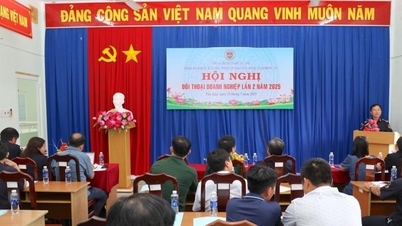
During the workshop, delegates noted that trade promotion activities for craft villages and rural industrial establishments are generally weak, and government support is limited. Domestic trade fairs, besides lacking professional venues, are generally ineffective. Production units have not yet identified market segments and customers, and lack professional marketing activities, thus failing to attract businesses and customers.
International trade promotion activities for specific handicraft product groups have not been implemented. Currently, participating in international trade fairs offers excellent opportunities to find new customers; however, due to high costs, few businesses can afford to participate. Traditional craft villages lack sustainable product development strategies and have not built distinct brands for their characteristic products.
.jpg)
Traditional craft villages and production facilities lack investment capital, resulting in underdeveloped application of mechanized machinery and equipment in the extraction, preliminary processing, and product manufacturing processes. This leads to wasted raw materials, low-quality materials, and environmental pollution. Simultaneously, local trade promotion policies are heavily reliant on traditional media (physical trade fairs) and lack regular and in-depth support programs for digital marketing and digital branding. Support is insufficient to meet the demands of comprehensive digital transformation. There is a lack of mechanisms to encourage financial incentives and provide design funding for small businesses. Support projects are often short-term and do not create a continuous cycle of design innovation to meet industry requirements…
According to the delegates, in the coming period, relevant authorities need to finalize policies to support cross-border trade and e-commerce promotion with the goal of having 80% of handicraft businesses with products and brands effectively promoted on international e-commerce platforms and achieving a trade turnover target of 5 billion USD by 2030.
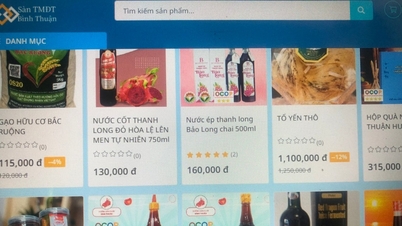
A specialized national international trade portal for OCOP products and traditional craft villages needs to be established. This portal must integrate tools for language support, international payments, and cross-border logistics. In particular, financial support should be provided to handicraft businesses to build virtual showrooms using 3D/VR technology, simulating shopping spaces and product displays based on themes, allowing international buyers to have a realistic experience. Furthermore, policies should be created to support international B2B and B2C connections. These policies should support participation in major B2B e-commerce platforms such as Alibaba.com and Amazon Business, as well as B2C platforms.
Source: https://daibieunhandan.vn/tang-cuong-ho-tro-xuc-tien-thuong-mai-cac-san-pham-thu-cong-my-nghe-10400127.html

![[Photo] Prime Minister Pham Minh Chinh holds a phone call with the CEO of Russia's Rosatom Corporation.](/_next/image?url=https%3A%2F%2Fvphoto.vietnam.vn%2Fthumb%2F1200x675%2Fvietnam%2Fresource%2FIMAGE%2F2025%2F12%2F11%2F1765464552365_dsc-5295-jpg.webp&w=3840&q=75)















































































Comment (0)