

For people with high blood pressure , consistently taking blood pressure medication is crucial, as it is a chronic condition requiring lifelong medication to maintain stable blood pressure levels and prevent the progression of cardiovascular risks.
What is the best time of day to take blood pressure medication?
To date, no scientific study has proven the best time of day to take blood pressure medication. The best time to take blood pressure medication depends on several individual factors such as age, gender, and overall health. The important thing is to take your blood pressure medication at the same time each day to maintain stable blood pressure throughout the day.

Illustrative image
Regarding the timing of taking blood pressure medication, MSc. Dr. Nguyen Thu Huyen - Department of Cardiology, 19-8 Hospital, had a discussion with a reporter from Health and Life Newspaper. The doctor stated that currently there are no specific recommendations on the timing of taking medication to treat hypertension.
Numerous studies have been conducted to compare the effectiveness of treatment when taking medication in the morning and in the evening. The results showed no difference between the morning and evening medication groups in protecting against heart attacks, strokes, or circulatory diseases.
Therefore, it is important that patients take their medication at a consistent time that suits them best, taking it regularly every day at the same time, said MSc. Dr. Nguyen Thu Huyen.
4 things people with high blood pressure need to follow.

Follow your doctor's instructions.
Always follow your doctor's specific instructions regarding when to take medication, the type of medication, and the dosage. If you have any problems or questions, consult your doctor immediately for specific advice.
Do not miss a dose
To ensure the effectiveness of your blood pressure medication, it's crucial that you don't miss any doses. If you accidentally miss a dose, consult your doctor for advice on how to handle the situation.
Never stop taking medication without consulting a doctor.
Never change your medication schedule, increase or decrease the dosage, or stop taking your medication without your doctor's approval.
Regular check-ups
Patients should inform their doctor about any worsening or improving symptoms and attend regular follow-up appointments so that treatment and medication can be adjusted appropriately.
How should I take my high blood pressure medication correctly?
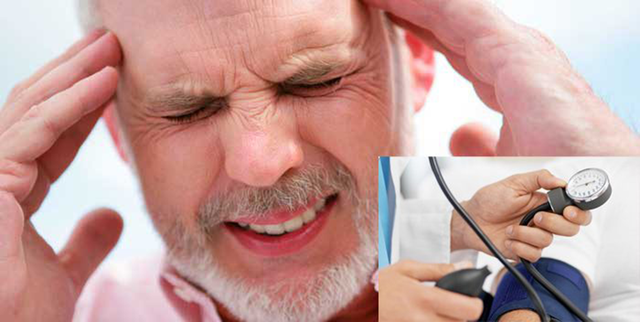
Illustrative image
According to current recommendations from the European Society of Cardiology and the Vietnam Society of Cardiology, hypertension is defined as a systolic blood pressure ≥ 140 mmHg and/or a diastolic blood pressure ≥ 90 mmHg. And according to the American Heart Association, a blood pressure of ≥ 130/80 mmHg is considered hypertension.
- If blood pressure is between 120-129/<80 mmHg, the patient does not need medication yet; simply adjusting to a healthy lifestyle is sufficient.
- If blood pressure is between 130/80 and 139/89 mmHg, the patient is considered to have stage 1 hypertension according to the American Heart Association. In this case, if there is an additional high risk of heart attack or stroke within 10 years, guidelines recommend taking blood pressure medication in conjunction with healthy lifestyle changes.
- If blood pressure is 140/90 mmHg or higher (stage 2 hypertension), the patient needs to be prescribed blood pressure-stabilizing medication by a doctor immediately.
- If a patient has previously had blood pressure of 180/120 mmHg or higher, this is an emergency and the patient needs immediate medical attention to control their blood pressure.
Source






























































































Comment (0)