The global media landscape is experiencing explosive growth, with the emergence of numerous digital content platforms, cross-border social networks, and integrated multimedia, services, and applications. Therefore, to effectively promote Vietnam's image to the world and align with current trends, the optimal solution is to digitally transform these activities in a practical and efficient manner.
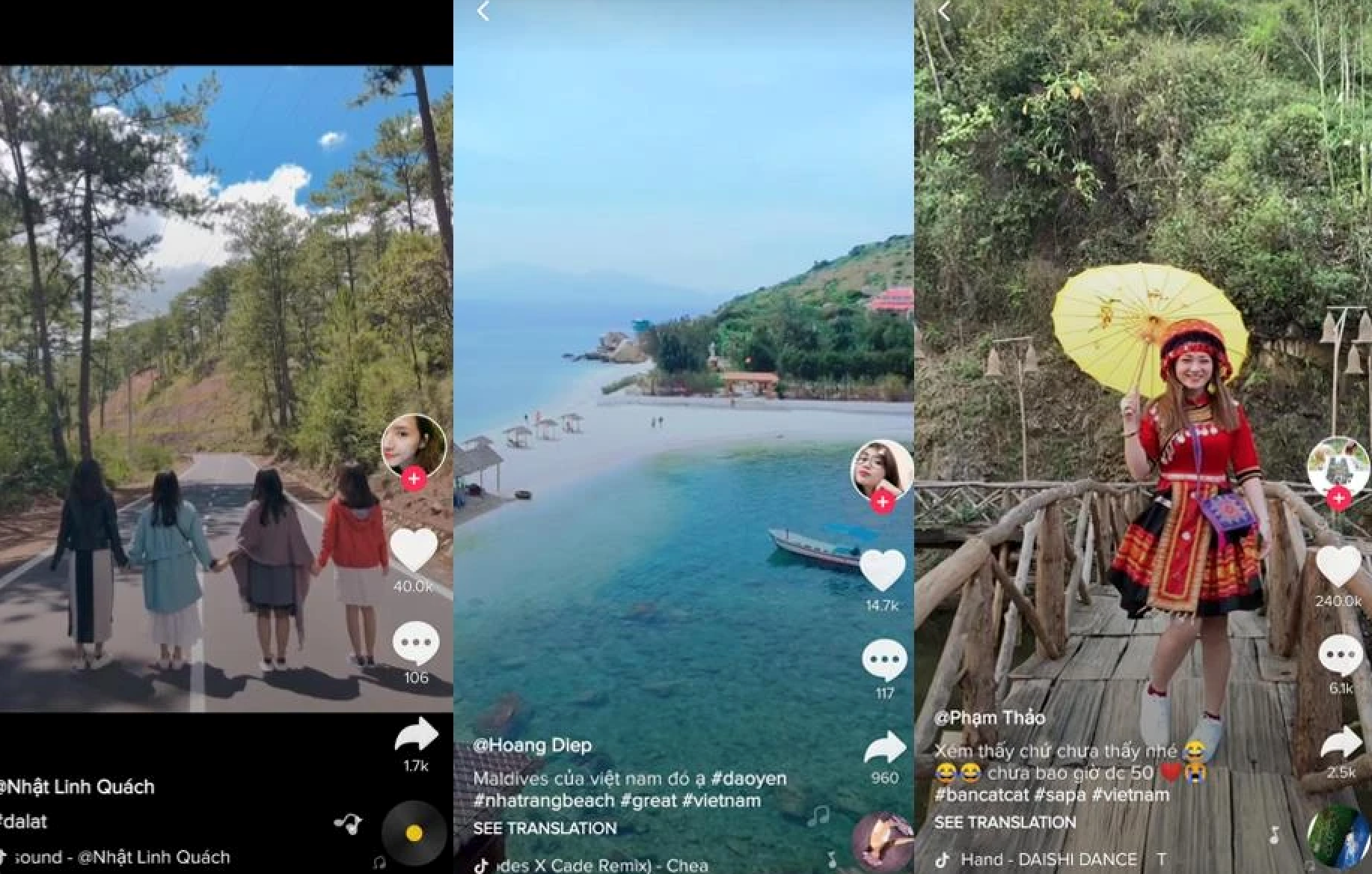
Illustrative image.The necessity of digital transformation in communication and promoting Vietnam's image to the world is a field of particular concern to the Party and State of Vietnam. In Resolution No. 47/NQ-CP dated April 15, 2024, of the Government on the Government's Action Program to 2030 implementing Conclusion No. 57-KL/TW dated June 15, 2023, of the Politburo on continuing to improve the quality and effectiveness of external information work in the new situation, the Prime Minister assigned the Ministry of Information and Communications (MIC) to develop a "Project to develop one national external information portal/website to become a platform for promoting the national image" . This is a crucial task in the context of increasingly fierce information competition between countries and cross-border platforms, while Vietnam's digital media and digital journalism are currently lagging behind and facing many difficulties and challenges. Essentially, Vietnam's digital media, online newspapers, websites, and social networks are still lagging behind developed countries worldwide, with limited international reach. Experience from the World: The world is witnessing a leap forward in the development of digital platforms and large, globally influential online news websites such as: BBC (UK), CNN (USA), Naver (South Korea), and cross-border social media platforms providing digital content, online broadcasting and television applications, short videos , and e-commerce platforms like Facebook, YouTube, TikTok, Podcast, and virtual assistant platforms and AI applications producing derivative content such as ChatGPT, Bing, Gemini, etc. BBC (British Broadcasting Corporation) was founded in 1992, but BBC Online was officially established in 1997. Today, it has become one of the largest and most diverse news websites in the world, with over one billion visits per month (according to Semrush). This enormous traffic demonstrates BBC's global reach and solidifies its position as one of the most visited news websites in the world. The BBC's development strategy is unique and distinctive, integrating various media outlets onto a single platform, helping them build and maintain a leading position in the world of media. In terms of organizational structure: the BBC has a vast network of offices and reporters worldwide, allowing them to provide rapid, multi-faceted news updates through diverse approaches to reach audiences globally. BBC World Service offers programming in multiple languages, increasing their international reach and presence. In terms of content: the BBC provides a rich and diverse range of content, including news, documentaries, videos, podcasts, and many other topics such as culture, arts, entertainment, education, sports, travel, films, television programs, music , etc. One of the areas where BBC online places great emphasis is promoting the image of the UK, using the BBC iPlayer tool to replay international radio and television programs. Channels like BBC World News and BBC World Service broadcast news and programs promoting the image of Britain to the world, helping to raise awareness and understanding of the country globally. In terms of technology, according to TVtechnology.com, BBC's technology strategy focuses on technological collaboration, innovation, and digital transformation, ensuring competitiveness and improving the user experience, making content easily accessible anytime, anywhere, while also ensuring efficiency in providing public services. CNN (Cable News Network) , founded in 1995, has become one of the largest news organizations in the United States and worldwide, with approximately 700 million visits per month. According to Similarweb, CNN has become a leading global news platform thanks to several strategic secrets and key operations, including two crucial factors: exceptional content and technological innovation. In terms of content: CNN was the first television news network to provide 24/7 news coverage, always reacting quickly to breaking news events, ensuring it's one of the first sources of information for its audience. Its flexibility in news production and distribution helps it maintain high competitiveness, thereby attracting a large audience that needs quick news updates. In terms of technology: CNN is also a pioneer in adopting new technologies, belonging to the leading group in multi-platform integration, including social media, mobile applications, and online broadcasting, to provide the best user experience. Dynamic Web Technology is a crucial part of the modern website experience, allowing websites to interact and respond to user behavior, creating a more intuitive, engaging, and attractive experience. This technology includes effects and animations to make websites more dynamic. Adaptive interface: Use an adaptive interface to ensure that the website displays optimally on all types of devices, including computers, mobile devices, and tablets, etc. Optimize page load speed, ensuring the website loads quickly and smoothly on all types of internet connections. This is a crucial factor in improving user experience and increasing the chances of attracting and retaining users. Another solution is to use a Content Delivery Network (CDN) to distribute content across a network of servers worldwide, reducing latency and increasing page load speed for users in remote locations. Data analysis and personalization are solutions to understand user needs, tastes, and behavior, thereby providing personalized content, increasing interaction, and creating more engaging user experiences. Naver (South Korea) In South Korea, a country with a rapidly developing digital content sector and numerous news websites and digital platforms, one of the most well-known news platforms is Naver, with approximately 500 million visits per month. Founded in 1999, Naver is not only one of the largest technology companies in South Korea but also an important part of the country's online culture, providing a wide range of services and platforms for users to experience and utilize the internet in diverse and convenient ways, such as: news platforms, search engines, entertainment, e-commerce, and platforms for promoting Korean image and culture to the world, etc. Photo: Wired.Cross-border Social Media Platforms : Globally, there are numerous cross-border social media platforms with billions of users worldwide, led by: Facebook: nearly 2.5 billion users; YouTube, WhatsApp: approximately 2 billion users; Facebook Messenger: 1.3 billion users; WeChat: nearly 1.2 billion users. Social media has truly brought many opportunities for users to experience and do business, but it also poses a series of challenges, especially for traditional newspapers. Information Competition : Social media provides a platform for all users to share their information, perspectives, and personal opinions. This creates significant competition for information, as users can easily access information from many different sources on social media without having to rely on traditional newspapers. Changes in news reading habits : Users are increasingly consuming news through social media instead of traditional newspapers, posing challenges for traditional newspapers in attracting and retaining readers. Speed of dissemination: Social media allows information to spread very quickly and widely. The response time on social media is often shorter than that of traditional newspapers, forcing newspapers to compete in terms of information speed. Hot topics and content trends : Social media frequently creates hot topics, setting trends and sometimes putting pressure on traditional newspapers to follow information trends, even before the information is verified, potentially affecting the accuracy and reliability of information published in the press. Business and advertising models : Social media provides a powerful advertising environment, leading businesses to often invest in advertising on social media instead of in traditional newspapers, negatively impacting the revenue of traditional newspapers. Facebook is the world's largest online social network with approximately 2.5 billion monthly users. It allows users to create personal profiles, connect with friends and family, share content, photos, and videos, join groups and events, and interact through posts and comments. The platform also offers advertising and business features, enabling businesses to advertise their products and services to Facebook users. Facebook also owns several other applications and services such as Instagram, WhatsApp, Messenger, and Oculus VR, expanding its presence across various areas of the internet. However, Facebook has also faced numerous issues related to personal data management, fake news, and has encountered much controversy and criticism regarding its management and operation. Facebook provides tools and resources for small and medium-sized enterprises (SMEs) to build and promote their brands. Features like Business Pages, Facebook Marketplace, and advertising tools help businesses reach potential customers effectively. With Facebook's superior features, many news organizations now create fan pages on Facebook as an extension to spread information widely to the public. YouTube YouTube was founded in 2005 by three former PayPal employees: Steve Chen, Chad Hurley, and Jawed Karim. A year later, in 2006, Google acquired it and developed it into the world's largest and most popular video sharing platform, offering a diverse range of content, from entertainment, humor, music, and movies to advice, education , and news. It also features live video streaming, allowing creators to interact directly with their audience through live broadcasts. YouTube is multi-platform, including web browsers, mobile apps on both iOS and Android, and other smart devices. Interestingly, YouTube has a simple and user-friendly interface, allowing users to easily search, browse, and interact with videos through comments, likes, dislikes, and shares, creating a multi-faceted space for interaction and exchange of opinions. YouTube allows video creators to earn money through the YouTube Partner Program (YPP), through which they can earn from advertising, membership privileges, and other forms of income. This is a major attraction, encouraging creators to actively provide content to the platform. TikTok was founded in September 2016 in China by ByteDance, initially called Douyin. In 2017, ByteDance launched the international version as TikTok. After six years of establishment, TikTok quickly became popular globally, attracting billions of users and creating a vibrant community of digital content creators and platform users, especially after ByteDance acquired the Musical.ly app and merged it with TikTok in August 2018. TikTok is a social media app that allows users to create and share short videos ranging from 15 to 60 seconds, from entertaining, humorous, and funny clips to more serious, educational, and informative content. Additionally, TikTok offers a large music library with millions of songs and short audio clips for users to incorporate into their videos. Illustrative image. The platform's characteristics include high interactivity and robustness, with hashtags widely used to group content on similar topics, making it easy for users to follow current events. In addition, TikTok frequently introduces new trends, keeping the platform attractive and vibrant. Similar to YouTube, TikTok offers opportunities for video creators to earn money through programs like the TikTok Creator Fund and other forms of monetization such as advertising and sponsorships. Global Development Trends: From the above analysis, we see that the development trends of digital media platforms show a clear divergence: Online news and media platforms like BBC, CNN, or Naver were typically established around the mid-1990s, about 10 years before social media platforms like Facebook and YouTube, in the mid-2000s (TikTok is 20 years ahead). This shows that modern media trends change in a 10-year cycle, always paralleling technological developments and the application of new, intelligent technologies to optimize the user experience and facilitate easy participation in the production and provision of digital content. It creates opportunities and monetization possibilities for content creators on the platform, regardless of their background, location, or whether they are professional or amateur. Regarding content : The trend is towards shorter, faster, more diverse, flexible, reliable, and engaging content. Meeting these requirements demands a combination of various factors, from content and technology to user accessibility. Flexibility, diversity, speed, and brevity in content help attract and maintain the interest and participation of a wide range of users. Using artificial intelligence (AI) with intelligent algorithms to optimize website or application content, from keyword optimization to creating compelling titles and high-quality content, enhances performance, information quality, improves search engine ranking, predicts trends, and provides analysis to shape communication, advertising, and content production strategies based on a thorough understanding of user needs, tastes, habits, and behavior. However, alongside the immense benefits of digital technology and AI, the trend of AI-based digital content development is also considered a double-edged sword. Currently, trillions of pieces of information are created every second on the internet, causing overload, degrading information value, limiting the ability to acquire knowledge, and making the information environment unstable. AI algorithms can create realistic-looking deepfake content, eroding trust and raising concerns about bias, psychological manipulation, or content being restricted by "filter bubbles," etc. Therefore, ensuring the reliability and accuracy of information sources and information security is crucial. In terms of technology : Integrating multimedia, multiple applications, and multiple platforms such as news websites, mobile applications, messaging, videos, podcasts, social networks, and other media; utilizing advanced technology, artificial intelligence, machine learning, and data analytics will optimize user experience and provide personalized content, creating a smart, flexible, and effective communication environment. Ensuring user security and privacy is crucial, requiring close coordination between technical measures, policies, and education, along with commitment from both users and service providers to guarantee the safety and privacy of personal data. Security measures such as data encryption, access control, and data access monitoring are necessary to prevent unauthorized access to users' personal information, while also ensuring that the system and network infrastructure are protected from cyberattacks and information security risks. Regarding resources : Strengthening the mobilization of social resources and developing collaborative models between public agencies and organizations and private entities and businesses in the development and management of digital communication platforms is essential. The combination of resources and knowledge from both sides can enhance the platform's strength and competitiveness. Promoting cooperation in digital content development, private organizations, acting as content producers, should provide content to public media outlets according to the principles, objectives, and quality requirements set by the commissioning agencies. Furthermore, advertising and sponsorship activities should be boosted to ensure operational funding; cooperation in research and development of new technologies and solutions in the field of digital media is also necessary. Lessons for Vietnam: Evaluating the formation and development trends of major news platforms and social media worldwide, we see that the media sector is always closely linked to and inseparable from the development trends of digital technology, with two of the most important components being digital platforms and digital content (digital data). Digital platforms must be developed based on the application of intelligent technology, AI, and big data. Big data is generated from various sources, including a large supply from users, allowing users to participate in the production and provision of digital content or use AI to collect, analyze data, and create derivative content, etc. In short, digital transformation is an inevitable trend in modern communication worldwide, with the overarching goal of creating a comprehensive digital ecosystem, centered on digital platforms and digital content (digital data). Therefore, to optimize the promotion of Vietnam's image to the world, Vietnam must focus on developing digital media platforms and databases about Vietnam now to ensure that official information about Vietnam reaching the world is always comprehensive, accurate, secure, and easily accessible to the global public. References: 1. https://bbc.com 2. https://tvtechnology.com 3. https://similarweb.com 4. https://cnn.com 5. https://naver.com 6. https://facebook.com 7. https://youtube.com 8. https://twitter.com 9. https://vnexpress.net 10. Report at the 16th AMRI Conference 11. Conclusion No. 57-KL/TW dated June 15, 2023 of the Politburo on continuing to improve the quality and effectiveness of external information work in the new situation 12. Resolution No. 47/NQ-CP of the Government on the Government's action program until 2030 to implement Conclusion No. 57-KL/TW of the Politburo./.


.jpg)


![[Photo] Prime Minister Pham Minh Chinh holds a phone call with the CEO of Russia's Rosatom Corporation.](/_next/image?url=https%3A%2F%2Fvphoto.vietnam.vn%2Fthumb%2F1200x675%2Fvietnam%2Fresource%2FIMAGE%2F2025%2F12%2F11%2F1765464552365_dsc-5295-jpg.webp&w=3840&q=75)



![[Photo] Closing Ceremony of the 10th Session of the 15th National Assembly](/_next/image?url=https%3A%2F%2Fvphoto.vietnam.vn%2Fthumb%2F1200x675%2Fvietnam%2Fresource%2FIMAGE%2F2025%2F12%2F11%2F1765448959967_image-1437-jpg.webp&w=3840&q=75)



















































![[OFFICIAL] MISA GROUP ANNOUNCES ITS PIONEERING BRAND POSITIONING IN BUILDING AGENTIC AI FOR BUSINESSES, HOUSEHOLDS, AND THE GOVERNMENT](https://vphoto.vietnam.vn/thumb/402x226/vietnam/resource/IMAGE/2025/12/11/1765444754256_agentic-ai_postfb-scaled.png)










































Comment (0)