

The Industry and Trade Newspaper provides readers with an overview of the Vietnamese Trade Office in Iran (also covering Syria and Iraq).
The Vietnam Trade Office in Iran (also covering Syria and Iraq) is an agency under the Ministry of Industry and Trade , representing Vietnam's economic, trade, and investment interests in the Islamic Republic of Iran and also covering Syria and Iraq. Acting as a bridge between the government and the business community, the office promotes bilateral economic cooperation and supports businesses in finding investment and business opportunities in these markets.
The structure of the Vietnamese Trade Office in Iran (also covering Syria and Iraq) includes specialized staff seconded from the Ministry of Industry and Trade and a number of on-site contract staff. These staff members have received in-depth training in economics and trade, and possess experience working in international markets. This structure ensures the Trade Office operates effectively, meeting the requirements for promoting trade and investment between Vietnam and the Middle East region.
Vietnam and Iran have a long-standing friendship. Interactions between the people of the two countries began more than 1,000 years ago when Persian merchants came to Vietnam to trade, opening the door to cultural exchange between the two nations.
The relationship between Vietnam and Iran became even closer when the two countries officially established diplomatic relations on August 4, 1973. Just two days after the victory of the Islamic Revolution, on February 13, 1979, Vietnam sent a congratulatory message and recognized the Islamic Republic of Iran. In 1991, Iran opened an embassy in Hanoi. In 1997, Vietnam opened an embassy in Tehran.
Political and diplomatic relations between the two countries have seen positive developments across all channels: state diplomacy, parliamentary diplomacy, and people-to-people diplomacy. Economic and trade cooperation between the two countries has been continuously strengthened, achieving positive growth.
The close ties between Vietnam and Iran are further demonstrated by the signing of numerous agreements and cooperation agreements, such as: the General Agreement on Economic, Cultural and Scientific-Technical Cooperation (1993); the Trade Agreement (1994); the Cultural Cooperation Agreement (1995); the Reference and Cooperation Agreement between the two Ministries of Foreign Affairs (2000); the Air Transport Agreement (2001); the Commercial Maritime Transport Agreement (2002); the Investment Promotion and Protection Agreement; the Memorandum of Understanding on cooperation in the fisheries sector between the Ministry of Agriculture and Rural Development of Vietnam and the Ministry of Agriculture of Iran; the Memorandum of Understanding on cooperation in the cultural sector; the Double Taxation Avoidance Agreement; the Agreement on cooperation and mutual administrative assistance in the customs sector; and the Memorandum of Understanding on cooperation in technology, research and education (October 2014). Visa exemption agreement for holders of official passports (2016)(11)… The above agreements, documents and arrangements are important legal bases, creating conditions for the two countries to promote substantive cooperation, especially in some important areas, such as economy - trade, culture…
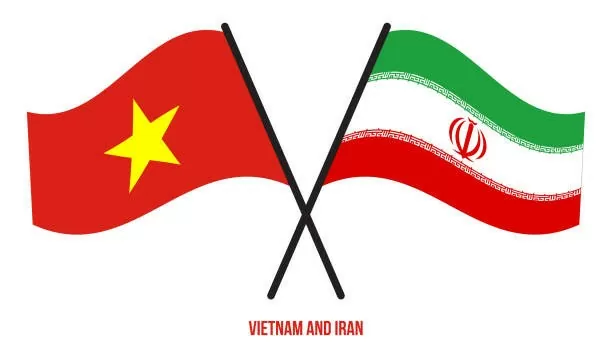 |
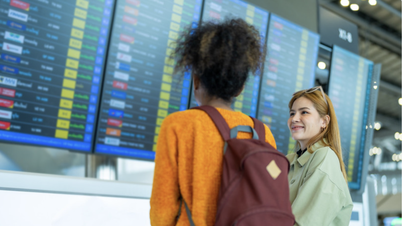
| The Vietnamese trade mission in Iran (which also covers Syria and Iraq) plays a significant role in supporting businesses in seeking investment and business opportunities in these markets. Photo: Istock |
Cooperation mechanisms, such as political consultations at the deputy foreign minister level and the Intergovernmental Committee, are effectively maintained by both countries. They also coordinate closely and support each other in regional and international multilateral forums. During a meeting on the sidelines of the 76th session of the United Nations General Assembly (September 2021), Iranian Foreign Minister Hossein Amirabdollahian "thanked Vietnam for its principled stance towards Iran at the United Nations." Iran values its traditional friendly cooperative relationship with Vietnam, supports Vietnam's integration into the region and the world, and supports Vietnam's candidacy for a non-permanent seat on the UN Security Council for the 2020-2021 term...
Regarding economic cooperation, although Vietnam and Iran officially established diplomatic relations in 1973, economic cooperation between the two countries only truly began in the early 1990s, when Vietnam accelerated its national reforms and expanded economic cooperation with many countries around the world.
For decades, trade has been seen as one of the bright spots in relations between the two countries. Bilateral trade volume has tended to increase.
While bilateral trade reached only $6.5 million in 2001, it exceeded $100 million by 2018. However, since 2018, due to the US reimposing sanctions on Iran, import and export activities between Vietnam and Iran have mainly been conducted through third parties.
In 2021, bilateral trade reached US$124.5 million. In 2022, two-way trade exceeded US$100 million, and in the first three months of 2023, it reached US$21 million. The two countries are striving to increase bilateral trade to approximately US$2 billion in the near future.
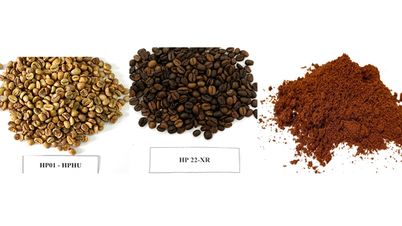
In terms of commodity structure, Vietnam mainly exports agricultural and aquatic products to Iran such as: pepper, cashew nuts, tea, coffee, seafood, in addition to some natural rubber, vegetables, fruits, seafood, footwear, handicrafts, wood products... and imports from Iran items such as plastic products, petroleum products, rubber, base metals, pharmaceuticals...
Iranian and Vietnamese agricultural products are complementary. Iran has a strong export advantage in products like saffron, dates, cherries, strawberries, pomegranates, and pistachios, while Vietnam has few or no such products. Conversely, Vietnamese products such as tea, coffee, cashews, and pepper are well-received in Iran. It can be said that Vietnamese goods are of good quality and are favored by Iranian consumers, particularly tea and coffee.
Currently, exporting goods to Iran is difficult due to sanctions, and Iran is constantly strengthening protectionism for its domestic products. Therefore, there are times of the year when Iran bans imports or increases import taxes on certain goods that domestic businesses can produce themselves. In addition, payments between Iran and foreign partners are also difficult because Iranian banks are prohibited from conducting international transactions. Typically, payments are made through intermediaries (third countries) such as Dubai, Türkiye, Oman, etc., leading to increased export costs.
Despite being affected by conflict, Syria and Iraq remain potential markets with demand for infrastructure reconstruction, construction, energy, and agricultural and consumer products. Vietnamese businesses can take advantage of this opportunity to supply goods and services, contributing to building a sustainable bilateral relationship.
It is evident that the Middle East in general, and Iran, Syria, and Iraq in particular, possess unique cultural, legal, and business environment characteristics. This trade mission plays a crucial role in helping Vietnamese businesses understand these challenges and simultaneously exploit the market's potential with appropriate strategies.
The Vietnamese Trade Office in Iran is a pioneer in promoting economic cooperation with Middle Eastern countries. With the support of the Trade Office, Vietnamese businesses have the opportunity to expand their markets, diversify their business activities, and build sustainable partnerships in this region.
Vietnam's Trade Mission in Iran (also covering Syria and Iraq) Third Secretary, in charge of Trade Affairs Nguyen Thanh Long Phone: +98 930 246 7042 Email: [email protected]; [email protected] |
Source: https://congthuong.vn/tong-quan-ve-thuong-vu-viet-nam-tai-iran-kiem-nhiem-syria-va-iraq-366359.html




















![[Video] The craft of making Dong Ho folk paintings has been inscribed by UNESCO on the List of Crafts in Need of Urgent Safeguarding.](https://vphoto.vietnam.vn/thumb/402x226/vietnam/resource/IMAGE/2025/12/10/1765350246533_tranh-dong-ho-734-jpg.webp)











































Comment (0)