

The spreading cold air mass could cause temperatures in Ho Chi Minh City to drop to 20 degrees Celsius by the end of January. Notably, unseasonal rains will occur throughout the dry months, creating an indistinct dry season.
The weather is quite cold at night and in the early morning during the first month of the year.
Le Dinh Quyet, Head of the Forecasting Department at the Southern Region Meteorological and Hydrological Station, has just issued a long-term weather forecast and warning for Ho Chi Minh City for the next three months (January-March 2025).
Accordingly, in January 2025, cold air masses will be active , intensifying and moving further south, and continuing to gradually spread throughout the region. Northeast monsoon winds will be prevalent in the Southern region with moderate intensity.
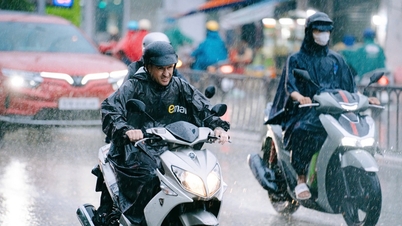
The weather forecast for Ho Chi Minh City is cloudy with little sunshine and the possibility of an unseasonal rain shower, with a moderate amount of rainfall but covering a fairly wide area.
Cold weather is expected at night and in the early morning during the first few days of the month and the latter half of the month. Lowest temperatures are likely to drop to 20 degrees Celsius during the last few days of January.

In February, the region is primarily affected by the southern edge of a strengthening and spreading continental cold high-pressure ridge. The northeast monsoon winds dominate the weather in the area, with moderate to strong intensity.
The weather in Ho Chi Minh City is generally dry, with only a few areas experiencing light, insignificant rain, and the number of rainy days in February is around 3-5 days. During the first half of the month, nights and early mornings are quite cool. Towards the end of the month, there is a possibility of localized heatwaves with maximum temperatures exceeding 35 degrees Celsius.
In March, the region was still affected by the southern edge of the continental cold high-pressure system, but the northeast monsoon winds dominating the weather weakened considerably, generally ranging from weak to moderate in intensity. A hot low-pressure system from the west developed and gradually became more active.
The area will experience several periods of widespread heatwaves, with maximum temperatures of 36-37 degrees Celsius occurring in the city center. The number of hot days will typically range from 10-15 days.
Unseasonal rains occur throughout the dry season months.
Regarding rainfall during this period, Mr. Le Dinh Quyet stated that in the dry months of early 2025, there will be quite a few unseasonal rain showers with generally light to moderate rainfall lasting for a few days.
"Unseasonal rains are likely to occur throughout the dry months, creating an indistinct dry season, or what is also known as a wet dry season, in the area," Mr. Quyet emphasized.
Specifically, January 2025 is the peak of the dry season in Southern Vietnam, so there will be little rain. However, unseasonal rain showers lasting several days will frequently occur, resulting in a higher-than-average total monthly rainfall across most of the region.
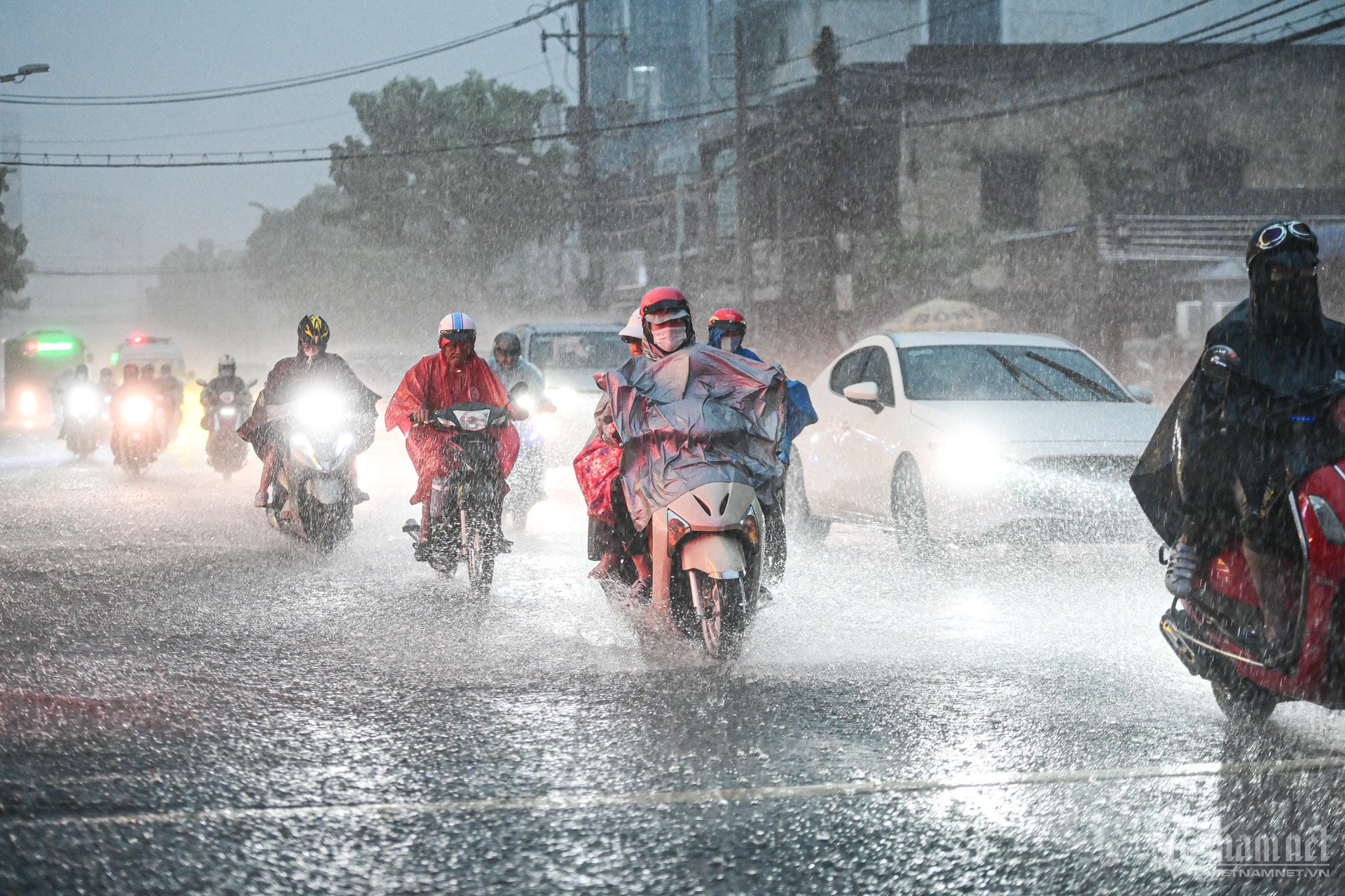
February has fewer unseasonal rainy days than January; although there are only a few days of heavy rain, the total rainfall in February is still higher than in January and above the multi-year average. The percentage of rainfall exceeding the standard in February in Ho Chi Minh City is approximately 50-100%.
In March, convective thermal rain begins to appear in some areas of the region from mid-month onwards. Therefore, there will be significant variations in rainfall between small areas. Across the entire region, total rainfall is generally at or slightly above the multi-year average. The city center, however, experiences significantly higher rainfall than the multi-year average.
Regarding temperatures during this period, Mr. Quyet informed that in January, temperatures decreased due to the impact of the northeast monsoon. In February, the cold air intensified and gradually weakened towards the end of the month; the lowest nighttime temperatures remained quite low, but midday temperatures gradually increased, with localized heatwaves in the city center reaching over 35 degrees Celsius.
March may see a few widespread heatwaves.
According to Mr. Quyet, the hot season in 2025 is likely to arrive early but will not be as intense as in 2024, including the absolute highest temperatures and the number of hot days in Ho Chi Minh City.
The total standard deviation of the average temperature over the three months was mostly higher than the multi-year average across the Ho Chi Minh City area.

10-day weather forecast: Consecutive cold fronts, low-pressure trough returns.
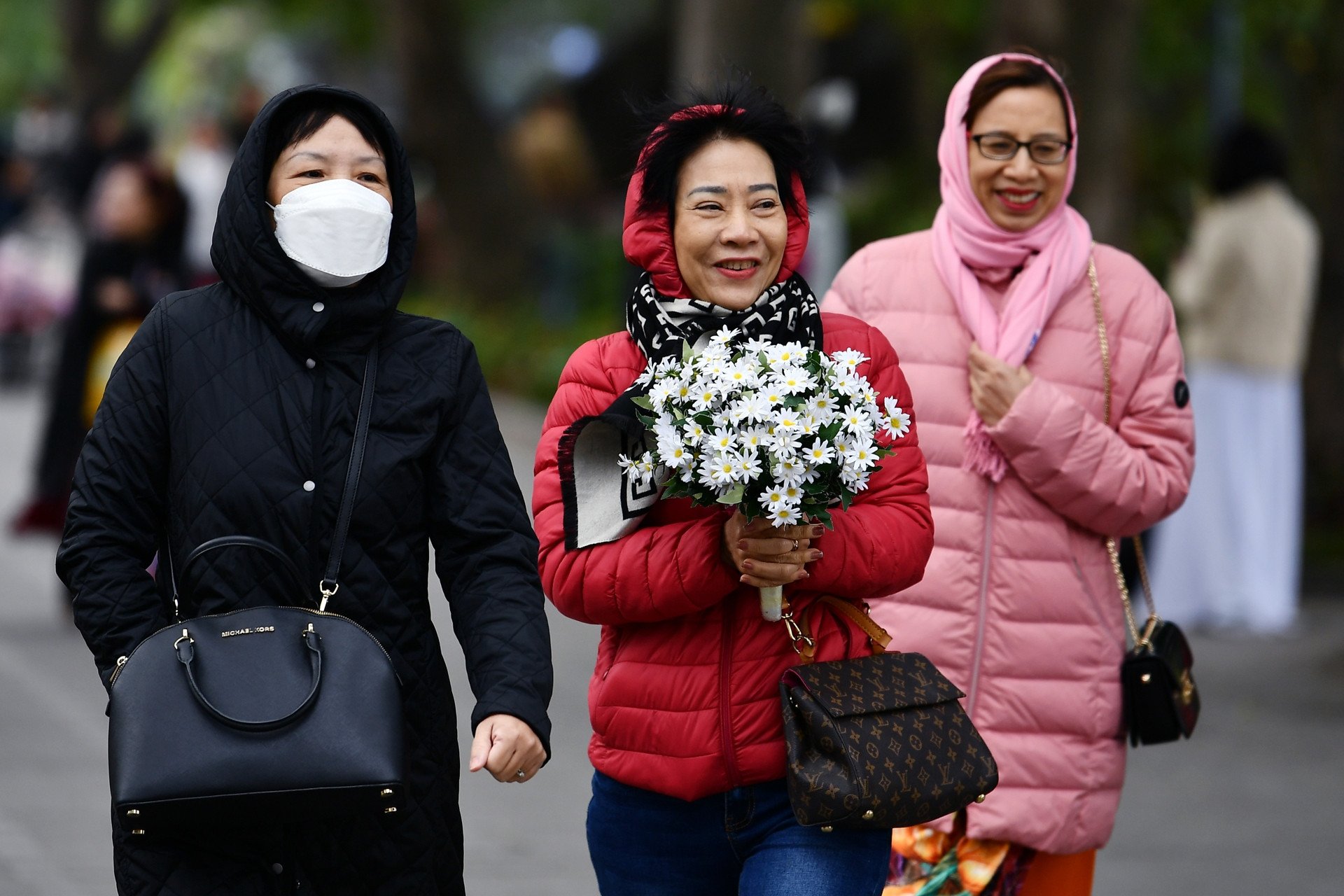
With the strengthening cold front, the North is likely to experience severe cold weather until the beginning of the year.
Source: https://vietnamnet.vn/tphcm-kha-nang-lanh-xuong-duoi-20-do-dien-bien-bat-ngo-ve-mua-kho-2358312.html

![[Photo] Prime Minister Pham Minh Chinh holds a phone call with the CEO of Russia's Rosatom Corporation.](/_next/image?url=https%3A%2F%2Fvphoto.vietnam.vn%2Fthumb%2F1200x675%2Fvietnam%2Fresource%2FIMAGE%2F2025%2F12%2F11%2F1765464552365_dsc-5295-jpg.webp&w=3840&q=75)


![[Photo] Closing Ceremony of the 10th Session of the 15th National Assembly](/_next/image?url=https%3A%2F%2Fvphoto.vietnam.vn%2Fthumb%2F1200x675%2Fvietnam%2Fresource%2FIMAGE%2F2025%2F12%2F11%2F1765448959967_image-1437-jpg.webp&w=3840&q=75)













































![[OFFICIAL] MISA GROUP ANNOUNCES ITS PIONEERING BRAND POSITIONING IN BUILDING AGENTIC AI FOR BUSINESSES, HOUSEHOLDS, AND THE GOVERNMENT](https://vphoto.vietnam.vn/thumb/402x226/vietnam/resource/IMAGE/2025/12/11/1765444754256_agentic-ai_postfb-scaled.png)














































Comment (0)