

In the historical flow of building and defending the country, Hai Phong land and Bach Dang river have become witnesses of historical moments. On this river, in the years 938, 981 and 1288, under the talented leadership of three national heroes Ngo Quyen, Le Hoan and Tran Hung Dao, our people achieved great victories, crushing the invasion wars of the Northern feudal dynasties.
The common point of all three battles is the intellectual art of war : Our ancestors cleverly applied the law of tides, erecting unique wooden stakes. But over time, along with the changes of nature, the traces of the large-scale wooden stake system around Bach Dang River are still hidden deep underground, leaving behind many layers of mystery.
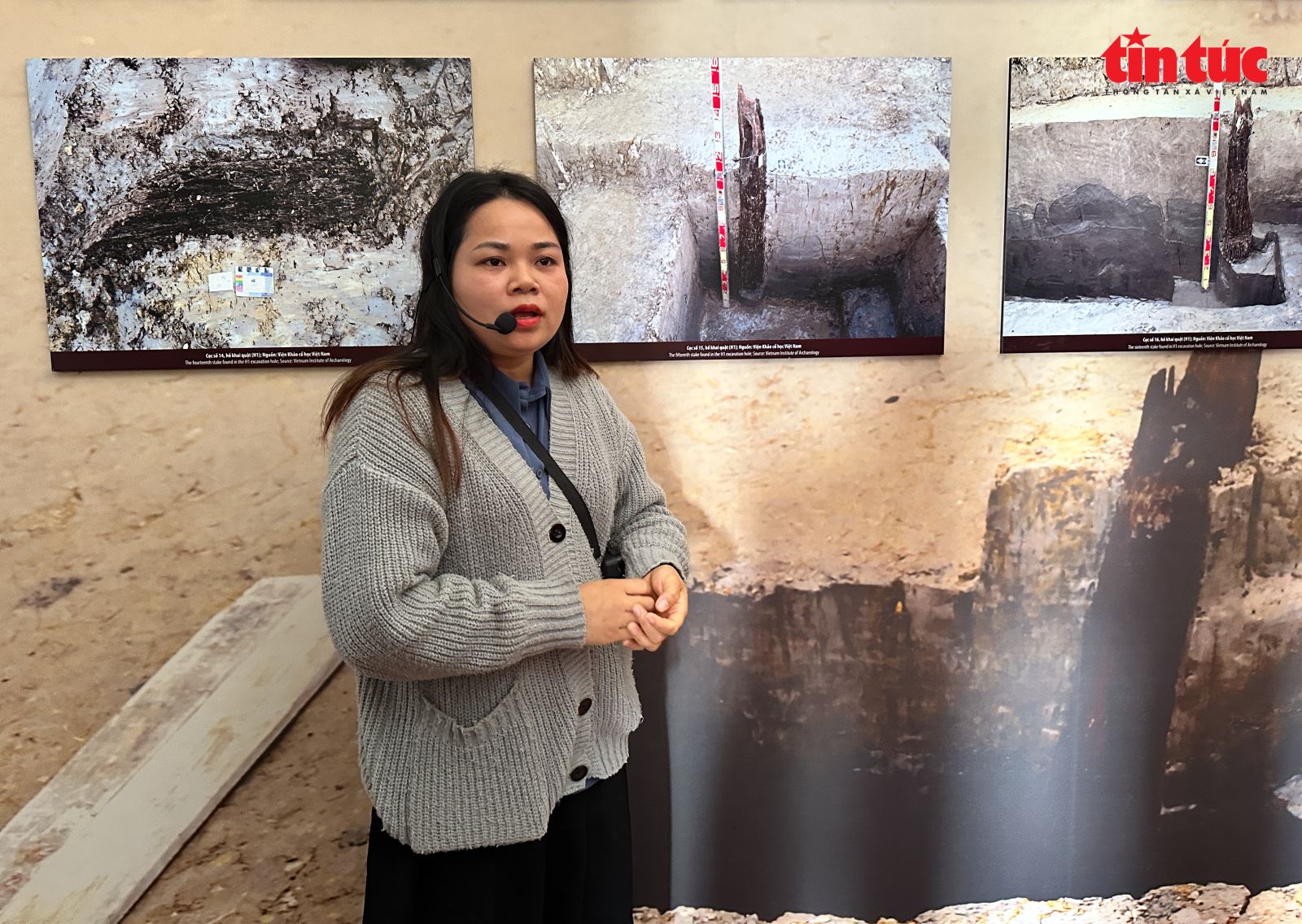
Ms. Nguyen Thi Phuong, tour guide at Cao Quy stake site (Hai Phong) introduces the relic site.
Ms. Nguyen Thi Phuong, a tour guide at Cao Quy stake site, recalls: In October 2019, while working in production, local people suddenly discovered two large blocks of wood lying at a depth of about 1 meter. The information was quickly reported and the City Party Committee, People's Committee (UBND), and People's Council (HĐND) of Hai Phong City planned to delimit the conservation area and requested competent authorities to conduct excavation research.
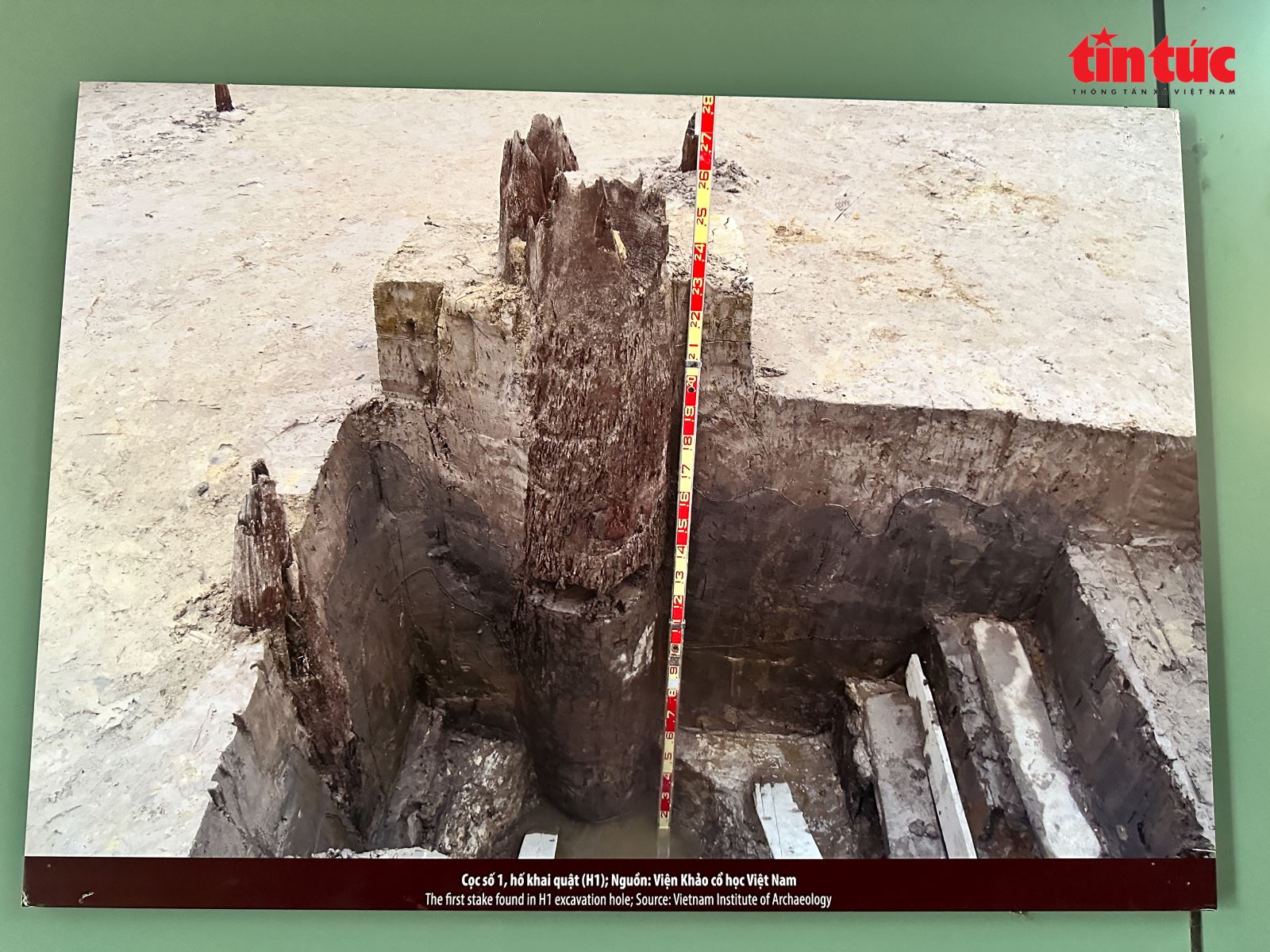
“On November 22, 2019, with permission from the Ministry of Culture, Sports and Tourism, the archaeological team of the Institute of Archaeology coordinated with the Hai Phong Museum and the locality to conduct excavations. Three pits were opened with a total area of 1,098 m², from November 27 to December 19, 2019. The results discovered a large pile array with 73 wooden stakes, 2 wooden columns, 21 pile holes and a black soil hole,” said Nguyen Thi Phuong, a lecturer.
Ms. Phuong added that when the wooden stakes were discovered, they were all broken, creating cracks and grooves. The foot of the stakes was flattened, showing clear signs of manufacturing. The diameter of the stakes was also very diverse: small ones from 14 - 18 cm, medium ones from 28 - 32 cm and especially there were stakes with diameters up to 60 cm, longer than 3 m. In addition, some pieces of wood with manufacturing marks, pieces of burnt charcoal and ceramic artifacts from the Tran and Nguyen dynasties were also discovered...
In late 2019 and early 2020, in Lien Khe commune, Thuy Nguyen district, Hai Phong city (now Luu Kiem ward, Hai Phong city), local people and authorities discovered traces of Cao Quy stake field.
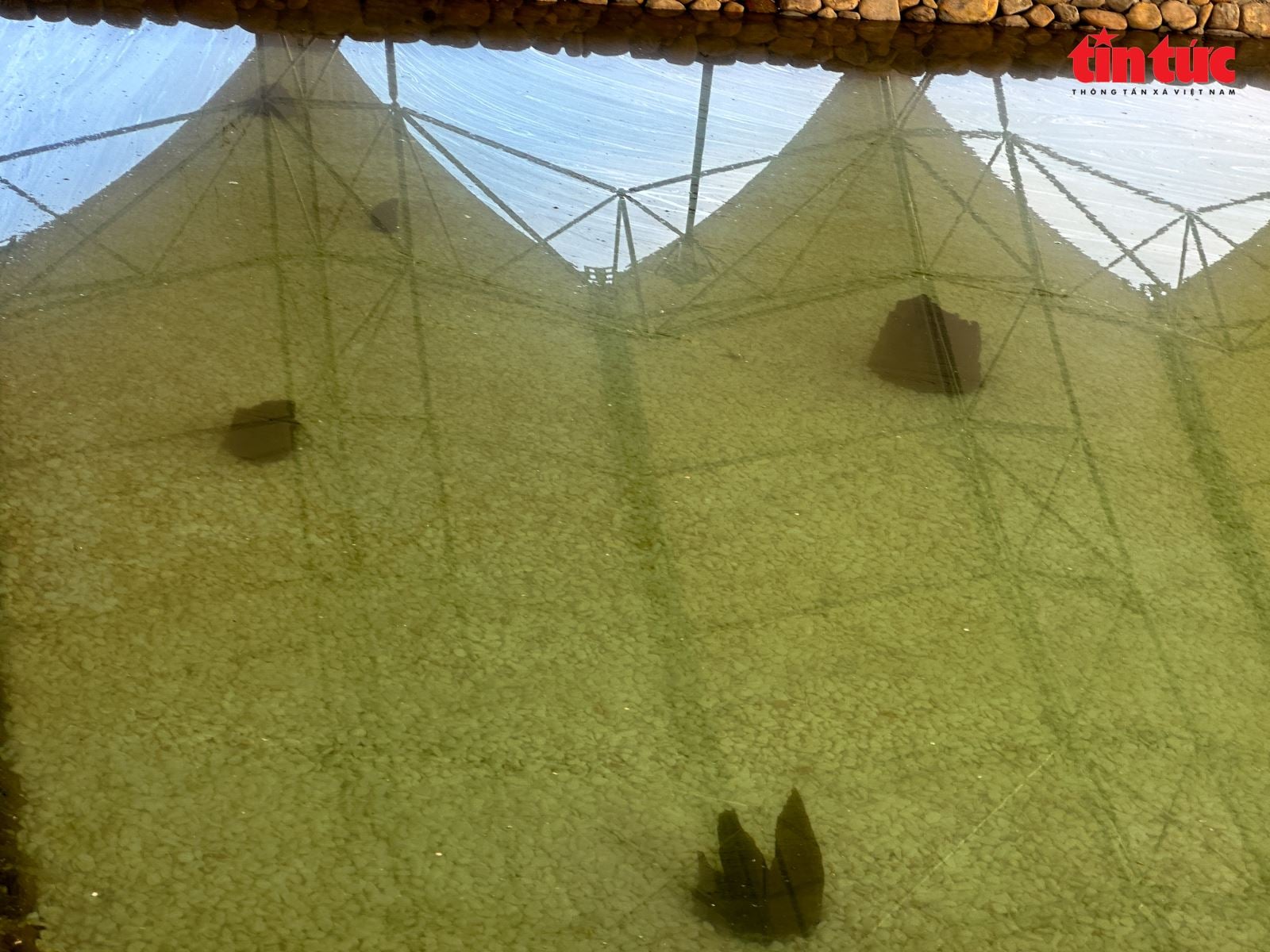
From the results of excavation and dating of wooden stakes by the Vietnam Institute of Archaeology, archaeologists and historians have proven that the Cao Quy stake field is closely related to the strategic battle on Bach Dang River in 1288. In the picture are wooden stakes being preserved in a specially formulated solution.
Cao Quy stake field is located at the head of a large tidal channel connecting Gia River with Da Bac River where the Yuan-Mongol army's warships could not help but pass through when retreating. Combined with folk field survey materials, it shows that the scale of the Bach Dang 1288 battle took place on a very large battlefield stretching along the Bach Dang River, with the center being the Trang Kenh area.
In the upper reaches of the Bach Dang River (now Luu Kiem and Bach Dang wards), on the Gia River estuary and along the Da Bac River, Tran Hung Dao ordered his soldiers to plant stakes across the mouths of tidal creeks and branches connecting to the Bach Dang River. These stakes were intended to block the Yuan-Mongol warships from entering the Gia River to reach the Bach Dang River, protecting the safety of the Tran Dynasty's main forces deployed in the North and Northeast of Thuy Nguyen District (old).
In particular, the stake field at the Cao Quy stake field relic is closely related to the Truc Dong - Bach Dang victory that took place on April 8, 1288. The Cao Quy stake field created blocking and diversionary points to wear down the enemy's strength on the way of retreat, forcing them to follow the Da Bac River into the Bach Dang River, falling into the ambush of our army and people, creating the premise for the decisive strategic battle on the Bach Dang River on April 9, 1288.
At the end of 2019, the People's Committee of Hai Phong City assigned the Department of Culture and Sports, Hai Phong Museum, and Thuy Nguyen District People's Committee to coordinate with the Vietnam Institute of Archaeology to conduct a survey and excavation of the Cao Quy stake site, Luu Kiem Ward, Hai Phong City.
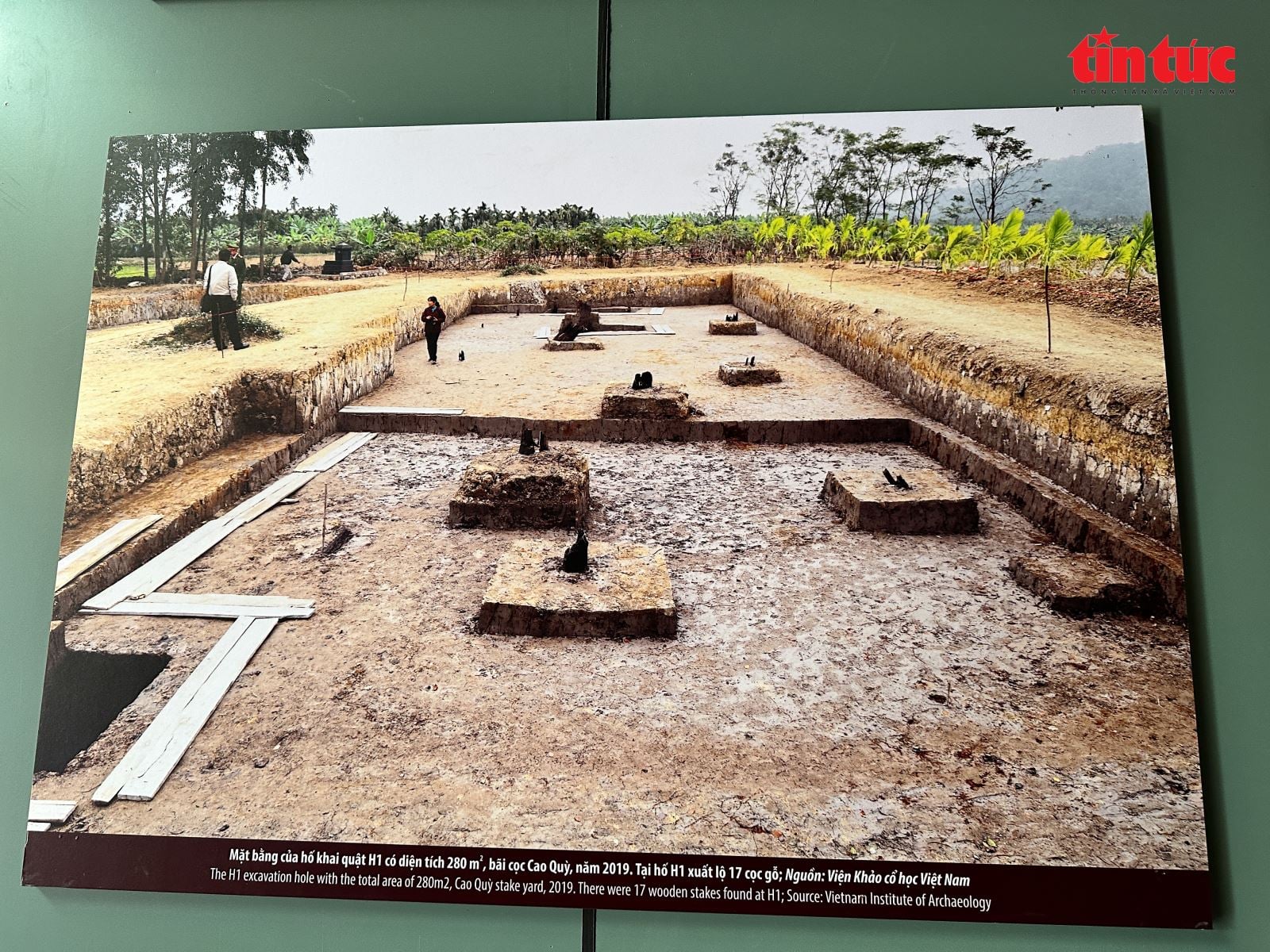
Cao Quy stake field is a priceless source of historical material, a unique original artifact, contributing to the research on our ancestors' heroic tradition of fighting against foreign invaders.
From the results of archaeological excavations, combined with the dating of wooden stake samples and comparison with historical documents and field data, experts initially determined that Cao Quy stake field was a battlefield dating back to the late 13th century, closely associated with the resistance war against the Yuan-Mongol army in 1288 by the Tran Dynasty army and people.
This important discovery not only contributes to clarifying an important link in the Bach Dang battle of 1288, but also opens up a new direction of more comprehensive and general research on the scale, space of the battlefield and the system of related locations. From there, the picture of the fierce battles of the Tran Dynasty's army and people on Hai Phong land in the war to defeat the Yuan-Mongol invaders gradually appears clearer and more vivid.
Immediately after the discovery of the Cao Quy stake field, the City Party Committee, People's Council and People's Committee of Hai Phong City directed all levels, sectors and localities to coordinate with scientists to research and preserve the stake fields. At the same time, the City People's Committee implemented the project to build a road to the Cao Quy stake field conservation area in Luu Kiem ward (Hai Phong), gradually forming a tourist attraction to serve the education of patriotic traditions and foster national pride for present and future generations.
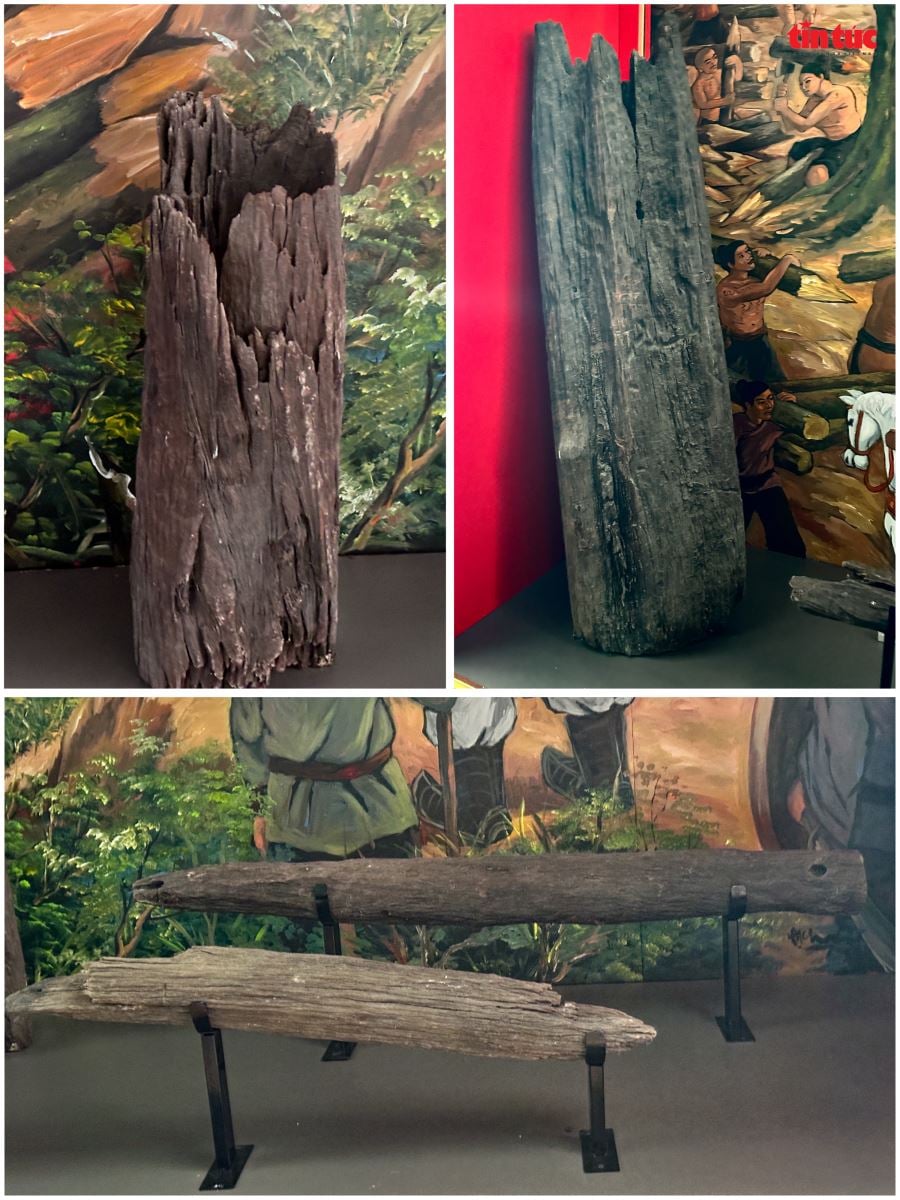
In the Cao Quy area, the wooden stakes are large in size, with flat, even bases.
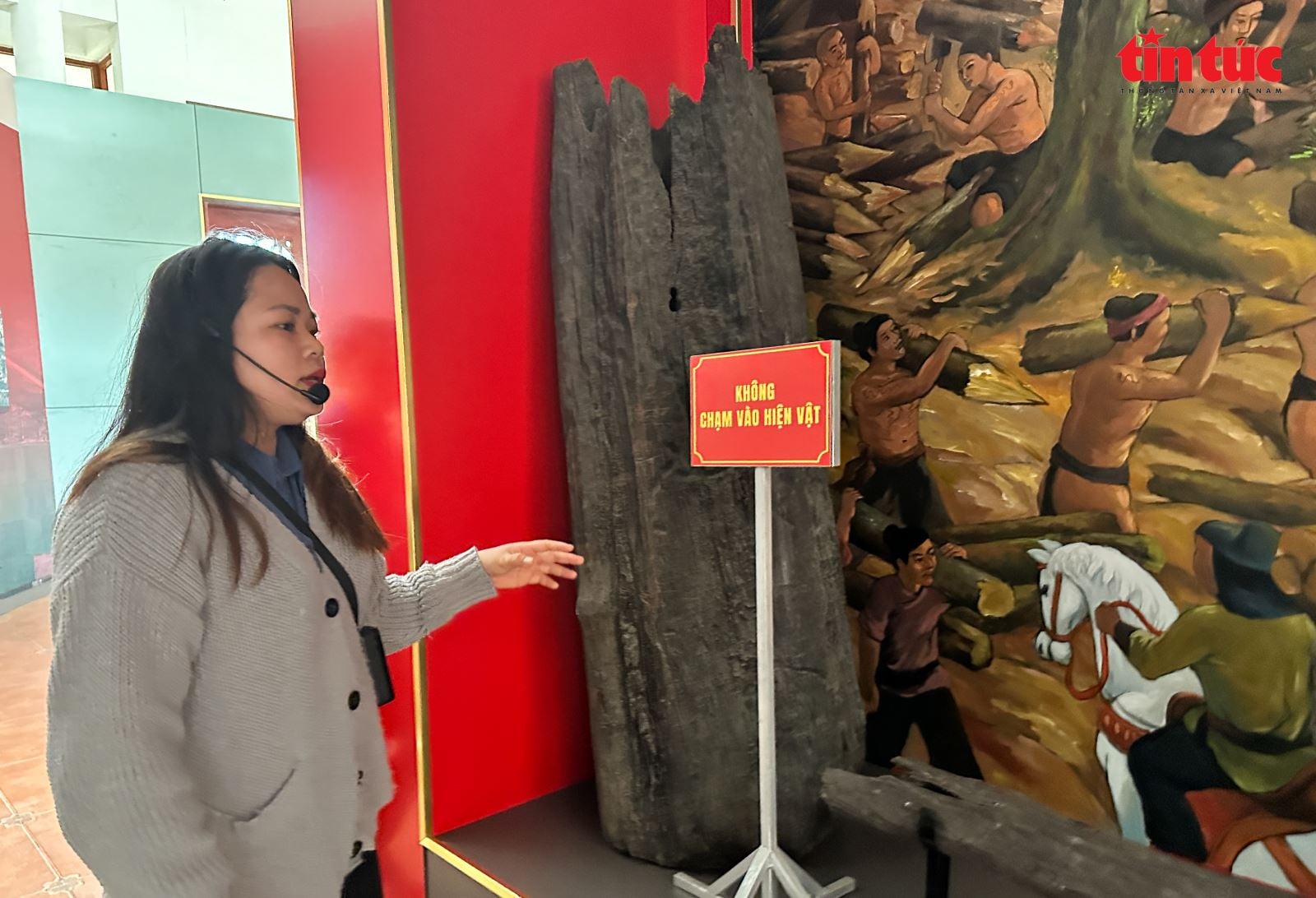
The tour guide provided more information about the artifacts at the site.
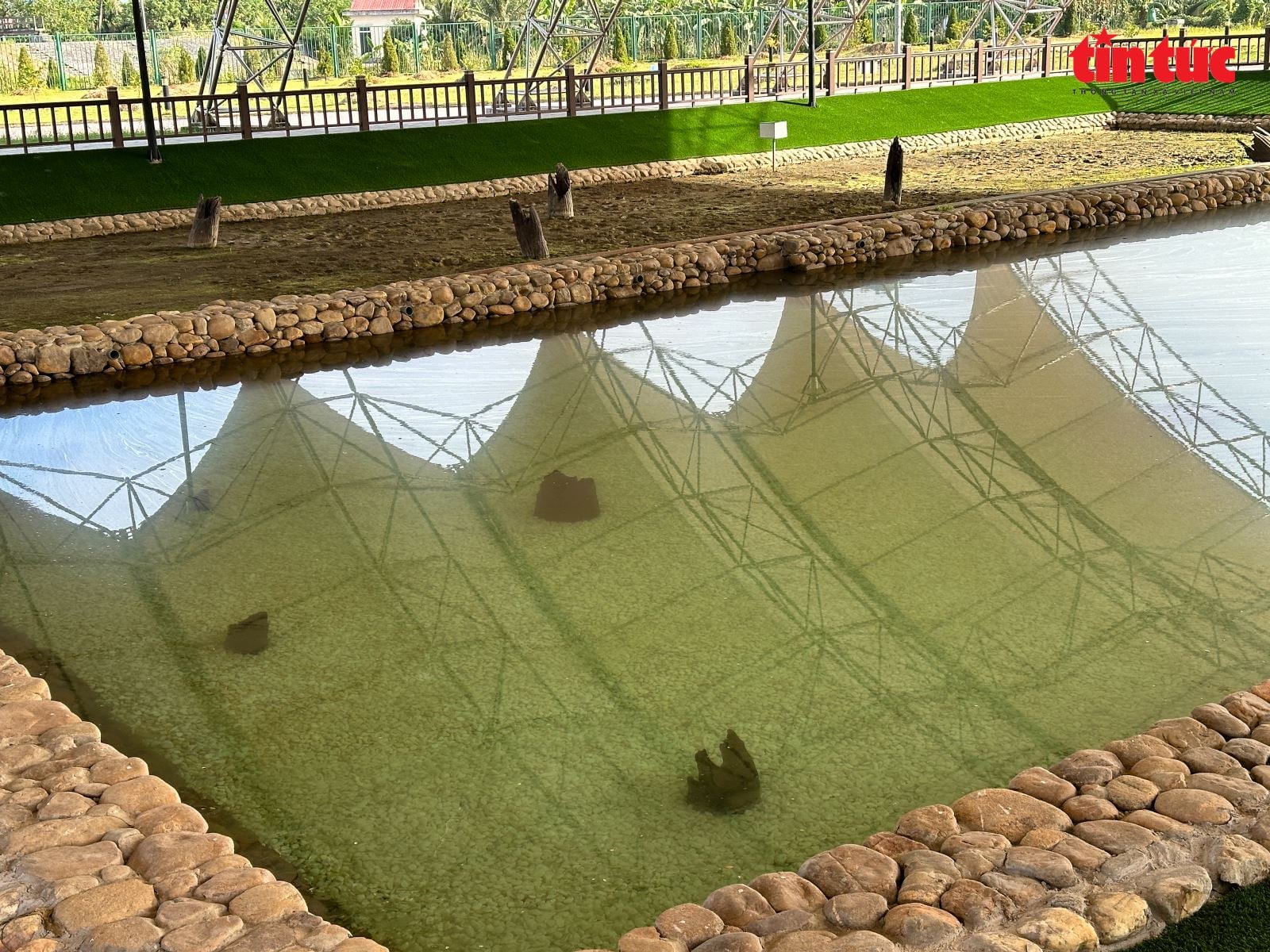
According to tour guide Nguyen Thi Phuong, few places in Vietnam can both display and preserve wooden stakes on site like here. The area in the lake currently preserves original wooden stakes, dating back to the 13th century, which have existed for more than 700 years.
The piles are preserved by soaking in water in a closed-loop environment; the water is treated and sterilized with UV rays, then specialized chemicals are added to penetrate deep into each wood fiber, helping to increase durability and kill harmful bacteria and mold.
Ms. Nguyen Thi Phuong also shared that the special feature of the Cao Quy area is that the wooden stakes are large in size, with flat, even bases. Experts hypothesize that Cao Quy is not the main battlefield, but only an area to prevent the enemy from entering... This location is an alluvial land, so the stakes do not need to be too long or too sharp; they can be planted in soft mud by digging holes and burying them, different from the way stakes are arranged in areas such as Quang Yen or Quang Ninh.
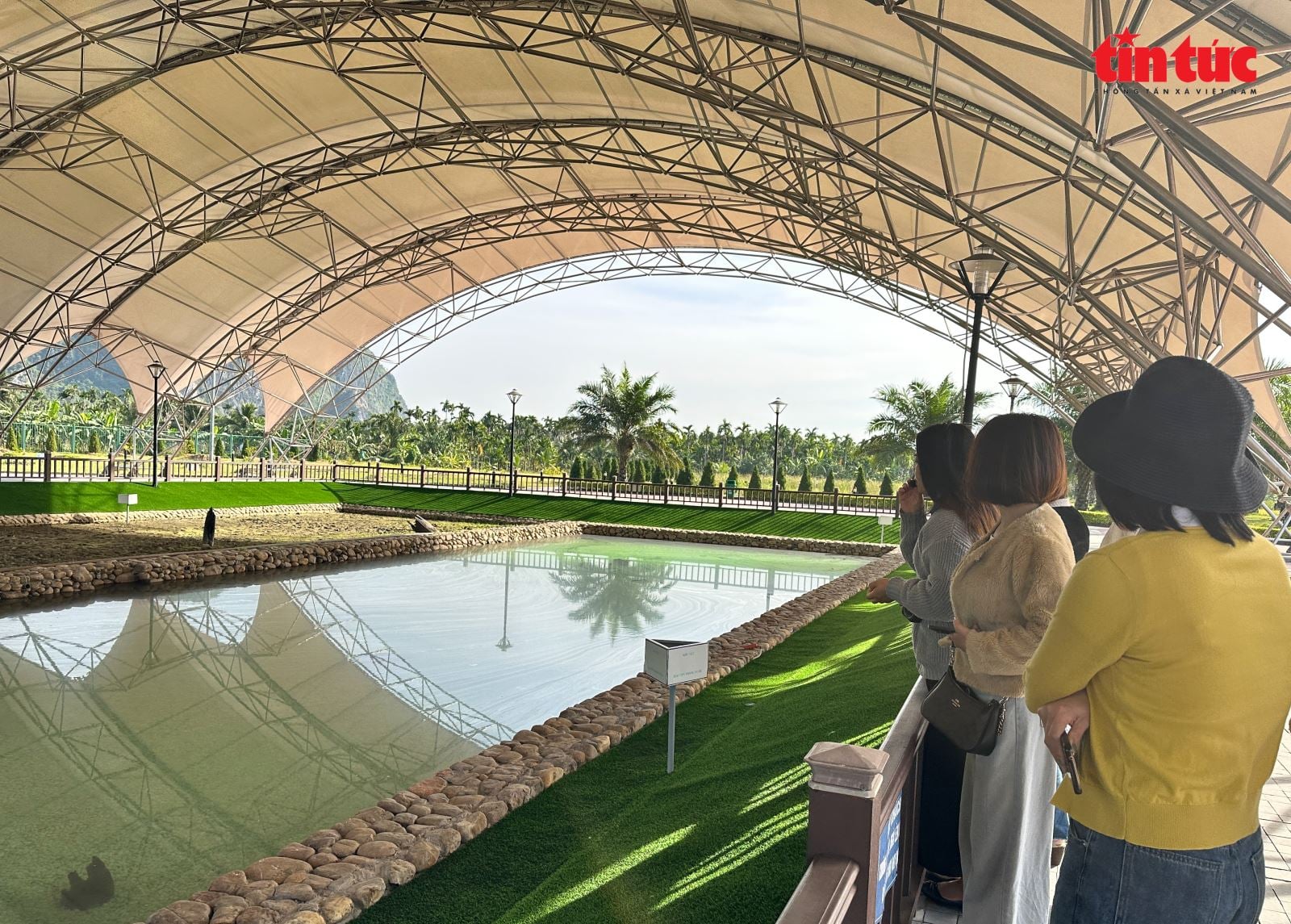
The dome protects the relic from the sun and rain and prevents coal dust from Quang Ninh.
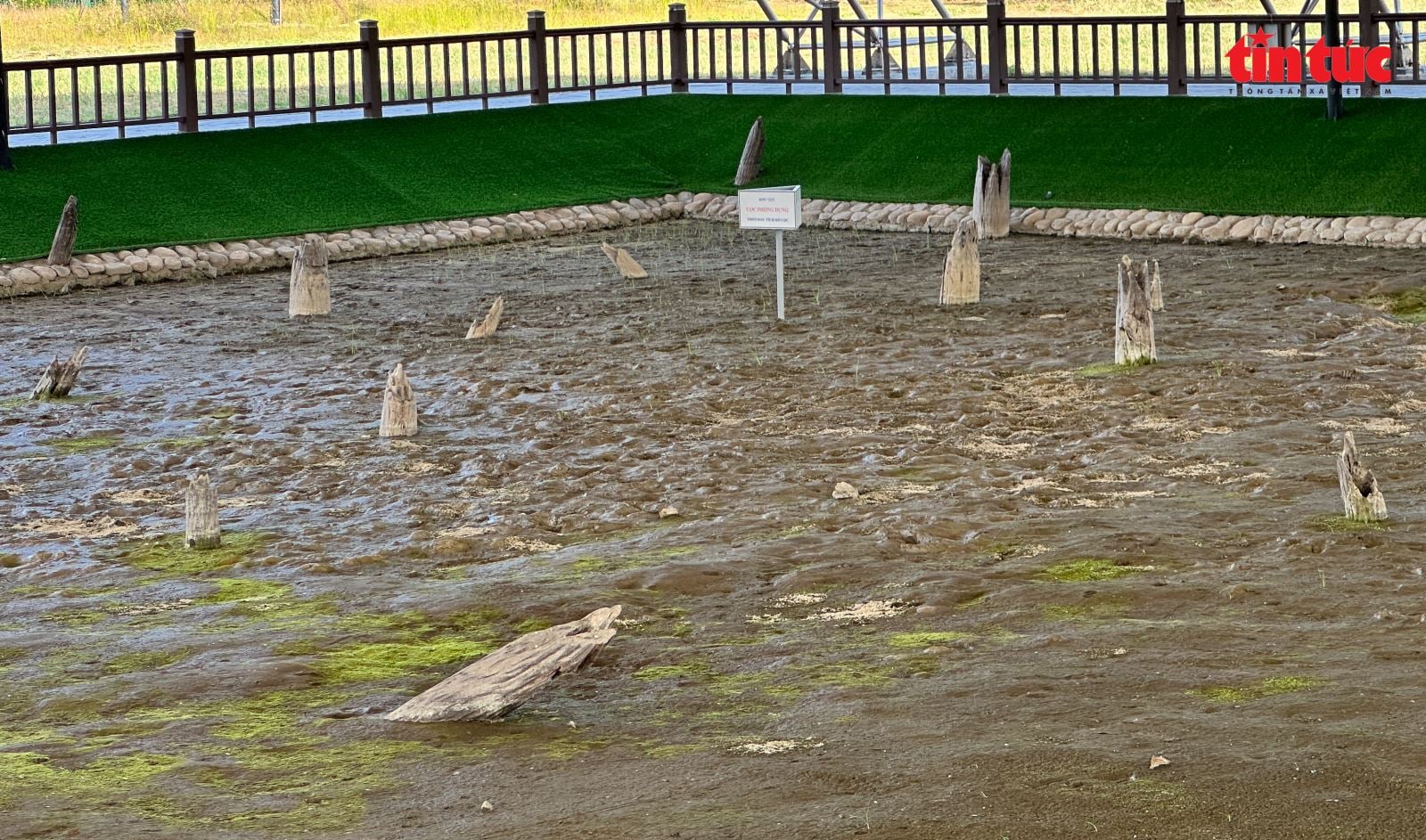
Cao Quy stake field has 27 wooden stakes excavated by scientists, identified as belonging to the naval battle against the Yuan army on Bach Dang river in 1288.
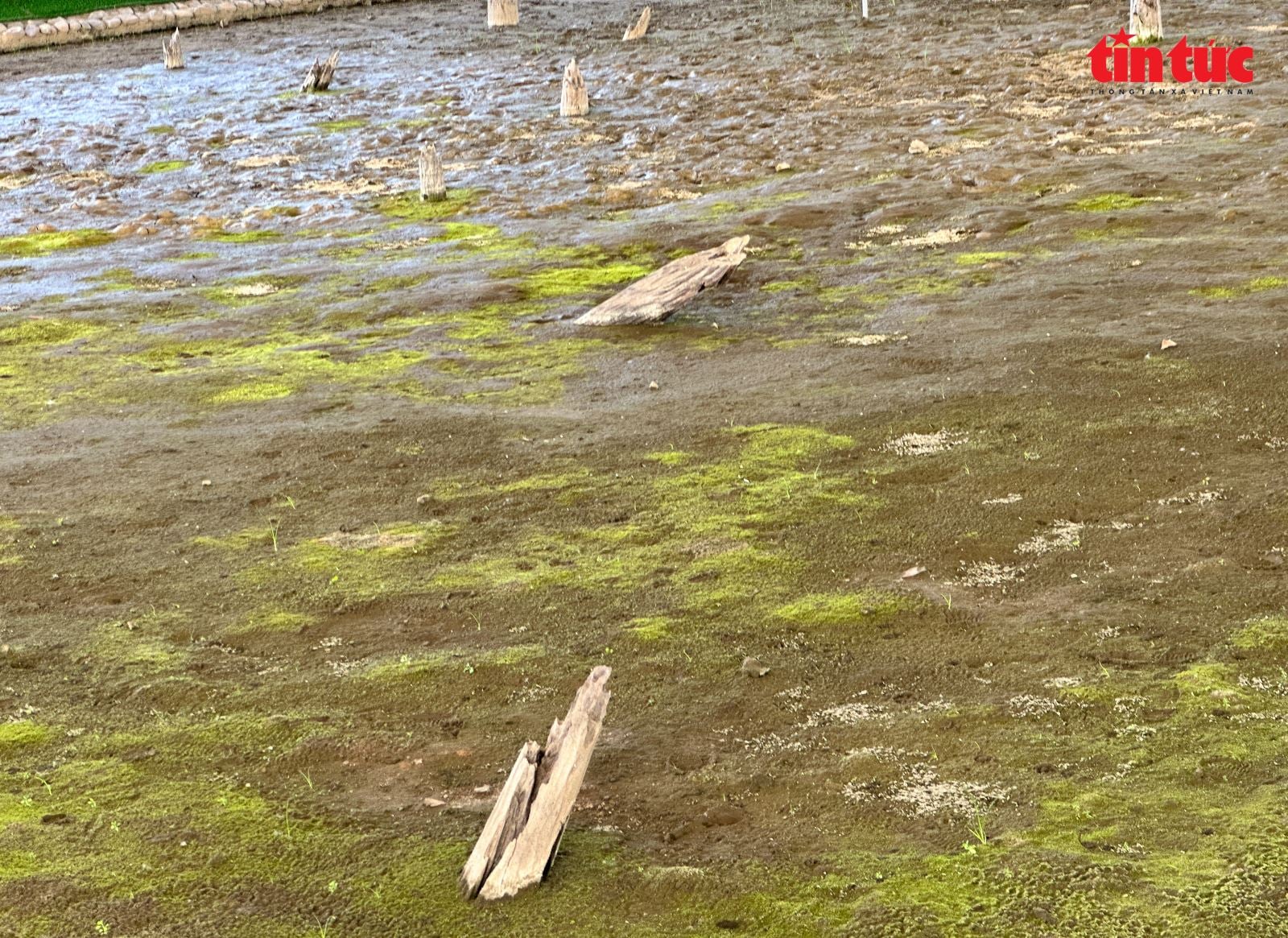
The outdoor wooden stake conservation area mimics the shape, size and location of the underground stakes.
The dome roof system above also plays an important role: protecting the relic from the sun and rain and preventing coal dust from the Quang Ninh area. When first installed, the roof was clear white, but after a period of use, it turned opaque white due to environmental impact. The outside area is a system of wooden piles on land, modeled after the exact shape, size and position of the piles lying underground...
Preserving the Cao Quy stake field is not only preserving artifacts, but also preserving the sacred historical soul of the nation. Coming here, the public can not only admire the traces of the heroic naval battle, but also feel the rhythm of history existing in everyday life. The Cao Quy stake field thus becomes a space connecting the past with the present, educating the tradition of patriotism and inspiring the younger generations, so that the spirit of Bach Dang River will forever live in the consciousness of every Vietnamese person.
Some pictures at the exhibition house of the relic site:
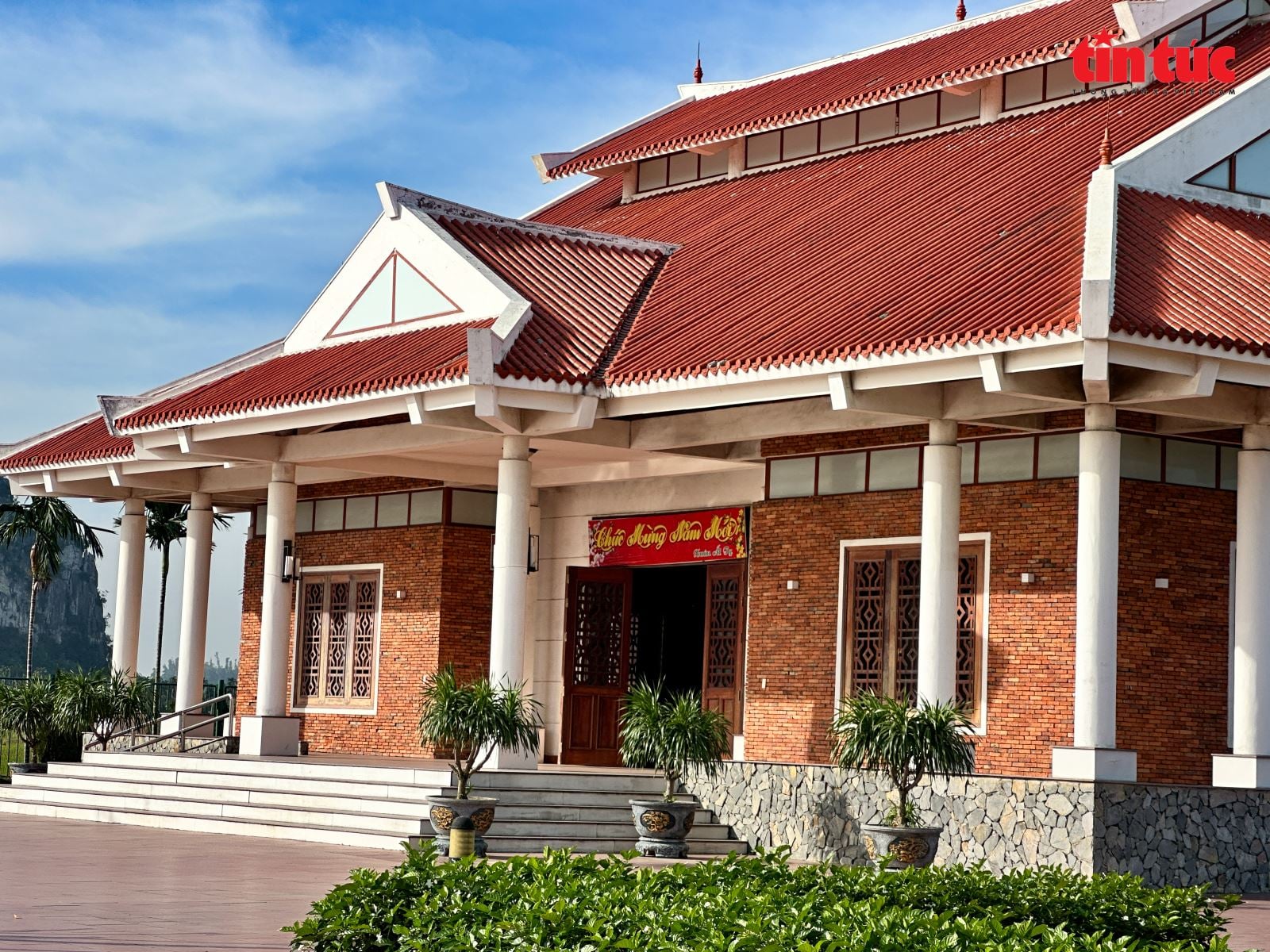
The house displays hundreds of years old artifacts excavated in Cao Quy field.
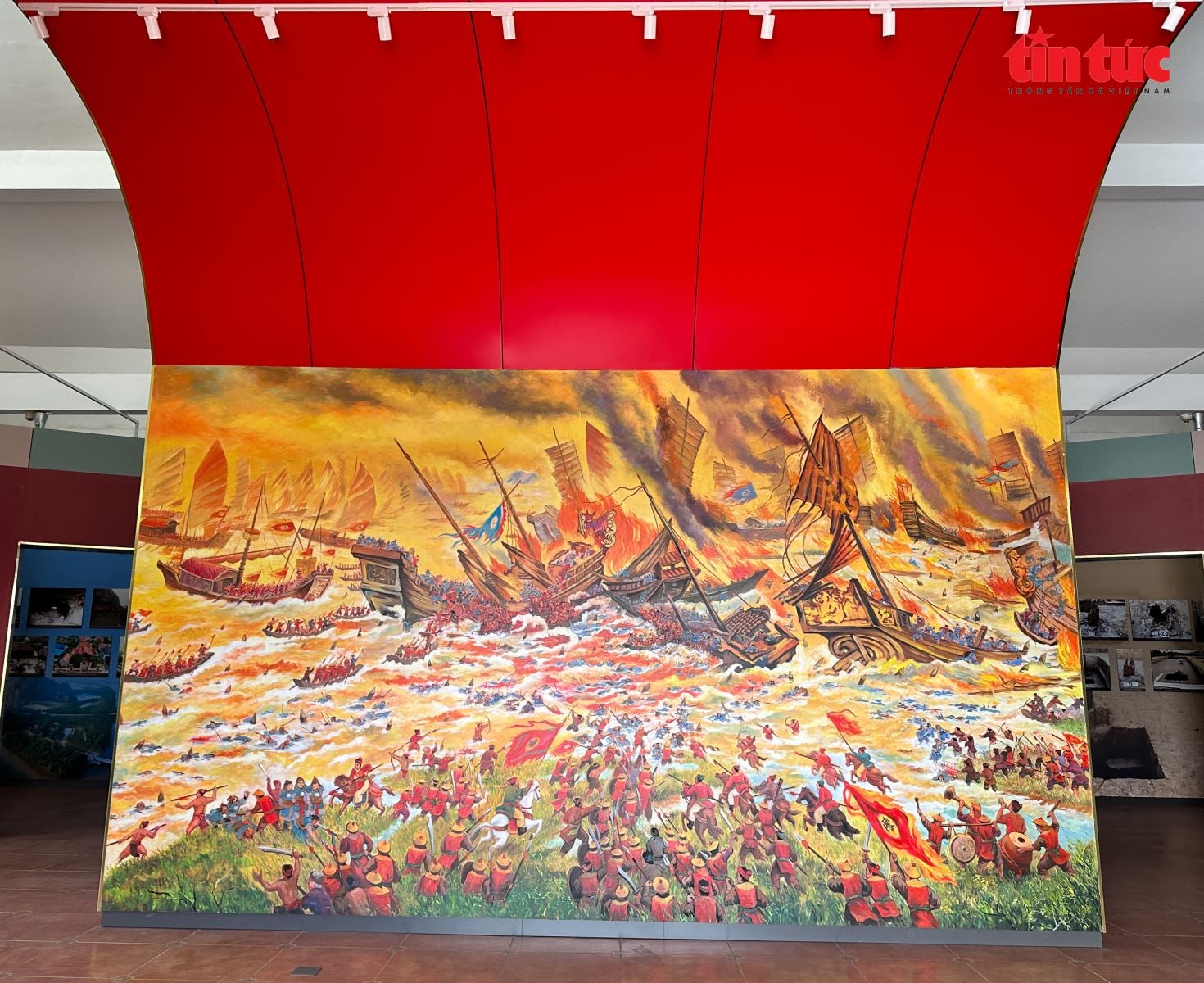
Entering the exhibition house, visitors are impressed by the large painting recreating the naval battle on the Bach Dang River.

These images speak of the determination and indomitable will of our army and people in the battle on the Bach Dang River.
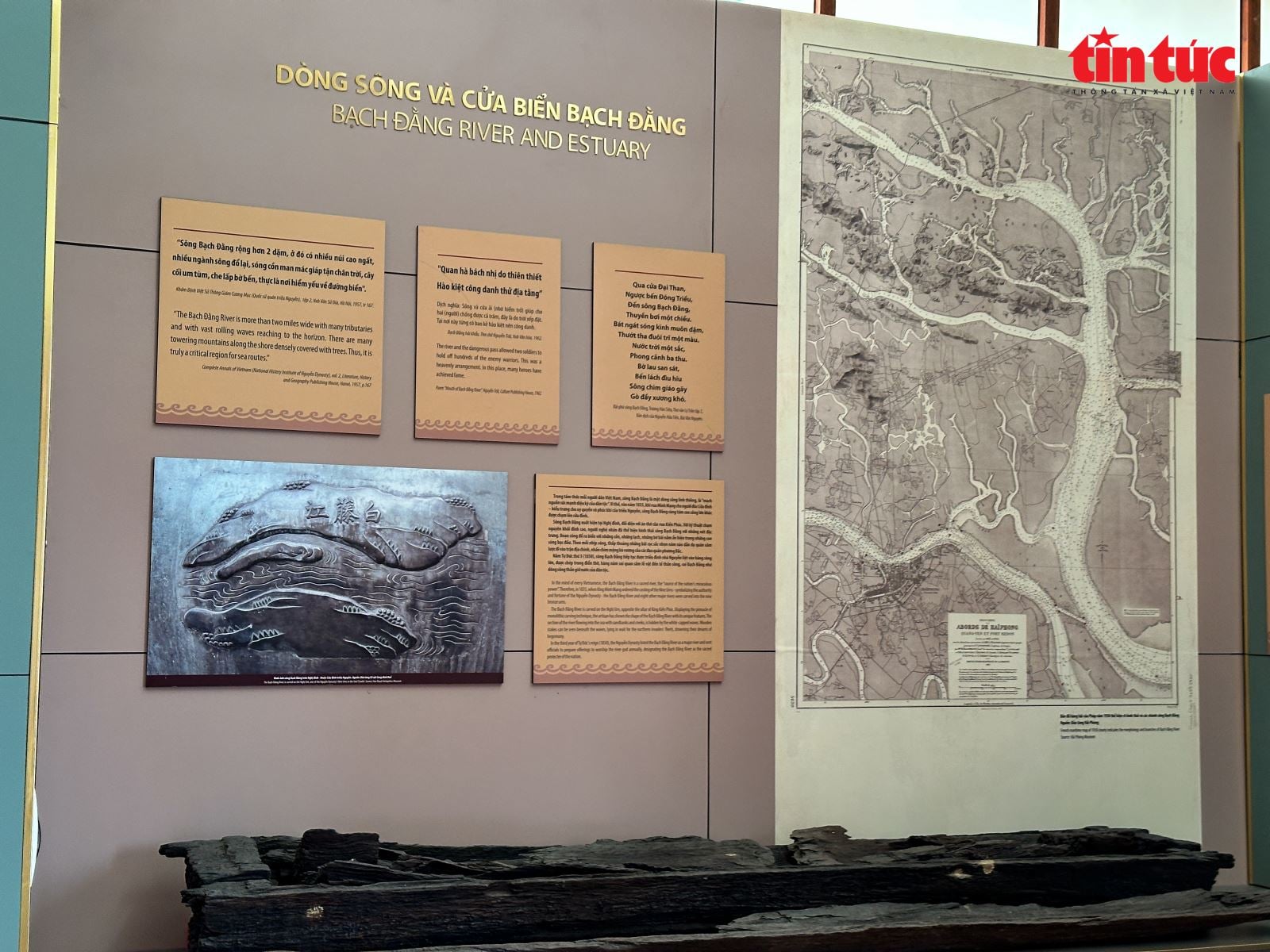
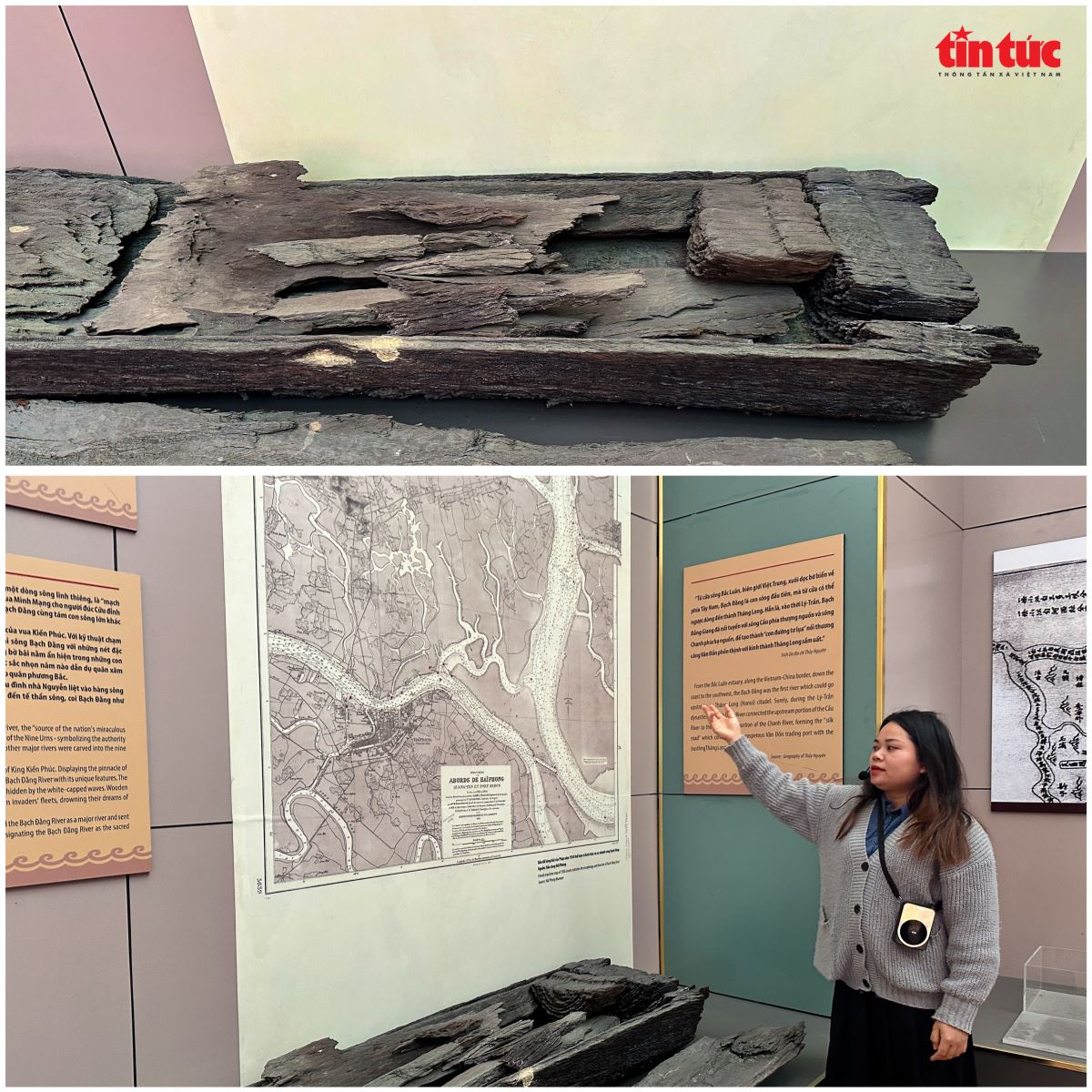
Some information about Bach Dang River is introduced at the relic's exhibition house.
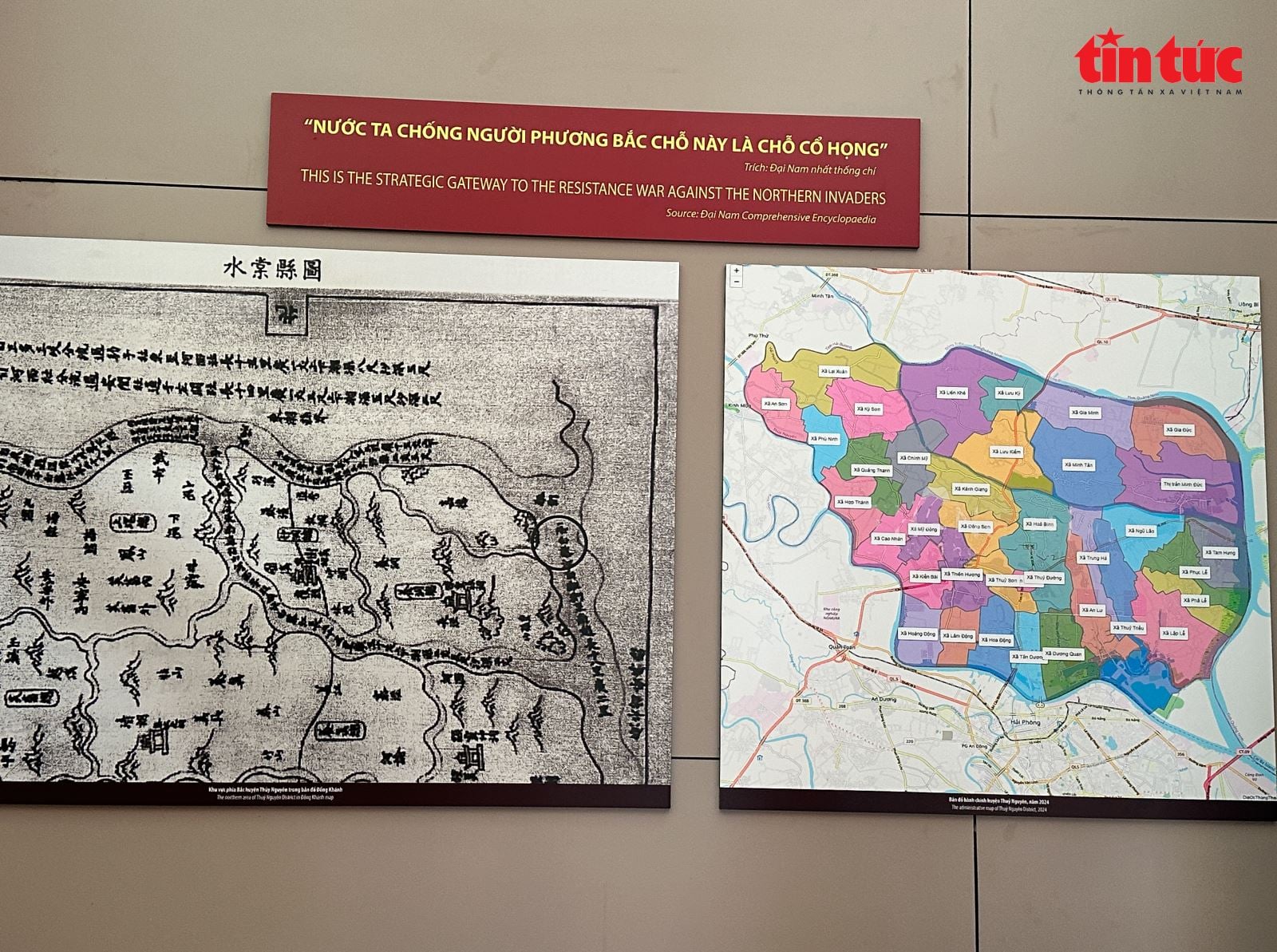
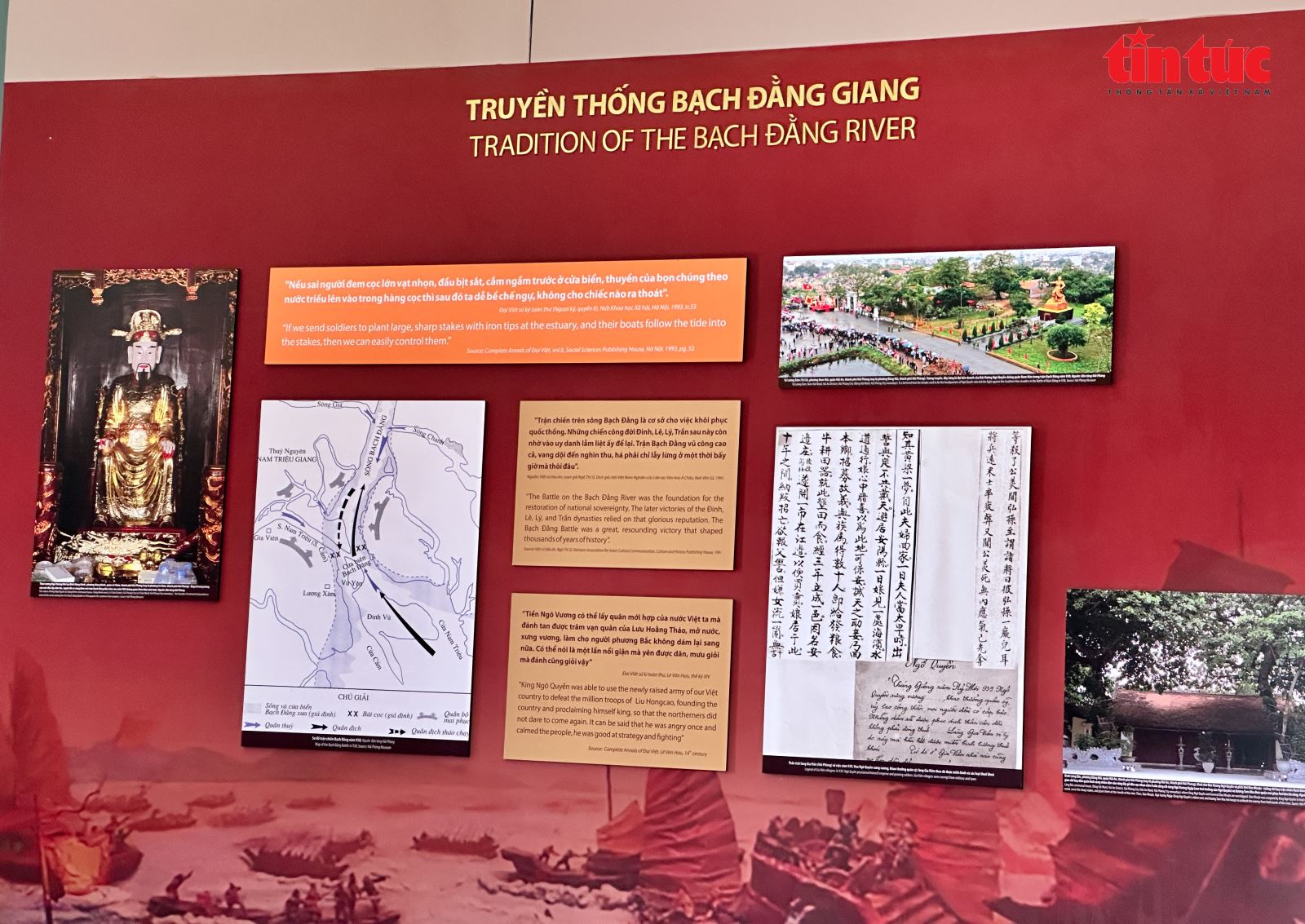
Precious images and documents about Bach Dang River.
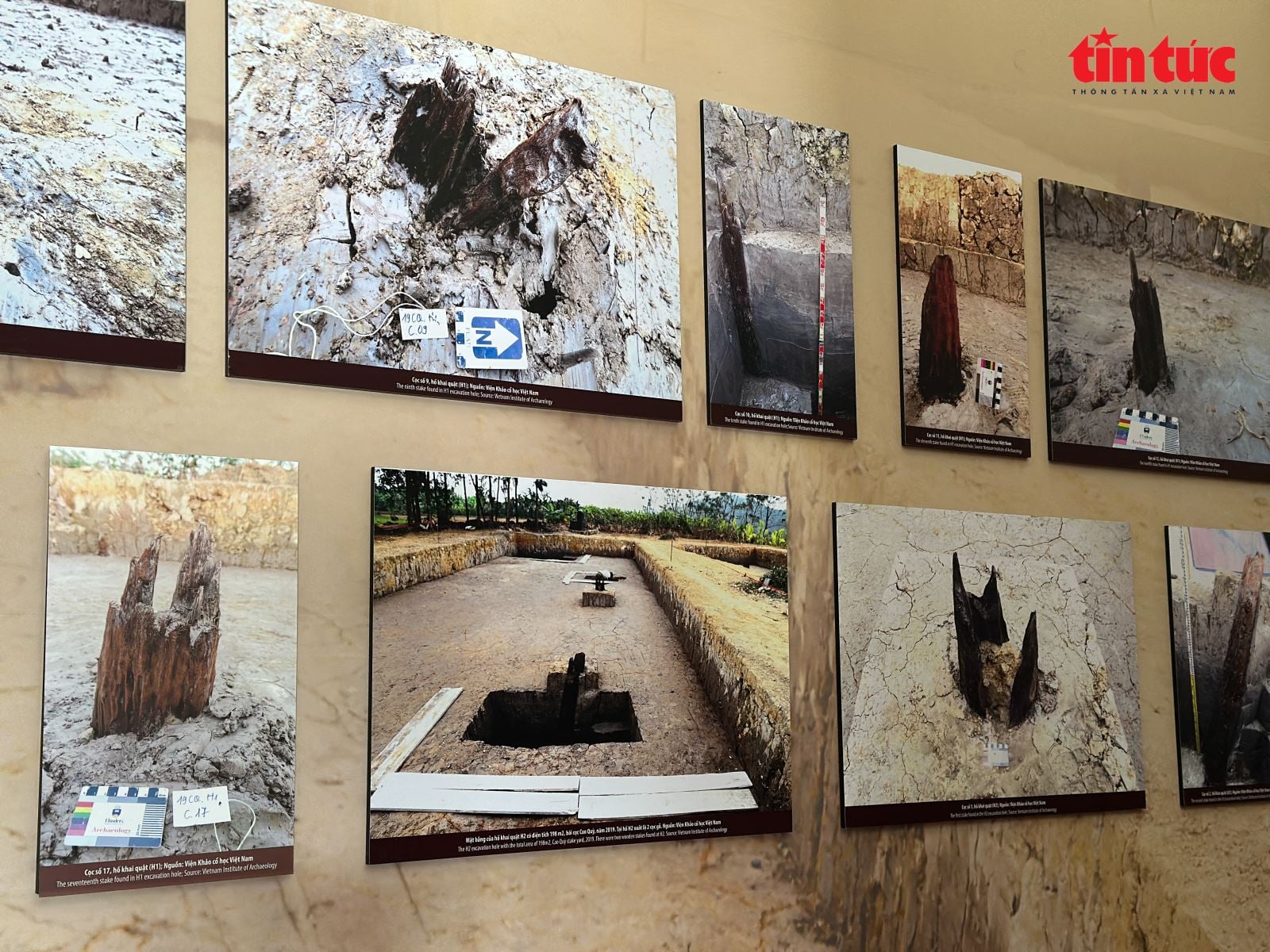
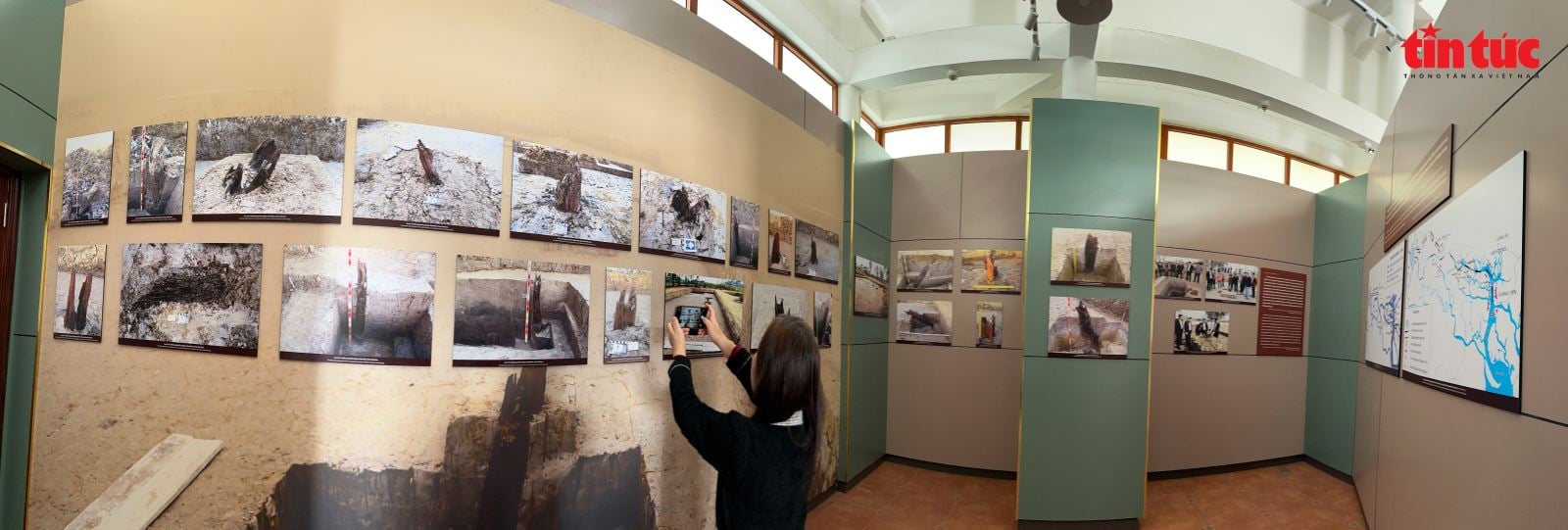
The space displays impressive images during the excavation of the relic site.

Vivid, visual wooden stake artifacts are displayed at the relic site.
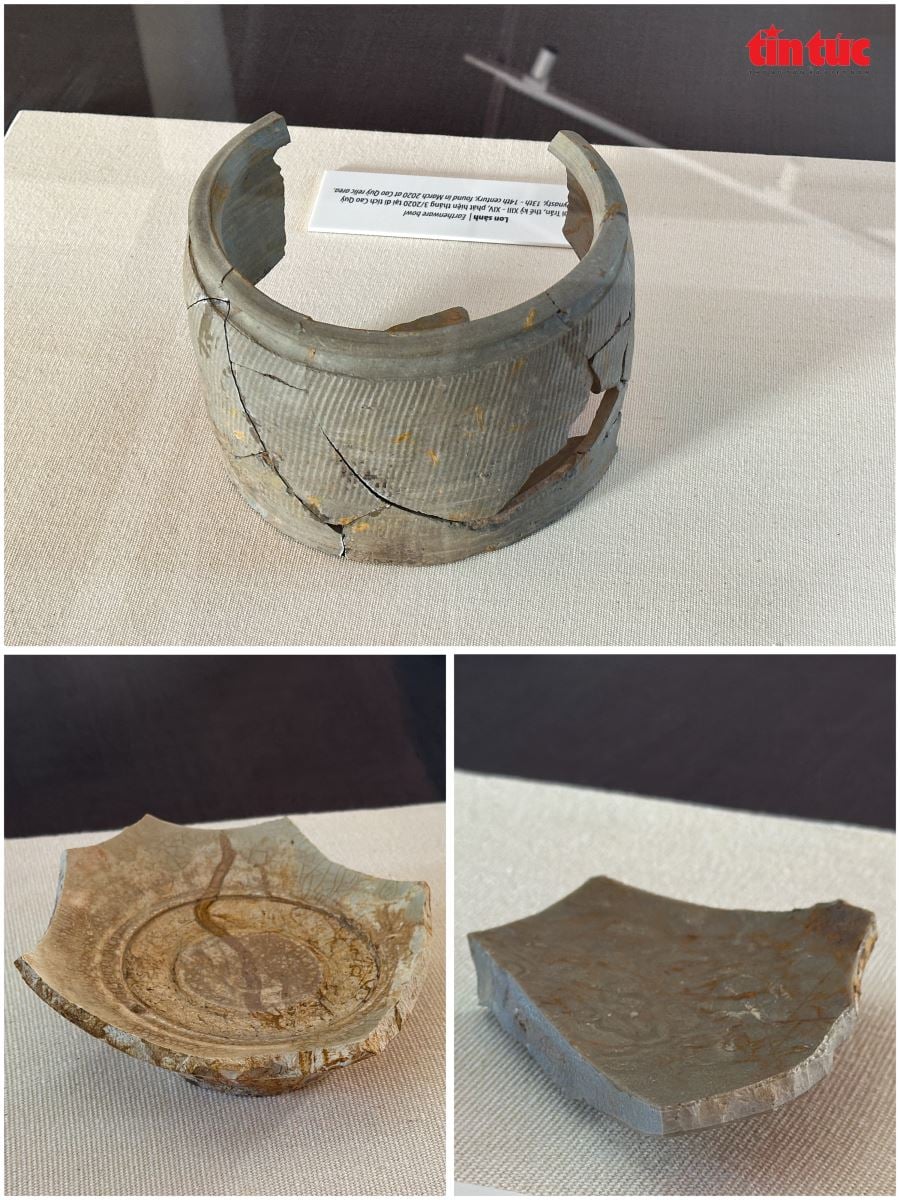
Pieces of plate bases, bowl bases, ceramic cans... were discovered in October 20220 at Cao Quy relic site.
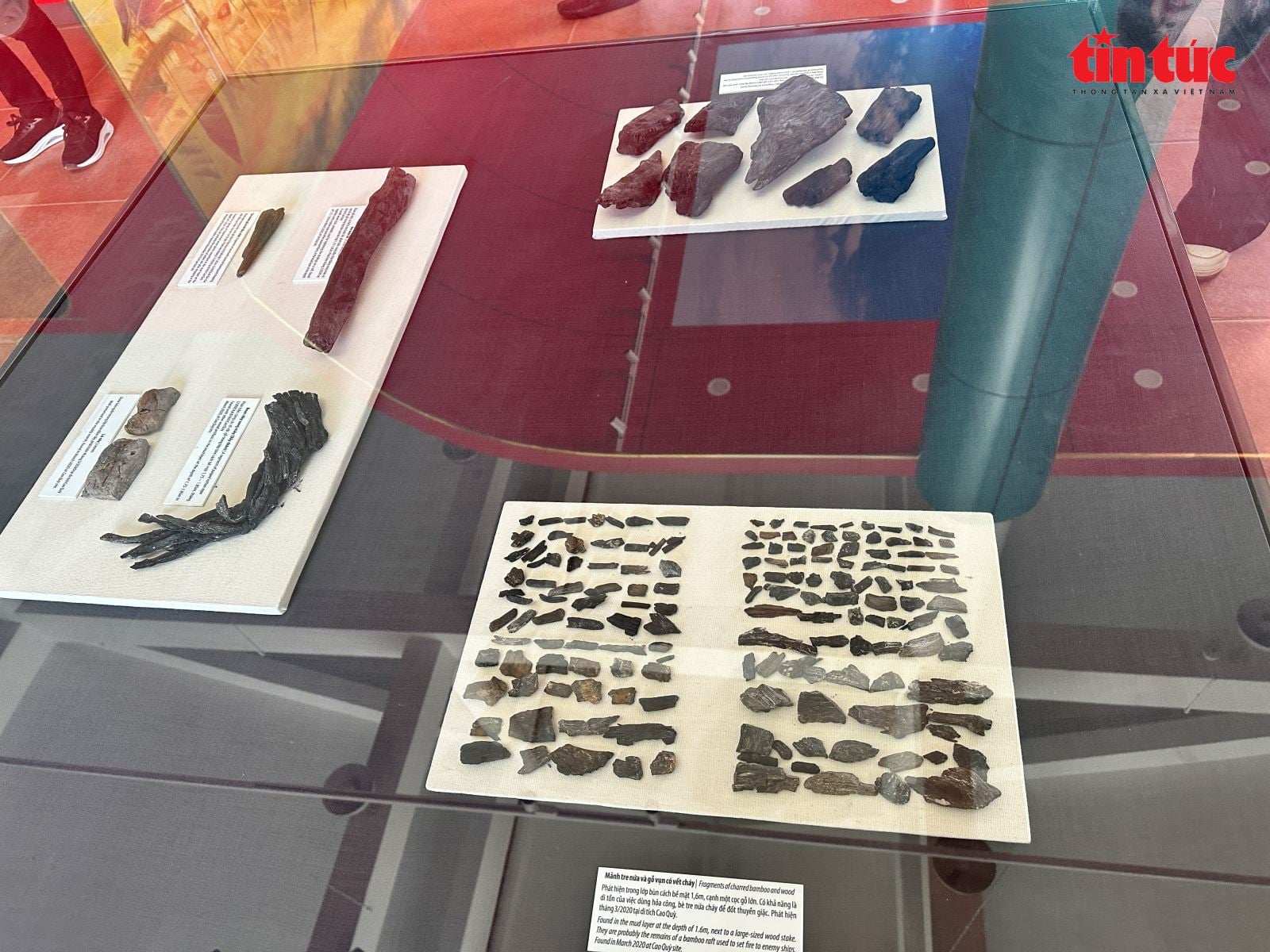
Burned bamboo and wood chips were found in the mud 1.6 m below the surface, next to a large wooden stake in March 2020.
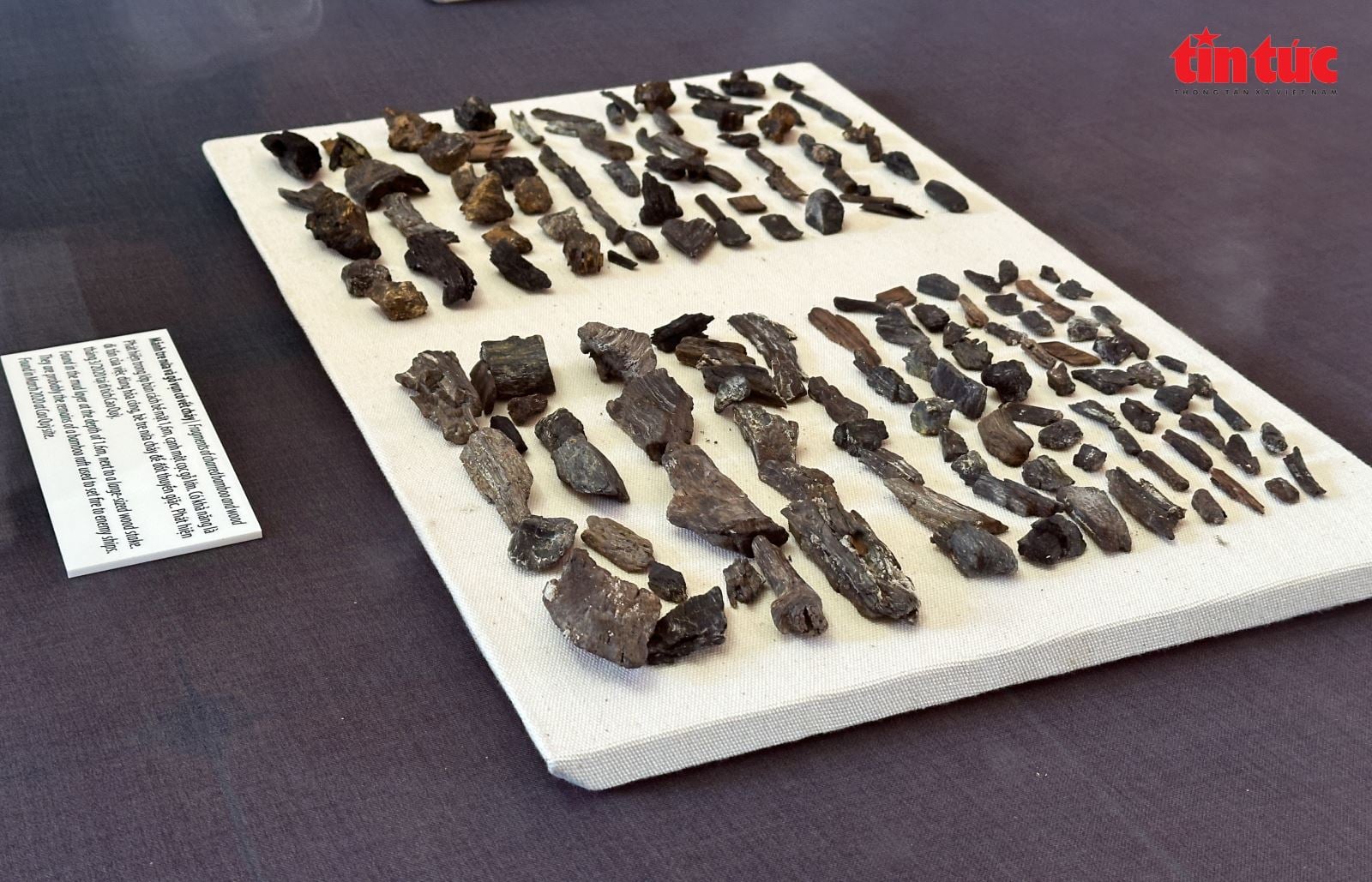
Experts believe that it is possible that it is a remnant of the use of fire, burning bamboo rafts to burn enemy ships.

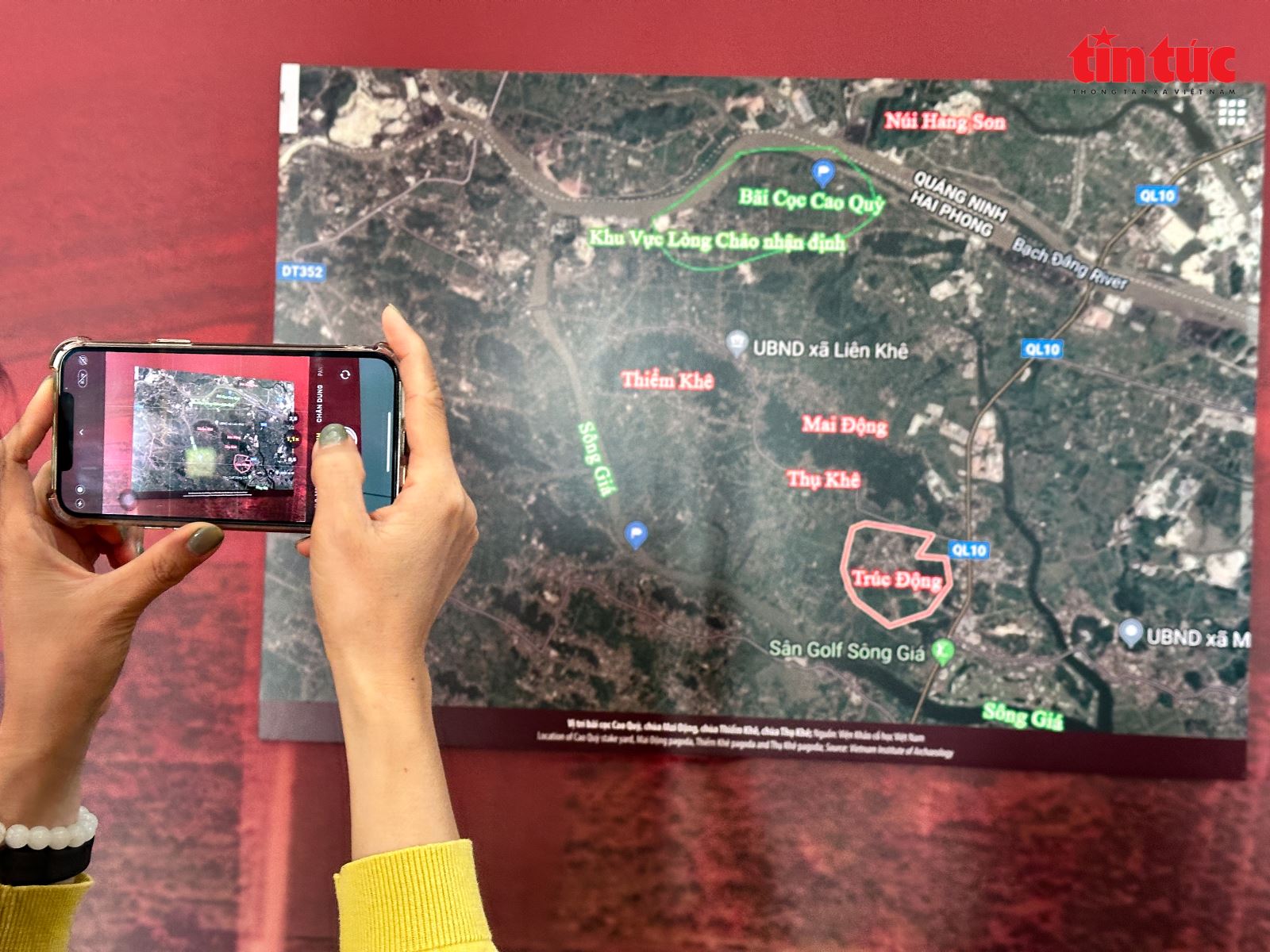
Tourists take pictures of the Cao Quy stake site.
Source: https://baoangiang.com.vn/tu-bai-coc-cao-quy-nhin-lai-hao-khi-bach-dang-giang-a469105.html


![[Photo] Parade to celebrate the 50th anniversary of Laos' National Day](/_next/image?url=https%3A%2F%2Fvphoto.vietnam.vn%2Fthumb%2F1200x675%2Fvietnam%2Fresource%2FIMAGE%2F2025%2F12%2F02%2F1764691918289_ndo_br_0-jpg.webp&w=3840&q=75)


























![[Photo] Worshiping the Tuyet Son statue - a nearly 400-year-old treasure at Keo Pagoda](/_next/image?url=https%3A%2F%2Fvphoto.vietnam.vn%2Fthumb%2F1200x675%2Fvietnam%2Fresource%2FIMAGE%2F2025%2F12%2F02%2F1764679323086_ndo_br_tempimageomw0hi-4884-jpg.webp&w=3840&q=75)






























































Comment (0)