

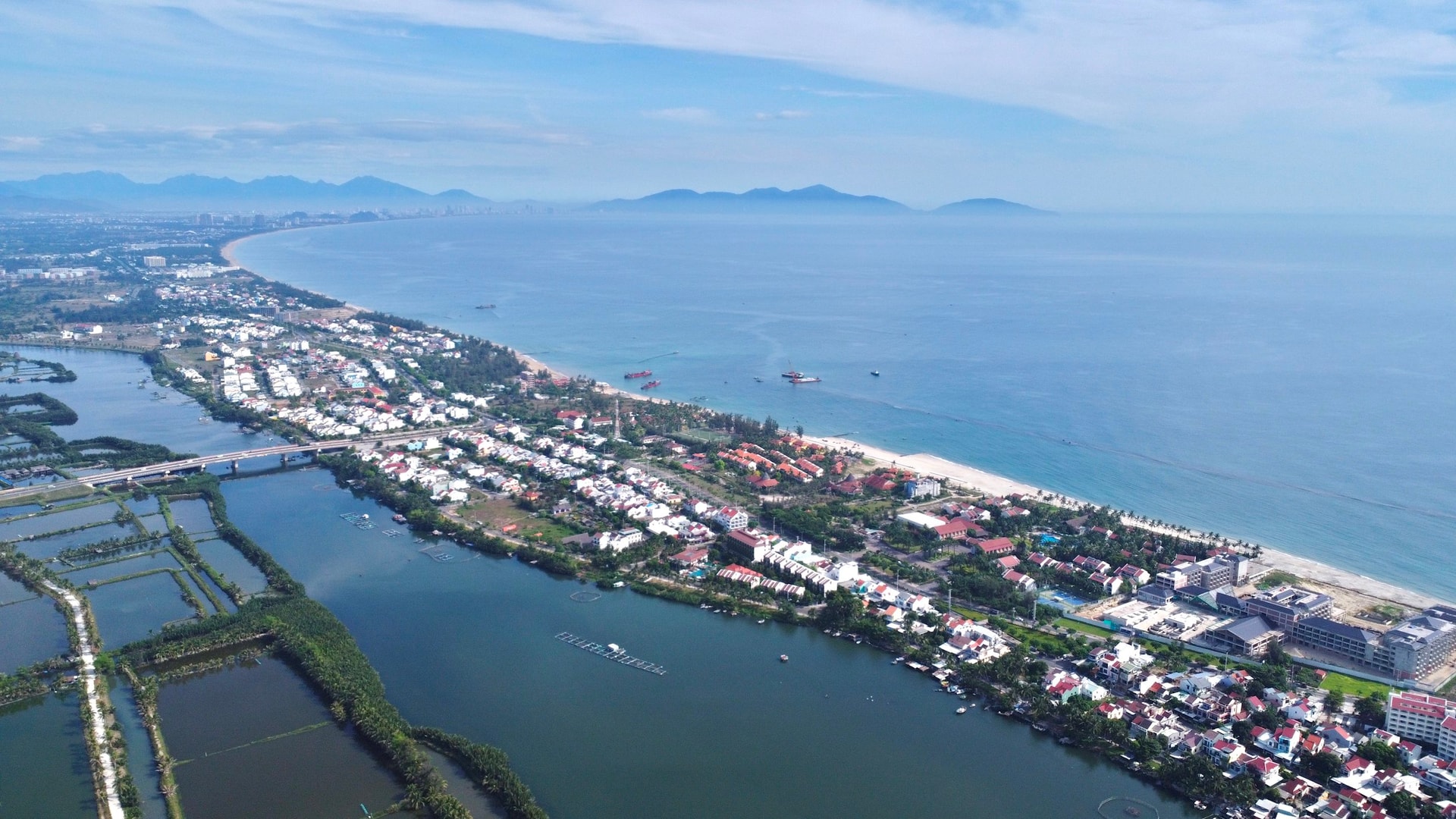
New dynamic zone built on an old foundation
In 2004, the Central Key Economic Zone was established by Decision No. 148 dated August 13, 2004, of the Prime Minister, comprising five provinces and cities: Thua Thien Hue, Da Nang, Quang Nam, Quang Ngai, and Binh Dinh. According to Government Resolution No. 306/NQ-CP on adjusting the National Master Plan for the period 2021-2030, with a vision to 2050, the Central Economic Zone will be formed and developed, including the coastal areas of the centrally-governed provinces and cities of Hue, Da Nang, Quang Ngai, and Gia Lai.
Essentially, the Central Vietnam Economic Zone is formed on the foundation of the former Central Vietnam Key Economic Zone, in which the former Binh Dinh province is now Gia Lai province. A notable difference is that the Central Vietnam Economic Zone is defined as the coastal area encompassing four provinces and cities within the region. This is understandable because the coastal strip in this area is where strategic infrastructure and development drivers for the region, such as industry, tourism and services, and logistics, are concentrated.
According to the plan, after 2030, studies will be conducted to expand the scope of the Central Vietnam Economic Zone. It is evident that the future expansion of the economic zone places high expectations on the western region, which, after reorganization, will include the former provinces of Kon Tum and Gia Lai. The western part of the Central Vietnam Economic Zone currently possesses significant advantages in land, energy, large timber forests, and valuable raw materials and medicinal plants, but its connection with the eastern region remains quite fragmented.
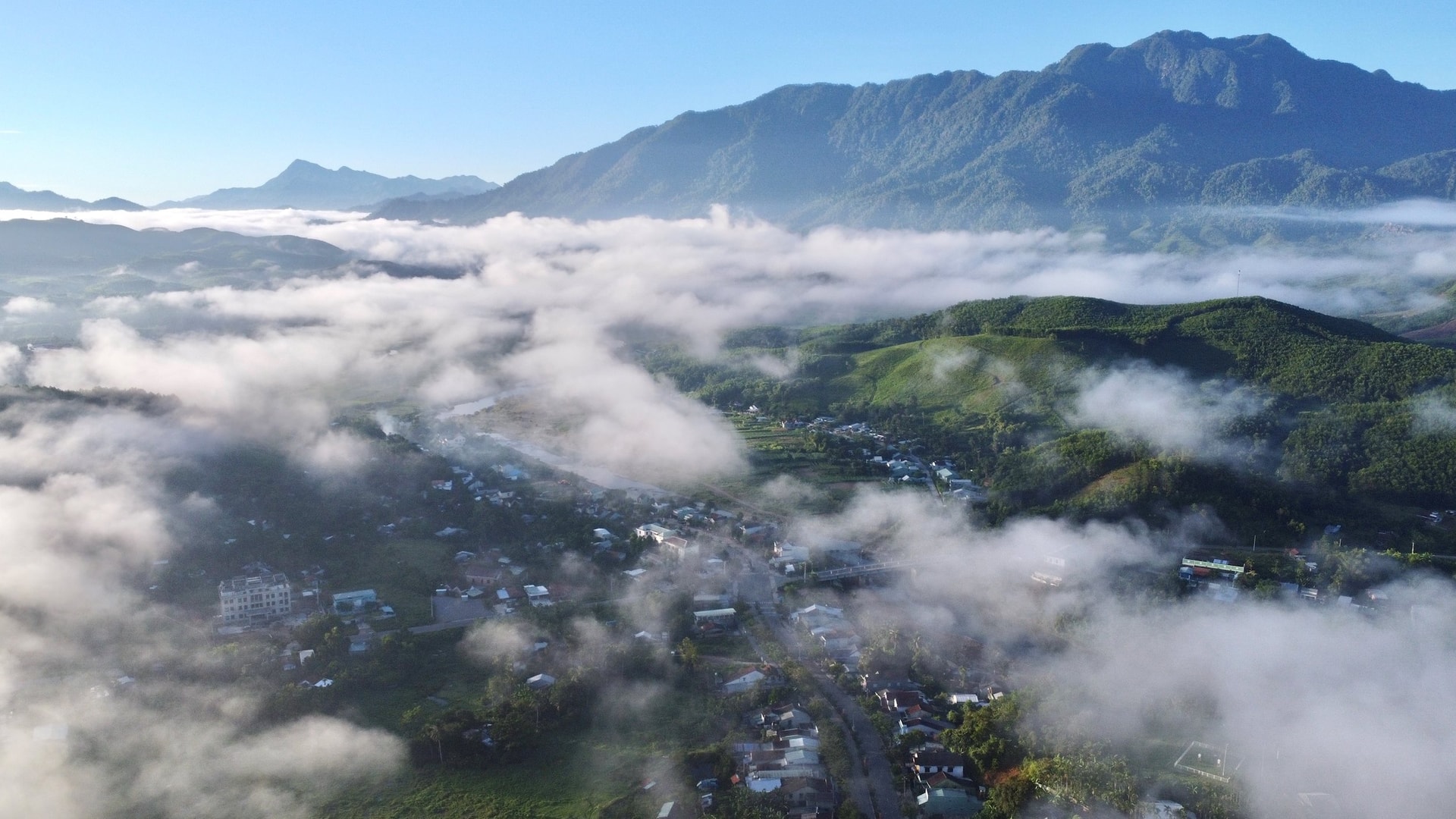
According to the Da Nang Institute for Socio-Economic Development Research, the current east-west linkages in the region are mainly linear, following the "west supply - east consumption" direction, which means that mountainous areas have not made a substantial contribution to the overall growth of the region and have not deeply participated in the supply and service value chain.
To create momentum for the future expansion of the Central Vietnam Economic Zone, it is essential to comprehensively connect the eastern and western regions through the East-West Economic Corridor (EWEC) and other intra-regional corridors.
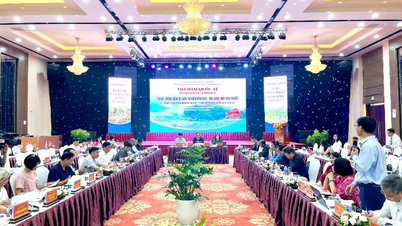
At the 6th Regional Logistics Forum recently held in Hue City, Mr. Tran Thanh Hai, Deputy Director of the Import-Export Department (Ministry of Industry and Trade), suggested the need to establish a "Central Vietnam Logistics Alliance" to create a mechanism for close coordination among provinces and cities in the region. Specifically, it is necessary to establish a joint steering committee with the participation of provincial leaders, develop a unified inter-regional logistics plan, develop a shared logistics information system, and implement a common logistics human resource training program. Simultaneously, it is crucial to create a "green corridor" for agricultural exports to build a complete supply chain from production areas to export ports...
Efforts to increase contributions
Over the past 20 years, the Central Vietnam Economic Zone has achieved many positive results in socio-economic development; however, its contribution to the Vietnamese economy remains modest. In most indicators, the Central Vietnam Economic Zone ranks third, significantly lower than the Northern and Southern Economic Zones, thus only playing the role of a secondary growth pole. To contribute to Vietnam's breakthrough growth target in the new period and increase the region's contribution, the recently concluded Party Congresses of the provinces and cities in the Central Vietnam Economic Zone have all set double-digit growth targets.
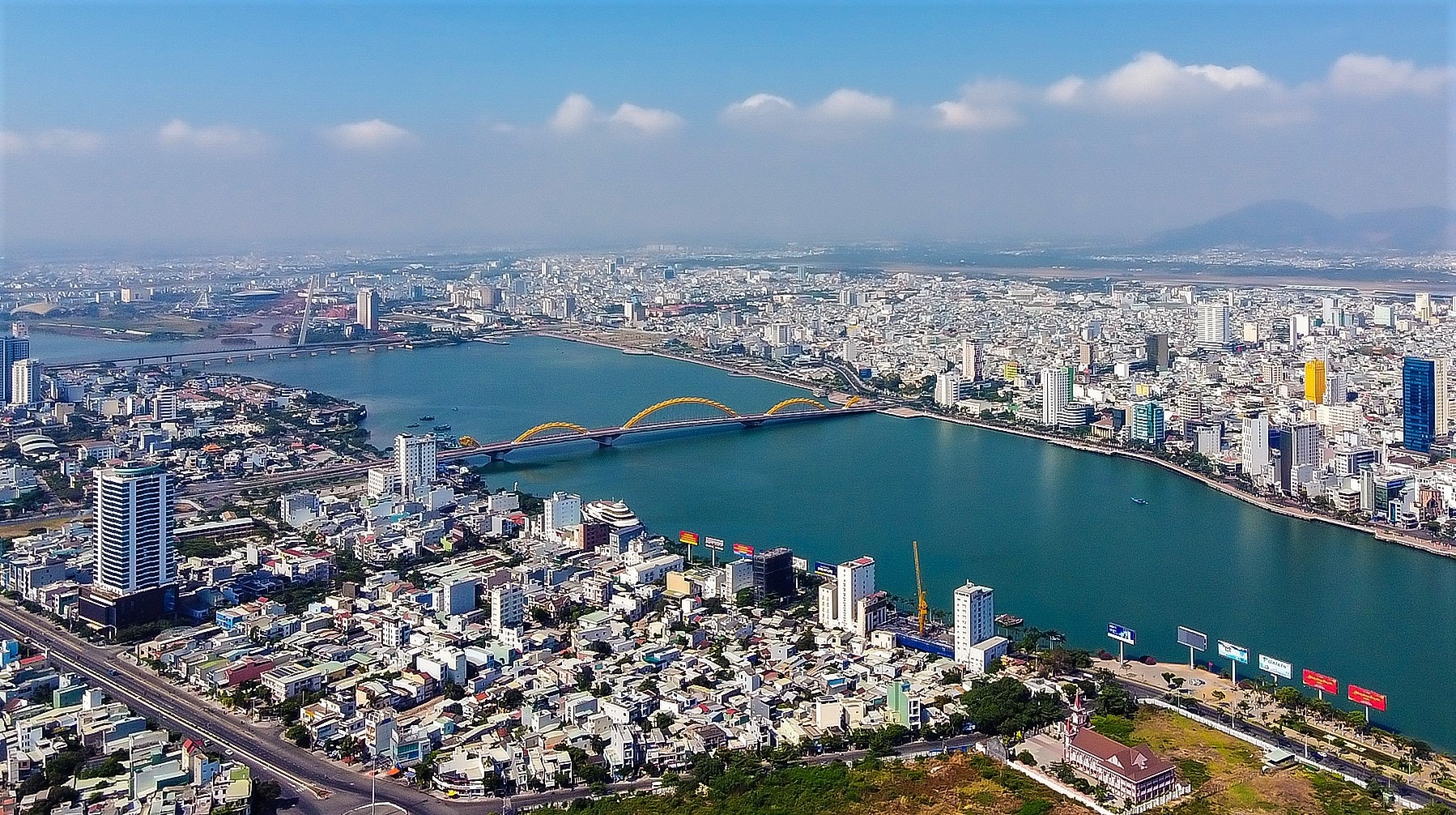
According to the Da Nang Institute for Socio-Economic Development Research, to achieve the economic growth target of over 10% in the 2026-2030 period, localities in the region need policies to develop key sectors such as: manufacturing, tourism, logistics, finance and trade, information and communication, renewable energy, etc.
Furthermore, it is necessary to form a comprehensive financial ecosystem and a "nursery" for the private economy, in which capital and land resources are reallocated. Simultaneously, policies should be implemented to encourage a number of large-scale private corporations with sufficient potential to lead the value chain and expand their investments abroad.
According to experts, the traditional growth model based on heavy industry, large investments, and resource exploitation is gradually revealing its limitations. Data shows that the industrial and construction sector, once the region's main driving force, is rapidly declining in its share from a peak of over 50% in 2022 to approximately 30% in 2024.
This clearly reflects the depletion of growth potential if the region continues to rely on heavy industries such as petrochemicals, metallurgy, and mechanical engineering – which are highly cyclical and vulnerable to global fluctuations. Therefore, a gradual shift towards a high-tech, energy-efficient, and low-emission industrial model is necessary to adapt and contribute to the region's growth momentum.
Source: https://baodanang.vn/tu-nen-tang-vung-kinh-te-trong-diem-mien-trung-3306627.html


![[Image] Shipbuilders exposed to steel and record-breaking heat.](https://vphoto.vietnam.vn/thumb/1200x675/vietnam/resource/IMAGE/2026/06/04/1780545781745_ndo_br_img-5402-4683-jpg.webp)










































![[Video] Sunset at Lap An Lagoon – Where the sun sets over the fishing nets](https://vphoto.vietnam.vn/thumb/1200x675/vietnam/resource/IMAGE/2026/05/31/1780192137701_beach-landscape-sea-water-nature-grass-745871-pxhere-com.jpeg)





























Comment (0)