

5-10% of colon cancer cases have a genetic component.
According to Dr. Ung Van Viet, Deputy Head of the Department of Gastrointestinal Surgery at the University Medical Center of Ho Chi Minh City, approximately 5-10% of colon cancer cases have a genetic component.
According to Dr. Chu Thi Dung from the University Medical Center of Ho Chi Minh City - Branch 3, the two most common syndromes associated with colon cancer are Lynch syndrome (hereditary non-polyposis colorectal cancer) and familial adenomatous polyposis (FAP). These are genetic disorders that significantly increase the risk of colon cancer in subsequent generations, almost certainly without timely medical intervention.
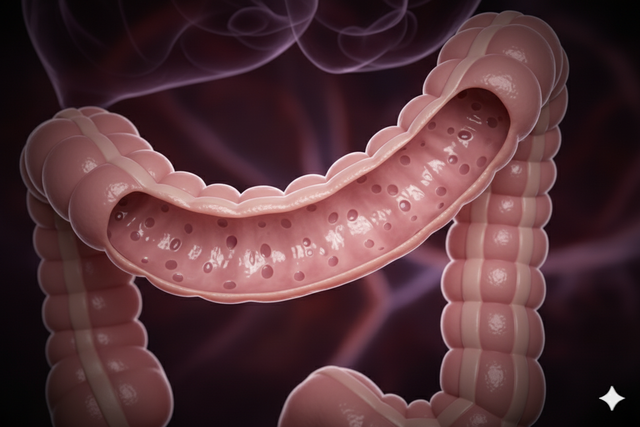
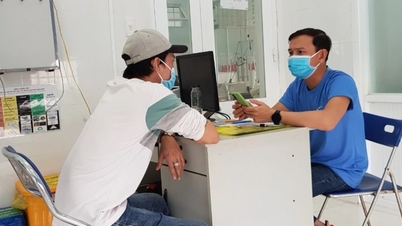
Approximately 5-10% of colon cancer cases have a genetic component.
Illustration: AI
However, genetic factors alone play a significant role; living environment and lifestyle habits also contribute greatly. A family's shared habits of consuming large amounts of red meat, few vegetables, smoking, drinking alcohol, and a sedentary lifestyle increase the risk of colon cancer. Therefore, if two or more direct family members have the disease, other family members should pay particular attention to early screening.
Signs of colon cancer
According to Doctor Chu Thi Dung, early-stage colon cancer often has no typical symptoms, causing many people to miss the golden opportunity for detection. Some warning signs include: prolonged changes in bowel habits, unusual diarrhea or constipation, small, flattened stools; blood in the stool or black stools; persistent dull abdominal pain and bloating; unexplained weight loss; and unexplained iron-deficiency anemia. When these symptoms appear, people should see a gastroenterologist for an accurate diagnosis.
Is stress a cause of premature graying of hair?
How can we prevent and screen for colon cancer?
According to the World Health Organization (WHO), colon cancer can be effectively prevented by adjusting lifestyles such as eating plenty of green vegetables, fruits, and whole grains; limiting red meat and processed foods; maintaining a healthy weight; exercising regularly; and avoiding alcohol and tobacco. These are simple measures that have been proven to reduce the risk of developing the disease.

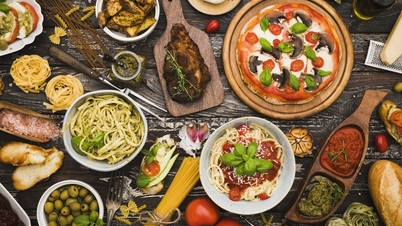
Eating plenty of green vegetables, fruits, and whole grains helps prevent colon cancer.
Photo: AI
According to Dr. Ung Van Viet, there are now genetic tests that can accurately determine whether your family's colon cancer is hereditary. Based on this, the doctor will advise and develop a suitable prevention, screening, and treatment plan for each family member, helping to reduce the risk of developing the disease or detect it early to increase treatment effectiveness.
Furthermore, regular screening plays a crucial role. For the general population, screening is recommended starting at age 45. Those with a family history of colon cancer should start earlier, usually at age 40 or 10 years earlier than the age at which their relatives were diagnosed. Colonoscopy remains the gold standard, helping with early detection and allowing for the removal of polyps during the procedure. In addition, fecal occult blood tests or fecal DNA tests are also used depending on the individual case.
According to Doctor Chu Thi Dung, colon cancer has a genetic component, but not everyone carrying a risk gene will develop the disease. The important thing is that those with a family history should be more proactive in screening and maintaining a healthy lifestyle. Early detection not only leads to more effective treatment and reduced costs but also offers a higher chance of survival. Therefore, everyone should consider colon cancer screening as part of their regular health care, especially if there are multiple family members with the disease.
Source: https://thanhnien.vn/ung-thu-dai-trang-co-di-truyen-phong-ngua-the-nao-185251014214020954.htm



























![[Video] The craft of making Dong Ho folk paintings has been inscribed by UNESCO on the List of Crafts in Need of Urgent Safeguarding.](https://vphoto.vietnam.vn/thumb/402x226/vietnam/resource/IMAGE/2025/12/10/1765350246533_tranh-dong-ho-734-jpg.webp)






















































Comment (0)