

According to Dr. Nguyen Minh Tien, Deputy Director of Children's Hospital of Ho Chi Minh City, respiratory syncytial virus (RSV) is the main cause of acute infectious diseases in newborns, young children, the elderly, and people with underlying medical conditions.
Characteristic symptoms
Similar to other respiratory viruses, RSV can cause multiple reinfections. RSV can be transmitted from person to person through respiratory secretions and droplets from an infected person's cough or sneeze, by touching contaminated surfaces such as doorknobs, toys, and tabletops, and through direct contact such as shaking hands, kissing, and feeding.
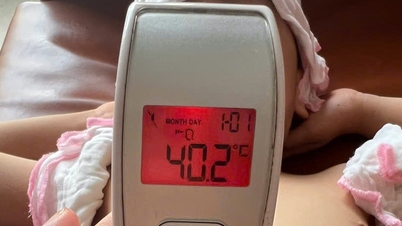
"In young children, acute respiratory infections present with symptoms such as fever, cough, runny nose, wheezing, bronchiolitis, and can progress to respiratory failure... In adults, RSV infections also present with similar symptoms such as fever, cough, runny nose, and are characterized by wheezing and bronchospasm; in severe cases, the disease can cause respiratory failure," Dr. Tien shared.
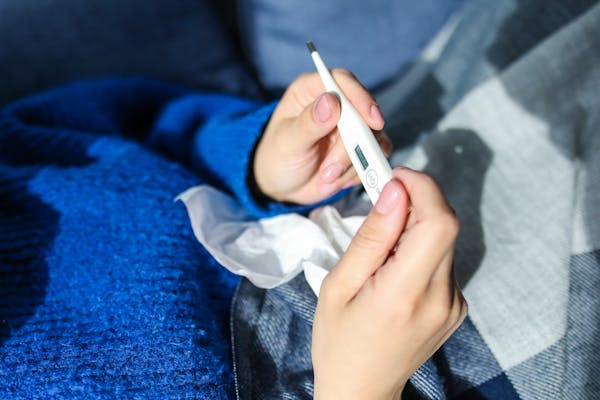
Fever, cough, runny nose, wheezing, and bronchospasm are characteristic symptoms of RSV infection.
Many children are infected with RSV.
At the City Children's Hospital, approximately 25% of respiratory illnesses in children are caused by RSV. Symptoms typically last for about a week. The rate of patients developing severe illness is approximately 5%.
Signs that indicate the illness is worsening include increased respiratory rate, labored breathing, chest retraction, etc. In young children, pay attention to signs such as fussiness, irritability, unusual fatigue, poor or no feeding, difficulty breathing, short, shallow, and rapid breathing...
Do not self-medicate with antibiotics.
According to Doctor Tien, patients infected with RSV will receive symptomatic treatment, rest, proper nutrition, and oxygen. Currently, there is a vaccine against RSV available worldwide , and it is expected that a vaccine will be available in Vietnam in the near future.
"Patients should not self-medicate with antibiotics at home but should follow the doctor's instructions at medical facilities. In adults, symptoms of RSV infection are usually mild. However, repeated infections may increase the risk of developing asthma," Dr. Tien shared.

Wash your hands frequently with soap and water for at least 20 seconds to prevent respiratory illnesses.
In addition, to prevent RSV infection, doctors recommend washing hands frequently with soap and water for at least 20 seconds, or using an antiseptic hand sanitizer; avoiding touching your face, eyes, nose, and mouth; avoiding close contact with sick people such as hugging, kissing, and shaking hands; not sharing eating utensils with others; covering your mouth and nose with a tissue or your elbow when sneezing or coughing; and regularly disinfecting frequently touched surfaces such as desks, doorknobs, phones, computers, elevators, and stair railings.
"Those who suspect they have RSV should avoid close contact with others, may wear a mask if necessary, and should avoid contact with high-risk groups such as young children, the elderly, and those with underlying health conditions," Dr. Tien advised.
Unpredictable weather conditions are favorable for RSV development.
According to the Ho Chi Minh City Center for Disease Control (HCDC), Ho Chi Minh City experiences erratic weather and humidity changes. This creates a favorable environment for the growth of various bacteria and viruses that cause respiratory illnesses, including RSV. This virus commonly causes pneumonia, wheezing, bronchiolitis, and respiratory failure.
RSV can attack the lower respiratory tract, causing symptoms such as shortness of breath, faster-than-normal breathing and wheezing, cough, sore throat, runny nose, nasal congestion, fever, pneumonia, and bronchiolitis. In addition, a notable feature is that RSV can also cause middle ear infections, pneumonia, lung collapse, and pneumothorax.
Source link

![[Photo] Prime Minister Pham Minh Chinh attends the Conference summarizing and implementing tasks of the judicial sector.](/_next/image?url=https%3A%2F%2Fvphoto.vietnam.vn%2Fthumb%2F1200x675%2Fvietnam%2Fresource%2FIMAGE%2F2025%2F12%2F13%2F1765616082148_dsc-5565-jpg.webp&w=3840&q=75)












































































Comment (0)