

Eating a high-protein diet for a short period of time usually doesn't negatively impact overall health. However, eating like that for a long time can increase the risk of certain diseases.
Protein is a crucial nutrient that helps the body maintain a healthy weight and build muscle mass. People recovering from surgery, engaging in high-intensity training, or experiencing age-related muscle loss are often advised to increase their protein intake, according to the health website Everyday Health (USA).
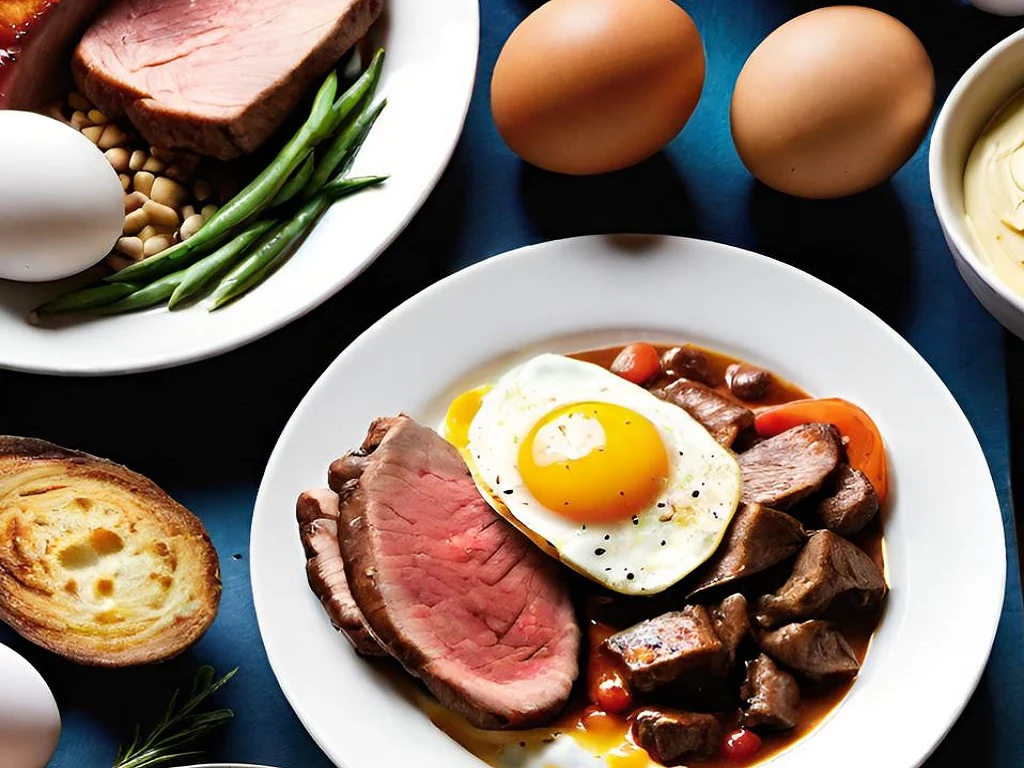
Protein-rich foods are essential for the body, but eating too much of them can be harmful.
The recommended protein intake for adults is 0.8 grams per kilogram of body weight. If a person weighs 50 kg, their daily protein requirement is 40 grams. Eating a high-protein diet for an extended period can lead to several health problems, particularly for individuals with high cholesterol levels or kidney problems.
Warning signs that someone is consuming too much protein include:
Foamy urine
Foamy urine is a sign of high protein levels in the urine. This can be a serious warning sign of kidney damage. People should not ignore this condition if it persists and is accompanied by a frequent urge to urinate.
Dehydration
When protein is metabolized in the body, nitrogen is produced as a byproduct. The kidneys have to work harder to eliminate this nitrogen, leading to a greater need for water. If you don't drink enough water, your body can easily become dehydrated, experiencing symptoms such as thirst, fatigue, dizziness, lightheadedness, dry skin, and dry mouth.
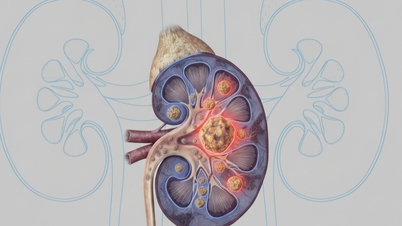
Eating a lot of animal protein can increase the risk of kidney stones.
Some research evidence suggests that consuming large amounts of protein, especially animal protein, may increase the risk of kidney stones. This is because the kidneys excrete nitrogen. This excess nitrogen disrupts the acid-base balance in urine, leading to increased excretion of calcium and oxalate. As a result, these minerals are more likely to deposit and form kidney stones.
Weight gain
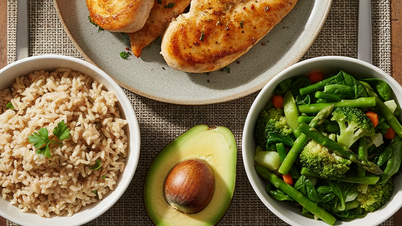
Protein helps you feel full for longer, thereby reducing cravings and aiding weight loss. However, protein-rich foods, such as red meat, chicken breast, milk, eggs, beans, and mushrooms, also contain calories. Eating too much of them will lead to a calorie surplus and weight gain.
When these signs appear, people need to reduce the amount of protein in their diet. To make meals more balanced, some protein-rich foods can be replaced with fiber-rich options such as vegetables, fruits, or whole grains, according to Everyday Health .
Source: https://thanhnien.vn/4-dau-hieu-canh-bao-co-the-dang-nap-qua-nhieu-protein-185241224142059269.htm






















































































Comment (0)