

There are several ways to help improve shortness of breath in lung patients caused by factors during hot weather.
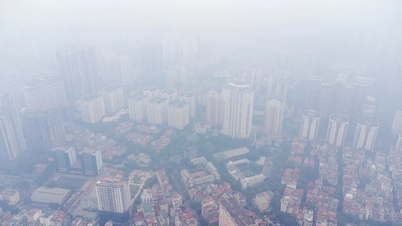
Three factors that can affect breathing ability in the summer are temperature, sunlight, and humidity. Hot weather causes the body to sweat more, which can lead to dehydration and difficulty breathing. Sunlight creates chemical reactions with air pollutants, which can lead to shortness of breath, irritation of the nose and throat, causing coughing and wheezing. Increased humidity, making the air denser, can worsen breathing difficulties in people with chronic lung conditions.
Here are five tips to help you breathe better during hot summer days.
Keep your body cool and dress appropriately.
The more heat your body generates, the more oxygen it needs. Therefore, in the summer, it's important to keep your body cool. If you feel too hot, seek shade or stay indoors, especially during the hottest time of day.
Check the weather forecast and temperature before going out to ensure your destination is cool and to dress appropriately. When going out on a hot day, wearing light-colored, thin clothing and a hat can help minimize heat buildup around the head and neck.
Adjust your diet
Diet plays a crucial role in respiratory health during hot weather. Drink water frequently if you sweat a lot. If you experience shortness of breath while eating, eat slowly or divide your meals into smaller portions. Reducing salt intake and increasing your consumption of vegetables and fruits can help cool the body and improve digestion.

Drinking enough water and keeping your body cool in the summer helps maintain better breathing. Photo: Freepik
Avoid triggers for respiratory illnesses.
Besides temperature changes, several other environmental factors can make breathing difficult, such as: cigarette smoke, dust, outdoor allergens (pollen), mold, etc. It's best to avoid exposure to these factors to maintain healthy breathing.
Practice breathing techniques.
Breathing exercises not only improve the respiratory system and cool the body, but also help control hunger and thirst and burn energy during hot summer days. Two easy-to-practice breathing techniques include:
Cooling breath: Sit in a comfortable position and close your eyes. Place your hands on your knees and relax your body. Stick your tongue forward and curl it upwards like a tube, then slightly close your mouth. Inhale through your mouth; the air passing through your throat and palate will become cooler.
Alternate nostril breathing: Alternate nostril breathing helps calm the mind, reduce stress, and increase energy. How to do it: Sit comfortably and take a few relaxing breaths. Use your thumb to tightly close your right nostril, inhale through your left nostril, and count from 1 to 4. Do the same with the other nostril, repeating 5 to 10 times.
Avoid strenuous activity.
When it's hot, the body needs to work harder to stay cool. If a person exerts themselves, especially outdoors, they are at a higher risk of shortness of breath. Therefore, it's advisable to choose indoor activities or relax in the shade.
In addition to the tips above, people with respiratory illnesses should also monitor their symptoms in response to temperature changes and hot weather. This helps patients better control their breathing. In those with both asthma and chronic obstructive pulmonary disease (COPD), regular use of prescribed medication or inhalers can help control inflammation and make the airways less sensitive to temperature fluctuations.
Bao Bao (According to Cleveland Clinic, Oxygo Life )
Source link









































































































Comment (0)