

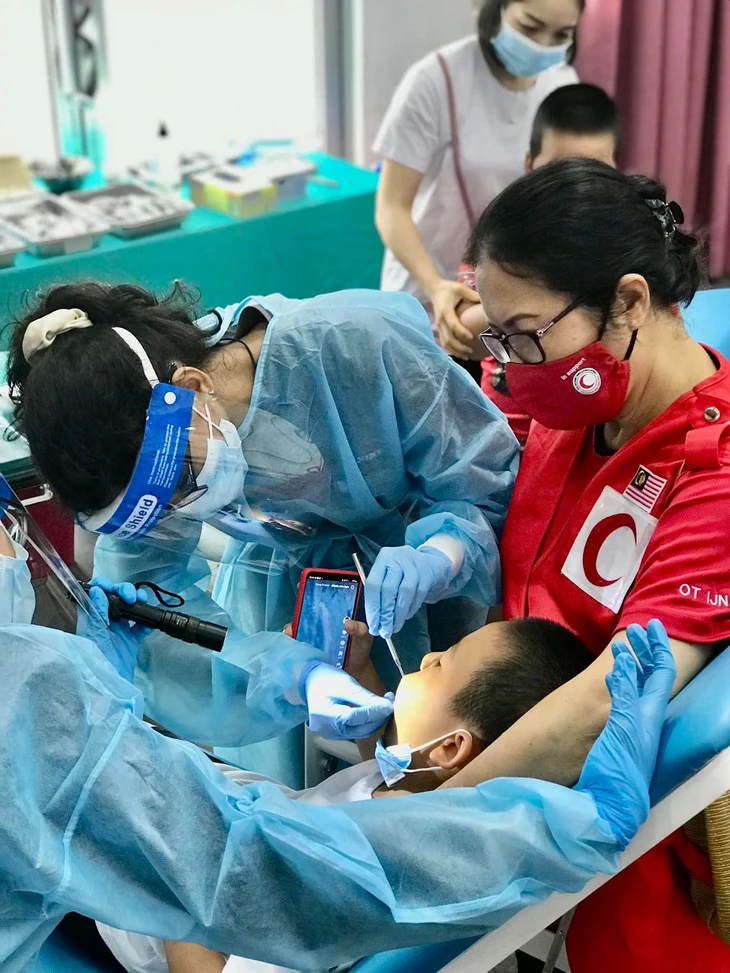
Many types of food can affect oral health, especially sour foods - Illustration photo
Tooth wear is the loss of tooth structure (enamel, dentin) not due to tooth decay, occurring due to mechanical, chemical or physiological factors. This process usually occurs slowly, does not cause immediate pain so it is easily overlooked until there are clear symptoms.
Common types of tooth wear:
- Frictional wear: Occurs due to external factors such as brushing teeth incorrectly, using hard-bristled toothbrushes, highly abrasive toothpaste, the habit of using toothpicks or biting nails.
- Contact wear: Caused by the upper and lower teeth rubbing against each other, often seen in people who have a habit of grinding or clenching their teeth while sleeping. Cases with severe tooth wear often have accompanying temporomandibular joint dysfunction.
- Chemical erosion: Loss of tooth enamel due to acids from food, drinks or endogenous acids from gastric reflux. Carbonated drinks with low pH, if overused, have a high risk of causing tooth erosion.
- Physiological wear: Occurs with age, is usually mild and does not cause major effects if controlled.
What are the signs that you have tooth wear?
Normally, teeth have a protective layer of enamel on the outside. When the enamel layer is worn away and the dentin is exposed, there may be some of the following signs:
- Teeth are sensitive to hot, cold, sour and sweet foods and drinks.
- The tooth surface is flat, opaque or has small dents.
- The biting edge of the incisors is chipped or worn short.
- Exposed dentin, light yellow or brown in color.
- The notch can be seen at the neck of the tooth near the gum.
Causes of tooth wear
There are many causes of tooth wear, some common causes are as follows:
- Improper dental hygiene habits (brushing too hard, using a hard toothbrush, brushing horizontally).
- Habit of eating and drinking a lot of foods and drinks containing acid (lemon, vinegar, carbonated soft drinks...).
- Grinding teeth at night, prolonged stress or clenching teeth
- Gastroesophageal reflux disease causes acid to reflux into the oral cavity.
- Use acidic medications or mouthwash containing alcohol regularly.
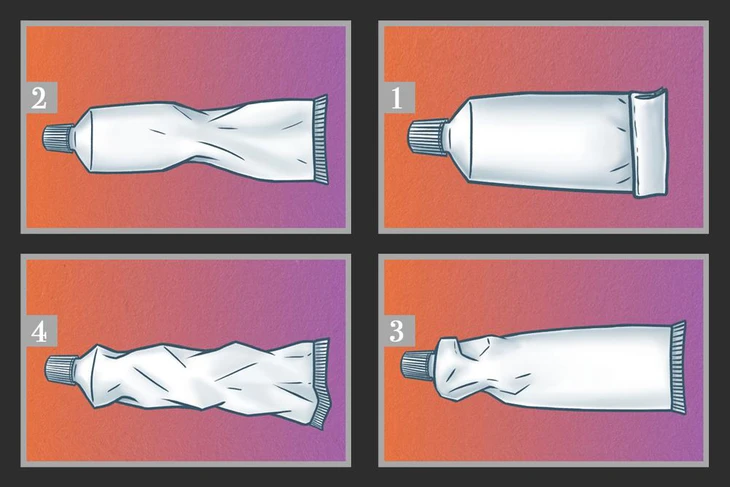
Toothpastes containing fluoride and remineralization-promoting ingredients can help with mild tooth wear - Illustration
How to treat tooth wear?
- In mild cases: The doctor will instruct you on proper hygiene, using toothpaste containing fluoride and other remineralization-supporting ingredients such as CPP/ACP or HA. In addition, toothpastes that cut off sensory pathways can be used to prevent tooth sensitivity.
- With moderate tooth wear: Teeth can be filled with composite material to restore shape and protect the dentin.
- In severe cases: May need to be restored with porcelain crowns or veneers to preserve real teeth, ensuring function and aesthetics.
- If the cause is teeth grinding: The doctor will make an anti-grinding splint to wear at night. However, it should be noted that many patients grind their teeth silently, so it is not detected.
- If due to gastric reflux: Need to combine medical treatment to control stomach acid.
How to prevent tooth wear
Tooth wear is the process of irreversible mineral loss of enamel and dentin, which occurs silently but leaves many consequences such as pain, sensitivity, reduced bite height and aesthetic impact. Therefore, prevention is always more important than treatment. Some of the following measures help to minimize the process of tooth wear in the community:
- Brush your teeth properly: Use a soft-bristled toothbrush, avoid brushing your teeth horizontally because it creates a lot of friction on the enamel surface. The circular technique or brushing from the gums to the biting edge will help clean effectively without causing damage.
You should use toothpaste containing fluoride to increase the ability to remineralize. In addition, you can use toothpaste that not only contains fluoride but also has other ingredients such as CPP/ACP to help remineralize better.
- Limit foods and drinks with high acidity: Carbonated soft drinks, energy drinks, sour fruits, vinegar, wine, etc. easily soften tooth enamel, creating conditions for tooth erosion to progress.
If using, drink quickly instead of holding it in your mouth for a long time, then rinse your mouth with water to neutralize the oral environment. Avoid brushing your teeth immediately after eating sour foods because the enamel will be more eroded when it is soft.
- Control teeth grinding: Grinding teeth at night or clenching teeth when stressed increases mechanical tooth wear. People with signs of teeth grinding should see a doctor to be prescribed an anti-grinding splint. In addition, practicing relaxation, reducing stress, and getting enough sleep also help limit this condition. It is important to note that teeth grinding often accompanies temporomandibular joint dysfunction.
- Regular dental check-ups every 6 months: Regular check-ups help detect early signs of tooth wear such as thin biting edges, abnormal enamel surface, increased sensitivity...
Maintain healthy salivation: Saliva has the role of neutralizing acids, providing minerals to help remineralize tooth enamel and protect against tooth erosion. Therefore, you should drink enough water every day to avoid prolonged dry mouth.
Change habits that damage tooth enamel: Avoid using your teeth to open bottle caps, bite hard objects, or chew ice. These behaviors put excessive mechanical force on teeth, accelerating tooth wear and cracking.
Use enamel protection when necessary: In some high-risk cases such as gastroesophageal reflux, dry mouth due to medication or radiation therapy, patients need close coordination between medical doctors and dentists to reduce the cause of erosion.
Instructions on ways to protect against tooth wear
1. Do not brush your teeth immediately after eating sour foods or drinking carbonated drinks.
Acid softens tooth enamel, brushing immediately will wear it down faster. Wait 20-30 minutes.
2. Early detection of teeth grinding even without noise
Silent teeth grinding is very common and causes severe wear. Watch for jaw muscle pain, worn biting edges, and morning temple tension.
3. Do not bleach your teeth on your own if they are worn or sensitive.
Bleaching may worsen sensitivity and enamel erosion if not evaluated by a dentist.
4. High-risk groups need more frequent dental check-ups
People with acid reflux, dry mouth due to medication, prolonged stress or temporomandibular joint disorders are more likely to experience faster wear.
5. Severe tooth wear can alter the bite
Reduced bite height, jaw pain and temporomandibular joint dysfunction; proper bite correction and rehabilitation are required.
AS JADE - LE HUONG
Source: https://tuoitre.vn/bac-si-canh-bao-nhung-do-an-de-gay-mon-rang-20251204093408955.htm
![[Photo] Cat Ba - Green island paradise](/_next/image?url=https%3A%2F%2Fvphoto.vietnam.vn%2Fthumb%2F1200x675%2Fvietnam%2Fresource%2FIMAGE%2F2025%2F12%2F04%2F1764821844074_ndo_br_1-dcbthienduongxanh638-jpg.webp&w=3840&q=75)














































![[VIMC 40 days of lightning speed] Da Nang Port: Unity - Lightning speed - Breakthrough to the finish line](https://vphoto.vietnam.vn/thumb/402x226/vietnam/resource/IMAGE/2025/12/04/1764833540882_cdn_4-12-25.jpeg)












































Comment (0)