

Aseptic packaging has become a crucial factor in ensuring peace of mind for businesses, retailers, and consumers: it preserves flavor without preservatives, is convenient to use, and, importantly, can be collected and recycled after use, contributing to environmental protection.
This trend has led F&B businesses to seek suitable solutions, not only to compete on product quality, but also to meet consumer expectations for safe, convenient, and sustainable packaging.
With over 30 years of presence in the Vietnamese F&B market, paper packaging bearing the Tetra Pak logo "Protecting Quality" on the edges and bottom of the carton has become a familiar sight to manufacturers, retailers, and consumers.
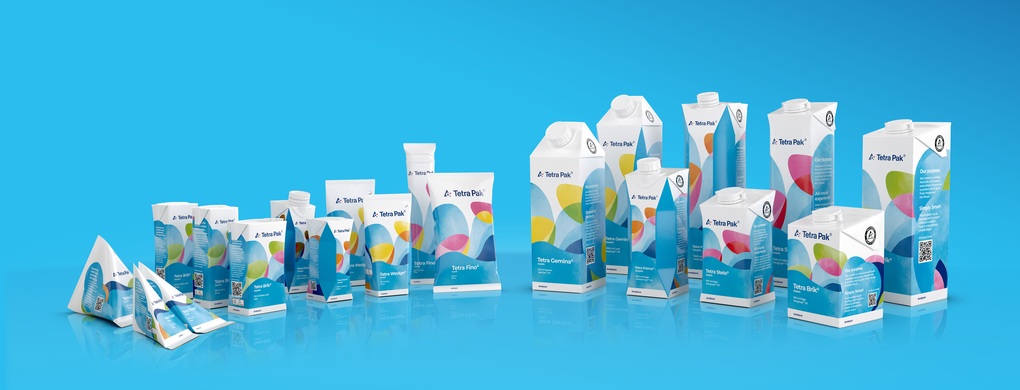
Here are three key advantages of Tetra Pak aseptic packaging.
Ensuring food safety and preserving its flavor to the fullest.
Tetra Pak aseptic packaging is made from paperboard for strength and durability. Inside, there is a thin layer of aluminum to prevent air and light from entering and to maintain product quality.
Additionally, very thin layers of polyethylene plastic are used to protect against external moisture, bond the cardboard to the aluminum, protect the cardboard, and prevent moisture or product leakage. Plastic is also used to make lids, straws, and locks, but these components can now also be made from plant-based materials.
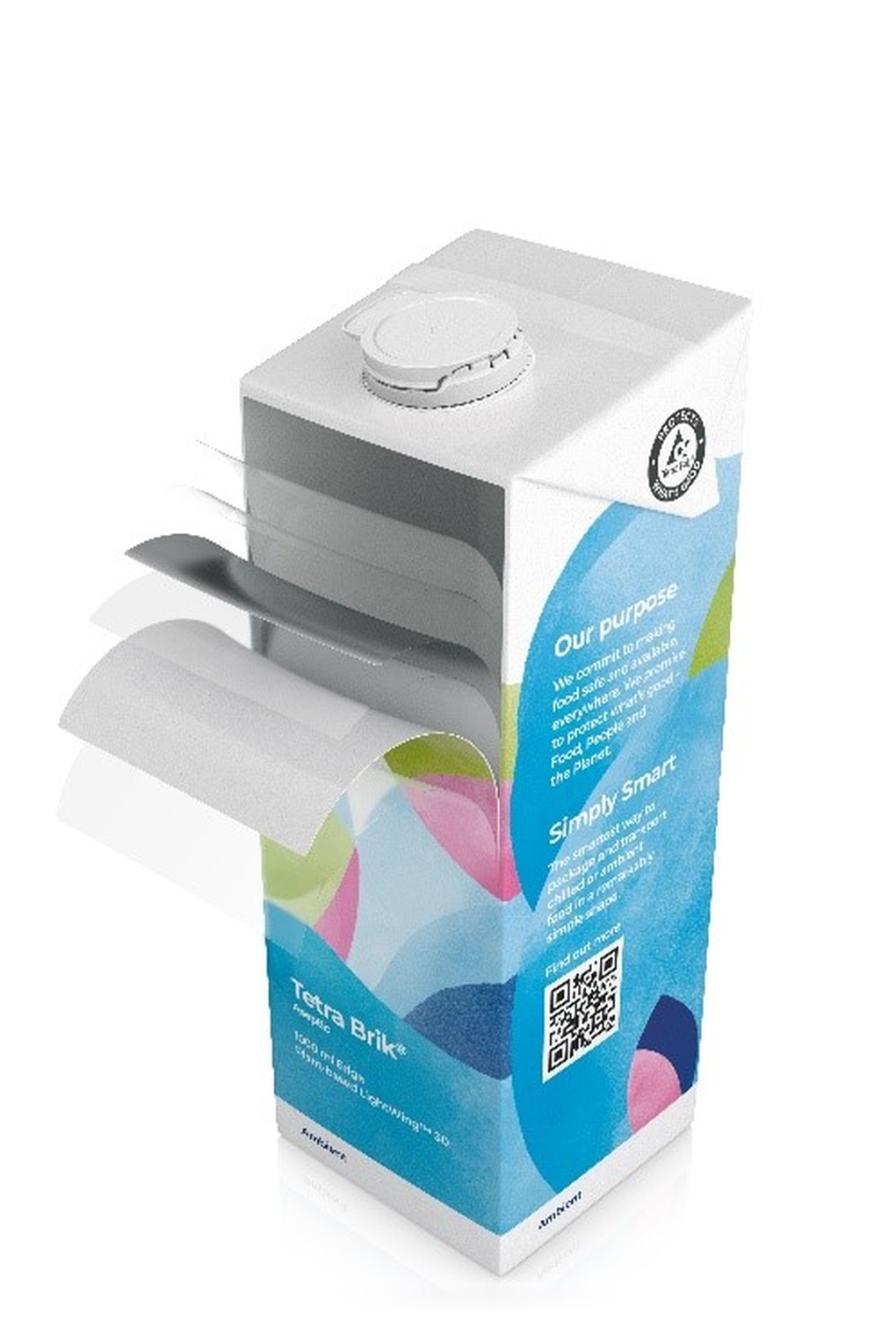
Aseptic packaging helps protect and preserve the flavor of food at room temperature throughout its shelf life. To achieve this, the entire production process—from processing to filling—takes place in a completely sterile, enclosed environment.
There are two main methods for sterilizing packaging. The traditional method sterilizes both the inside and outside of the packaging material using a food-grade disinfectant solution. The second method is eBeam, which sterilizes the packaging surface directly on the production line. This technology is faster, has a smaller carbon footprint, and is used by Tetra Pak in its latest E3 Hyper Speed production line, which is now available in Vietnam.
Improve business competitiveness
Aseptic packaging expands product distribution to all locations, including remote areas, thanks to its long shelf life and ability to be stored at room temperature. This helps businesses: optimize supply chain costs, reduce product losses; expand markets, increase product coverage; and enhance brand reputation with a comprehensive solution from processing to packaging using Swedish technology.
The range of products suitable for aseptic packaging is very broad: from milk, fruit juices, and plant-based beverages to ready-to-drink tea and coffee, canned foods, etc. Tetra Pak offers a variety of styles and capacities, allowing businesses to customize according to their product categories to provide a convenient experience suitable for a wide range of target users.
Tetra Pak paper packaging also allows businesses to print on the entire surface, creating striking effects such as creative printing and digital printing, helping products attract attention right on the shelves.
To meet the growing demand from the domestic and regional markets, in July, Tetra Pak completed the second phase of its aseptic packaging factory expansion in Binh Duong. The factory now has two production lines with a capacity of over 30 billion cartons per year, adding 15 innovative and sustainable packaging formats to help the company expand its product portfolio and serve the dynamic needs of consumers.

In line with the goal of sustainable development
Tetra Pak is committed to providing the world's most sustainable food packaging with four key focuses: increasing the proportion of renewable materials; maximizing the value of recycled materials; minimizing waste; and designing packaging that is easily recyclable in the future.
In Vietnam, Tetra Pak collaborates with partners and the community to implement a program for collecting cardboard cartons at schools, supermarkets, and partner retail outlets such as Vinamilk and TH True Milk. These programs attract widespread community participation, contributing to waste reduction and giving cardboard cartons a new life.
Simultaneously, Tetra Pak works closely with regulatory agencies and industry associations to support the implementation of Extended Producer Responsibility (EPR), investing in recycling infrastructure to improve the recycling rate of paper cartons. This demonstrates Tetra Pak's commitment to partnering with businesses and stakeholders towards sustainable development goals.
Discover Tetra Pak's innovative packaging and processing solutions here.
Source: https://dantri.com.vn/kinh-doanh/bao-bi-tiet-trung-tetra-pak-gop-phan-vao-muc-tieu-phat-trien-cua-nganh-fb-20251210145115571.htm

![[Photo] The captivating scenery of the fragrant maple forest in Quang Tri](/_next/image?url=https%3A%2F%2Fvphoto.vietnam.vn%2Fthumb%2F1200x675%2Fvietnam%2Fresource%2FIMAGE%2F2025%2F12%2F10%2F1765353233198_lan09046-jpg.webp&w=3840&q=75)

![[Photo] Explore the US Navy's USS Robert Smalls warship](/_next/image?url=https%3A%2F%2Fvphoto.vietnam.vn%2Fthumb%2F1200x675%2Fvietnam%2Fresource%2FIMAGE%2F2025%2F12%2F10%2F1765341533272_11212121-8303-jpg.webp&w=3840&q=75)






























![[Video] The craft of making Dong Ho folk paintings has been inscribed by UNESCO on the List of Crafts in Need of Urgent Safeguarding.](https://vphoto.vietnam.vn/thumb/402x226/vietnam/resource/IMAGE/2025/12/10/1765350246533_tranh-dong-ho-734-jpg.webp)




























































Comment (0)