

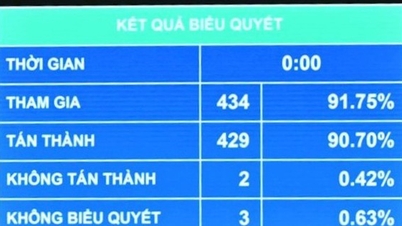
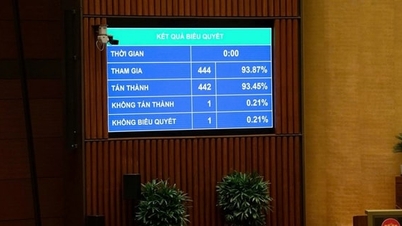
On the morning of December 10th, at the 10th session of the 15th National Assembly, the National Assembly passed the Law amending and supplementing a number of articles of the Law on Technology Transfer with 89.01% of the attending delegates voting in favor.
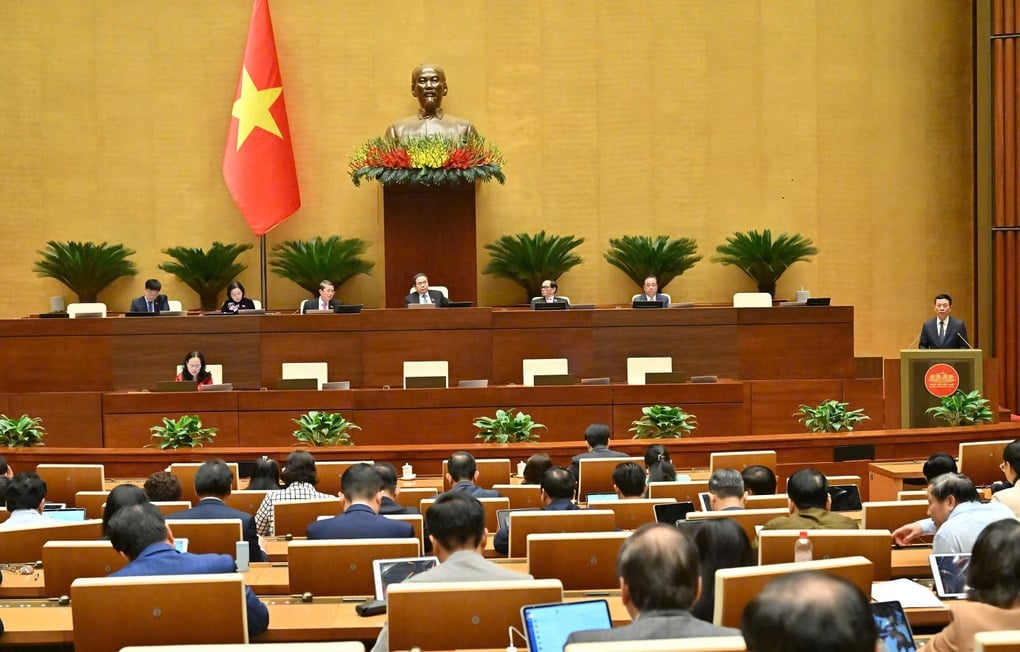
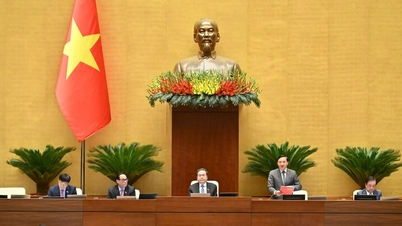
The 10th session of the 15th National Assembly passed the Law amending and supplementing a number of articles of the Law on Technology Transfer (Photo: PV).
This draft Law on Technology Transfer aims to build a modern, transparent, and efficient technology market, while promoting innovation among businesses, enhancing technological capabilities, and increasing competitiveness in the context of globalization and digital transformation.
Technology is becoming a commercially viable asset.
The scope of technology has been broadened, encompassing not only machinery and equipment but also knowledge, data, design, models, algorithms, software, and artificial intelligence—all considered technological objects in the fullest sense.
Regarding the ownership and use of technology, the draft refines regulations establishing and protecting rights under the laws on intellectual property, science , technology and innovation, public asset management, civil law, related laws and international treaties.
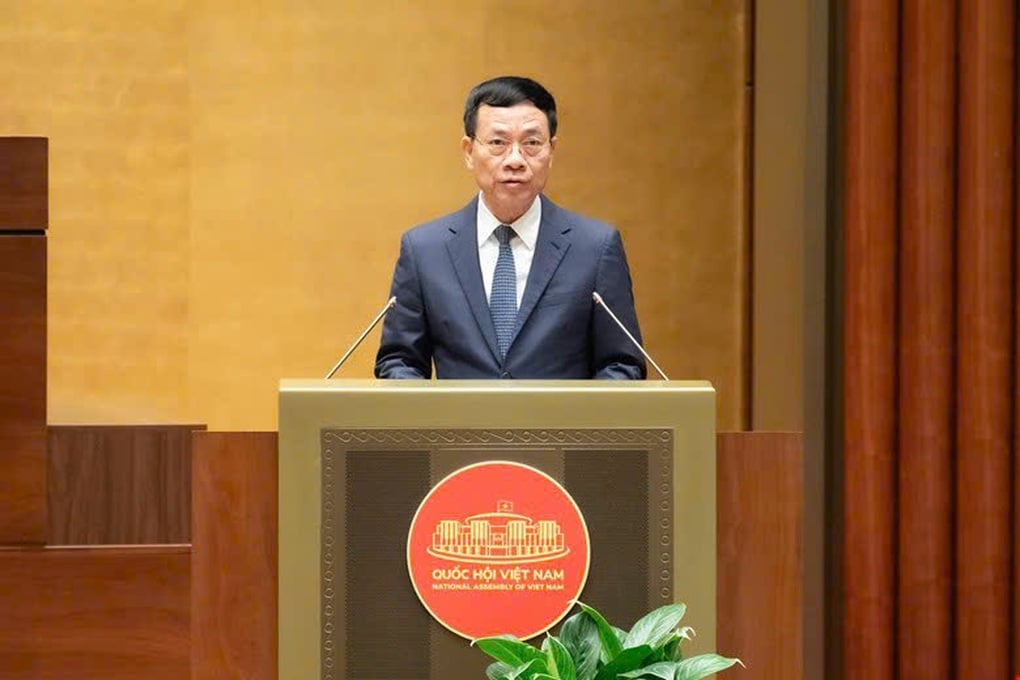
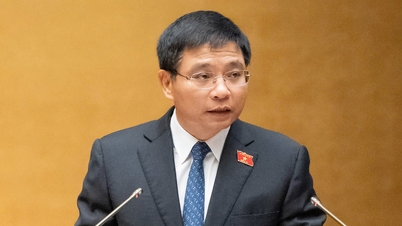
Minister of Science and Technology Nguyen Manh Hung reports at the 10th Session of the 15th National Assembly (Photo: PV).
The amended law has created a mechanism so that technology is not only a tool of production but also considered a valuable asset that can be valued, commercialized, contributed to investment projects or businesses, and have its profits distributed transparently.
Organizations and individuals who legally own or use technology are permitted to commercialize the technology or contribute it as capital to investment projects or businesses.
Regulations related to technology valuation, technology-based equity contributions, and risk-sharing mechanisms in research and development (R&D) collaborations have been clarified, creating a foundation for the healthy and substantive development of the technology market.
Intermediary organizations play a crucial role in the market.
The amended Law on Technology Transfer has clarified concepts, expanded the scope of regulation, and enhanced transparency in technology transactions; setting the goal of resolving obstacles in commercializing research results, connecting technology supply and demand, and expanding cooperation domestically and internationally.
A key feature of the Law is its emphasis on developing intermediary organizations – a crucial element of the technology market.
Brokerage, consulting, evaluation, valuation, and supply-demand matching organizations in the technology sector will be developed in a more professional and transparent manner. The establishment of technology exchanges and innovation support mechanisms will address weaknesses in the intermediary ecosystem, creating a foundation for the smooth operation of the technology market.
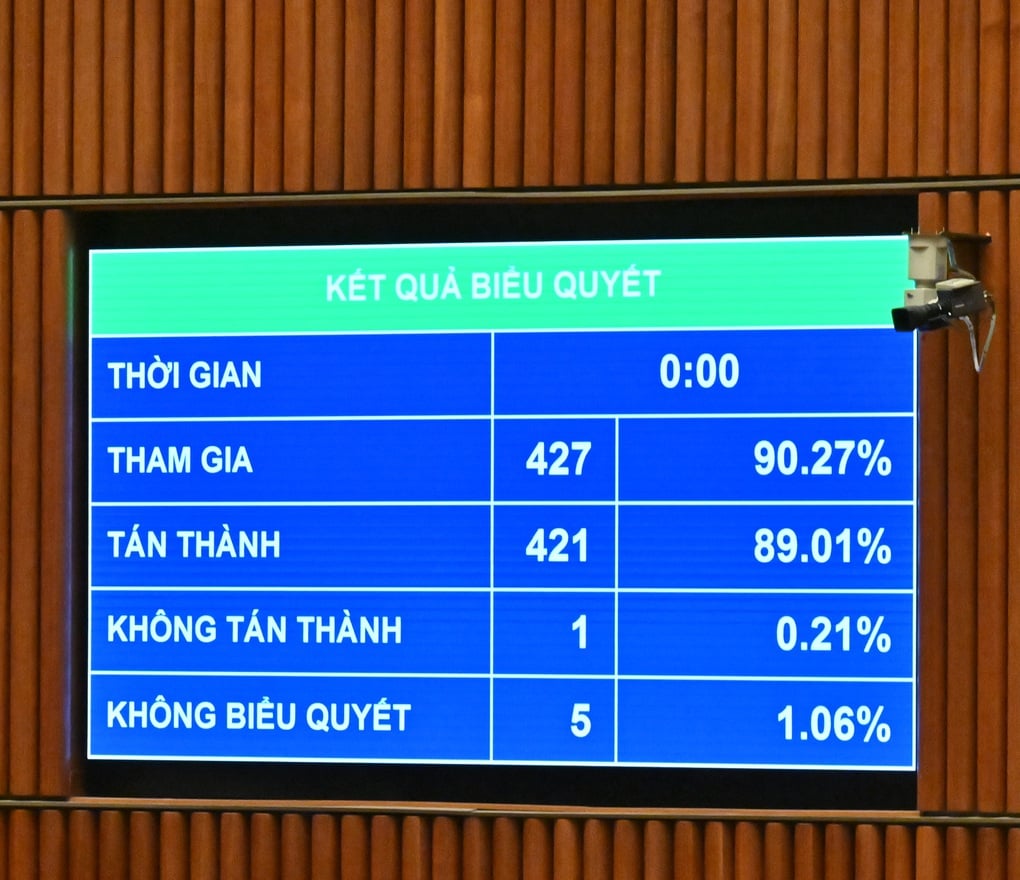
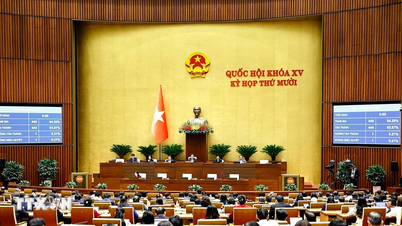
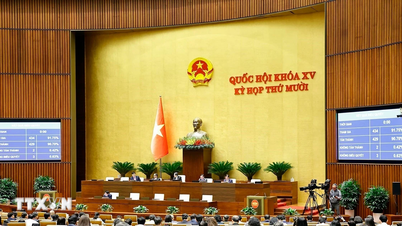
89.01% of the delegates present voted in favor of passing the Law amending and supplementing a number of articles of the Law on Technology Transfer (Photo: PV).
Furthermore, shifting the approach from "control" to "promoting innovation" is also a significant change, creating a more flexible and open legal environment for technology transfer activities.
Regarding risk management and technology assessment, the Law stipulates that assessment only applies to projects using technologies with restricted transfer or those with a high risk of adverse environmental impact, helping to prevent risks from the outset.
This is entirely consistent with the principles of environmental protection and public health, because the consequences, if not controlled early, will be very difficult to remedy and the costs will be very high.
This was also a topic of interest to many delegates. The law stipulates that technology assessment only applies to projects using technologies with restricted transfer or those with a high risk of adverse environmental impact, in order to prevent risks from the outset.
This aligns with the principles of environmental protection and public health as advocated by the Party and the State, aiming to mitigate consequences that are difficult to remedy and far more costly than early control measures.
Decentralize technology assessment to local authorities and enhance management capacity.
Another important aspect is the decentralization of technology assessment to local authorities.
Decentralization is only effective when accompanied by clear national criteria, publicly disclosed assessment results, and the right of state management agencies to monitor and conduct post-audits.
Post-inspection is being strengthened to prevent risks such as inflated technology prices, adoption of outdated or environmentally polluting technologies, but without creating barriers to business innovation.
The law focuses on comprehensive digital transformation in monitoring, statistics, and public disclosure of technology transfer and high-tech activities to enhance state management capacity.
Detailed, quantitative regulations will be guided by the Government to ensure flexibility and timeliness in line with practical realities in the context of rapidly changing technology.
The government continues to apply post-audit mechanisms with strong sanctions; at the same time, it pays attention to the entire technology lifecycle from research, development, testing to application and especially the commercialization phase.
The amendment to the Law on Technology Transfer is considered to not only ensure risk control but also facilitate investment activities, while promoting innovation, enhancing technological capacity, and strengthening national competitiveness.
Source: https://dantri.com.vn/cong-nghe/cong-nhan-cong-nghe-la-tai-san-co-gia-tri-duoc-dung-de-gop-von-du-an-20251210163957094.htm


![[Photo] Explore the US Navy's USS Robert Smalls warship](/_next/image?url=https%3A%2F%2Fvphoto.vietnam.vn%2Fthumb%2F1200x675%2Fvietnam%2Fresource%2FIMAGE%2F2025%2F12%2F10%2F1765341533272_11212121-8303-jpg.webp&w=3840&q=75)






























![[Video] The craft of making Dong Ho folk paintings has been inscribed by UNESCO on the List of Crafts in Need of Urgent Safeguarding.](https://vphoto.vietnam.vn/thumb/402x226/vietnam/resource/IMAGE/2025/12/10/1765350246533_tranh-dong-ho-734-jpg.webp)

























































Comment (0)