

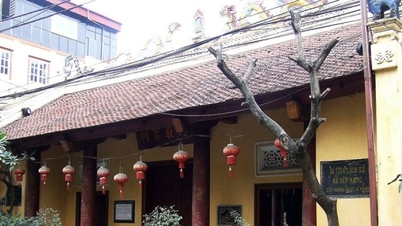
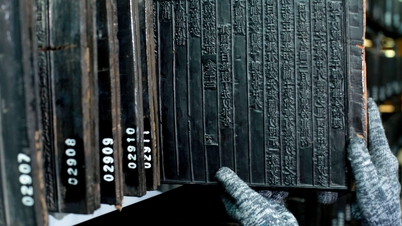
At Gia Loan Temple in Yen Lac Commune - the place to worship the famous general Nguyen Khac Khoan under the Ngo Quyen Dynasty, many precious artifacts are still preserved almost intact. In the sacred space of the ancient temple, jade genealogy books, royal decrees, embossed wooden reliefs, large inscriptions, ceremonial gates, worship swords or bronze sacrificial objects are still respected as historical evidence. Most of the artifacts are made from materials such as paper and wood that are easily damaged by climate and time, so when burning incense, local people always pay attention to keep a distance to avoid fire. Metal artifacts are cleaned regularly to prevent oxidation. The relic site always has people on duty to prevent theft, fire or unexpected impacts of natural disasters. If an emergency occurs, the artifacts will be moved to a safe place and immediately reported to the commune authorities for timely handling measures.
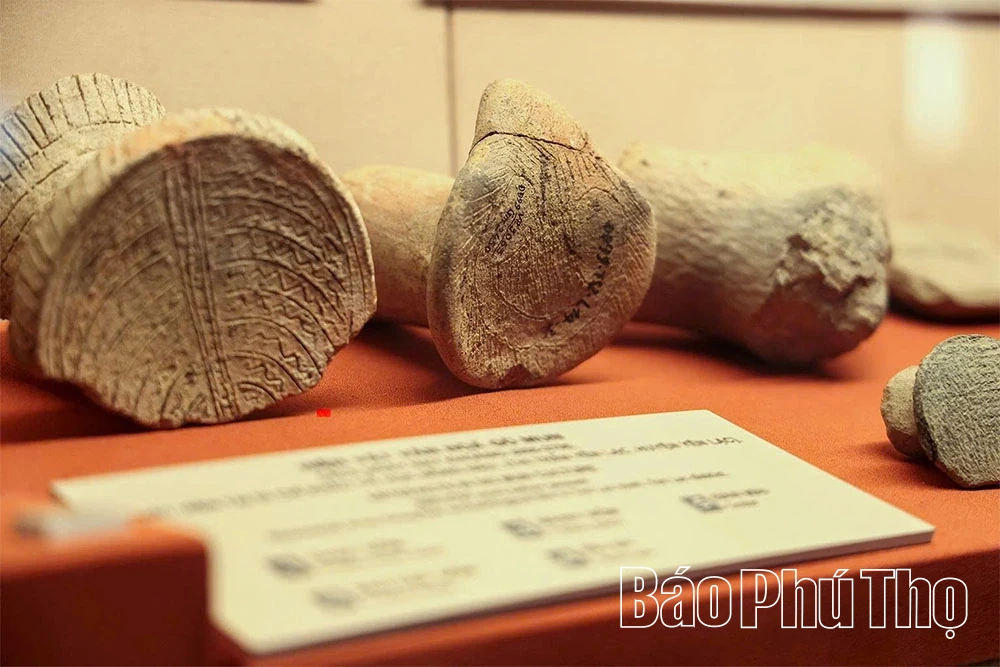
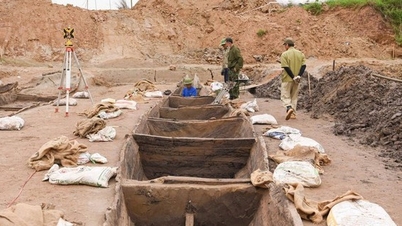
Many precious relics are preserved at Dong Dau archaeological site (Yen Lac commune).
Yen Lac is a commune with a dense density of relics with dozens of provincial and national relics, of which the most typical are Bien Son Pagoda, Dong Dau Archaeological Site, Gia Loan Temple, Doai Communal House, Duong Family Temple, Phung Family Temple... Each relic preserves a separate layer of cultural and historical sediments, and is also a place to preserve many artifacts of special value. The commune government coordinates with the management board of relics, pagodas and clans to organize the care and protection of artifacts according to regulations.
At Bien Son Pagoda, many ancient Buddha statues are still preserved in a stable, clean environment, minimizing external impacts. At Gia Loan Temple and Dinh Doai Temple, the monks are assigned to directly supervise. In particular, the Dong Dau Archaeological Site - an important site of prehistoric culture in the midlands - has a 24/7 security force to prevent any acts of encroachment.
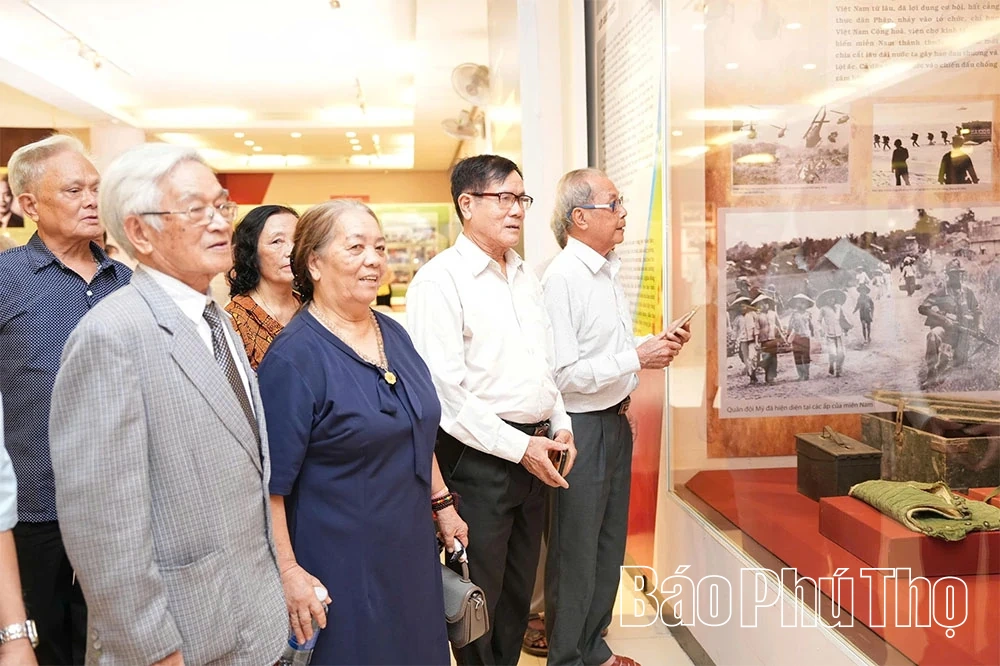
Hung Vuong Museum, branch 2, is preserving many valuable artifacts and documents, attracting many people from inside and outside the province to visit.
In the system of cultural institutions of the province, Hung Vuong Museum, branch 2, plays a central role in collecting, researching, inventorying, preserving and introducing cultural heritages of Phu Tho . Over the years, the Museum has carried out many collection campaigns in localities, worked with research institutes and archive centers, and mobilized organizations and individuals to donate artifacts. These efforts have supplemented the Museum's archives with a rich and diverse amount of artifacts, reflecting human life through historical periods. Preservation work is carried out in accordance with technical procedures, under the guidance of experts, to maintain the authenticity and original value of each artifact.
Currently, Hung Vuong Museum, Facility 2, is preserving more than 21,500 artifacts, documents, and images. Among these, there are particularly valuable collections such as two sets of ancient Vietnamese remains belonging to Phung Nguyen culture; ceramics and porcelain typical of Dong Dau culture, or the national treasure of the enameled ceramic tower of Tro Pagoda. The permanent exhibition system includes 1,518 artifacts, arranged on an area of nearly 1,800m2 , helping visitors have a comprehensive view of the cultural and historical development process of the Ancestral Land from prehistoric to modern times. In addition, the Museum also organizes dozens of thematic exhibitions with rich content, along with mobile exhibitions in many localities to bring heritage closer to the public.
Many young people visiting the Museum were excited to directly approach artifacts they had only seen in books. Le Dinh Khai, a student at Vinh Phuc High School for the Gifted, shared that the visit helped him gain a deeper understanding of the cultural life of the people of Phu Tho and neighboring areas through the ages. Such visual experiences contribute to nurturing a love of history and a sense of responsibility in preserving the nation's cultural heritage.
According to the Department of Culture, Sports and Tourism, relics, antiquities and especially national treasures are not only valuable for research but also invaluable spiritual assets of the Vietnamese ethnic community. In addition to the storage system at the Hung Vuong Museum, facility 2, thousands of precious artifacts are being preserved in traditional houses, historical and cultural relics and archaeological sites in the province. The display and explanation of these artifacts not only help viewers better understand their origins but also contribute to enriching the spiritual life of the people, promoting tourism development associated with the preservation of traditional cultural heritage.
Le Minh
Source: https://baophutho.vn/bao-ton-va-phat-huy-gia-tri-di-vat-co-vat-vung-dat-to-243756.htm


![[Photo] Cat Ba - Green island paradise](/_next/image?url=https%3A%2F%2Fvphoto.vietnam.vn%2Fthumb%2F1200x675%2Fvietnam%2Fresource%2FIMAGE%2F2025%2F12%2F04%2F1764821844074_ndo_br_1-dcbthienduongxanh638-jpg.webp&w=3840&q=75)






















































Comment (0)