

Comrade PHAM CHANH TRUC, former Standing Deputy Secretary of the City Party Committee, former Chairman of the People's Council of Ho Chi Minh City:
The symbol must reflect the spirit of the people and the vitality of Ho Chi Minh City.
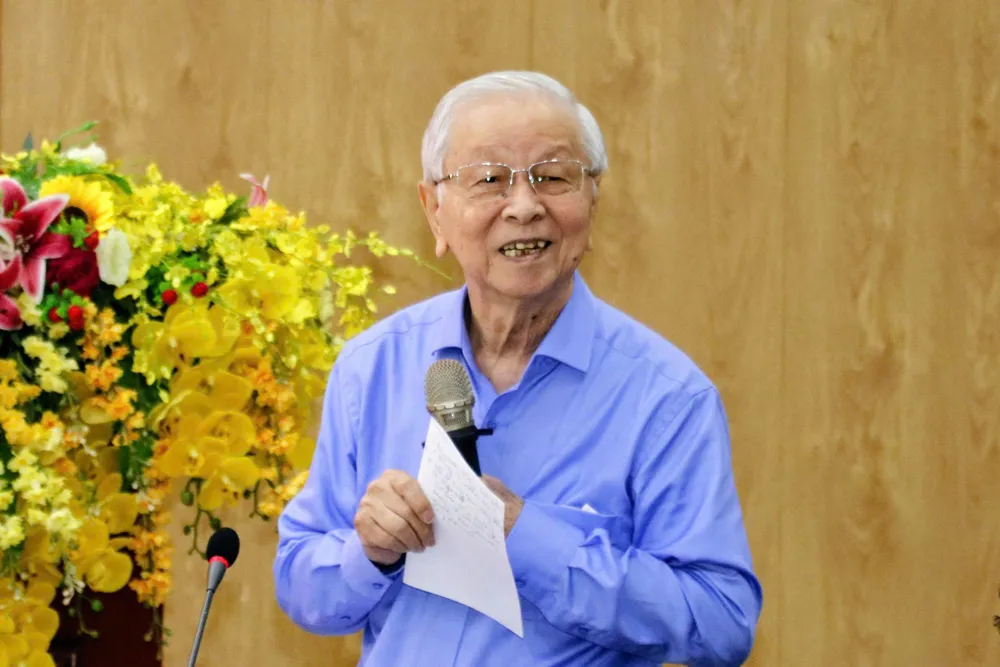
I wholeheartedly agree with the policy of the Ho Chi Minh City Party Committee and the Department of Culture and Sports to solicit public opinion on a symbolic project that commemorates the collective efforts and solidarity of the city's residents and the entire country during the Covid-19 pandemic. This demonstrates a democratic spirit and shows how the city cherishes its own memories. A symbolic project, if it is to endure in people's hearts, must be nurtured by the genuine emotions and memories of the community.
It can be said that the years of battling the Covid-19 pandemic were a special and unforgettable period in the history of Ho Chi Minh City. We witnessed countless losses and sacrifices, but it was precisely in those difficult times that the compassion and spirit of sharing of the people of the city and the entire country shone brightly. Therefore, this project needs to remind people of those days: how the city overcame danger, and how the whole country joined hands to overcome the pandemic.
In my opinion, besides government information, the press could dedicate a column each week to republishing images, documents, and real stories of people during the pandemic. This could include recalling images of people voluntarily contributing meals, oxygen tanks, protective clothing, etc., or images of soldiers going to the market to help people, relief convoys from all over, "rice ATMs," "oxygen ATMs," and long lines of volunteers during the pandemic... all of which created a miraculous strength that helped Ho Chi Minh City stand firm.
Regarding its content, I believe the symbol should evoke reflection on the causes of disasters, on nature's fierce reaction to the unsustainable exploitation of resources, deforestation; the production of food using toxic chemicals; environmental pollution, climate change, and the spread of diseases… Therefore, in my opinion, the symbol should serve as both a living space of memory, where people can come to commemorate, express gratitude, interact, and feel proud; and a place for everyone to reflect on the causes of disasters and nature's fierce reaction to humanity, in order to collectively guide future actions.
It is truly commendable that the city has called upon its citizens to contribute their opinions, because this project belongs to everyone—to every doctor, nurse, soldier, volunteer, and ordinary citizen who has contributed to this life-or-death battle. When the voices of the people are heard, this project will not only be beautiful in form but also profound in meaning. I believe that this symbol will become a place to remember and to pass on to future generations a lesson about compassion, responsibility, and the power of faith.
Mr. DOAN VAN DU, Chairman of the People's Committee of Tan Son Nhat Ward:
The monument serves as a tribute and a reminder to future generations.
In 2021, the fourth wave of the Covid-19 pandemic occurred with a new, rapidly spreading and dangerous variant, causing negative and prolonged impacts on the global economy , including Southeast Asia and Vietnam. The number of Covid-19 cases in Ho Chi Minh City accounted for nearly 50% of the total cases nationwide.
During the peak of the pandemic, we witnessed many noble yet humble examples. These included doctors, nurses, and medical staff; police officers and soldiers; youth and women's union members and volunteers; and numerous grassroots officials and citizens who dedicated their strength and minds to jointly combating the disease.
They went through days of continuous work, irregular meals, and insufficient sleep; simultaneously treating, caring for, and encouraging patients to overcome the epidemic, and motivating each other to overcome differences in living conditions; rapidly conducting testing and screening to trace contacts, and continuously administering vaccines to race against time. Therefore, this symbolic project will serve as a tribute and a reminder to future generations not to be complacent in epidemic prevention and control!
Ms. TRINH THI MY LE, Vice President of the Khmer Literature and Arts Association of Ho Chi Minh City :
Showcasing the values that have shaped the character of the city's people.
I was deeply moved to learn that Ho Chi Minh City is widely soliciting opinions from its citizens, including ethnic minorities, regarding a symbol to acknowledge the collective efforts and solidarity of the city's people in overcoming the Covid-19 pandemic. After reading the information about the project, I believe it will be a spiritual symbol, a profound expression of gratitude to all those who have contributed to helping the city stand strong and recover after unprecedented losses.
I remember that during the days when the pandemic raged, no one was left behind, regardless of whether they were Kinh, Khmer, Tay, Nung, Hoa... or any other ethnic group. Humanity and solidarity became a guiding light, leading us through loss to rebirth.
I hope that this project will not only be a symbol commemorating collective memory but also a personal space for each soul. It will be a place where every citizen and visitor can pause, reflect, and feel the value of human connection and sharing. I hope that, in its form, the symbol will reflect the spirit of compassion, solidarity, resilience, and rebirth—values that have shaped the character of the people of Ho Chi Minh City.
For the ethnic minority communities living, studying, and working in Ho Chi Minh City, this project undoubtedly holds immense significance. It affirms that during the most difficult times, all citizens, regardless of ethnicity, religion, or occupation, have contributed to the city's unity and strength in overcoming the pandemic. This is a source of pride, a shared memory, and also a motivation for us to continue to work alongside and contribute to the city's development in the future.
Architect DO TRONG CHU
A place symbolizing resilience and wisdom.
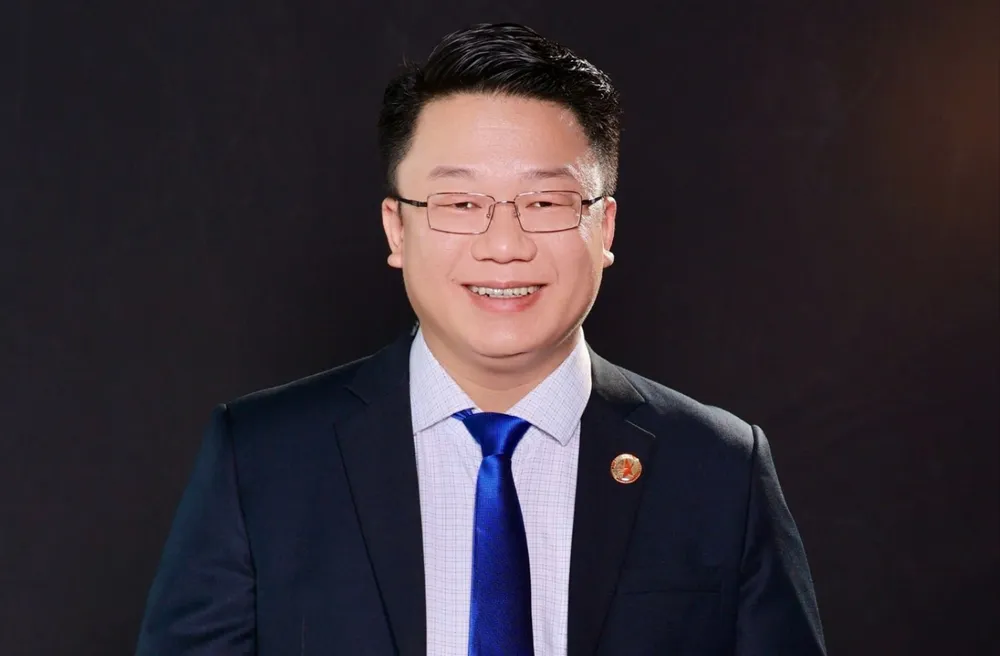
From an architect's perspective, I envision this iconic structure, a testament to the collective effort and solidarity of the city's people in overcoming the Covid-19 pandemic, not just as a building, but as an emotional touchpoint where memories, gratitude, and aspirations intertwine.
The symbol should evoke the image of rising from loss, like a green shoot emerging from the ashes, possessing a powerful visual language yet imbued with humanistic values. The material could be a combination of bright metal and transparent material, symbolizing resilience and wisdom, reflecting both light and the people themselves—those who have overcome and transcended pain.
The project should be a place where people come not just to look, but to feel, to remember, and to tell stories. It could be an "open" square where the wind blows through rows of trees planted by the relatives of the doctors and nurses who sacrificed their lives; it could be a pathway that evokes memories of lockdown days, but ends in a bright area, symbolizing the belief in rebirth. Every architectural detail must tell a story, evoking gratitude and inspiring positive living.
When people approach and find themselves within it, the symbol truly "comes alive," not just in concrete and steel, but in the memories, tears, and hopes of an entire city. Therefore, it requires the contribution of ideas from many sectors and organizations, and a wide-ranging design competition to meet the aspirations of the people.
Ms. NGUYEN YEN VY, a resident of neighborhood 52, An Hoi Tay ward (Ho Chi Minh City):
A place to remember and honor deceased loved ones.
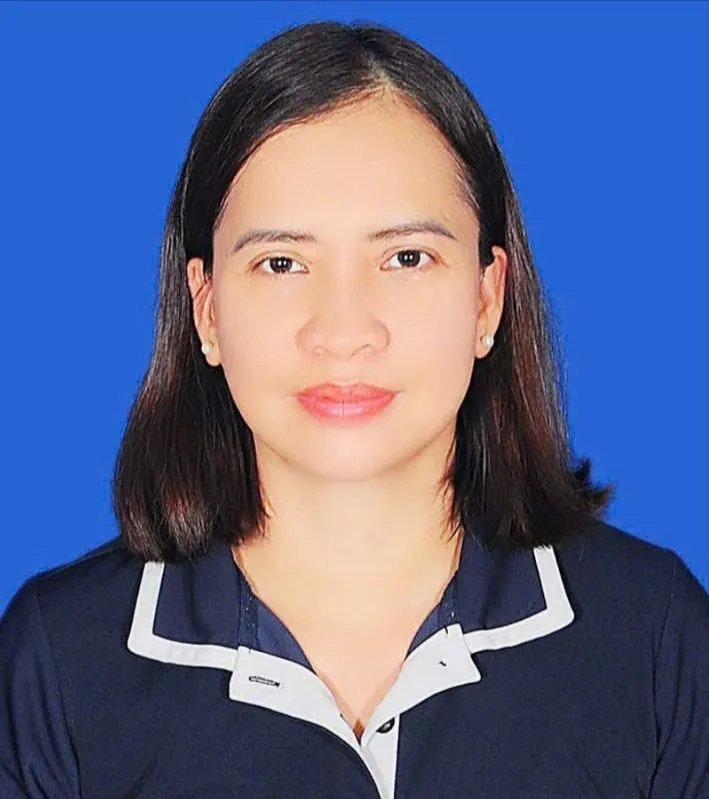
In my opinion, constructing a monument at plot number 1, Ly Thai To Street (Vuon Lai Ward, Ho Chi Minh City) to commemorate the collective efforts and solidarity of the people of Ho Chi Minh City in overcoming the Covid-19 pandemic is a practical solution.
Building a monument could become a symbol of unity, strength, and gratitude towards those who dedicated themselves to the fight against the Covid-19 pandemic, a painful "war in peacetime" for Vietnam and the world. Therefore, this could evoke a sense of pride and gratitude from the entire community.
For some families, a monument can become a place where they remember and honor deceased loved ones. It can bring a sense of comfort and gratitude to see the contributions of their loved ones recognized and celebrated.
From an educational perspective, the monument can serve as an educational tool, reminding people of the importance of solidarity, cooperation, and compassion in difficult times, and the collective efforts of an entire nation to overcome the consequences of the pandemic. The monument can create a memorial space for those who lost their lives during the pandemic, and also evoke feelings of love and appreciation for human relationships.
Source: https://www.sggp.org.vn/bieu-tuong-co-chieu-sau-y-nghia-post821558.html
![[Image] Close-up view of the interchange connecting the two expressways and Long Thanh Airport.](https://vphoto.vietnam.vn/thumb/1200x675/vietnam/resource/IMAGE/2026/05/25/1779703378210_ndo_br_z7863716673926-224453a31600126cce10622af6290afd-4549-jpg.webp)
![[Image] Hanoi's urban life under the challenge of a "scorching hot" environment](https://vphoto.vietnam.vn/thumb/1200x675/vietnam/resource/IMAGE/2026/05/25/1779706979265_nang-nong-t5-2026-minh-duy-7-4636-jpg.webp)


























































Comment (0)