

 |
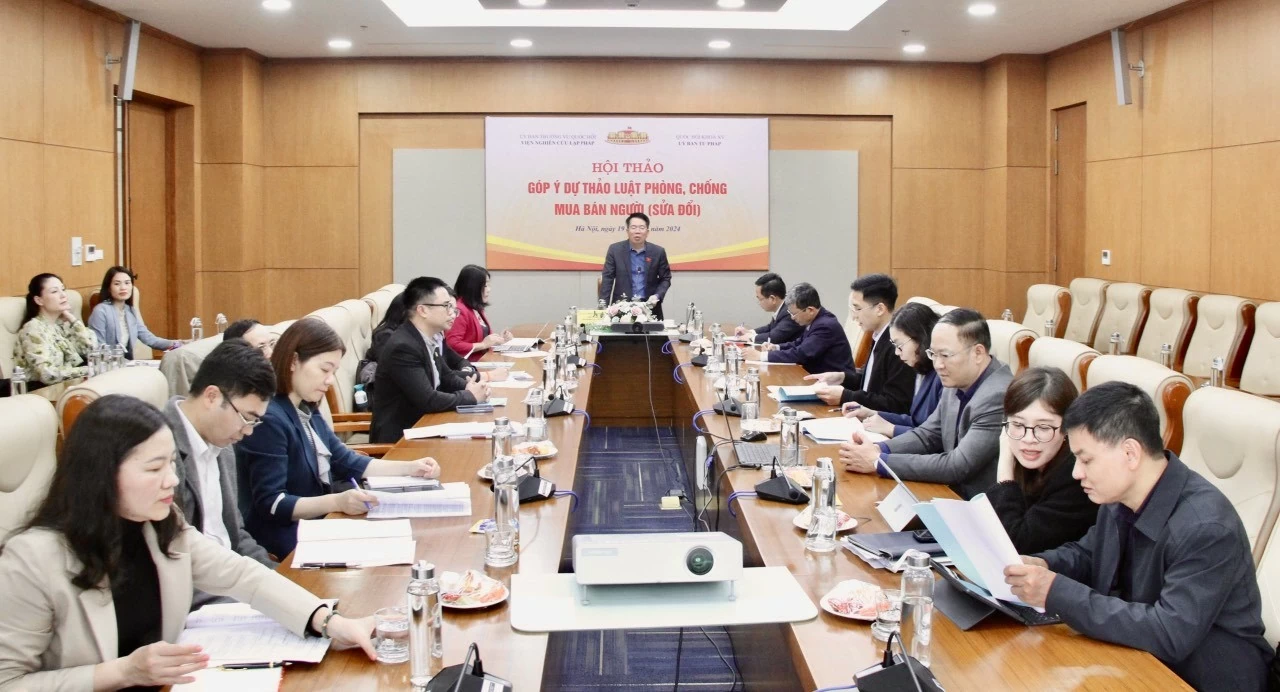
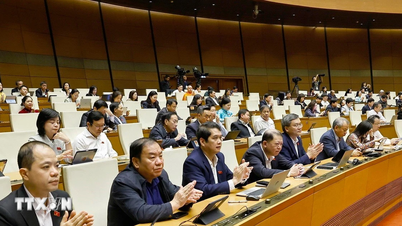
| Workshop "Contributing opinions on the draft Law on Prevention and Combat of Human Trafficking (amended)" held on March 19th in Hanoi . (Source: National Assembly) |
Shortcomings that need to be addressed.
Since its enactment in 2012, the 2011 Law on Prevention and Combat of Human Trafficking has played a positive role as a legal tool for the prevention and combat of human trafficking.
However, from the perspective of the agency responsible for preventing and combating human trafficking, Lieutenant Colonel Dinh Van Trinh, Deputy Head of Department 5, Criminal Police Department, stated that they have identified several difficulties as follows:
Regarding prevention efforts : Although attention has been paid to prevention, especially the dissemination of legal information and self-protection skills for those at risk of becoming victims of human trafficking, the effectiveness has not been as desired. Many localities lack close coordination between agencies and departments, particularly between the police and the education, labor, and social affairs sectors. This leads to superficial and ineffective dissemination of information, with little impact on high-risk groups.
Identifying victims: The criteria for identifying victims of human trafficking to issue certificates remain challenging, especially in cases where victims are trafficked abroad for a long time and then return on their own. Some cases involve individuals returning after nearly 20 years, or those who cannot remember their hometown or family, making verification difficult. Many victims are ashamed, fearful, and provide false information, hindering investigations by authorities.
Special cases: There are instances where victims voluntarily leave the country and are only trafficked, threatened, detained, or exploited once they arrive abroad, making investigation and prosecution difficult.
For cases requiring "gender sensitivity," we face many difficulties because the rescue and investigation forces are mostly male, while the victims are primarily women and girls.
Furthermore, there is a lack of resources to implement child-friendly and sensitive working methods for victims of human trafficking who are over 18 years old.
Support policies: Currently, there are no special support policies in place for urgent cases. For example, rescuing or assisting victims who are infants or victims carrying infants. Furthermore, when handling cases involving victims, perpetrators, or witnesses who are foreigners or members of ethnic minorities, police and border guards face difficulties due to a lack of interpreters and specific regulations.
Legal shortcomings: After the 2015 Penal Code and Criminal Procedure Code came into effect, several shortcomings and incompatibilities between the Law on Prevention and Combat of Human Trafficking and these Codes have emerged.
These difficulties and obstacles have affected the effectiveness of the Law on Prevention and Combat of Human Trafficking, creating many impediments in prevention, combating, and supporting victims. We need adjustments and improvements to overcome these shortcomings, enhance the effectiveness of law enforcement, and better protect victims.
These shortcomings have had many negative impacts on the practical implementation of combating and preventing human trafficking.
The first consequence is the low effectiveness of preventing human trafficking. Legal education and awareness campaigns have not been highly effective, leading to limited public awareness of preventing and combating human trafficking. This reduces the self-protection capabilities of high-risk groups, resulting in many cases of human trafficking going undetected and unprevented.
Furthermore, the difficulty in identifying victims means that many traffickers do not receive timely support and protection. Cases where victims provide false information or cannot clearly remember their hometown and relatives hinder the investigation and verification process by authorities.
On the other hand, the lack of coordination between relevant agencies and local authorities reduces the effectiveness of investigating and prosecuting human trafficking cases. The absence of timely and complete information from relevant agencies has made it easier for criminals to evade capture and continue their criminal activities.
Notably, difficulties in addressing “gender-sensitive” requests and a lack of specific support policies for urgent cases have reduced the effectiveness of rescue and victim assistance. Many victims, especially women and girls, do not receive the necessary care and support, impacting their health and mental well-being.
In cases involving victims, perpetrators, or witnesses who are foreigners or members of ethnic minorities, investigators face numerous difficulties due to a lack of interpreters and specific regulations. This prolongs the investigation and handling of cases, reducing the deterrent effect of the law.
Furthermore, the incompatibility between the Law on Prevention and Combat of Human Trafficking and the 2015 Penal Code and Criminal Procedure Code has reduced the effectiveness of handling cases.
These negative impacts not only reduce the effectiveness of preventing and combating human trafficking but also cause serious consequences for society. Victims who do not receive timely protection and support will suffer health, psychological, and economic consequences.
At the same time, the failure to severely punish criminals will erode public trust in the legal system and justice. Therefore, addressing these shortcomings is essential to improve the effectiveness of human trafficking prevention and control efforts in the future.
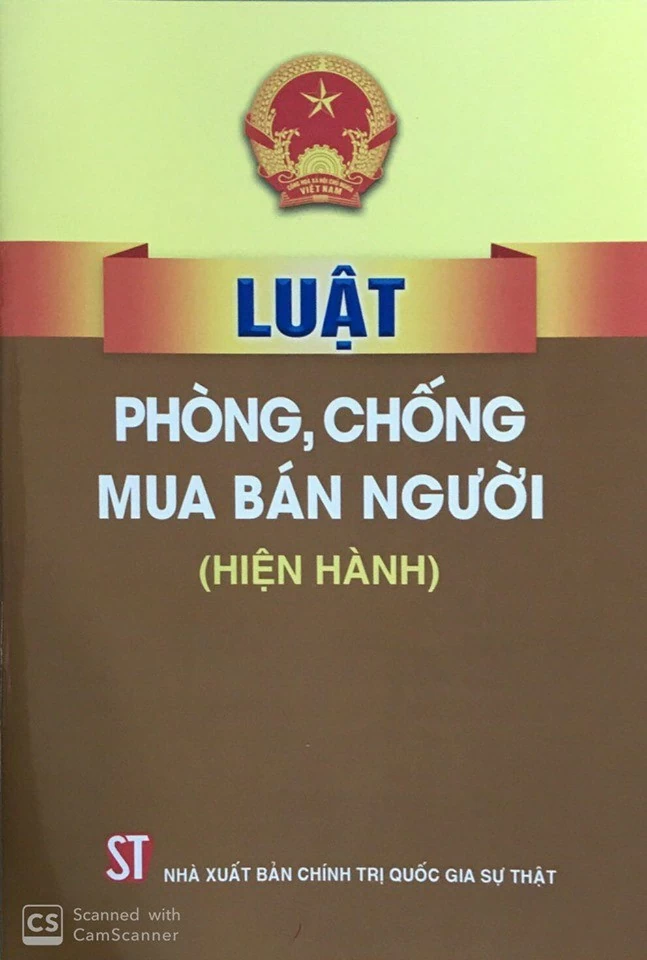 |
| The 2011 Law on Prevention and Combat of Human Trafficking has many shortcomings that need to be addressed to improve the effectiveness of human trafficking prevention and combat efforts in the future. (Source: Truth Publishing House) |
Some new points in the revised Draft Law on Prevention and Combat of Human Trafficking.
Based on that, the revised draft Law on Prevention and Combat of Human Trafficking has introduced many outstanding new points to overcome the limitations of the current law and better meet practical requirements.
Specifically, the draft expands the definition of human trafficking. This helps to identify and address criminal acts more comprehensively.
At the same time, the Draft emphasizes the role of prevention, including strengthening education, propaganda, and raising public awareness about preventing human trafficking. These measures aim to prevent the crime from the outset.
The draft also outlines more comprehensive and effective measures to protect and support victims, including psychological, legal, and financial assistance. This helps victims reintegrate into the community sustainably and safely.
In addition, the draft facilitates coordination among agencies and departments in preventing and combating human trafficking. This close coordination helps to improve the effectiveness of investigating and prosecuting human trafficking cases.
From an international perspective, the new draft law also emphasizes strengthening international cooperation in combating human trafficking. This ensures that Vietnam will fulfill its international commitments and learn from the experiences of other countries in fighting human trafficking.
With the aim of ensuring compliance and compatibility with international treaties to which Vietnam is a signatory, the Law on Prevention and Combat of Human Trafficking in 2024 includes four main changes.
Firstly, it involves updating and supplementing new concepts and regulations. These new concepts and regulations are added to align with international standards, ensuring that Vietnamese law keeps pace with changes and new trends in combating human trafficking.
Secondly, it strengthens international cooperation. The new law enhances international cooperation in combating human trafficking, including the sharing of information, experiences, and coordinated investigations between countries. This helps improve the effectiveness of combating transnational human trafficking.
Thirdly, it protects the rights of victims in accordance with international regulations. The new law ensures the rights of victims in accordance with international regulations, including the right to protection, psychological, legal, and financial support. This helps victims overcome difficulties and reintegrate into the community sustainably.
Specifically, the draft law has established a series of provisions regulating the rights of victims, the reception, verification, identification and protection of victims, and the protection of those in the process of being identified as victims and their relatives.
This demonstrates the superiority of the new Law compared to the 2011 Law in protecting human rights and fulfilling in good faith the international commitments to which Vietnam is a signatory, such as: the commitments from Articles 6 to 13 of the Protocol on Preventing, Combating and Punishing Trafficking in Persons, especially women and children; the supplementary Convention on Transnational Organized Crime of the United Nations; and Chapter 4 of the ASEAN Convention on Preventing and Combating Trafficking in Persons, especially women and children.
Fourth, strengthening the accountability of relevant agencies. The new law emphasizes strengthening the accountability of relevant agencies in implementing international commitments related to combating human trafficking. This ensures that measures to combat human trafficking are implemented effectively and consistently.
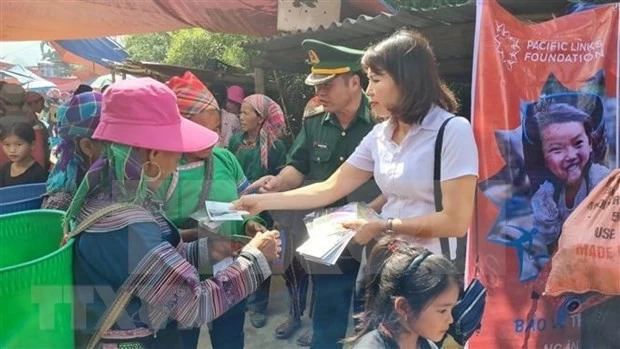 |
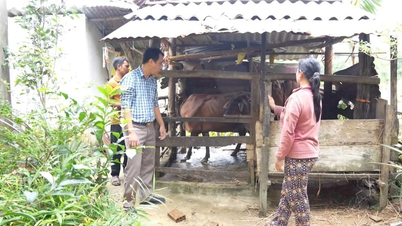
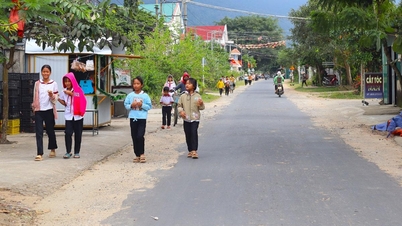
| Distributing leaflets on preventing and combating human trafficking to ethnic minority women at the central market of Ta Gia Khau commune, Muong Khuong district, Lao Cai province. |
Source: https://baoquocte.vn/bai-3-buoc-tien-moi-trong-no-luc-hoan-thien-he-thong-phap-luat-phong-chong-mua-ban-nguoi-281418.html
![[Photo] Closing Ceremony of the 10th Session of the 15th National Assembly](/_next/image?url=https%3A%2F%2Fvphoto.vietnam.vn%2Fthumb%2F1200x675%2Fvietnam%2Fresource%2FIMAGE%2F2025%2F12%2F11%2F1765448959967_image-1437-jpg.webp&w=3840&q=75)
![[Photo] Prime Minister Pham Minh Chinh holds a phone call with the CEO of Russia's Rosatom Corporation.](/_next/image?url=https%3A%2F%2Fvphoto.vietnam.vn%2Fthumb%2F1200x675%2Fvietnam%2Fresource%2FIMAGE%2F2025%2F12%2F11%2F1765464552365_dsc-5295-jpg.webp&w=3840&q=75)










































![[OFFICIAL] MISA GROUP ANNOUNCES ITS PIONEERING BRAND POSITIONING IN BUILDING AGENTIC AI FOR BUSINESSES, HOUSEHOLDS, AND THE GOVERNMENT](https://vphoto.vietnam.vn/thumb/402x226/vietnam/resource/IMAGE/2025/12/11/1765444754256_agentic-ai_postfb-scaled.png)









































Comment (0)