

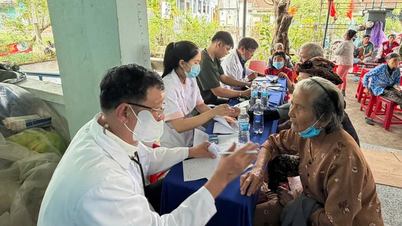
Increase access to health screening and healthcare for citizens.
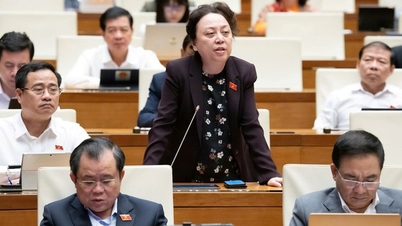
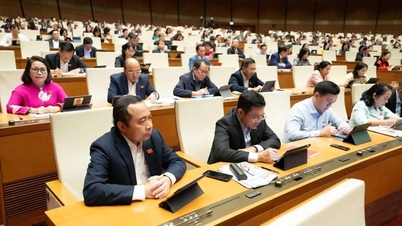
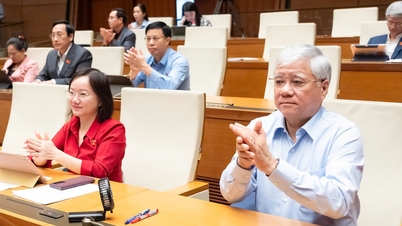
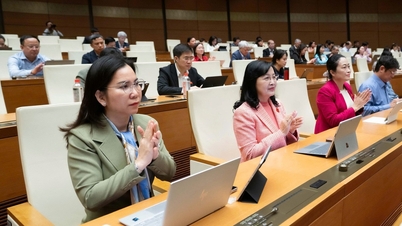
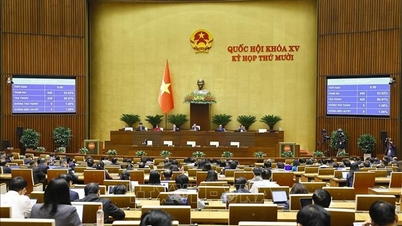
On December 10th, the National Assembly passed the Law on Disease Prevention. For the first time, it established the principle of proactive prevention as a central focus in the public health protection strategy.
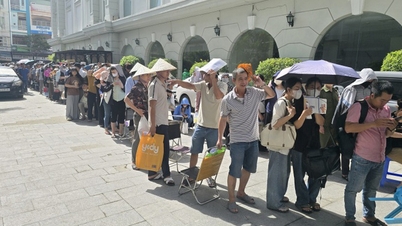
Accordingly, citizens have the right to free periodic health check-ups or screenings at least once a year, based on age grouping, health status, risk factors, and the capacity of the healthcare system. These regular check-ups are expected to help detect early infectious diseases, chronic diseases, cancer, and metabolic disorders that are rapidly increasing in the community.
The law also requires the development of priority screening lists for children, pregnant women , the elderly, workers in hazardous environments, high-risk groups, and the poor, to ensure that all citizens have equitable access to preventive health services.
In addition, nutritional support policies for disease prevention will be designed for different population groups, including providing enhanced nutrition for children, pregnant women, those engaged in strenuous labor, or those suffering from malnutrition. The government also encourages exclusive breastfeeding until six months of age, considering it the most natural, safe, and effective disease prevention method for infants.
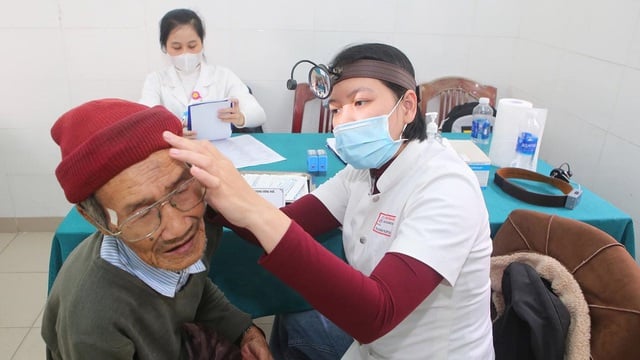
Increase access to health screening and healthcare for citizens.
A key new development is that preventive health facilities have the autonomy to determine additional income from legitimate sources, providing greater motivation for frontline healthcare workers to remain committed to their profession. Increased budget investment in preventive health also enables localities to upgrade facilities and equipment, expand vaccination coverage, and enhance epidemiological surveillance capacity.
The law also aims to build a strong grassroots healthcare network, ensuring that each commune health station has the capacity to provide preventive healthcare services ranging from immunization, screening, and management of non-communicable diseases to nutritional counseling and primary healthcare. Healthcare workers at commune health stations, especially in disadvantaged areas, border regions, and islands, will benefit from special and superior preferential policies, contributing to workforce stability and ensuring readiness in the event of an epidemic.
Tighten regulations on epidemic prevention and control.
In the field of infectious disease prevention and control, the Law prohibits the following acts: spreading disease-causing agents; illegally accessing or altering the purpose of using disease-causing agents; concealing or failing to report cases; and failing to comply with prevention and control measures as required by competent authorities. In particular, the law also prohibits the act of feigning mental illness for personal gain or to evade obligations.
The law classifies infectious diseases into Group A (extremely dangerous), Group B (dangerous), Group C (less dangerous), and other groups as recommended by the WHO. When an outbreak occurs, health authorities must assess the risk, issue warnings, investigate, manage the outbreak, and report promptly. Provincial and commune-level authorities must implement disease prevention measures appropriate to the scale of the outbreak.
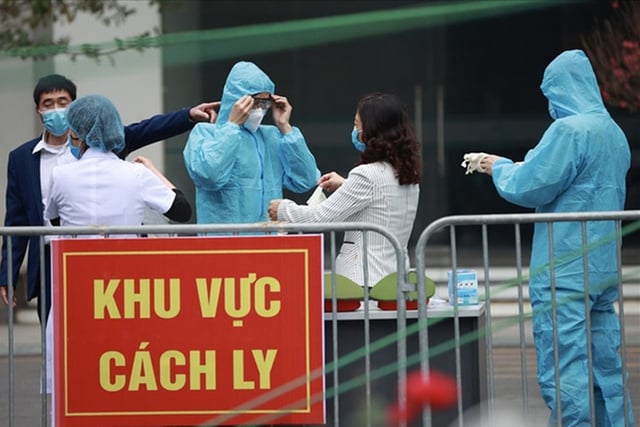
Strengthening regulations on epidemic prevention and control in the field of infectious disease prevention and control.
For infectious diseases in group A and some group B diseases, infected individuals, suspected cases, carriers, and contacts must all undergo medical isolation as decided by the competent authority. Isolation may take place at home, in medical facilities, at border crossings, or other suitable locations.
The law also allows for international cooperation in research, training, forecasting, and response to epidemics. In particular, when an epidemic is considered especially dangerous, the Minister of Health or the Chairman of the Provincial People's Committee may decide on international cooperation related to samples, technology, experts, vaccines, and biological products.
The disease prevention information system will be interconnected, integrating data on infectious diseases, non-infectious diseases, vaccinations, nutrition, injuries, and other health data into the national database, making disease surveillance and forecasting more effective.
Source: https://phunuvietnam.vn/kham-suc-khoe-mien-phi-xay-dung-danh-muc-sang-loc-uu-tien-tre-em-phu-nu-mang-thai-238251210165717994.htm





















































































Comment (0)