

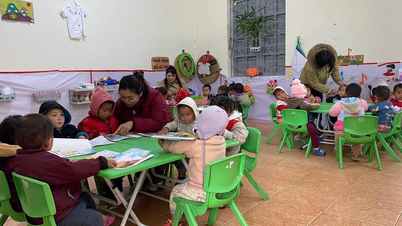
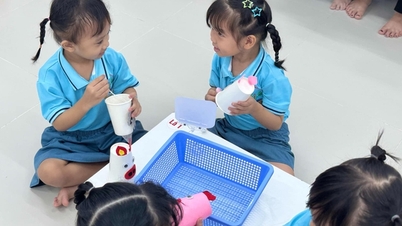
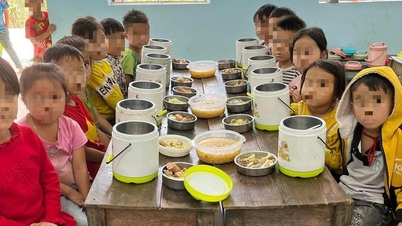
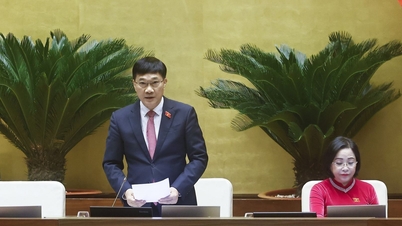
In his speech, delegate Nguyen Van Kinh stated that the city still faces a shortage of schools and classrooms, especially in areas experiencing rapid urbanization. This forces many parents to send their children to independent daycare centers and kindergartens, despite limited facilities and inadequate quality of care and education , while tuition fees are significantly higher than those of public schools. This reality directly affects children's rights and creates financial pressure on families.
Regarding the above issue, Mr. Luong Van Viet, Director of the Department of Education and Training of Hai Phong, replied that the city currently has 1,588 schools from preschool to high school, including 1,404 public schools and 184 private schools. At the preschool level, there are 596 schools (465 public, 131 private) along with 425 independent preschool education facilities.
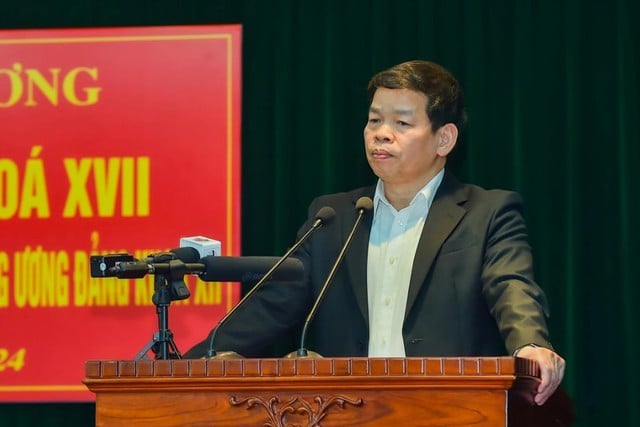
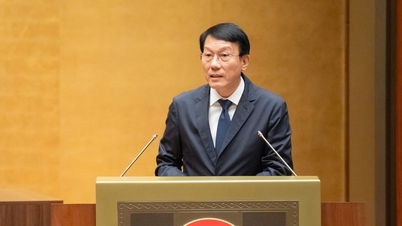
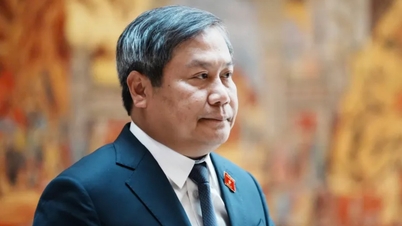
Mr. Luong Van Viet, Director of the Department of Education and Training of Hai Phong City
The percentage of preschool children attending public schools is 87%, and private schools 17%, comparable to the national average. At the primary school level, the city has 437 schools (434 public, 3 private), with a public enrollment rate of over 99%. At the lower secondary level, there are 426 schools (423 public, 3 private), with a public enrollment rate also above 99%. At the upper secondary level, there are 129 schools, including 82 public and 47 private.
According to Mr. Viet, the network of schools from preschool to junior high school has basically been widely distributed throughout the old communes and wards, meeting most of the people's educational needs. Public education still plays a core role, while private education is an important supplementary force. However, the rapid urban and industrial development has meant that some areas, especially at the preschool level, cannot fully meet the public education needs of the people.
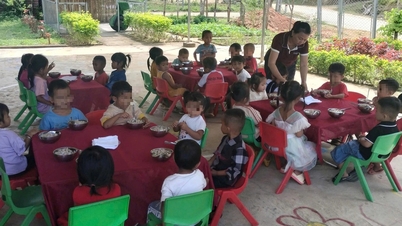
Explaining why many children have to attend independent preschools with limited quality, Mr. Viet said that there are currently 425 independent facilities, distributed across 77 communes and wards. In the city's 114 communes, wards, and special zones, 28 units do not have private schools or independent preschools. Conversely, 26 core areas have between 10 and 20 independent facilities.
The main reason is that the public system has not fully met the needs, while independent preschools meet many of the criteria parents require, such as convenient pick-up and drop-off, flexible hours, and diverse care services. Some facilities even have high investment levels, catering to the needs of affluent parents. However, as the representative pointed out, many independent facilities still have limitations in terms of infrastructure and educational quality.
Mr. Viet affirmed that independent preschools are an indispensable part of the education system, meeting the diverse needs of the people. The responsibility of the sector and localities is to improve quality, strengthen inspections of facilities, and tighten licensing procedures to ensure the safety and rights of children.
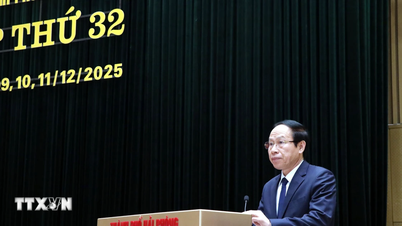
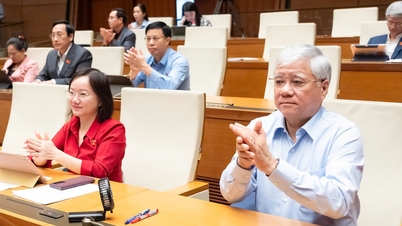
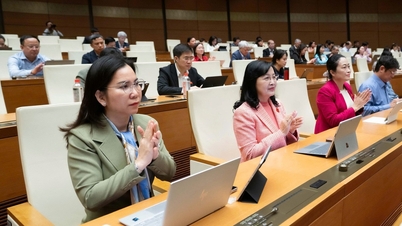
Reportedly, the 32nd session of the Hai Phong City People's Council took place from December 9th. This session is of special significance as it summarizes the 2021-2026 term, which was marked by many changes but also achieved many important results, laying the foundation for a new phase of the city's development.
The meeting will also consider unifying and synchronizing the city-wide policy system, especially social security schemes after the merger, in the spirit of "prioritizing policies that are better and more beneficial to the people and businesses." This will ensure that all citizens benefit from the development, affirming that the merger decision is correct, strategically visionary, and brings long-term benefits.
Source: https://phunuvietnam.vn/hai-phong-van-con-tinh-trang-thieu-truong-mat-can-doi-giua-cac-khu-vuc-238251210143654542.htm






























































Comment (0)