

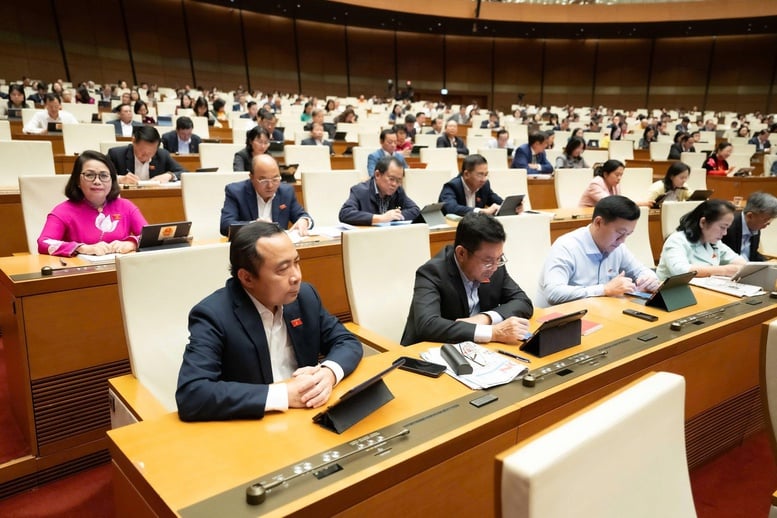
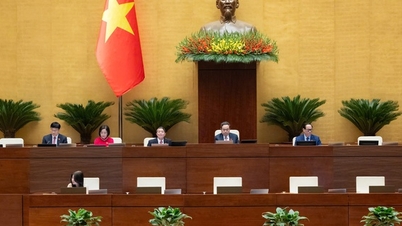
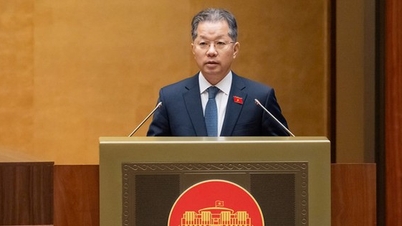
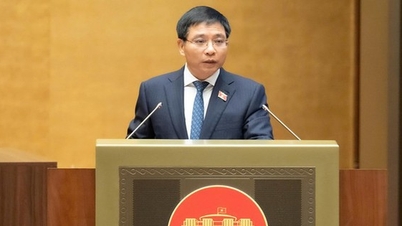
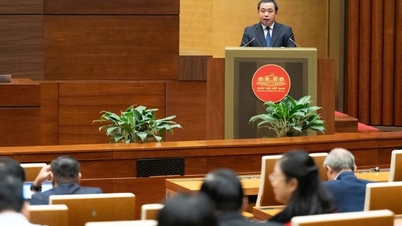
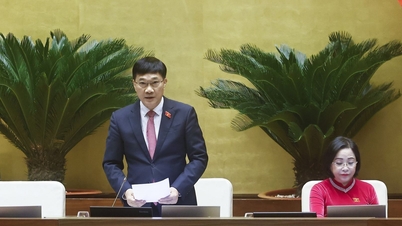
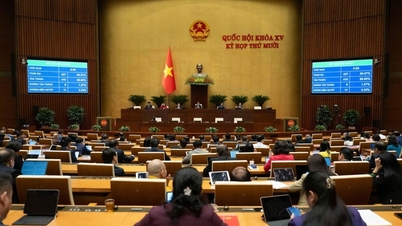
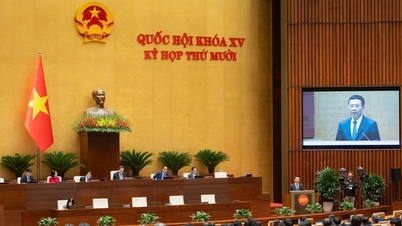
National Assembly delegates attending the meeting
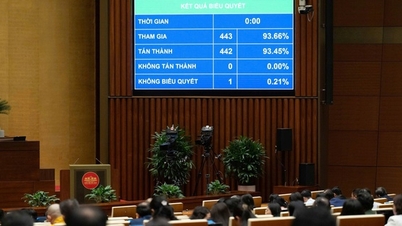
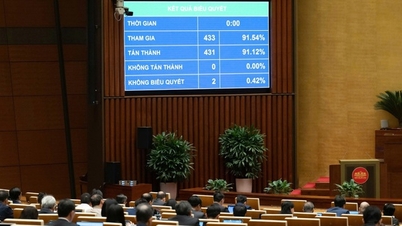
On the morning of December 11th, the National Assembly passed a Resolution amending and supplementing several articles of Resolution 98/2023/QH15 on piloting special mechanisms and policies for the development of Ho Chi Minh City, with 433 out of 438 attending delegates voting in favor.
Increase autonomy and create resources for TOD development.
One of the notable new points is that the Resolution allows Ho Chi Minh City to retain 100% of the revenue collected from land exploitation in TOD areas (a model of urban development centered around public transport hubs), and to use this entire budget for TOD development projects, including urban railway projects and other transport projects.
This mechanism applies to areas near railway stations, train maintenance and repair depots, and areas adjacent to traffic junctions along the Ring Road 3.
Ho Chi Minh City is permitted to use its local budget to implement independent investment projects for compensation, support, and resettlement for transportation, urban renovation, and development projects.
The approved master plan for the city will serve as the legal basis for the implementation of detailed urban and rural planning. The Ho Chi Minh City government has the right to adjust the construction plan (if necessary) to serve the public interest and ensure the consistency of the infrastructure system. Construction of projects in TOD areas must ensure compliance with technical infrastructure, social infrastructure, and environmental safety requirements for residential areas.
Establishing a Free Trade Zone with outstanding incentives.
According to the Resolution, a Free Trade Zone is a geographically defined area established to pilot specific and legally superior mechanisms and policies. Its main functions include a production zone, a port and port logistics zone, a logistics center, and a trade and service zone. The Free Trade Zone will be linked to the Cat Lai and Cai Mep Ha seaports.
Construction and infrastructure business projects in the Free Trade Zone are exempt from corporate income tax for 4 years, and receive a 50% reduction in tax payable for the following 9 years. For manufacturing projects, corporate income tax is reduced by 50% for the first 9 years, exempted for 4 years, and reduced by 50% for the following 9 years.
Goods imported and exported within the Free Trade Zone will be exempt from specialized inspection if they meet international management standards and are not subject to foreign trade management measures or quarantine measures.
For projects eligible for strategic investment attraction, the time for approving investment policies and issuing Investment Registration Certificates is shortened to no more than 7 working days from the date of receipt of complete and valid documents.
Notably, a special foreign exchange management policy will be implemented, facilitating transactions for foreign-invested enterprises and import-export businesses, thereby increasing the attractiveness of the Free Trade Zone.
Regarding priority investment projects, the listed sectors include: high technology, smart manufacturing, financial centers, and large-scale commercial and service industries. The minimum capital requirements for strategic investors in each sector are also clearly defined; for example, projects for the construction and operation of infrastructure in free trade zones require a capital investment of 30,000 billion VND or more.
Ho Chi Minh City has the autonomy to select strategic investors based on the principles of openness and transparency, and on criteria such as capital, experience, and technological commitment.
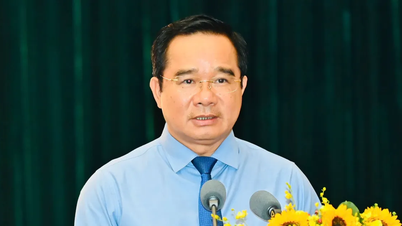
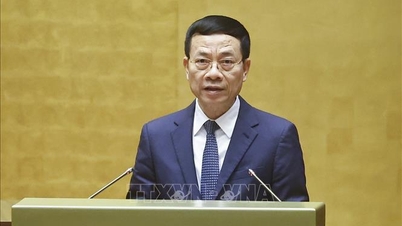
Earlier, presenting the report on the acceptance and explanation of feedback, Minister of Finance Nguyen Van Thang stated that, regarding TOD (Transit-Oriented Development), the Draft Resolution has determined that these projects must ensure compliance with technical infrastructure, social infrastructure, and environmental safety regulations for residential areas as prescribed by law.
Regarding the content of designating principles for the list of strategic investors, the Government proposes specifying the list of strategic investors to be attracted in the draft Resolution, in order to ensure immediate implementation upon the Resolution's adoption, meeting the urgent requirements for attracting investment to the City.
For projects arising during the implementation of the current Resolution 98, the City People's Council has been granted the authority to decide on adjustments and additions to the list and report to the Government, which will then report to the Standing Committee of the National Assembly at the nearest session.
Regarding planning, the Government has incorporated feedback and added regulations stipulating that only one overall city plan should be drawn up within the city's boundaries, while also delegating the authority to approve plan adjustments to the City People's Committee.
Regarding the application of special investment procedures, Ho Chi Minh City is aiming to become a megacity and a driving force for becoming a leading economic and financial center in Vietnam. Therefore, the city needs to reaffirm its commitment to investors regarding the simplification of investment procedures, in order to strongly attract international capital and compete with other countries in the region.
The application of investment procedures, especially the realization of the spirit of Resolution No. 66 of the Politburo on maximum decentralization and delegation of power according to the principle of "local authorities decide, local authorities do, local authorities are responsible," will create new development momentum for Ho Chi Minh City to achieve double-digit growth targets in the coming period.
Regarding free trade zones, the policies within these zones have been designed to be superior and groundbreaking in order to attract investment, ensuring consistency between free trade zones in Ho Chi Minh City, Da Nang, and Hai Phong, creating a growth-driven linkage that contributes to the overall development goals of the country.
Regarding the addition of railway lines connecting to Long Thanh International Airport, the Government acknowledges and will consider adjusting and supplementing the railway lines connecting Ho Chi Minh City with Long Thanh International Airport in Resolution 188 of the National Assembly on piloting special mechanisms and policies for the development of urban railway networks, ensuring synchronous implementation with the same policy standards and relevant legal regulations.
Thu Giang
Source: https://baochinhphu.vn/tphcm-duoc-mo-rong-hang-loat-co-che-dac-thu-tao-luc-bat-tro-thanh-sieu-do-thi-102251211120244098.htm












































































Comment (0)