

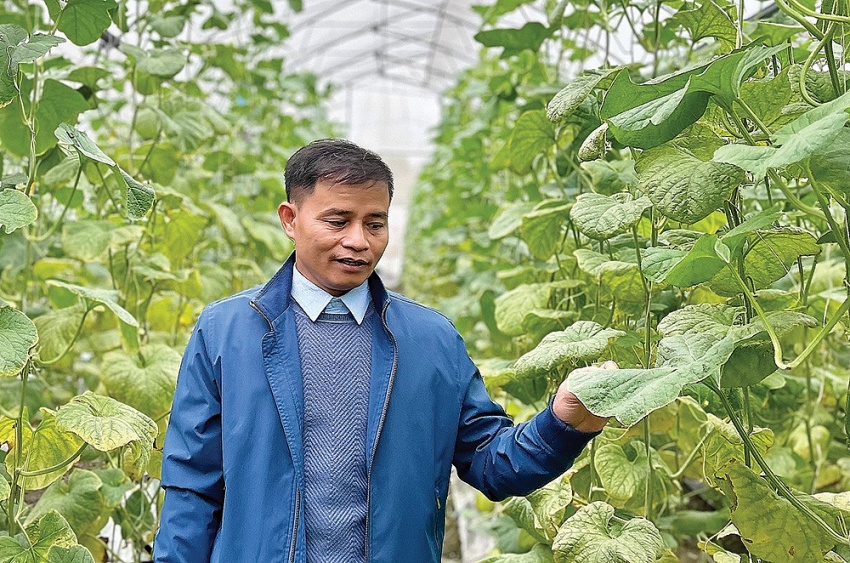
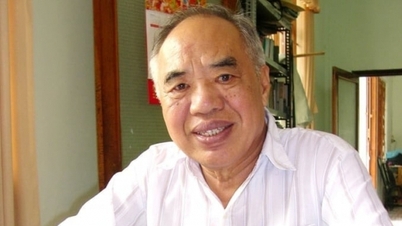
Mr. Nguyen Tuan Hong - Bac Hong Cooperative
Previously, when the Law on Value Added Tax (VAT) 2008 was applied, fertilizers were subject to VAT at 5%. However, Law No. 71 issued on November 26, 2014 stipulates that fertilizers, machinery, and specialized equipment serving agricultural production are not subject to VAT from January 1, 2015 (Tax Law 71). This is the invisible reason why the fertilizer industry has encountered more difficulties when paying VAT since 2014.
Reality has proven that removing VAT on fertilizers, which was thought to be a "preference", is actually "mistreatment" of farmers and manufacturing enterprises.
Specifically, when purchasing raw materials, machinery and input services, businesses have to pay VAT, however, when no tax is applied, output fertilizers are not deductible from VAT paid at the input, increasing production costs, making fertilizer prices higher. Farmers are the final consumers, the ones who suffer, having to pay higher prices than before.
High-priced fertilizers erode farmers' efforts
Sharing this issue, Mr. Nguyen Tuan Hong - Director of Bac Hong Safe Vegetable Production and Consumption Cooperative (Dong Anh, Hanoi ) said that since the application of Tax Law 71, fertilizer prices have increased by 30%.
The reason for this is that when fertilizers are not subject to VAT, the manufacturing enterprises are not entitled to a tax refund, so they add that money to the cost of the goods sold. The situation becomes more difficult when input materials are scarce, and affected by the world situation after the Russia-Ukraine war, fertilizer prices continue to increase.
Of the two reasons above, according to Mr. Hong, removing fertilizer from the list of non-taxable products is beneficial but inappropriate, increasing fertilizer prices. Meanwhile, fertilizer is an indispensable input material, playing an important role for farmers in all agricultural production activities.
“Before 2014, the cost of fertilizer for cultivation on 1 sao of vegetable growing (0.1 ha) was only about 300,000 VND out of a total of 1 million VND including all input costs. But since 2014, the increase in fertilizer prices has caused this cost to increase to nearly 500,000 VND. This means that the cost of fertilizer has increased by 30-35%, eroding the profits of farmers,” the Director of the Bac Hong Safe Vegetable Production and Consumption Cooperative cited evidence.
Mr. Hong is concerned that fertilizer prices will increase and continue to increase in the coming time if there is no new mechanism or policy from the State, which will make farmers exhausted, especially small households.
Recalling the times when fertilizer prices were affected by the double impact of world fluctuations in 2022, Mr. Hong said that many farming households in Bac Hong village had to stop production and switch to other jobs because the selling price of vegetables was not enough to cover input costs, especially fertilizer costs, while the output of agricultural production was already unstable.
Another drawback, according to Mr. Hong, is that since 2014, fertilizer companies have had to cut costs, so they have also reduced support programs for farmers in terms of selling prices or field testing activities. Therefore, agricultural producers are also at a disadvantage compared to before.
The next consequence of the increase in fertilizer prices since 2014, Mr. Hong observed that the problem of fake fertilizers has increased exponentially. When farmers want to reduce costs, they will prioritize using cheaper fertilizers, so many people have taken advantage of that mentality to create lower quality products, mixing in fake ingredients.
According to Mr. Hong, bringing fertilizers back under the 5% VAT will create great advantages for agricultural production. When fertilizer prices decrease, the profits of farmers and agricultural producers will increase. Large producers will see clear results, helping farmers feel more secure in investing in production.
Mr. Hong confided: “Farmers always want to prioritize using fertilizer products produced by domestic enterprises. Partly because of the mentality that “Vietnamese people prioritize using Vietnamese products”, partly because we feel more secure, especially with new advanced microbiological and inorganic products, but of course we want the selling price to decrease and be more stable”.
“I have also repeatedly recommended that the State, ministries and branches support farmers and agriculture with policies from the root, typically having a mechanism to reduce input costs of fertilizers, pesticides, agricultural machinery and tools, and investing in post-harvest preservation and processing. These policies are very useful and practical in promoting agricultural production,” the Director of the Bac Hong Safe Vegetable Production and Consumption Cooperative emphasized.
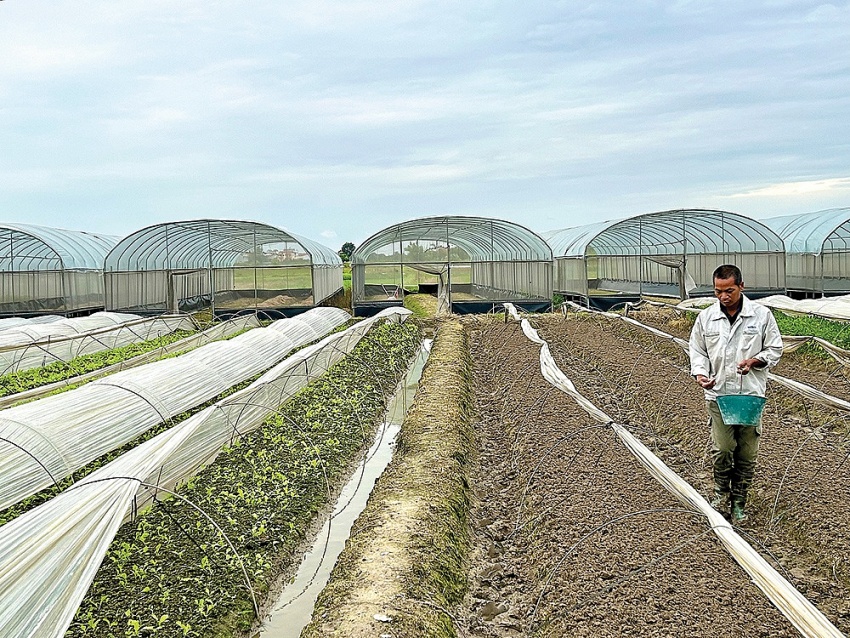
Photo illustration of the cooperative
Support farmers through 5% VAT policy
From the perspective of a business closely linked with aloe vera farmers in the South Central Coast region, Mr. Nguyen Van Thu - Chairman of the Board of Directors of GC Food Joint Stock Company (GC Food) also said that it is necessary to bring fertilizers back under the 5% VAT to support farmers in terms of cost.
Observing the business reality, Mr. Thu said that enterprises want to have input and output VAT for fertilizer products to avoid the mechanism of two prices for the same product. The price that farmers buy does not include VAT while the price that businesses buy back includes tax, leading to inconsistency in tax policy.
In the coming time, the State will orient the agricultural economic production, that is, to create goods for trade, not just for consumption. Therefore, fertilizer is an input of the agricultural economy, so this item should be subject to VAT.
In the case where agricultural enterprises purchase taxable goods, farmers do not pay tax, fertilizer production enterprises will form two selling price structures, in which farmers must accept to buy at a more unfavorable price to ensure their profits are compensated.
Putting fertilizers back under the 5% VAT will greatly facilitate agricultural production. When fertilizer prices decrease, the profits of farmers and agricultural producers will increase. Large producers will see clear results, helping farmers feel more secure in investing in production.
Because agricultural production enterprises buy fertilizers with VAT, but farmers do not. Meanwhile, enterprises and farmers both buy fertilizers to serve production and business to create agricultural products for resale.
“This is essentially an indirect tax, the fertilizer enterprises collect from farmers and pay it back to the State, so when fertilizer is not subject to input VAT, farmers will have to buy it at a lower price because the cost of fertilizer has included the VAT deficit of the fertilizer enterprise, but because the agricultural products sold do not have VAT, they will not be refunded. And when enterprises consume agricultural products, they have output VAT, so when they get a tax refund, they will have to pay to compensate for the price of input materials. This causes a lot of disadvantages for farmers,” Mr. Thu analyzed.
According to the Chairman of the Board of Directors of GC Food, products related to VAT in agricultural production need to be carefully calculated by the State and the Ministry of Finance to harmonize and ensure profits for farmers in particular and agricultural producers in general, avoiding the situation where production is profitable but becomes a loss due to tax policy.
“The 0% VAT policy on fertilizers in recent times is one of the factors that has increased fertilizer prices, causing general disadvantages for agricultural producers. Especially at times when fertilizer prices are further affected by global economic and political factors, which has reduced business profits,” Mr. Thu acknowledged.
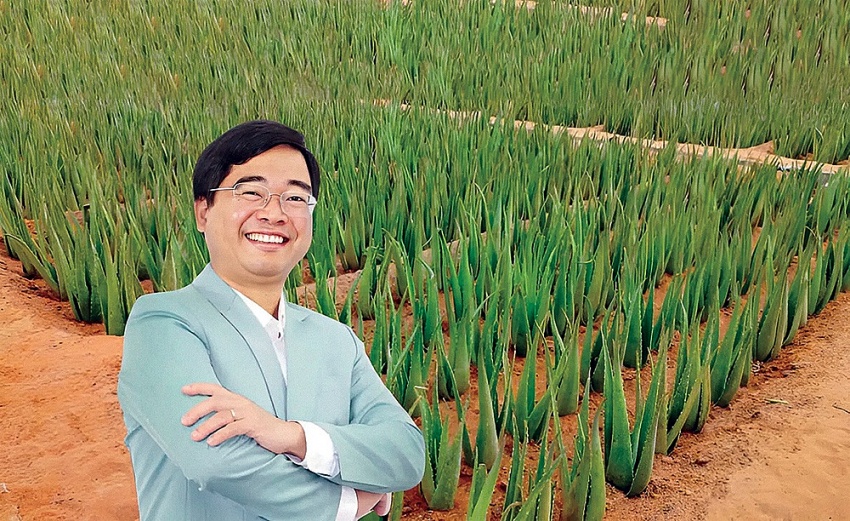
Mr. Nguyen Van Thu - GC Food
According to GC Food's calculations, fertilizer costs currently account for 10-30% of total production costs, a high proportion in the cost structure of agricultural products, directly affecting the profits of businesses and farmers.
Fertilizer enterprises calculate selling prices based on market demand and production capacity. Therefore, according to Mr. Thu, the best mechanism is for fertilizer manufacturers to be transparent about information related to taxes, input costs and price increases based specifically on these factors to have reasonable selling prices, especially for large-scale fertilizer enterprises.
In the coming time, the State will orient the agricultural economic production, that is, to create goods for trade, not just for consumption. Therefore, fertilizer is an input of the agricultural economy, so this item should be subject to VAT.
Dieu Phuong
Source: https://www.pvn.vn/chuyen-muc/tap-doan/tin/a620b5a3-4e1c-45d5-867b-154e44993c5b

![[Photo] General Secretary To Lam receives the Director of the Academy of Public Administration and National Economy under the President of the Russian Federation](/_next/image?url=https%3A%2F%2Fvphoto.vietnam.vn%2Fthumb%2F1200x675%2Fvietnam%2Fresource%2FIMAGE%2F2025%2F12%2F08%2F1765200203892_a1-bnd-0933-4198-jpg.webp&w=3840&q=75)


































































Comment (0)