

Parents can ask the doctor to use a local anesthetic to reduce pain, soothe and breastfeed the child, and use fever-reducing medication if needed after the vaccination is complete.
Cuddling and feeding
Parents should hold their baby close and breastfeed, or give them a pacifier dipped in sugar water. This helps the baby feel comfortable; the sweetness and the act of breastfeeding also help reduce the pain from the injection. Usually, once soothed by feeding, babies will stop crying even before the vaccination is over.
Some doctors and nurses prefer to place babies on their backs on the examination table. Parents should ask whether healthcare workers can administer vaccinations while the baby is lying in a crib or being held by the parent, to ensure a smooth vaccination session.
Local anesthesia is required.
If the baby seems very sensitive to pain, parents can ask the doctor about a local anesthetic for the next injection. The local anesthetic can be applied to the skin one hour before the injection as directed by the doctor.
When getting injections, parents should avoid anxiety and remain calm to reassure their baby. The reason is that when you are anxious, your baby will sense your emotions and tend to become anxious as well. During the injection, parents can distract their baby by squeezing their hand, making funny faces, joking, telling stories, playing games, or singing their favorite songs.
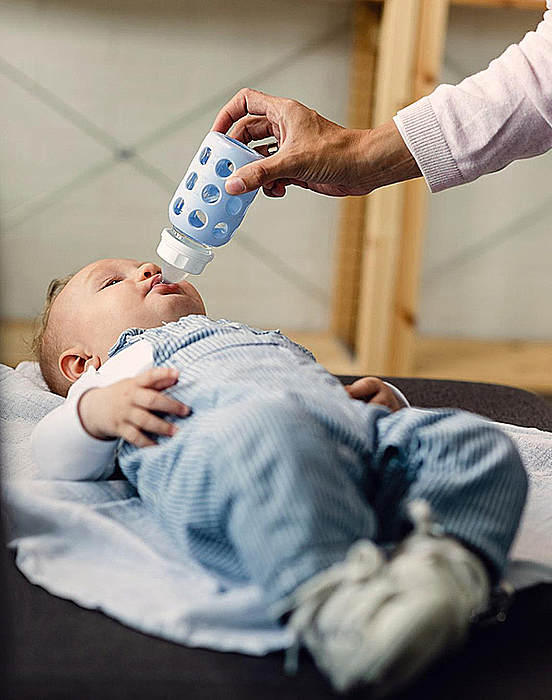
Parents can give their children a sugar-dipped pacifier to suck on after injections to soothe them. (Image: Freepik)
Fever-reducing medication
If your child develops a fever or shows signs of discomfort within a few hours or days after the injection, you can give them a dose of acetaminophen to relieve pain and reduce fever. However, do not give it to your child before the injection, as this is ineffective and may weaken their immune response.
Parents can seek advice from a pediatrician when giving their child medication, following dosage instructions based on the child's weight and symptoms. Additionally, families should massage the child's leg after injections to reduce pain from the injection and post-vaccination reactions.
Monitor symptoms
When your child receives a vaccine, families should ask the nurse or doctor about potential side effects. Possible reactions include redness at the injection site, fever, fussiness, or mild loss of appetite. However, parents shouldn't worry too much, as these are reactions indicating that the baby's immune system is working.
Serious side effects after vaccination are rare in infants. However, if the baby cries excessively for more than three hours, or develops a high fever above 40 degrees Celsius, seizures, or facial swelling, the family should take the child to the doctor immediately.
Chile (According to Parent )
Source link


















































































Comment (0)