

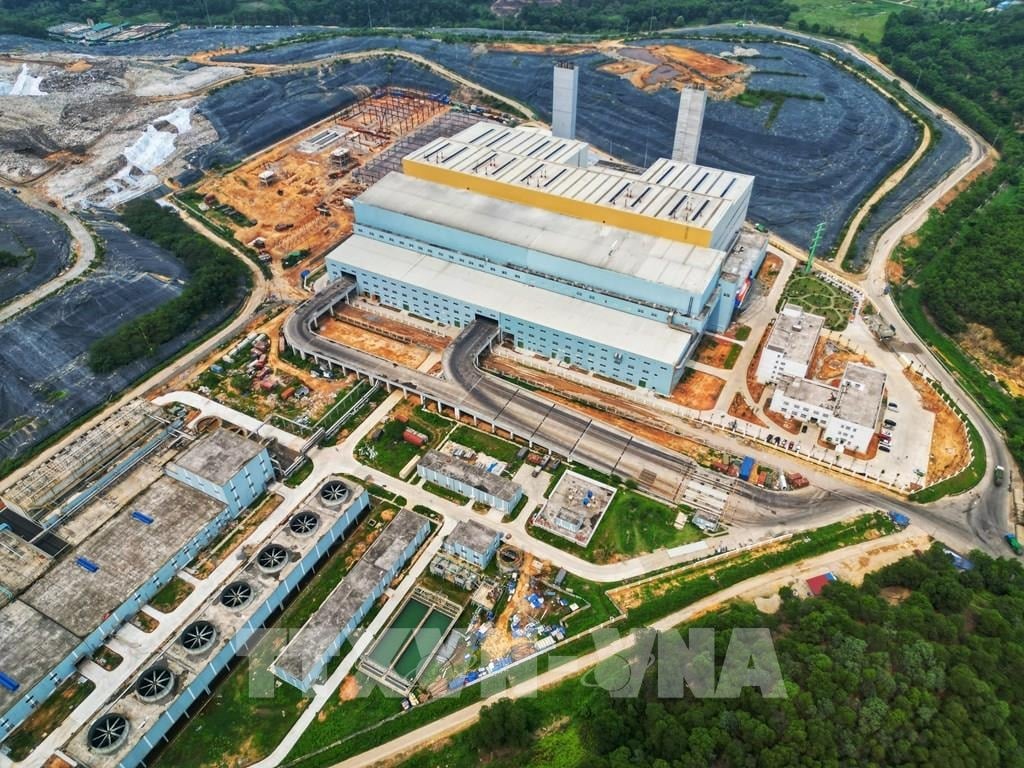
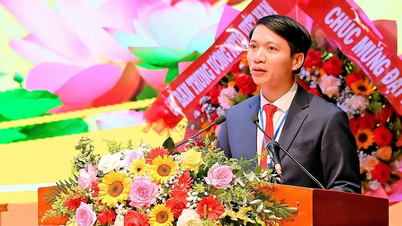
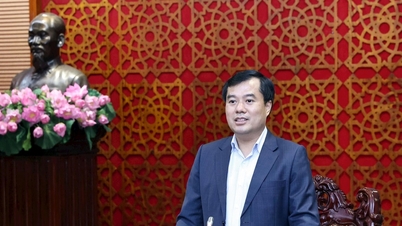
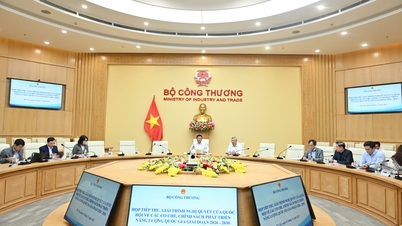
Delegate Vu Ngoc Long ( Dong Nai ) shared that the review and promulgation of the Resolution aims to promptly remove bottlenecks and obstacles in institutions, mechanisms and policies; ensuring national energy security.
However, the draft Resolution has not mentioned the issuance of specific, strong policies to develop electricity from waste (abbreviated as waste electricity). According to delegates, reality shows that renewable energy power plants depend heavily on weather and nature. If the sunlight intensity is not enough, the solar panel system will not generate enough capacity as required.
Likewise, if the wind is weak or lighter than normal, the wind power plant will not operate at full capacity. Furthermore, to store the electricity produced by renewable power plants, it is necessary to use a battery storage system. The cost of purchasing a battery storage system is relatively high while its lifespan is short and can affect the environment. Therefore, we also need to research and develop other types of power generation that are more economical, sustainable and efficient.
The delegate said that the waste-to-energy model is being operated by many advanced countries in the world and has proven to have many outstanding advantages. The operation of waste-to-energy can both ensure the need for energy and solve the problem of waste while the operating cost is also cheap and more importantly, it does not pose many risks like other types of power generation.
Therefore, the draft Resolution of the National Assembly on the mechanism and policy for national energy development in the period of 2026 - 2030 needs to study and supplement the policy content to encourage the development and operation of waste-to-energy plants; at the same time, study and promulgate policies to encourage investment in this field. For example, there needs to be policies to support businesses and investors in developing advanced technologies in burning and recovering ash after operation.
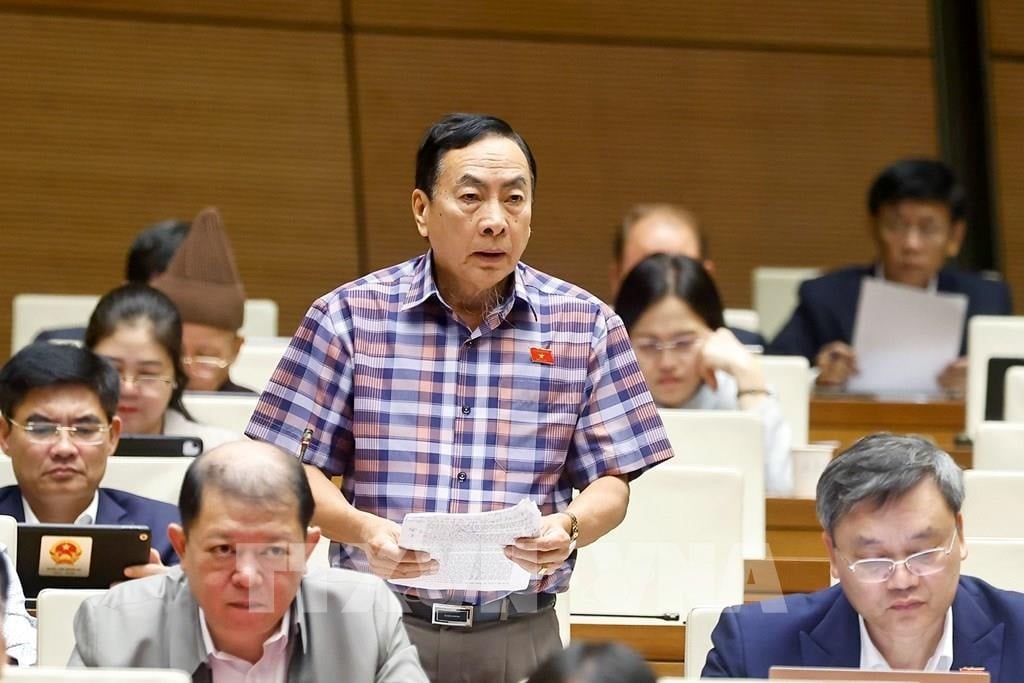
Regarding the mechanism and policy for national energy development, delegate Pham Van Hoa (Dong Thap) said that it is necessary to consider allowing the private sector to participate in the construction, operation and exploitation of small nuclear power projects because this is a special type that contains many risks.
According to delegates, in case of allowing private participation, there must be specific and detailed regulations and strong enough sanctions to prevent unwanted risks during operation.
According to VNASource: https://baohaiphong.vn/can-co-chinh-sach-khuyen-khich-phat-trien-dien-tu-rac-thai-528648.html

![[Photo] Cat Ba - Green island paradise](/_next/image?url=https%3A%2F%2Fvphoto.vietnam.vn%2Fthumb%2F1200x675%2Fvietnam%2Fresource%2FIMAGE%2F2025%2F12%2F04%2F1764821844074_ndo_br_1-dcbthienduongxanh638-jpg.webp&w=3840&q=75)










































































Comment (0)