

Why does the dream of venturing out into the wider world remain so distant?
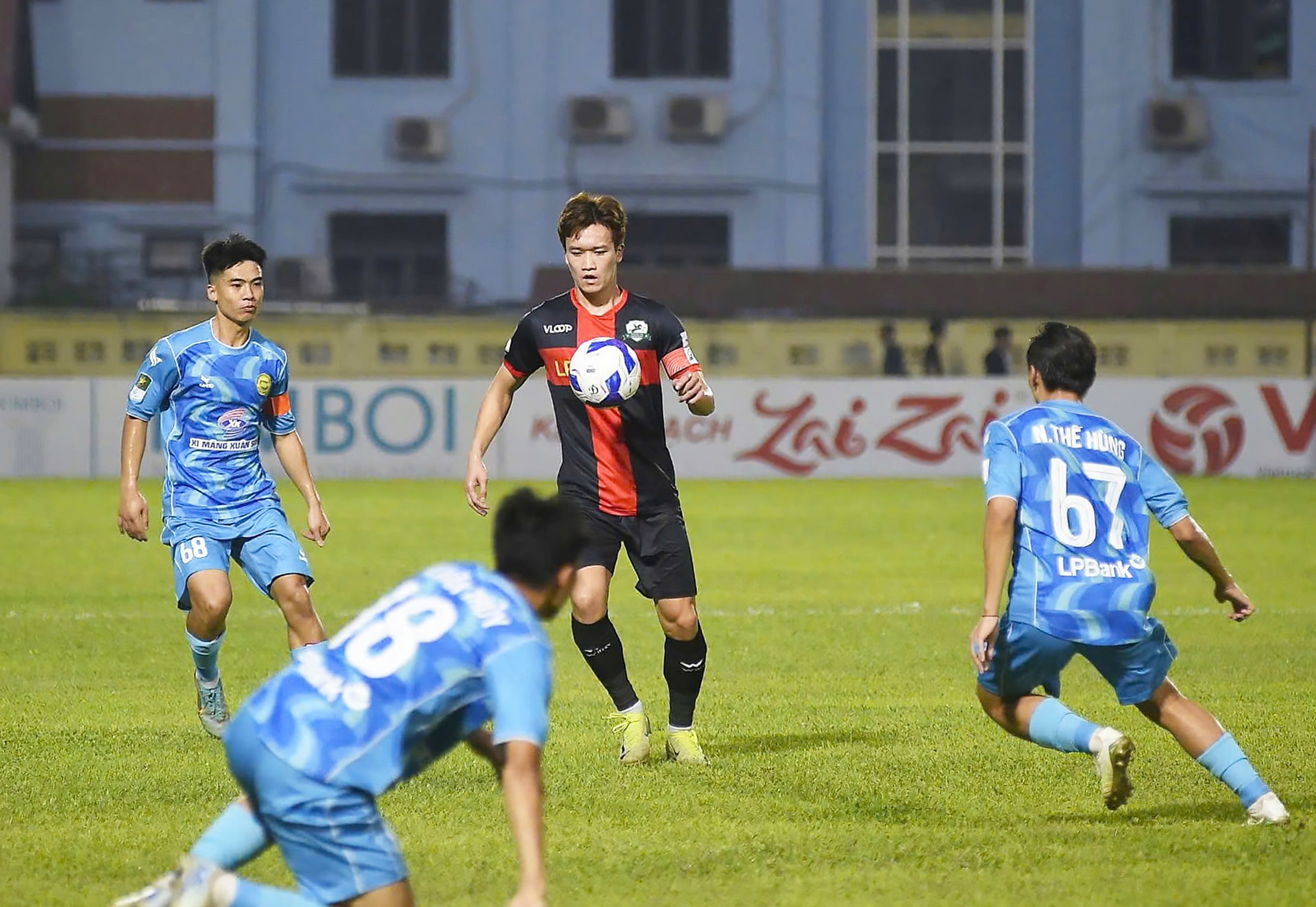
In the history of Vietnamese football, no player has truly achieved success playing abroad. From Le Huynh Duc playing for Chongqing Lifan Club (China) in 2001 to subsequent generations such as Cong Phuong, Xuan Truong, Quang Hai, Doan Van Hau..., none have left a clear mark on the international stage. The barrier stems not only from cultural differences, but also from the gap in expertise, physical fitness, physique, and ability to adapt to high-intensity competition compared to their international counterparts. This is why Vietnamese players often only play a reserve role, unable to become key players in the teams they join.
The two most recent cases of Vietnamese players going abroad, Nguyen Quang Hai and Doan Van Hau, have not yet made a strong impression while playing in Europe. Quang Hai only had a short stint with Pau FC (France), while Van Hau went to SC Heerenveen (Netherlands) but mainly played for the reserve team. Nevertheless, both deserve recognition for daring to leave their "comfort zone," accepting lower salaries to pursue their dream of playing at the highest level of football. And it was in these seemingly unsuccessful experiences that they significantly matured professionally, developing a more modern mindset and playing style compared to before going abroad.
Nevertheless, a sense of contentment with the "safe" option – playing domestically – still prevails among Vietnamese footballers. Stable income, status as a "domestic star," and protection from clubs make many uninterested in the dream of playing abroad. Going overseas means facing language and cultural barriers, professional pressure, and the risk of failure – these are the things that deter many players.
Coach Mano Polking – who currently manages Hanoi Police FC and has twice led the Thai national team to AFF Cup victories – frankly stated that the biggest obstacle for Vietnamese players is not their technical skills, but their reluctance to change. He urged players to bravely step out of their "comfort zone." Meanwhile, many players from Thailand, Malaysia, and Indonesia have been and are currently playing in Japan, South Korea, or Europe.
Goalkeeper Nguyen Filip (Hanoi Police) also shared that the biggest difference between European and Vietnamese players is the willingness to leave. For young players in Europe, going abroad is an inevitable goal to develop their careers, while in Vietnam, many still choose to stay to maintain their image, not yet considering it a necessary path to maturity.
Inspirational stories from volleyball.
While Vietnamese football is still struggling with the issue of exporting players abroad, in volleyball, many athletes have boldly ventured overseas to compete and leave a positive mark. One of the most prominent examples is Tran Thi Thanh Thuy, the number one hitter of the Vietnamese women's volleyball team. She has played for many international clubs in Thailand, Taiwan (China), Japan, Turkey, and Indonesia. Although her journey hasn't always been smooth – such as the early termination of her contract with Kuzeyboru (Türkiye) and parting ways with Gresik Petrokimia (Indonesia) after only a month – Thanh Thuy has shown a spirit of daring to think, daring to act, and constantly striving to improve herself. Recently, she was invited to sign a contract with Gunma Green Wings (Japan) and is expected to play there in the 2025-2026 season.
Another inspiring case is middle blocker Nguyen Thi Bich Thuy. When she joined GS Caltex in the Korean volleyball league, she not only adapted quickly but also became a crucial factor in helping the team overcome a period of crisis. With Bich Thuy's participation, GS Caltex won 11 out of their last 12 matches of the season. Currently, in the volleyball world, more and more athletes are willing to go abroad to gain experience. Notably, most domestic clubs support this. They believe that after playing abroad, athletes will improve significantly and contribute more effectively to both the national team and their clubs. The lesson from volleyball shows that Vietnamese athletes can absolutely perform well abroad if they have enough courage, receive the right support, and are exposed to the right environment. With football, the core issue – as coach Mano Polking once emphasized – is: "Do Vietnamese players have the courage to step out of their comfort zone?"
Expert Phan Anh Tú also commented: “We need more players like Quang Hải or Văn Hậu, because they dare to go, dare to face challenges. The more players train and compete in environments with higher professional standards, the more Vietnamese football benefits – especially the national team.” Hopefully, in the future, Vietnamese sports will have more athletes invited to compete abroad, and more importantly, they will have the courage to accept challenges to raise their own level.
Source: https://hanoimoi.vn/cau-thu-viet-nam-ra-nuoc-ngoai-thi-dau-thieu-ban-linh-hay-thieu-niem-tin-709693.html

























![[Photo] Prime Minister Pham Minh Chinh holds a phone call with the CEO of Russia's Rosatom Corporation.](/_next/image?url=https%3A%2F%2Fvphoto.vietnam.vn%2Fthumb%2F1200x675%2Fvietnam%2Fresource%2FIMAGE%2F2025%2F12%2F11%2F1765464552365_dsc-5295-jpg.webp&w=3840&q=75)












































Comment (0)