

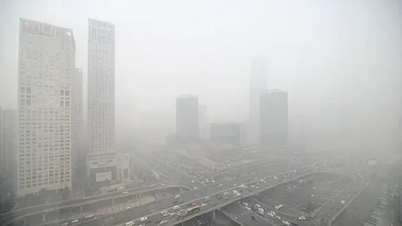
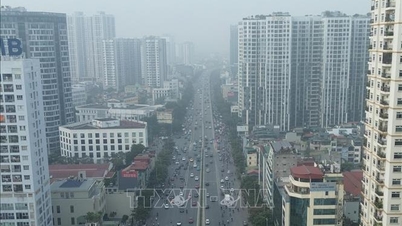
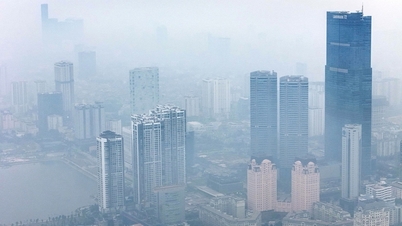
On the IQAir global air quality monitoring and assessment system at 7:00 a.m. this morning, the AQI in Hanoi was 167 (red level, harmful to people's health) and the PM2.5 fine dust concentration was at 65 µg/m 3 - nearly 5 times higher than the recommendation of the World Health Organization. Monitoring data shows that in many areas in Hanoi, the AQI index exceeded 200 (purple, very harmful) such as: Thach That, Ha Bang... With the above AQI index, Hanoi ranked 9th out of 10 most polluted cities in the world, after the cities: Delhi and Kolkata (India), Dhaka (Bangladesh), Tehran (Iran)...
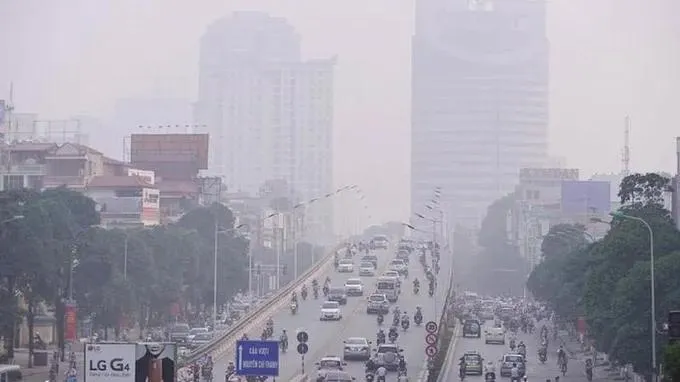
Faced with the air pollution situation in Hanoi that has lasted for many days, the Hanoi People's Committee has just directed departments, branches and localities to deploy urgent measures to control air pollution. In particular, the Hanoi People's Committee has directed the Department of Health to prepare guidance documents for people to identify bad air conditions, and at the same time, recommend reducing outdoor exposure, especially early morning and at night. Hospitals in the inner city are preparing to increase their capacity and be ready to receive a possible increase in respiratory patients on days of heavy pollution.
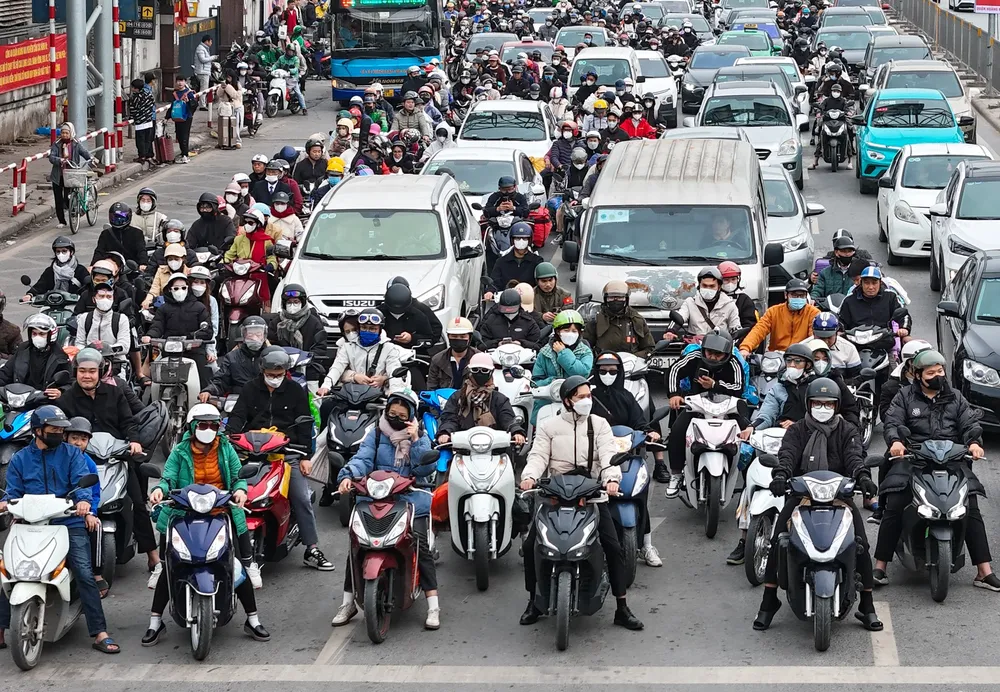
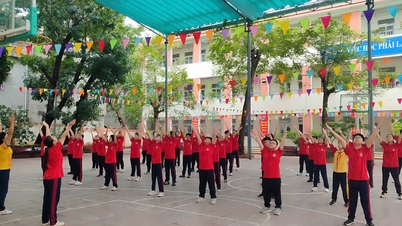
The Hanoi Department of Education and Training has directed schools to monitor air quality daily to adjust activities. When the index exceeds the "bad" threshold, students will limit outdoor activities. If pollution is severe, schools may change school hours to ensure safety.
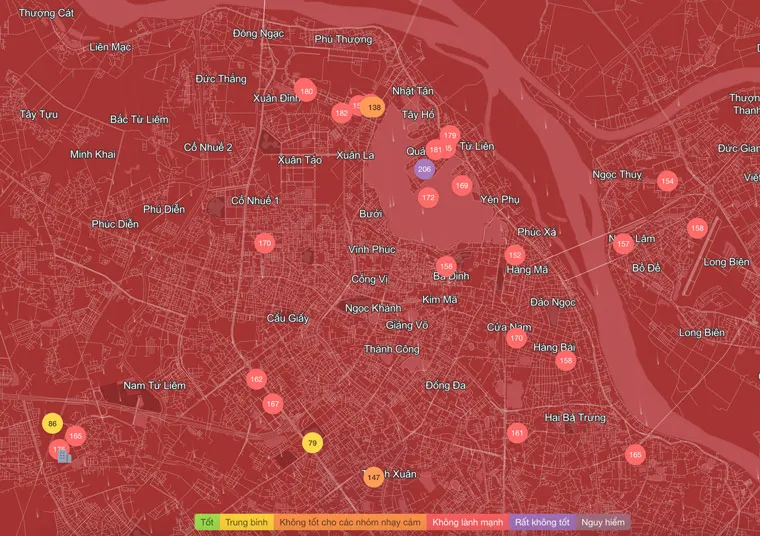
Construction sites are enhancing dust control by covering, washing vehicles, misting, and monitoring with AI-enabled cameras at large projects. Some residential areas, parks, and main roads will be piloted with misting to reduce dust, contributing to reducing the concentration of fine dust in the air. Production facilities with high risk of emissions are encouraged to adjust the operating schedule of dust-generating stages to more favorable weather periods.
AQI is an air quality index, reflecting the level of pollution from 0 to over 300. The higher the AQI, the more harmful it is to human health. The threshold of 101-150 is considered to affect sensitive groups; from 151 and above is harmful to health; over 200 is considered hazardous, everyone is at risk of being affected.
Source: https://www.sggp.org.vn/chat-luong-khong-khi-o-ha-noi-van-nam-trong-nhom-o-nhiem-nhat-the-gioi-post826649.html


![[Photo] Cat Ba - Green island paradise](/_next/image?url=https%3A%2F%2Fvphoto.vietnam.vn%2Fthumb%2F1200x675%2Fvietnam%2Fresource%2FIMAGE%2F2025%2F12%2F04%2F1764821844074_ndo_br_1-dcbthienduongxanh638-jpg.webp&w=3840&q=75)
















































































Comment (0)