

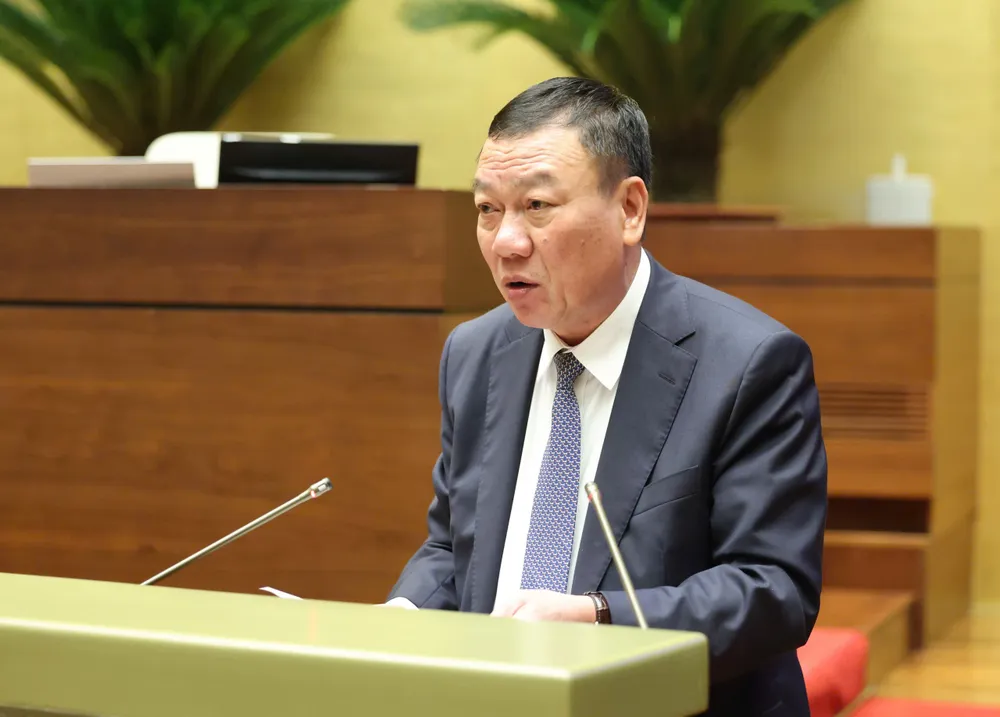
Giving specific comments on the draft law, Deputy Nguyen Tam Hung (HCMC) agreed with the form of online citizen reception. However, in order to implement it uniformly nationwide, the Deputy suggested considering clearly defining the principles of recognizing the legal value of online citizen reception sessions as equivalent to direct citizen reception sessions, including the value of minutes, records, confirmations and legal responsibilities when providing false information. This regulation helps limit disputes and ensure consistency when applied in practice in localities.
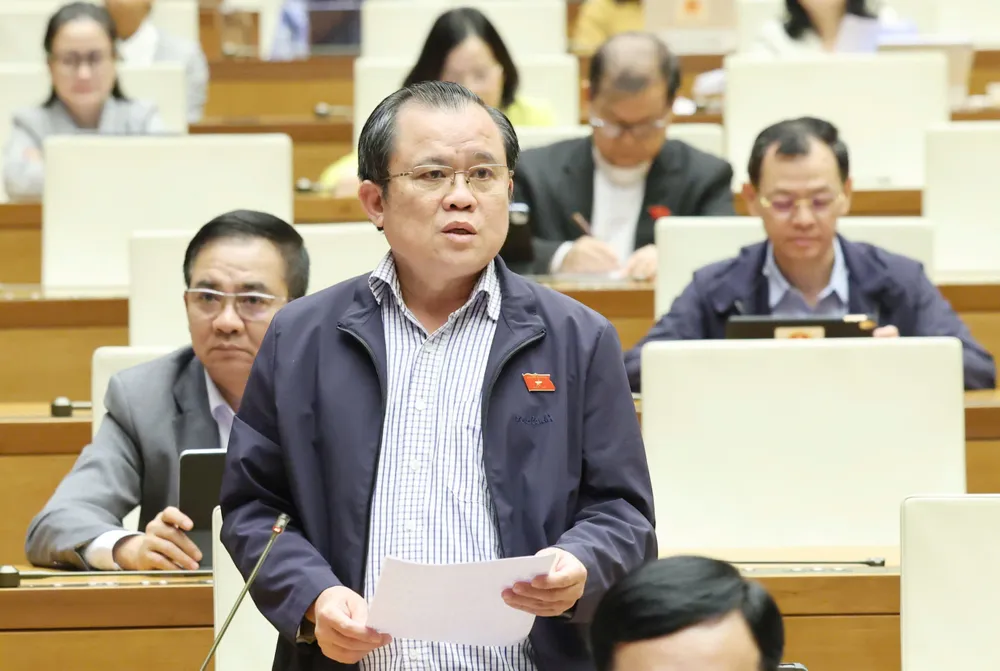
The Delegate also agreed with the requirement that the Chairman of the People's Committee at the commune level directly receive citizens at least 2 days a month to enhance the role of the leader. However, to be consistent with reality, especially in crowded and complicated cases, the Delegate proposed to add regulations on arranging professional support forces and ensuring security and order during the citizen reception session to protect the safety of the enforcement officers, reduce psychological stress and ensure the quality of citizen reception work.
Regarding the temporary suspension and suspension of complaint settlement, Deputy Nguyen Tam Hung agreed with the addition of a temporary suspension and suspension mechanism to limit unnecessary prolongation of the case. However, to ensure the rights of the complainant, it is recommended to consider clearly regulating the right to access the decision of temporary suspension and suspension and the right to petition for this decision within a certain period of time, to avoid the risk of abuse or arbitrary application in practice.
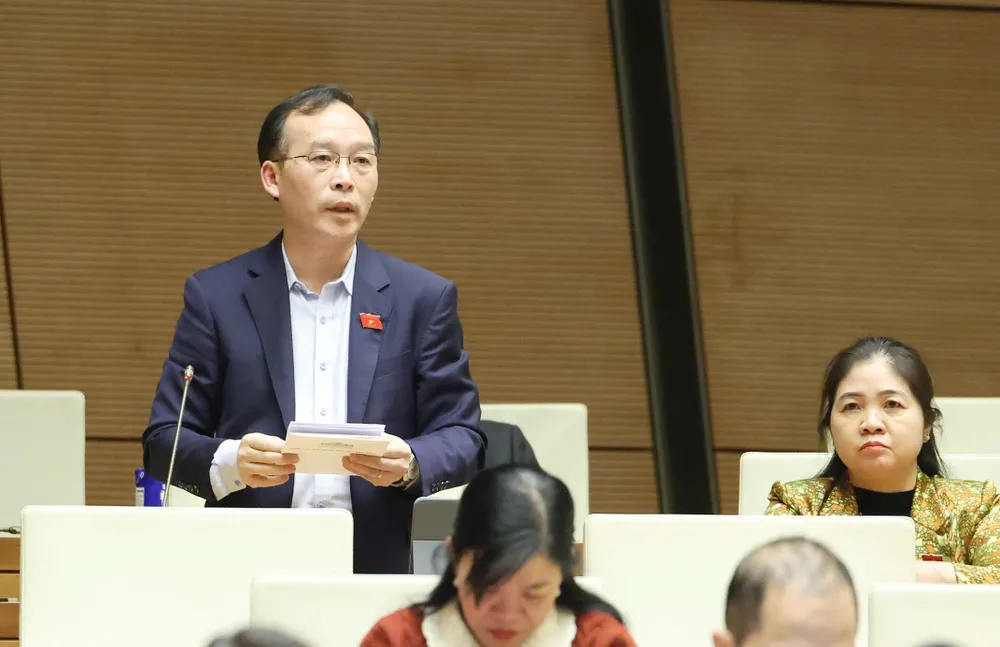
Sharing the same concern, Deputy Tran Van Tuan (Bac Ninh) proposed to add specific regulations in the law or assign the Government to specify cases of temporary suspension of complaint settlement due to force majeure or objective obstacles. At the same time, it is necessary to add specific regulations on the maximum suspension period to avoid abuse in the temporary suspension of complaint settlement to avoid pushing, avoiding settlement and causing disadvantages and frustration to citizens.
Delegate Nguyen Tam Hung proposed adding a mechanism to protect public servants when receiving citizens, handling complaints and denunciations, including measures to handle acts of insulting, offending, attacking or threatening officials. “Practice shows that protecting the legitimate rights and interests of the people must go hand in hand with protecting public servants. This is an urgent requirement to maintain administrative discipline, not to let officials “fear responsibility” or “avoid collisions”, Delegate Nguyen Tam Hung said.
Sharing the same view, Deputy Hoang Anh Cong (Thai Nguyen) proposed clearly defining the protection of whistleblowers, clarifying the manifestations of acts of revenge and suppression of those fighting against corruption, waste and negativity in all forms to serve as a basis for identifying, preventing, stopping and handling these violations.
Deputy Nguyen Tam Hung also said that it is necessary to establish a mechanism to bind the personal responsibility of leaders in cases of delay or avoidance of receiving citizens, prolonging the time limit for settlement, or transferring petitions in a roundabout way. Practice shows that many prolonged complaints and denunciations do not stem from the complexity of the case but from the avoidance of responsibility.
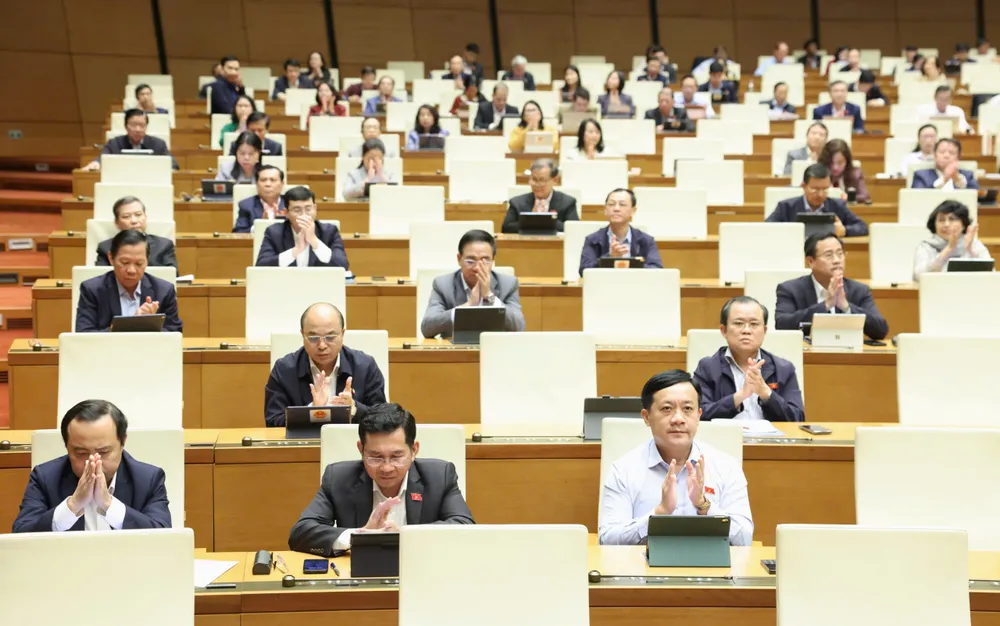
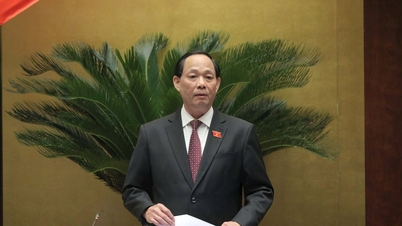
Explaining to the National Assembly, Government Inspector General Doan Hong Phong said that regarding the regulations on heads receiving citizens, the draft law continues to inherit the current regulations, which is not allowing the delegation of authority to receive citizens to deputies in order to enhance the direct responsibility of the heads.
Regarding the suspension of complaint settlement in cases of force majeure, the drafting agency accepts and reflects this content in the Government's decree guiding the implementation of the law.
Regarding the protection of whistleblowers, the Government Inspector General said that this content has been fully regulated in the Law on Denunciation, including protection of information, job positions, lives, and handling of acts of retaliation against whistleblowers.
Source: https://www.sggp.org.vn/can-quy-dinh-ro-viec-bao-ve-nguoi-to-cao-post827114.html

![[Photo] National Assembly Chairman Tran Thanh Man attends the VinFuture 2025 Award Ceremony](/_next/image?url=https%3A%2F%2Fvphoto.vietnam.vn%2Fthumb%2F1200x675%2Fvietnam%2Fresource%2FIMAGE%2F2025%2F12%2F05%2F1764951162416_2628509768338816493-6995-jpg.webp&w=3840&q=75)

![[Photo] 60th Anniversary of the Founding of the Vietnam Association of Photographic Artists](/_next/image?url=https%3A%2F%2Fvphoto.vietnam.vn%2Fthumb%2F1200x675%2Fvietnam%2Fresource%2FIMAGE%2F2025%2F12%2F05%2F1764935864512_a1-bnd-0841-9740-jpg.webp&w=3840&q=75)



















































































Comment (0)