

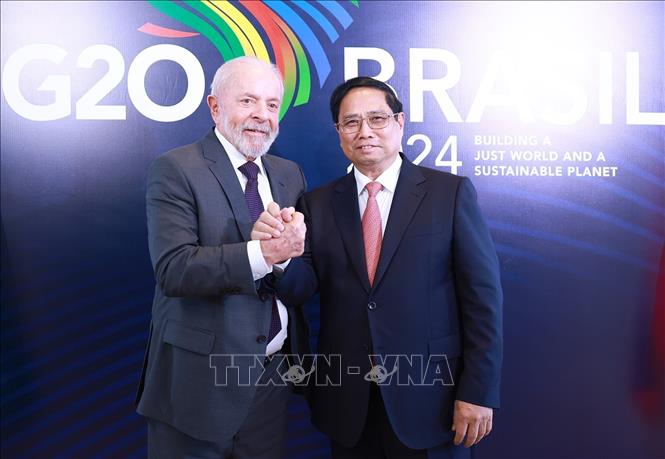
Prime Minister Pham Minh Chinh and Brazilian President Luiz Inácio Lula da Silva. Photo courtesy of Duong Giang/VNA.
Brazilian President Lula da Silva made his first visit to Vietnam in July 2008. Ambassador, could you please tell us what special significance this second visit to Vietnam by President Lula da Silva holds?
Brazilian President Lula da Silva's second visit to Vietnam holds significantly greater importance compared to his first official visit in 2008. While the 2008 visit primarily focused on friendly relations and bilateral cooperation between the two countries, this visit takes place against the backdrop of the Vietnam-Brazil relationship being upgraded to a Strategic Partnership, coinciding with Prime Minister Pham Minh Chinh's participation in the G20 Summit in Rio de Janeiro in November 2024.
This upgrade reflects the strong, substantive, and effective development of bilateral relations, marking a significant qualitative leap forward in political and diplomatic relations between the two countries. Vietnam is the first ASEAN country to have a Strategic Partnership with Brazil in South America, and similarly, Brazil is the first country in the region to upgrade its relationship with Vietnam to a strategic level. Therefore, this visit is even more significant as it represents a continuation of the agreements and cooperation reached during Prime Minister Pham Minh Chinh's official visit to Brazil in 2023, as well as at the G20 Summit in 2024. President Lula da Silva's visit demonstrates the continuous development of relations between the two countries, as well as the commitment of both sides to agree on measures to effectively implement the framework of the Vietnam-Brazil Strategic Partnership, promoting practical cooperation in all fields such as politics and security, economy, trade and investment, science, technology and innovation, culture and society, and climate change to a new level.
The visit provides an opportunity for leaders from both sides to exchange views and reach concrete agreements on the substance of the Strategic Partnership, realizing political commitments through substantive and effective cooperation programs that benefit both sides. This also marks a major turning point for Vietnam in strengthening cooperation with a country that has the largest economy and plays a leading role in South America. From there, Vietnam can diversify its economic partners and create more development opportunities in key sectors and fields.
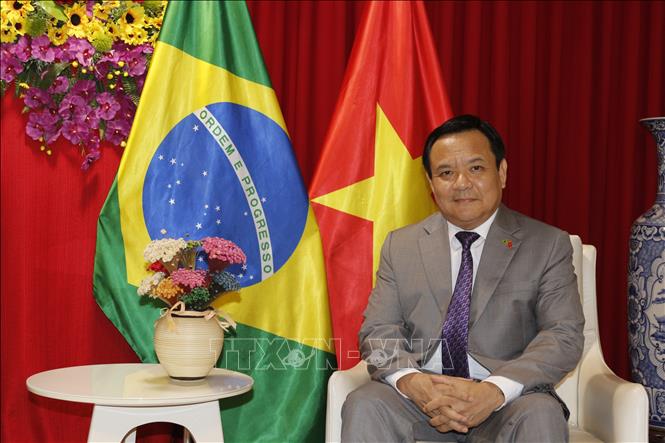
Vietnamese Ambassador to Brazil, Bui Van Nghi, answers questions from VNA (Vietnam News Agency). Photo: Vietnamese Embassy in Brazil.
Ambassador, could you share your thoughts on the potential for cooperation between our two countries and the expectations we have for this visit, especially in the context of today's volatile world?
The visit marks a new and extremely important milestone in the bilateral relationship, aligning with Vietnam's foreign policy, contributing to the concretization of the Party's 13th National Congress Resolution and the "Development of Relations between Vietnam and Latin American Countries in the period 2022-2026" plan, promoting the implementation of international commitments and concretizing new cooperation frameworks, while affirming Vietnam's determination to strengthen cooperation with important partners in the Latin American region, especially Brazil.
A notable aspect of this visit is that the two countries will focus on exchanging views on cooperation in significant and high-potential areas such as renewable energy, manufacturing, high-tech agriculture, biofuels, education and training, and climate change response. Both sides will discuss and propose specific measures to promote economic and trade cooperation, expand markets, and increase investment between the two countries. In particular, ministries, sectors, localities, and businesses of both countries are expected to sign cooperation documents, creating a favorable legal framework to promote the implementation of practical cooperation programs that bring long-term benefits to both sides. Vietnam also hopes that Brazil will soon recognize Vietnam's market economy status and accelerate the negotiation process of a Free Trade Agreement (FTA) between Vietnam and the Southern Common Market (MERCOSUR), a crucial breakthrough for expanding economic, trade, and investment cooperation in the future.
Beyond agreements on economic and trade cooperation, the visit also opened opportunities for the two countries to exchange experiences and cooperate in other potential areas such as tourism, aviation, seaports, and logistics. These are areas where both countries have great but untapped potential, and promoting cooperation in these fields will contribute to further strengthening bilateral relations.
In a complex, multi-layered, multi-centric, and rapidly changing world facing numerous traditional and non-traditional security challenges, close cooperation, information sharing, and security and defense collaboration, alongside economic cooperation, are crucial. Exploiting and leveraging the potential and complementarity between the two economies to diversify and multilateralize the supply and demand chains for labor, goods, industry, services, production, supply, and consumption between countries is extremely important. Vietnam and Brazil can cooperate to promote global initiatives on environmental protection, peacekeeping, and sustainable development. With existing international cooperation mechanisms, the two countries can contribute to addressing global challenges and issues, working together to build a peaceful, stable, cooperative, and sustainably developing world.
With high political credibility, close cooperation, and a long-term vision, President Lula da Silva's visit to Vietnam opens a new phase of strong, sustainable, substantive, and effective cooperation and development in many fields, fulfilling the aspirations of the people of both countries and strengthening the position and prestige of each nation in the region and internationally. This visit will open up many new opportunities, not only for Vietnam and Brazil, but also contribute to overall stability and prosperity in the region and globally.
Following Prime Minister Pham Minh Chinh's participation in the G20 Summit in Rio de Janeiro in November 2024, how did the Embassy prepare and implement activities in anticipation of Brazilian President Lula da Silva's visit to Vietnam?
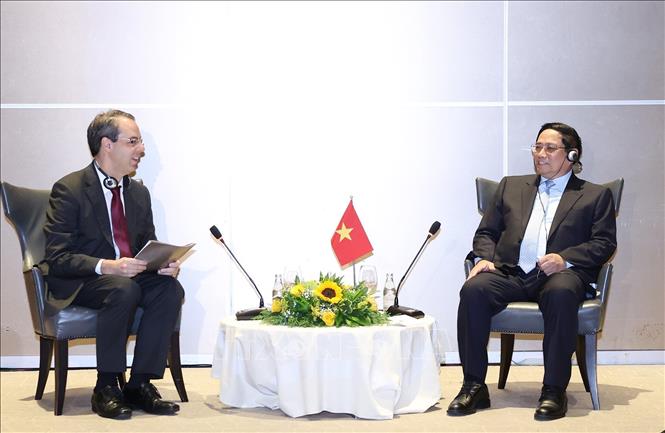
Prime Minister Pham Minh Chinh receives Mr. José Serrador, Vice President of EMBRAER Aviation Group. Photo: Duong Giang/VNA
Following the upgrading of the Strategic Partnership within the framework of Prime Minister Pham Minh Chinh's participation in the G20 Summit in Rio de Janeiro in November 2024, the Vietnamese Embassy in Brazil coordinated with relevant agencies in Vietnam and Brazil to connect, arrange, and organize for Prime Minister Pham Minh Chinh to meet with major Brazilian corporations and businesses such as EMBRAER, Alterosa - MK Group, JBS.SA, Oceanside One Trading, and attend the Vietnam-Brazil Business Forum.
To align with the relationship after it was upgraded to a strategic partnership, promoting business cooperation, market research, and related activities is essential. Therefore, in December 2024, the Embassy, in coordination with the Vietnamese Trade Office in Brazil, organized the "Vietnam-Brazil Business Meeting, Review of Economic Diplomacy in 2024 and Orientation for Cooperation in 2025," attended by nearly 50 delegates including representatives from several ministries, government agencies, federations/chapels of industry, commerce, and agriculture, as well as representatives from major businesses. The purpose was to review the results of economic cooperation, share updated information with the Brazilian business community, friends, and partners on Vietnam's socio-economic development in 2024 and its economic prospects for 2025.
The Embassy also organizes business trips to various states to explore opportunities for economic, trade, investment, and educational cooperation between Vietnam and Brazil, and to engage with local businesses to understand the market and the needs of Brazilian enterprises. During a trip to Espirito Santo state last January, companies in the state expressed interest in key Vietnamese products such as rice, coffee, cashews, tropical fruits, textiles, footwear (including children's shoes), electronics, ceramics, handicrafts, and household goods. This paved the way for the Embassy to facilitate a delegation of more than 10 businesses, led by the Deputy Governor of Espirito Santo state, to visit Vietnam and participate in the recently held Buon Ma Thuot Coffee Festival.
In addition, the Embassy actively met and worked with legislative bodies, exchanging views and advocating for the development of Vietnam-Brazil and regional relations with the Brazilian side. This included working with the Permanent Vice President of the Brazilian Senate, speaking at the opening ceremony of the Brazil-ASEAN Parliamentary Front, working with MERCOSUR members in the House of Representatives to lobby for the negotiation and signing of the Vietnam-MERCOSUR FTA, as well as the relationship between the two countries. The Embassy also worked with and encouraged business associations to support Vietnam's recognition as a market economy, including JBS SA Brazil (the world's largest livestock and poultry processing company), and collaborated with Vietnamese businesses and the Ministry of Agriculture and Rural Development to introduce Brazilian peach palm and quail for production in Vietnam.
All these activities aim to maximize the effectiveness of President Lula da Silva's visit, affirm the strategic partnership between Vietnam and Brazil, and create new advances in comprehensive cooperation between the two countries.
What are the Ambassador's impressions of Brazil and its people?
Regarding Brazil and its people, I feel it is a special country with a harmonious blend of majestic natural beauty and rich culture. The country stands out with its diverse natural landscapes, from stunning long beaches to the Amazon rainforest. In particular, Brazil's tropical climate also fosters a vibrant, warm, and welcoming culture, keeping its people cheerful and optimistic.
Brazilians are known for their openness, friendliness, and warmth. They love their culture, the samba dance, the vibrant Carnival, and sports, especially football, and they always show a warm welcome to international visitors. Their spirit of unity and optimism are strong points, making anyone who visits Brazil feel warm and easily connect with them.
Although Brazil has a very distinct culture, there are striking similarities between the cultures of Brazil and Vietnam. Both have rich, traditional cultures that place a strong emphasis on family and community, and enjoy pleasant tropical climates. Both countries love music, dance, and celebrate vibrant, community-oriented festivals, such as Brazil's Carnival and Vietnam's Lunar New Year.
Furthermore, both Brazil and Vietnam have distinctive cuisines deeply rooted in agricultural traditions, combining natural ingredients with unique cooking methods. This creates a close connection between the two cultures, as both are connected to the land and value freshness and healthiness in food.
I believe that promoting cultural exchange between Vietnam and Brazil is crucial for enhancing mutual understanding. In 2024, coinciding with Prime Minister Pham Minh Chinh's participation in the G20 Summit, the first-ever Vietnam Day in Brazil attracted many Brazilian friends and international guests. Organizing cultural events, art exhibitions, and student and scholar exchange programs provides excellent opportunities for people from both countries to interact, learn, and share their traditions, cultures, and lifestyles. People-to-people exchanges not only strengthen relations between the two countries but also foster lasting friendships, contributing to a solid foundation for future cooperation.
I believe that developing cultural exchange activities will help strengthen solidarity between the two nations, contributing to building a sustainable relationship not only in the political and economic fields but also in the social, cultural, educational, and humanistic areas.
Thank you very much, Ambassador!
Dieu Huong (VNA)
Source: https://baotintuc.vn/chinh-polit/chuyen-tham-cua-tong-thong-brazil-toi-viet-nam-mo-ra-giai-doan-hop-tac-song-phuong-manh-me-20250325074459490.htm

![[Photo] Prime Minister Pham Minh Chinh holds a phone call with the CEO of Russia's Rosatom Corporation.](/_next/image?url=https%3A%2F%2Fvphoto.vietnam.vn%2Fthumb%2F1200x675%2Fvietnam%2Fresource%2FIMAGE%2F2025%2F12%2F11%2F1765464552365_dsc-5295-jpg.webp&w=3840&q=75)
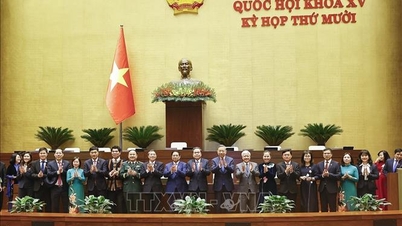
![[Photo] Closing Ceremony of the 10th Session of the 15th National Assembly](/_next/image?url=https%3A%2F%2Fvphoto.vietnam.vn%2Fthumb%2F1200x675%2Fvietnam%2Fresource%2FIMAGE%2F2025%2F12%2F11%2F1765448959967_image-1437-jpg.webp&w=3840&q=75)






























![[OFFICIAL] MISA GROUP ANNOUNCES ITS PIONEERING BRAND POSITIONING IN BUILDING AGENTIC AI FOR BUSINESSES, HOUSEHOLDS, AND THE GOVERNMENT](https://vphoto.vietnam.vn/thumb/402x226/vietnam/resource/IMAGE/2025/12/11/1765444754256_agentic-ai_postfb-scaled.png)

















![[Infographic] Preventing students from making their own firecrackers: 7 things parents need to know](https://vphoto.vietnam.vn/thumb/402x226/vietnam/resource/IMAGE/2025/12/11/1765466656703_img_0320_20251211183542.jpeg)
















Comment (0)