

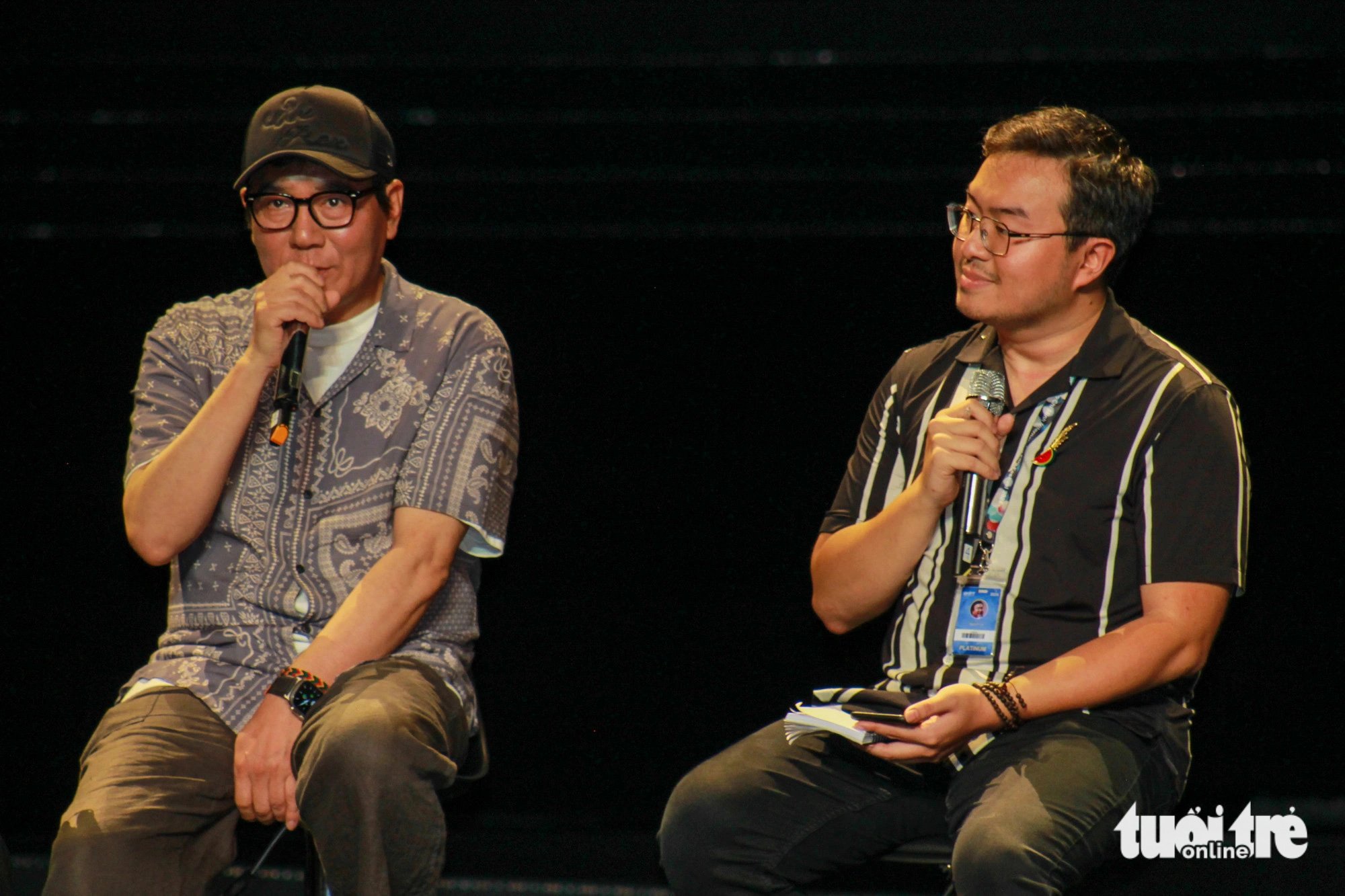
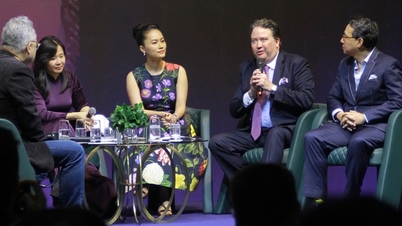
Director Kim Jee Woon (left) and speaker Nguyen Le at a Q&A session held at the Ho Chi Minh City Theater - Photo: To Cuong
Film enthusiasts, filmmakers, and producers alike had the opportunity to meet and exchange ideas with renowned South Korean director Kim Jee Woon, and to enjoy the psychological thriller that propelled his career to its peak – " A Tale of Two Sisters " – on the big screen.
This is one of the outstanding cinematic activities within the framework of the Ho Chi Minh City International Film Festival (HIFF 2024), the first international-scale film event in Ho Chi Minh City.
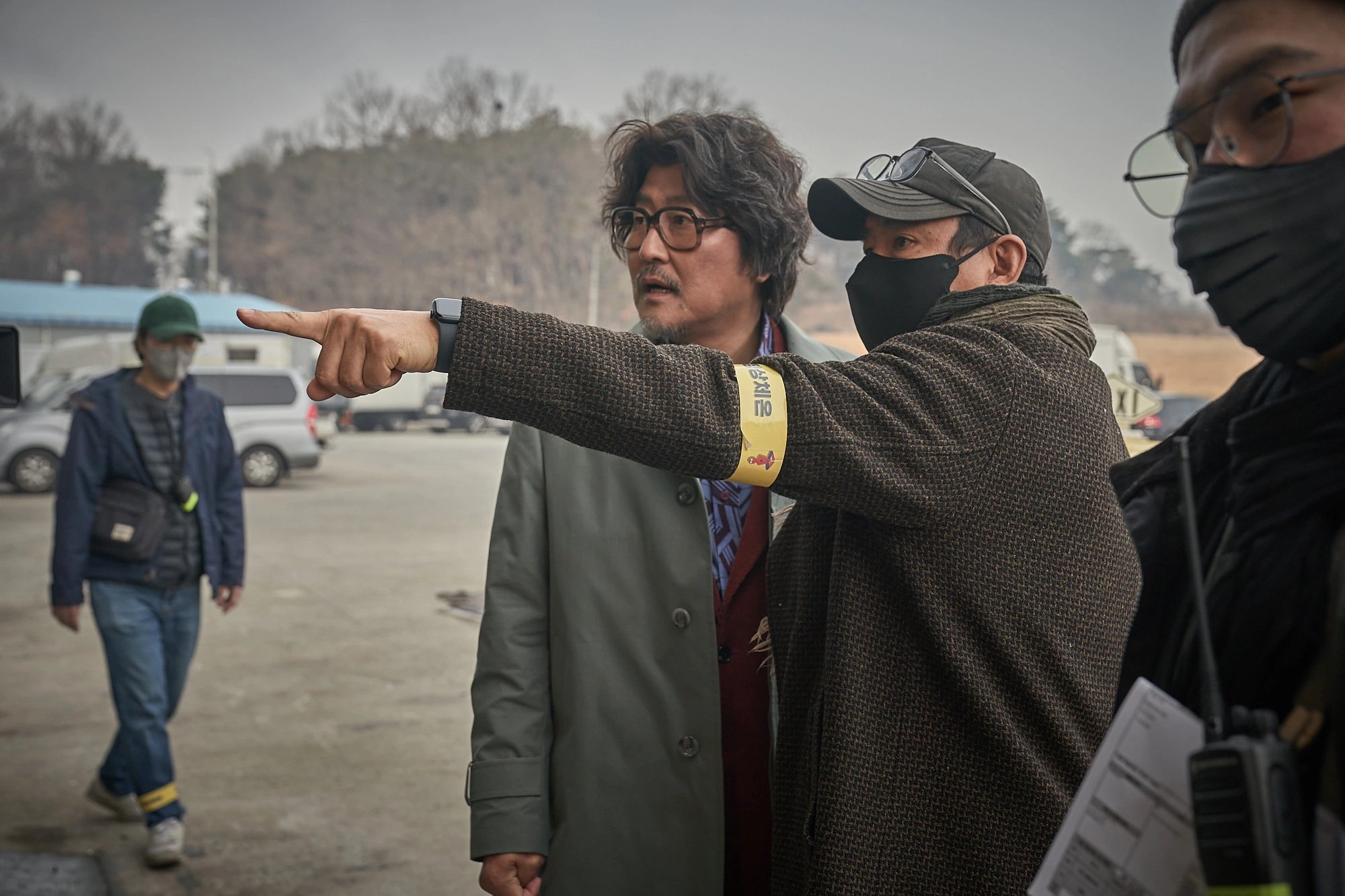
Kim Jee Woon (second from the right) on the set of the recent drama *Cobweb* with award-winning actor Song Kang Ho - Photo: CJ Entertainment
Director Kim Jee Woon has made a mark on audiences and critics alike with notable projects such as the sports comedy The Foul King (2000), the horror masterpiece A Tale of Two Sisters (2003), and the revenge horror film I Saw the Devil (2010).
Trailer for the movie A Tale of Two Sisters
Kim Jee Woon and the art of aesthetically pleasing horror filmmaking.
During the Q&A session, director Kim Jee Woon warmly answered questions from readers and the host – film critic and translator Nguyen Le – about the film "A Tale of Two Sisters" in particular and his filmmaking career in general.
A Tale of Two Sisters is a film based on a Korean folk tale from the Joseon era called Janghwa Hongryeon (roughly translated: Rose and Lotus).
The film's plot revolves around the story of two sisters, Su Mi and Su Yeon, and their father as they return to the house where they grew up.
Here, many eerie events begin to occur, stemming from the haunting memories of past tragedies that took place here.
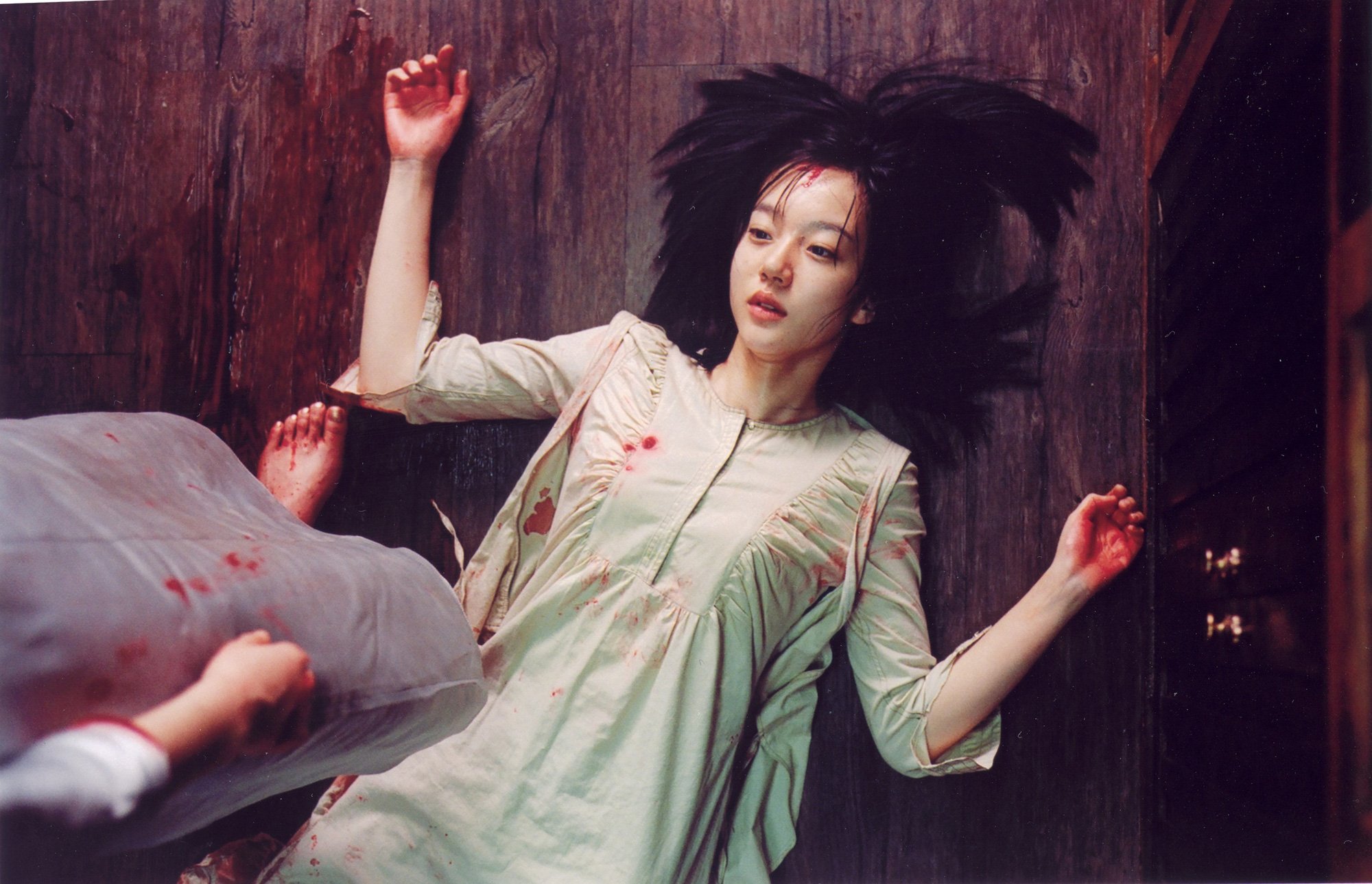
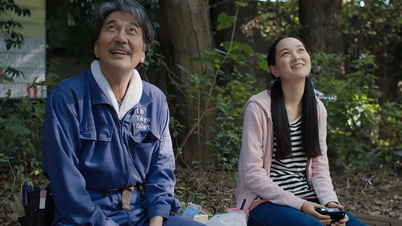
A scene from the movie A Tale of Two Sisters - Photo: IMDb
Director Kim shared that his film is not just a horror film focused on ordinary fear, but also incorporates two elements: artistic merit and a sad story that leaves viewers with a lingering sense of unease long after watching it.
Films that blended beauty and horror were also pioneered by some Japanese filmmakers at the time.
However, it is the way director Kim Jee Woon blends the visuals and sounds in the film with the complex psychological aspects of the characters that has made A Tale of Two Sisters a landmark in Asian and global horror films.
Also attending the event was Mr. Kim Dong Ho, former founder and director of the Busan International Film Festival, and honorary chairman of HIFF;
Mr. Jeawon Choi, former director of Warner Bros. Korea and currently CEO of Anthology studio, along with many Vietnamese and international viewers.
Kim Jee Woon wants to make a film in Ho Chi Minh City.
At the end of the more than 30-minute Q&A session, director Kim confided that if he left immediately, he would feel very nostalgic for the audience who had come to chat with him, so he tried to "hold on" a little longer to share his impressions of Vietnam.
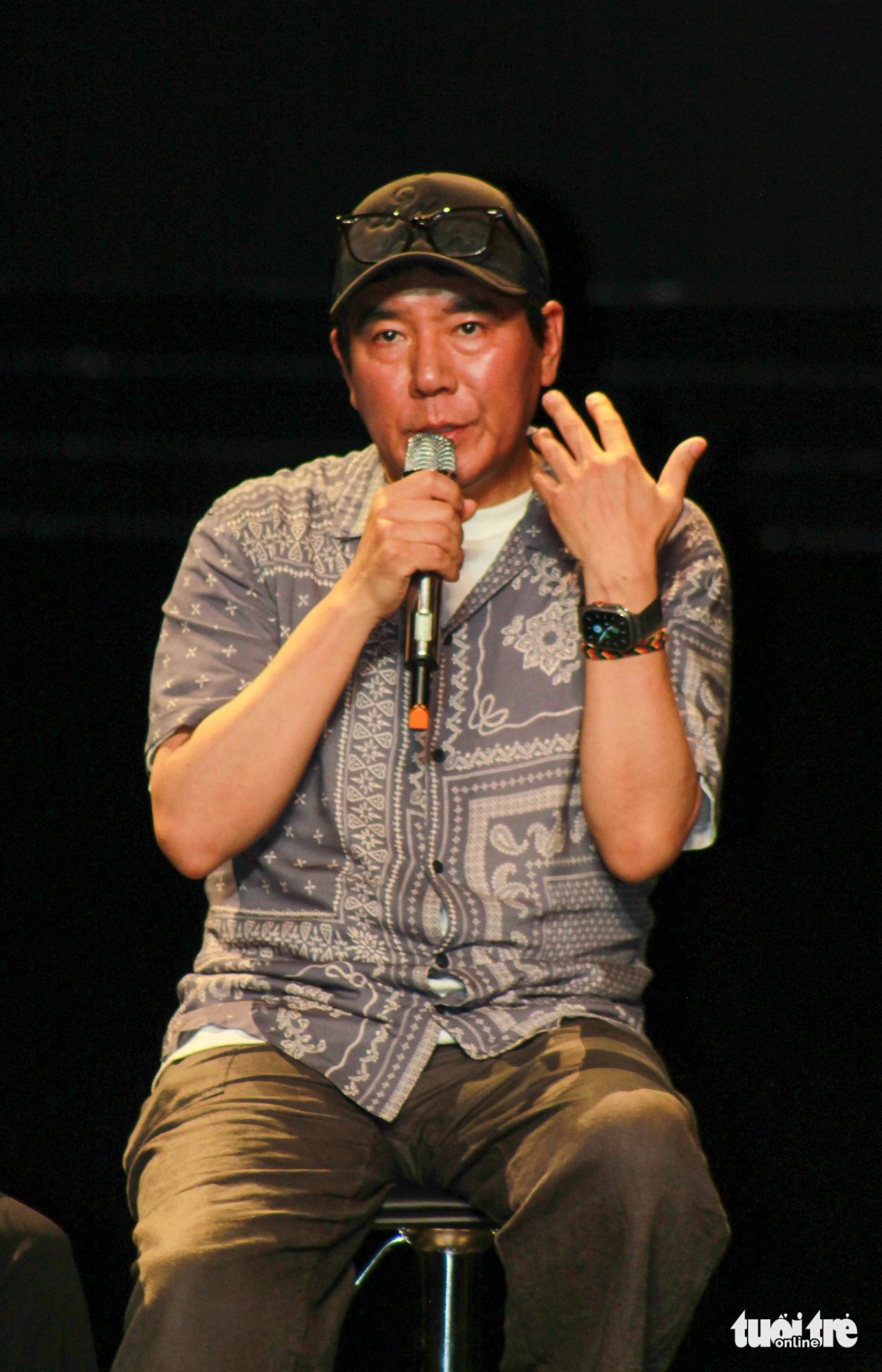
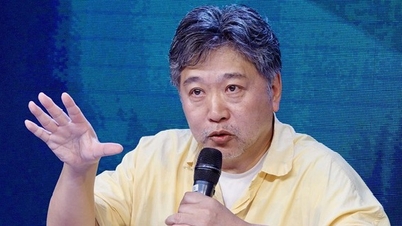
Kim Jee Woon shared how he carried out the initial "ideological work" when he got inspiration for his film - Photo: To Cuong
"This is my first time having the opportunity to visit Vietnam. Ho Chi Minh City, in my impression, is a city full of energy, and the Vietnamese people I've met are very open and free-spirited."
I like it and think it's an incredibly promising environment for filmmaking.
"Hopefully, today's sharing will be useful for filmmakers and film producers in Vietnam in the future," director Kim Jee Woon shared.
Taking the opportunity, critic Nguyên Lê also asked him about the circumstances that led to a film he directed being made and set in Ho Chi Minh City.
Director Kim enthusiastically replied, "While visiting Ho Chi Minh City, I took many photos that I think would look beautiful on screen."
I will discuss this with my colleagues, and if everything goes smoothly, this is something that could happen in the not-too-distant future."
He also said that he would definitely introduce Vietnam to filmmakers in South Korea, opening up more opportunities for Ho Chi Minh City – a promising environment that has left a great impression on him.
The dream of Vietnamese cinema interacting with the world.
Nguyen Le, the host of the Q&A session with director Kim Jee Woon, shared that such events are a dream come true for many people in the Vietnamese film industry.
Although there are still areas for improvement, with the current pace of development, when the second or third HIFF is held, our film festival will become a destination for many international filmmakers, and we won't need to actively seek them out and invite them as we do now.
"When HIFF 2026 takes place, the people walking the red carpet might not only be regional filmmakers but also Hollywood superstars like Emma Stone," he optimistically shared.
Source

















![[Photo] Prime Minister Pham Minh Chinh holds a phone call with the CEO of Russia's Rosatom Corporation.](/_next/image?url=https%3A%2F%2Fvphoto.vietnam.vn%2Fthumb%2F1200x675%2Fvietnam%2Fresource%2FIMAGE%2F2025%2F12%2F11%2F1765464552365_dsc-5295-jpg.webp&w=3840&q=75)















































Comment (0)