

After nearly 14 years of effort in all aspects, from changing mindsets in labor and production to changing daily living habits, the people of Nam Khat commune are delighted that their locality has become the first New Rural Commune in the impoverished Mu Cang Chai district ( Yen Bai province).
Nam Khat is a particularly disadvantaged commune in Mu Cang Chai district (Yen Bai province), located at an altitude of over 1,000 meters above sea level with mountainous terrain and a harsh climate. The commune has 1,186 households, with the Mong ethnic group accounting for 92.9%, scattered across 8 villages. In agricultural production, most people only cultivate one rice crop per year, making life very difficult.
According to Mr. Thào A Phềnh, Chairman of the People's Committee of Nậm Khắt commune, in 2011, when the new rural development program began, the lives of local people were very difficult. The average per capita income was only 4.7 million VND/year, and the poverty rate was over 80%. The local economy was mainly agricultural, with small-scale production and underdeveloped services. There was a time when having enough to eat and wear was a luxury, and becoming a new rural commune seemed like a distant dream.
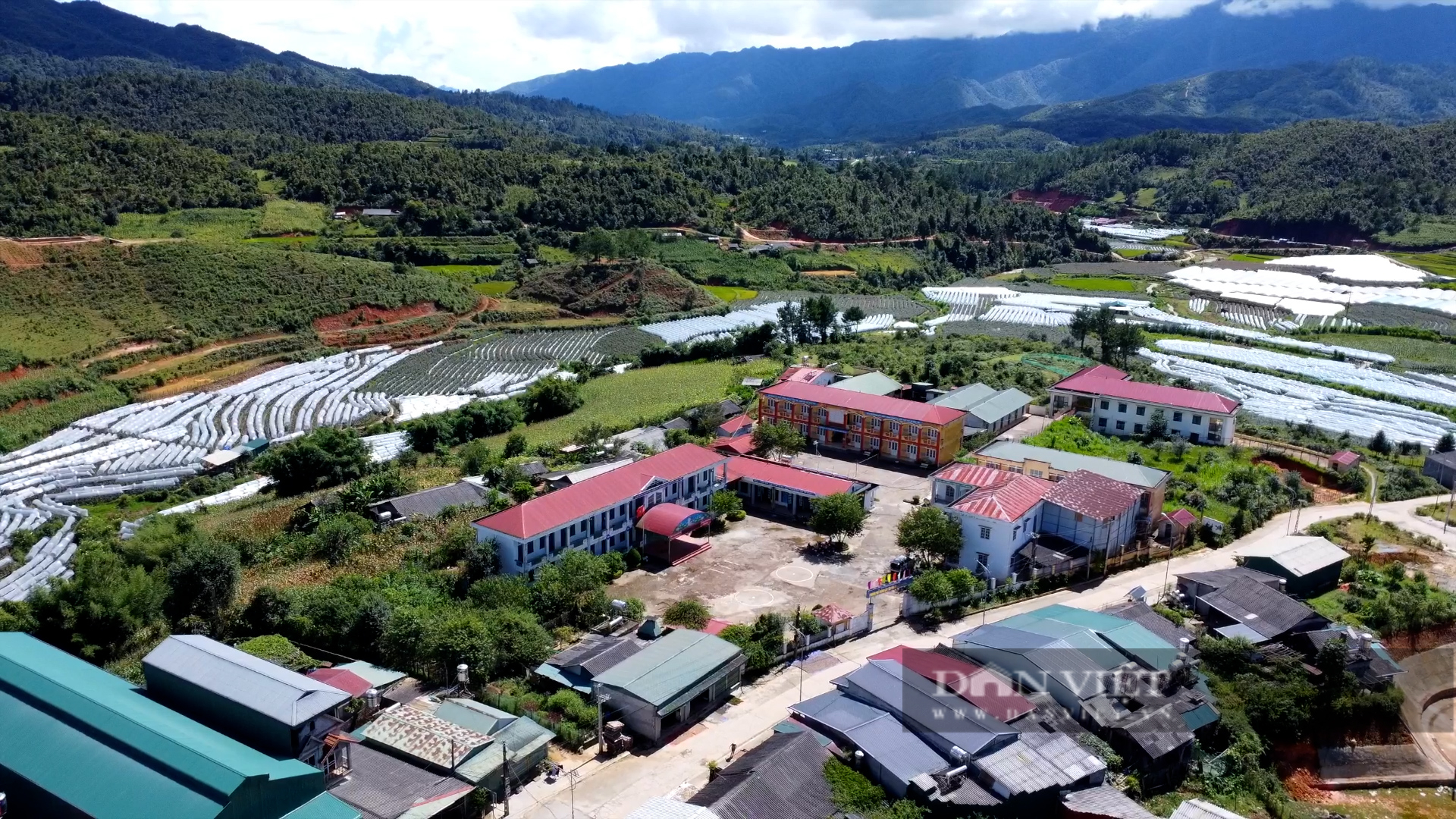
The center of Nam Khat commune today. Photo: Hoang Huu.
Recalling the situation more than a decade ago, Chairman Thào A Phềnh shared that Nậm Khắt commune's infrastructure was then underdeveloped, especially the roads, which were mostly dirt roads. Only 29% of the irrigation canals had been reinforced, and only nearly 60% of the commune's population had access to electricity. Many schools still had semi-permanent or temporary classrooms... At that time, Nậm Khắt commune only met one criterion: national security and social order.
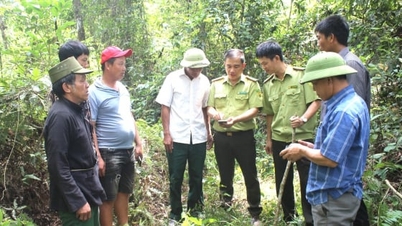
Local authorities have identified changing people's mindsets as a top priority. Therefore, district-level departments regularly coordinate with communes to disseminate information and mobilize the people to understand the policy of building new rural areas. This gradually helps people see the benefits and their responsibilities, encouraging them to proactively participate in fulfilling the criteria without "waiting or relying on others."
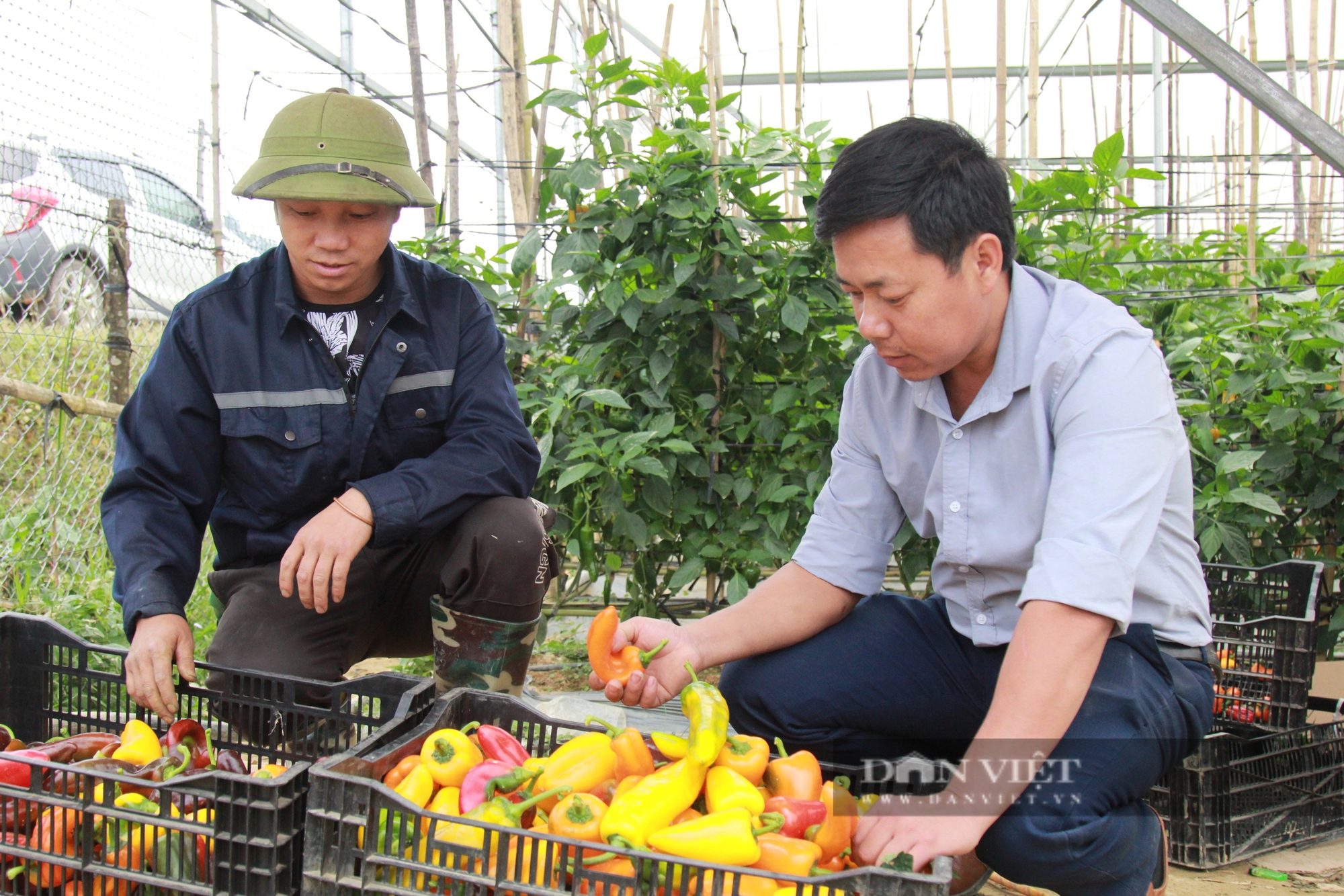
High-tech chili pepper cultivation in greenhouses helps increase the value per unit of land, boosting income for local people. Photo: Hoang Huu.
Through various methods of propaganda and mobilization, using a "hands-on" approach, people were guided to implement criteria such as: building roads, reinforcing irrigation canals, constructing cultural centers, collecting and processing waste, building sanitation facilities, renovating houses, improving gardens and yards, etc.
Mr. Mua A Cua, Party Secretary of Lang Sang village, Nam Khat commune, shared that in the past, the lives of the villagers were very difficult, with a high poverty rate and frequent reliance on government assistance. In recent years, life has changed significantly, with people earning much better incomes from renting land and working at high-tech agricultural farms. As a result, households have actively contributed money and labor to build concrete roads in the village, making travel much easier. Houses and sanitation facilities have also been built more solidly and are cleaner than before.
The rural areas of Nam Khat have changed a lot. Houses have been renovated and are sturdy, with solid roofs and complete outbuildings. Livestock are now kept in secure barns, and waste is collected, no longer allowed to roam freely or be tied up around the houses as before.
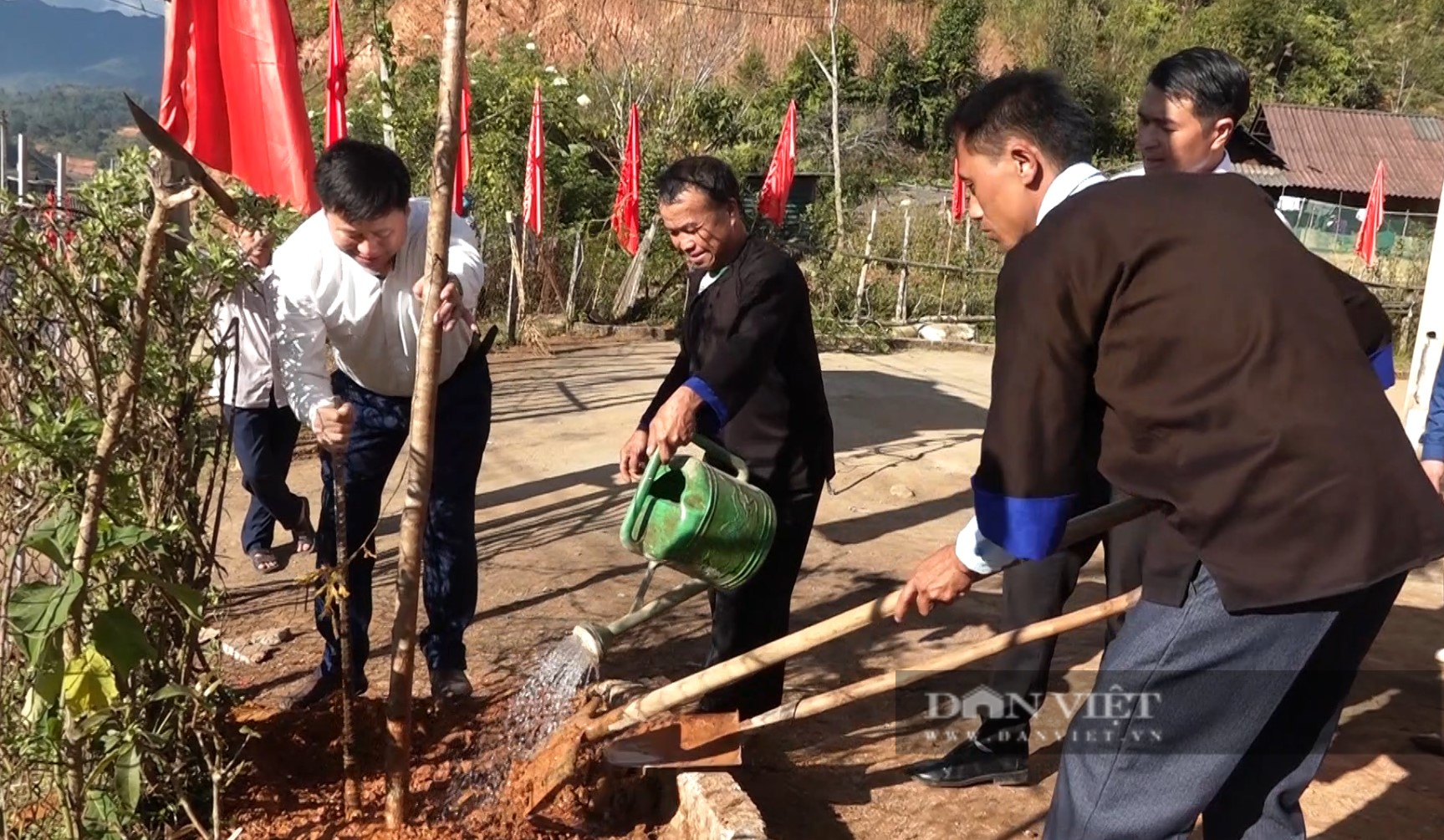
In the context of building new rural areas, cultural centers are being planted with flowers and ornamental plants to create bright, green, clean, and beautiful grounds. Photo: Hoang Huu.
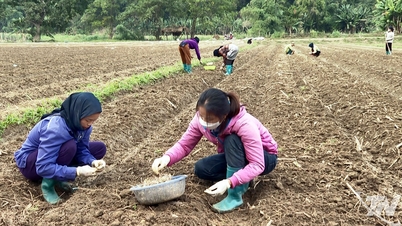
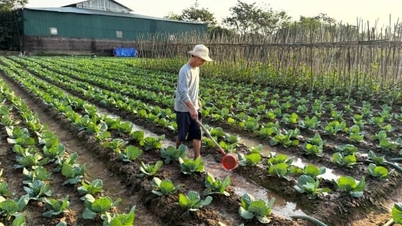
In the fields of the Nam Khat valley, hundreds of hectares are covered with various crops such as roses, tomatoes, peppers, and various vegetables, grown using high-tech methods with greenhouses, net houses, and a synchronized irrigation and care system. Small, winding roads through the hamlets are paved with concrete, facilitating easy travel for the residents. All of this has brought a more prosperous life to the farmers.
To date, the local rural transportation system has been fairly comprehensively improved. 100% of commune roads are paved with asphalt or concrete, and over 90% of inter-village and alley roads are concreted. Residents also voluntarily weed and sweep the roads twice a month. Some roads and community centers have been equipped with lighting systems and planted with flowers and ornamental plants, creating a bright, green, clean, and beautiful environment.
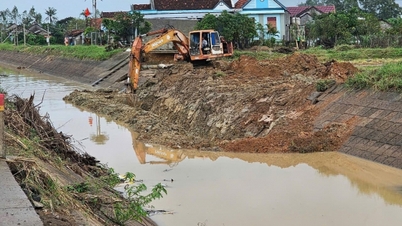
The irrigation system has been upgraded, with over 50% of canals and ditches now concreted, and 100% of agricultural land receiving active irrigation. 99.8% of households have access to the national electricity grid regularly and safely.
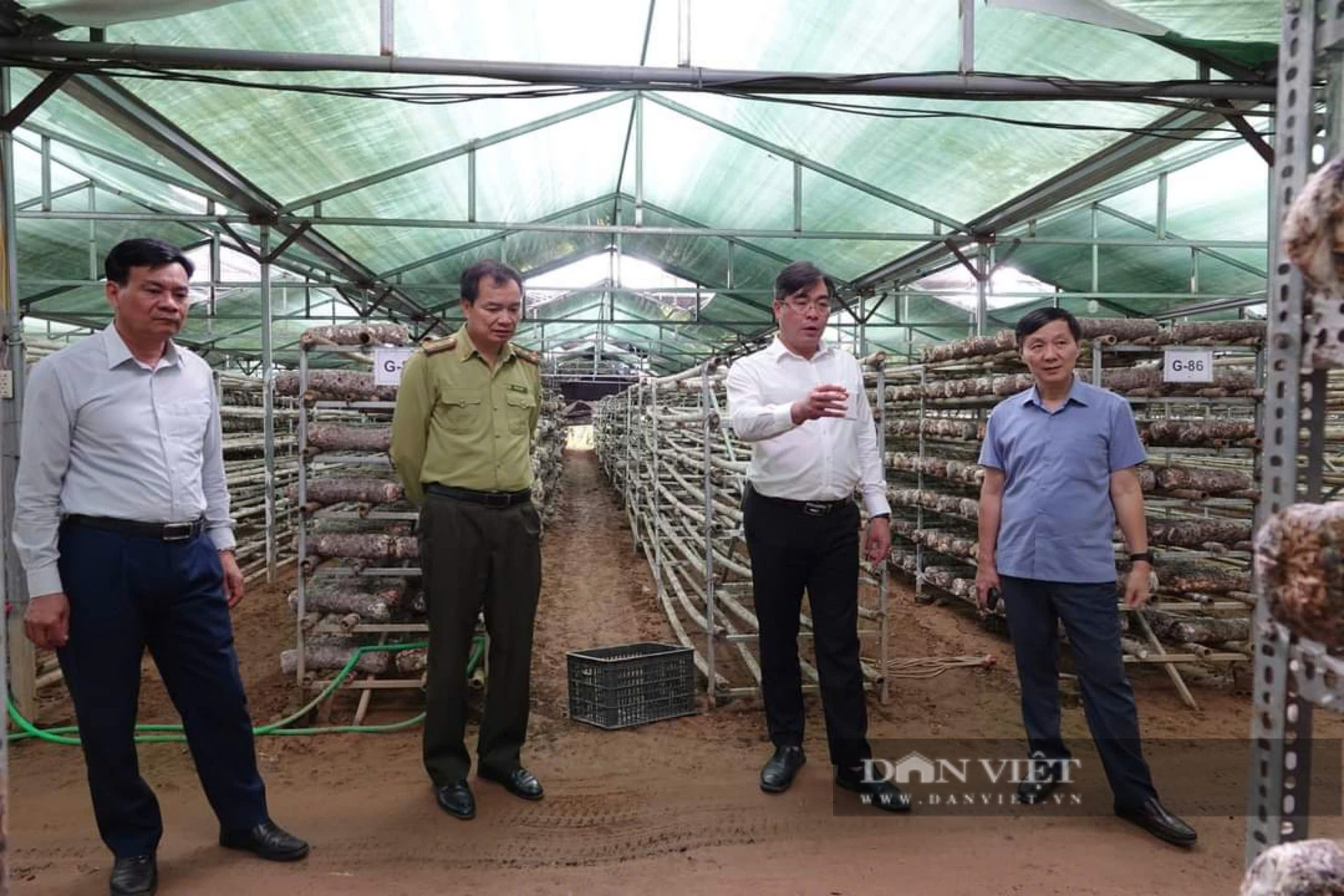
High-tech mushroom farming models bring high income to farmers in Nam Khat. Photo: Hoang Huu.
The core objective of building new rural areas is to improve the material and spiritual lives of the people. Therefore, in addition to mobilizing resources to invest in essential infrastructure, criteria for increasing income and reducing the poverty rate are given special attention.
According to Mr. Ly A Su, Vice Chairman of the People's Committee of Nam Khat commune, recognizing agriculture as the spearhead of local economic development, the commune has selected high-value, high-yield crops and livestock to develop into concentrated commodity production areas. Currently, the commune has over 300 hectares of rice paddies and over 1,100 hectares of fruit trees. In addition, from 2018 to the present, more than 100 hectares of low-yield single-crop rice fields have been converted to growing roses, mushrooms, tomatoes, and clean vegetables.
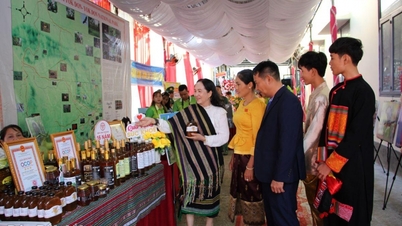
To date, the commune has established 2 cooperatives and more than 30 cooperative groups participating in production linkages associated with product consumption; typical examples include the flower cooperative with an area of over 70 hectares and the mushroom cultivation cooperative with an area of over 2 hectares. Nam Khat honey has been recognized as a 3-star OCOP product of Yen Bai province.
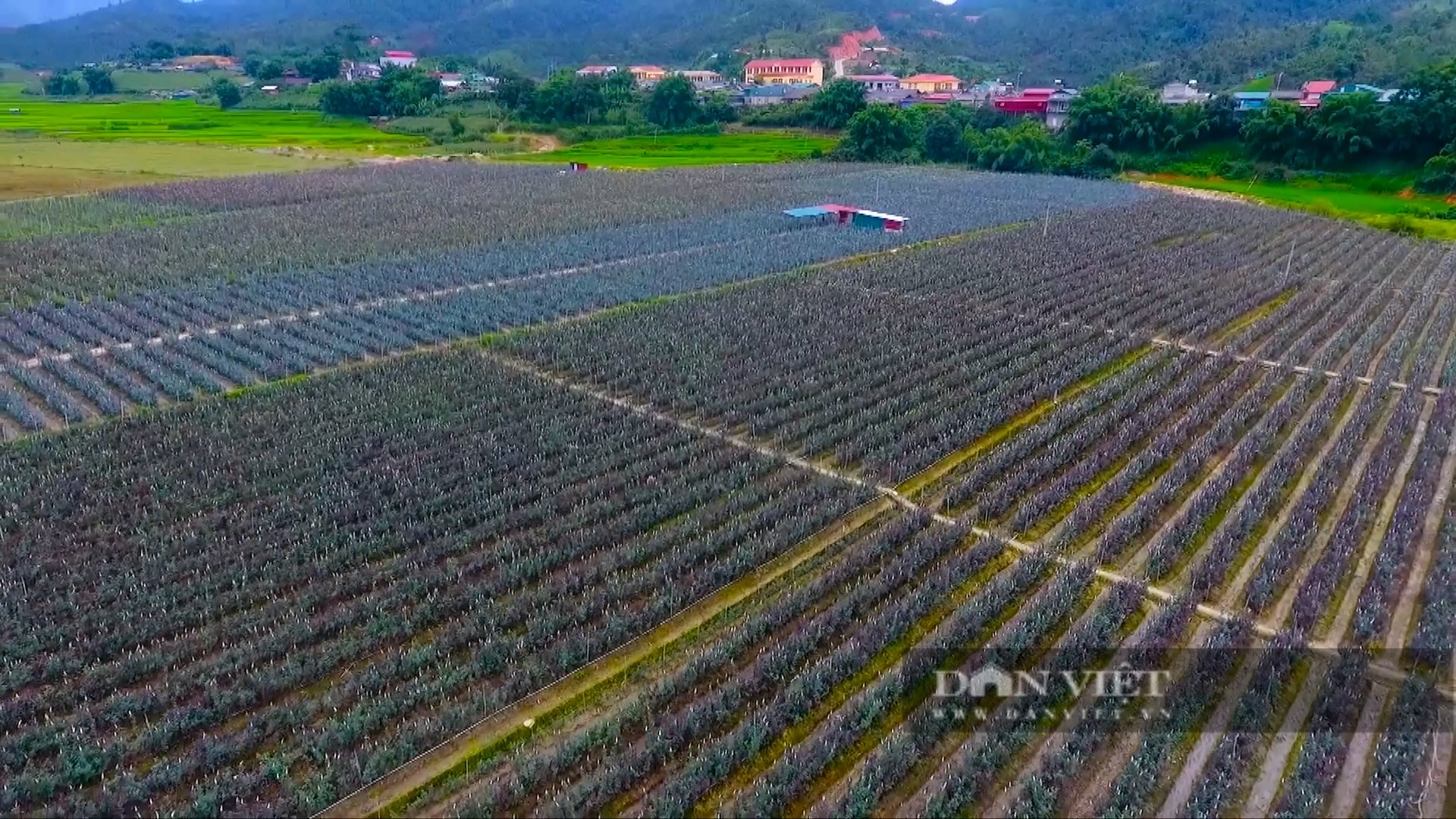
The rose field of Nam Khat. Photo: Hoang Huu.
After 14 years of implementing the New Rural Development program, Nam Khat has now completed all 19 criteria. The economic structure has shifted towards developing agriculture, cultivating high-yield crops, implementing projects in crop cultivation and livestock farming, and developing production linkages along the value chain connected to product consumption. To date, the average per capita income has reached over 46 million VND/year (an increase of 40 million VND compared to 2010), and the poverty rate has decreased to 6.49%.
According to Mr. Nong Viet Yen, Secretary of the Mu Cang Chai District Party Committee, Nam Khat has undergone significant changes, not only in infrastructure and the appearance of the mountainous rural area, but most importantly in the awareness of the people in agricultural production. Previously, rice paddies that yielded only 25-30 million VND/hectare per crop have now become intensively cultivated fields for roses, clean vegetables, medicinal mushrooms, tomatoes, and export-quality chili peppers... with an average income of over 500 million VND/hectare.
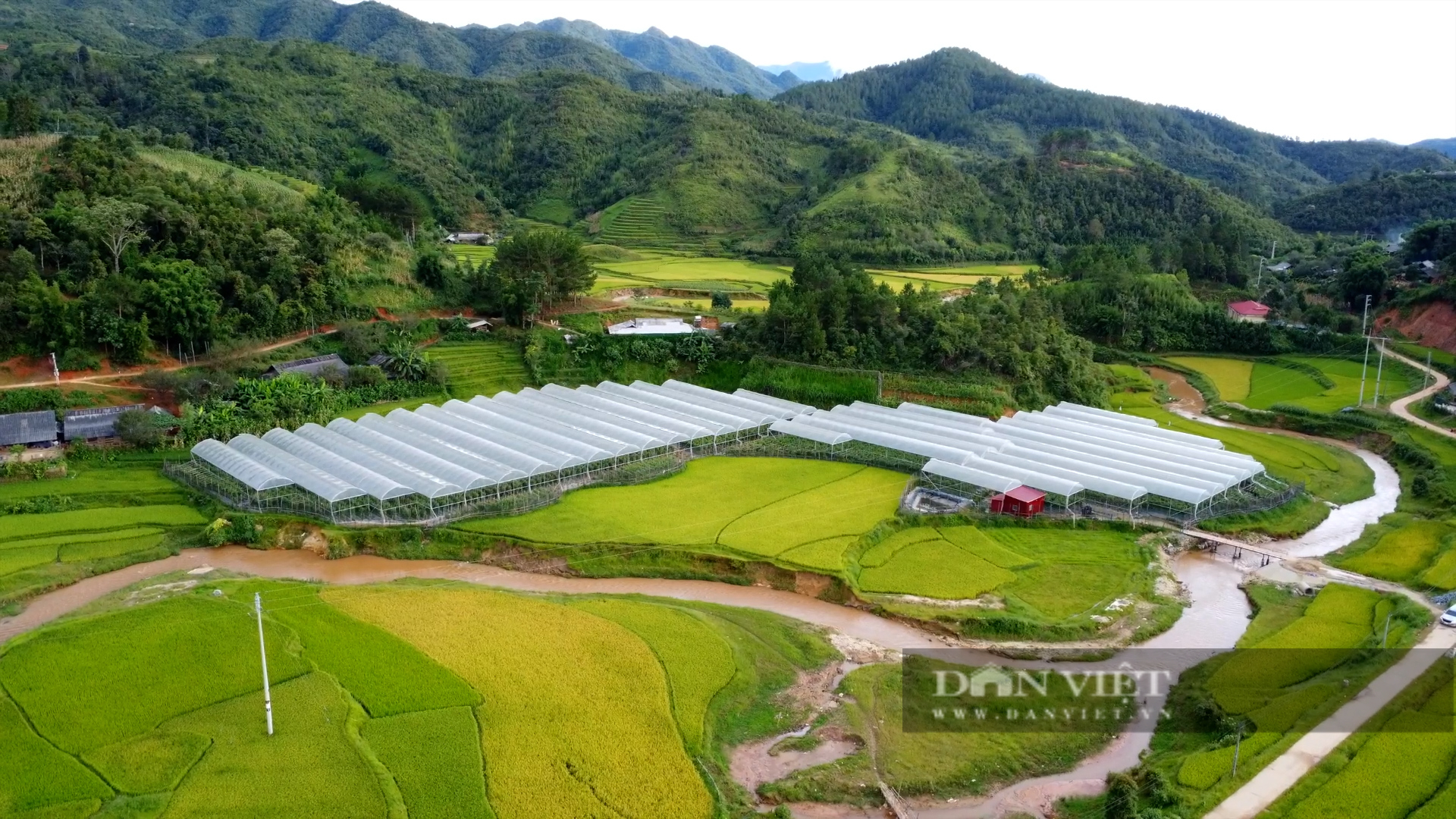
High-tech agricultural models are increasingly appearing in Nam Khat commune, not only helping to increase income but also changing people's perceptions of agricultural development. Photo: Hoang Huu.
The recognition of Nam Khat commune as the first commune to achieve the New Rural Area standard has not only changed the lives of the people here but also awakened the aspiration to rise out of poverty for nearly 70,000 Mong and Thai people in the poor district of Mu Cang Chai.
Source: https://danviet.vn/day-la-xa-nong-thon-moi-dau-tien-cua-huyen-mu-cang-chai-tinh-yen-bai-20241119162332261.htm



![[Photo] Closing Ceremony of the 10th Session of the 15th National Assembly](/_next/image?url=https%3A%2F%2Fvphoto.vietnam.vn%2Fthumb%2F1200x675%2Fvietnam%2Fresource%2FIMAGE%2F2025%2F12%2F11%2F1765448959967_image-1437-jpg.webp&w=3840&q=75)







































![[OFFICIAL] MISA GROUP ANNOUNCES ITS PIONEERING BRAND POSITIONING IN BUILDING AGENTIC AI FOR BUSINESSES, HOUSEHOLDS, AND THE GOVERNMENT](https://vphoto.vietnam.vn/thumb/402x226/vietnam/resource/IMAGE/2025/12/11/1765444754256_agentic-ai_postfb-scaled.png)











































Comment (0)