

Accordingly, HoREA proposed that projects using land that has not yet been cleared should not be subject to bidding, but only projects using land that has already been cleared, in order to avoid conflicts of interest between state agencies and landowners whose land is being acquired after investors have been selected through bidding for land-using projects.
According to point c, clauses 5 and 6 of Article 126 of the draft Land Law (amended), the provincial People's Committee is responsible for organizing the preparation and implementation of compensation, support, resettlement, and land acquisition plans in accordance with this law. Within 36 months from the date of issuance of the decision recognizing the winning bid, the competent People's Committee must complete the compensation, support, and resettlement process to allocate or lease land to the winning bidder. The winning bidder is responsible for advancing capital to carry out compensation, support, and resettlement as required by the competent state agency. If, after 3 months from the date of receiving the request from the competent state agency, the investor fails to advance sufficient capital to carry out compensation, support, and resettlement, the competent state agency shall decide to cancel the winning bid.
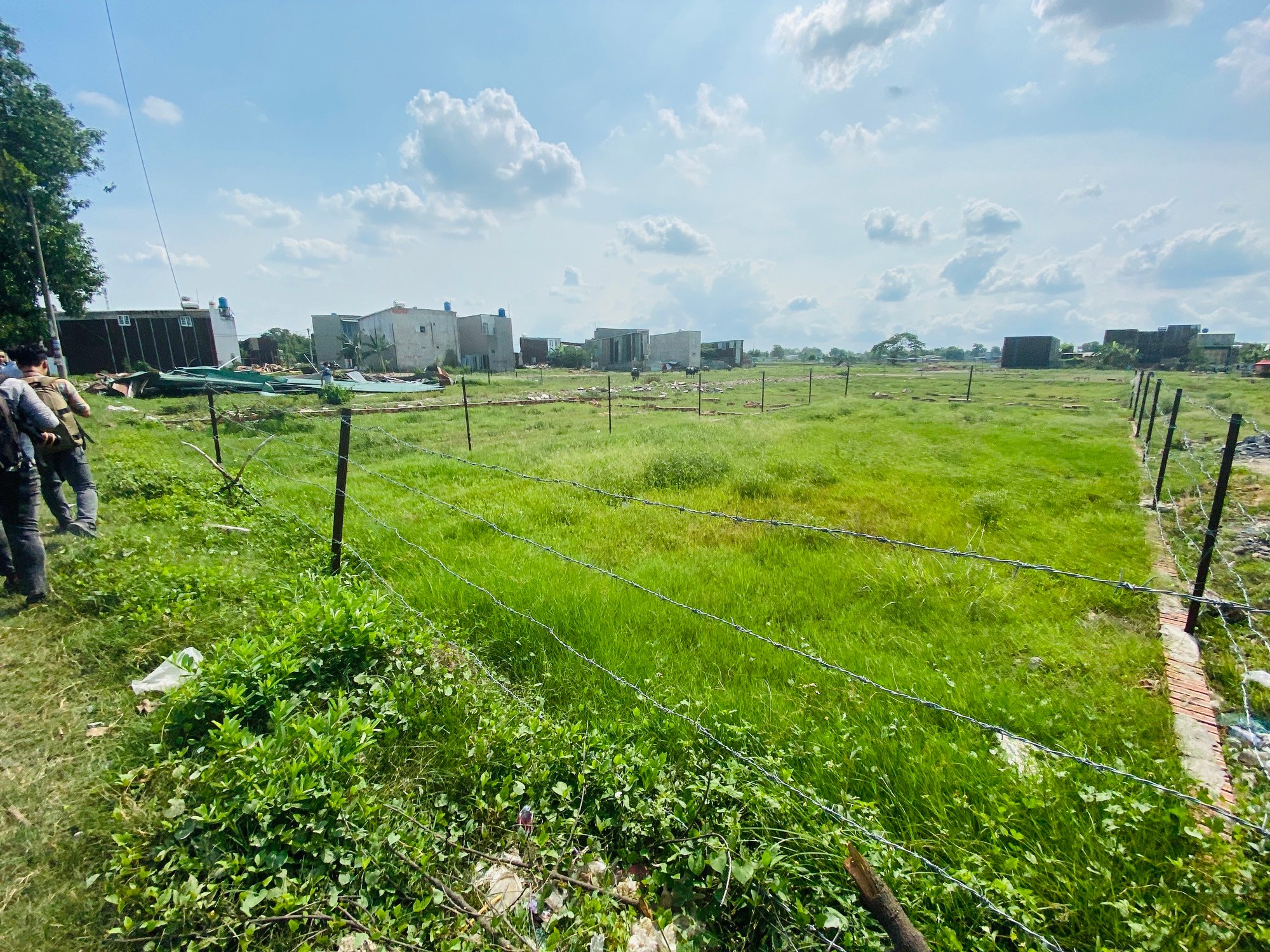
It is proposed that projects involving land use that has not yet been cleared should not be subject to bidding, but only projects involving land use that has already been cleared.
According to HoREA, the regulation stipulating that provincial People's Committees must conduct bidding first, select an investor, and then issue a decision to reclaim land, organize compensation, support, and resettlement to hand over clean land to the winning investor has some shortcomings and may create conflicts of interest between state agencies and those whose land is reclaimed.
Therefore, the regulation requiring the competent People's Committee to complete compensation, support, and resettlement before allocating or leasing land to the winning bidder should be removed. This is to prevent the provincial People's Committee from becoming a "hired hand" for the winning bidder in land-use projects.
This also leads people whose land is being expropriated to mistakenly believe that the State is reclaiming their land to hand it over to private investors, and using the advance payments from these private investors to carry out compensation, support, and resettlement, without them knowing that the State has selected the investors through open and transparent bidding.
State regulations stipulate that compensation, land clearance, support, and resettlement should only be carried out after the land-use project has been tendered and an investor has been selected. This is completely different from cases where the State proactively carries out compensation and land clearance before the project tender. If the land is cleared before auctioning the land use rights or tendering the land-use project, the State will maximize the land rent differential for the state budget to serve national and public interests. This will certainly avoid conflicts of interest between state agencies and those whose land is being expropriated, and will achieve consensus from those whose land is being expropriated and society as a whole.
The content of point c, clause 3 and clause 6 of Article 126 of the draft Land Law (amended) only benefits investors, but not state agencies. This is because these regulations will "push" the most difficult and complex tasks—compensation, land clearance, support, and resettlement—to the State after the land-use project has been tendered to select investors, as further analyzed below.
Mr. Le Hoang Chau, Chairman of HoREA, emphasized that only bidding for land-use projects on land that has already been cleared will ensure consistency and uniformity with Clause 2, Article 126 of the Draft Land Law (amended). Therefore, he proposed removing the regulation on bidding for land-use projects on uncleared land and only stipulating bidding for land-use projects on land that has already been cleared.
In reality, many commercial housing project investors still handle land compensation and clearance themselves by acquiring land use rights from landowners, but they often encounter numerous difficulties and obstacles, easily leading to fragmented land plots that prevent project implementation and tie up capital. Therefore, most commercial housing project investors prefer to participate in land use right auctions and bidding processes for land-use projects to immediately acquire clean land for project implementation.
Source link





















































































Comment (0)