

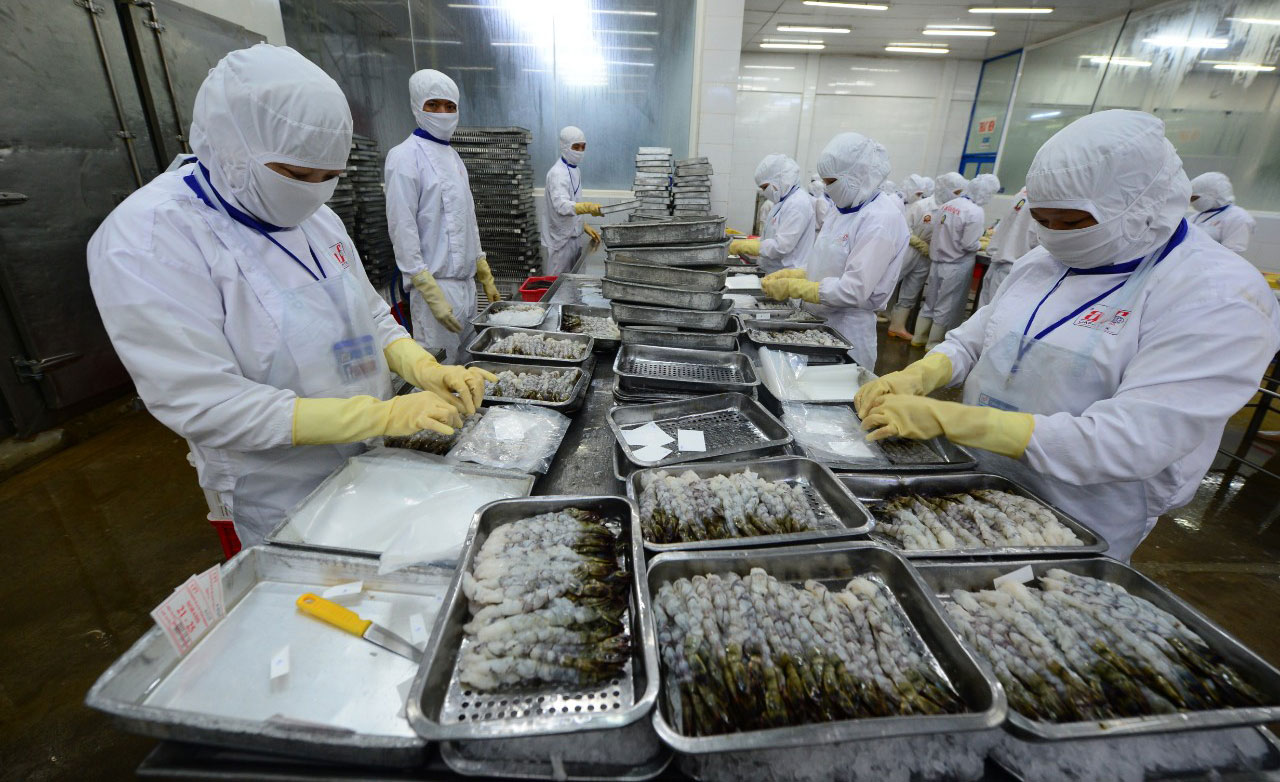
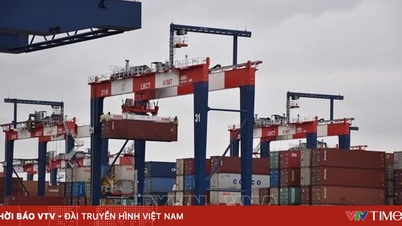
Seafood processing is one of Vietnam's key export industries, but it is facing difficulties.
Orders plummet, bank interest rates rise.
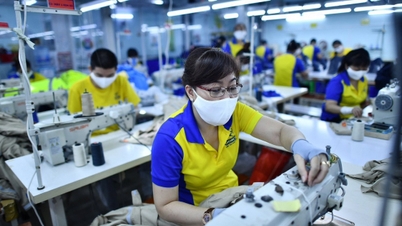
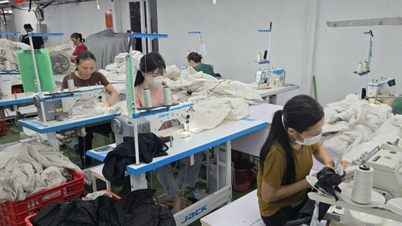
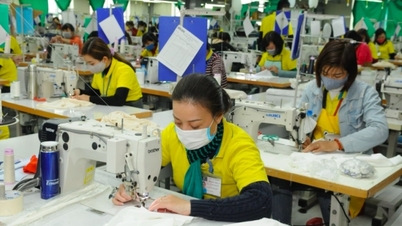
Businesses are facing many difficulties. The textile and garment industry has experienced a decline in orders over the past several months. The smaller the business, the greater the shortage. The rate of order reduction for textiles and garments will range from 20% to 50%, depending on the individual business.

While orders are plummeting, bank interest rates are rising sharply. This contributes to a significant increase in business costs, putting immense pressure on operations. In the early months of the year, businesses expected a market recovery from the third quarter, but this has yet to materialize. Therefore, we can only hope for a easing of difficulties from the fourth quarter of 2023, or even by the end of 2023. In this context, the Vietnam Textile and Garment Association proposes that the Ministry of Industry and Trade , through its trade attachés, support and promote trade activities for the textile and garment industry in other markets within the framework of the CPTPP Agreement, such as Canada, Australia, or some countries in the European Union with which Vietnam has signed the EVFTA Agreement. This would help secure new orders, as markets like the US and Europe in general are still experiencing sharp declines. Simultaneously, the government needs to consider implementing a preferential interest rate loan program for textile and garment businesses, or, if possible, a package allowing businesses to borrow at 0% interest to pay salaries, as was done during the Covid-19 pandemic. The current difficulties faced by businesses are no less significant than during the peak of the Covid-19 outbreak.
Mr. Tran Nhu Tung , Vice President of the Vietnam Textile and Garment Association
Businesses are tired of struggling to access capital and tired of high interest rates.
I think the difficulties faced by the fisheries sector in recent times have been widely reported in the press, and central leaders are well aware of them. However, the latest development is that these difficulties have spread to shrimp and fish farmers. The current purchase price of shrimp has decreased by 20,000-30,000 VND/kg compared to the same period last year. Meanwhile, importers of pangasius fish are offering prices lower than the production cost. Even after contracts are finalized, they temporarily suspend imports or accept goods in smaller batches. For farmers, the shrimp and fish they produce are much cheaper than last year, yet they still can't sell them because businesses are hesitant to buy them.
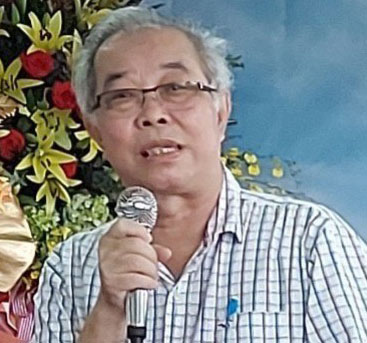
While output is constrained, businesses have difficulty accessing loans, or even if they can borrow (in USD), interest rates exceeding 4% are unbearable, making it impossible to maintain normal operations, let alone purchase, process, and stockpile goods to wait for better prices. Given the current situation, the difficulties in this sector will last at least until the end of this year and into the beginning of next year. Meanwhile, the seafood industry is one of the key sectors in the agricultural economy and has a significant ripple effect due to its large workforce and the number of farmers. When businesses and farmers are facing so many difficulties, where are the profits of the economy flowing? – We can clearly see that they are flowing to the banks, where they are making huge profits. Truly, no economy or business anywhere can withstand such high interest rates as in Vietnam recently. But how long will they be able to hold out?
In truth, many businesses have been very tired lately and don't want to complain anymore, especially regarding access to capital and interest rates. Therefore, the most important thing to save the economy is to create conditions for businesses to access loans at low interest rates and to do so sincerely.
Mr. Nguyen Van Kich , Chairman of the Board of Directors and General Director of CAFATEX Seafood Joint Stock Company ( Hau Giang )
Businesses need "blood" and "air".
An economy or a business is like a human body; the two most important things to sustain life are blood and air. Without blood, the body will die within hours, but without air, it can die in just 5 minutes.

Therefore, what is most needed right now is to ensure blood circulation and air circulation. So what is blood, and what is air? Air is the flow of money. Currently, the flow of money is blocked everywhere; there is a shortage of cash in the context of a frozen real estate market with unsold properties, construction companies lacking work while debts cannot be collected, causing businesses' cash flow to dry up. If banks do not inject money into businesses, if money does not flow into the market, businesses will die immediately. Meanwhile, blood is like a commodity. What is most needed right now is for workers to have jobs so that goods can be produced. Goods must be consumed. If any valve is closed, preventing the production of goods or preventing their circulation, the economy will eventually die. But to have blood and air circulating, one condition is that policies must be open and transparent, without bottlenecks or erratic policy implementation. At this point, the key is to ensure that real estate products are sold and that jobs are created for workers. First, we need to address legal bottlenecks. Without investment licenses and construction permits, there are no real estate products. Without products, prices will rise. We must immediately resolve the legal aspects of projects. This is crucial because it is wasting a huge amount of resources for the people, businesses, and the economy as a whole.
Mr. Le Viet Hai , Chairman of Hoa Binh Construction Group
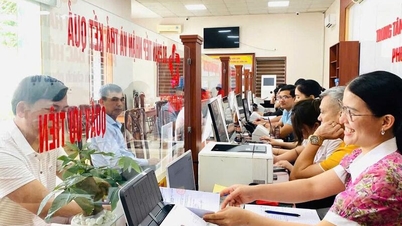
Administrative procedures need to be very fast.
Businesses need this most because while they can proactively plan their business operations, they cannot. Currently, businesses cannot accurately predict how long it will take for a project to complete the legal procedures, leading to significant risks. Central and local leaders are raising concerns about officials being hesitant and reluctant to act, and I believe this is a real issue. In Ho Chi Minh City, for example, applications are submitted and then returned, repeatedly. Several such rounds can take years. If the paperwork isn't completed, the business is left with a pile of assets. A business invests 1,000 billion VND, expecting 3 years to complete the legal procedures and recoup its investment. But if it takes 6 years, the business goes bankrupt and incurs bad debts. They may even lack the money to pay salaries and taxes. Prolonged legal processes lead to cash flow shortages. Businesses then seek other assets to compensate for losses and secure loans. However, bank applications take a very long time, 5-6 months to complete. While businesses desperately need money, this prolonged process kills them, even if the loan is secured by collateral.
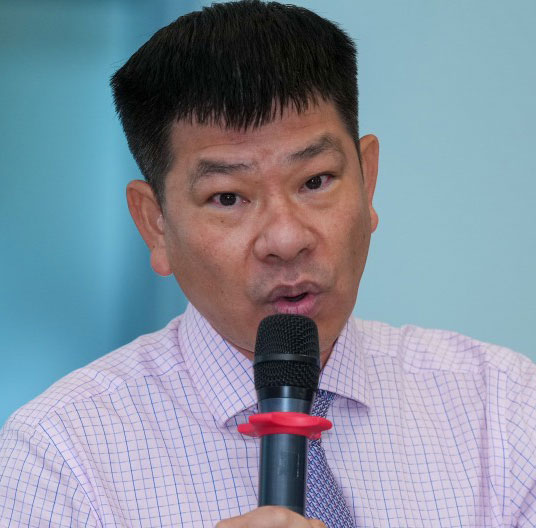
Another issue is consumer confidence. Consumers are worried because of declining incomes and money tied up in land. I casually asked ordinary people, and they also invested 300-500 million VND in garden land somewhere. These people borrowed money to buy land, and now they are short of cash, so they are being cautious and hesitant to spend. If they don't dare to spend, businesses can't sell their goods. If businesses can't sell their goods, they don't dare to raise wages or invest. Even exports are declining because they can't sell their products. While input costs are increasing, output isn't selling, so they don't dare to raise prices. That's why we need to open up all avenues for businesses. The government is promoting public investment, but we need to promote private investment alongside it. For every VND 1 the government invests in public sector, it should encourage businesses to invest VND 10.
Mr. Le Huu Nghia , Vice President of the Ho Chi Minh City Business Association
Transport businesses are struggling due to vehicle inspection fees.
The biggest bottleneck for businesses today is the vehicle registration process, as it relates to almost all sectors of production and trade, and virtually the entire economy.
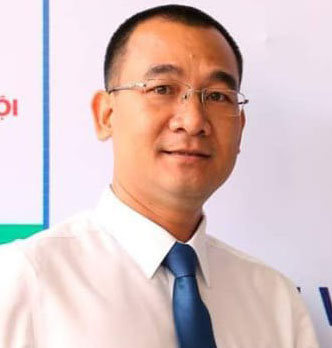
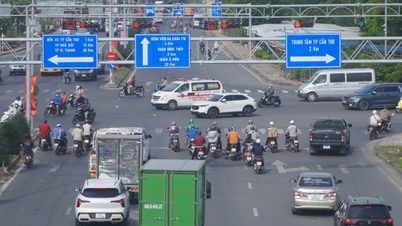
According to feedback from businesses in the province, if vehicle inspections continue to be congested as they have been recently, transport vehicles will be unable to operate, disrupting the supply chain. This will lead to a sharp increase in operating costs for businesses, and the risk of heavy losses due to contract violations and delays in goods transportation. Reduced revenue and the burden of interest payments will affect the jobs and livelihoods of workers. Transport businesses, already facing major challenges such as the pandemic, economic recession, and inspection congestion, are in a desperate and depleted situation. Without timely emergency solutions, their situation will worsen. We have proposed several solutions to the authorities, the most necessary of which is to automatically extend the inspection deadline for non-commercial vehicles by 3-6 months, giving other types of vehicles a chance to be inspected. However, to date, we have not seen any immediate solutions to alleviate the inspection congestion.
Mr. Nguyen Van Hung , Vice Chairman of the Binh Duong Transport Association
Civil servants and officials "understand" policies differently in different places.
The government's policy of reducing the value-added tax to 8% is good, but it needs to be more detailed and clearly announced. This means specifically listing which industries are not eligible (or conversely, which are). The current approach involves listing by industry, and in some cases, the tax authorities have agreed to the reduction.

Furthermore, there's the issue of supporting infrastructure fees for import-export businesses. For example, Hai Phong City is supporting this fee for businesses transporting less-than-container-load (LCL) shipments with a volume under 1 m³, while Ho Chi Minh City collects all fees. Moreover, the infrastructure fee for many shipments is less than 2,000 VND, but each time a payment is made, the bank charges a transfer fee of 7,700 VND. Paying taxes is free of transfer fees, yet you incur bank fees. It's completely unreasonable!
Currently, the economy is facing significant difficulties, and the logistics sector is one of the hardest hit, requiring financial support such as tax deferrals and increased credit limits (financial leverage). Regulatory agencies need to review regulations related to import and export to reduce overlaps; thereby clarifying the management responsibilities of each ministry and sector; and improving the handling of work by civil servants in administrative units.
In addition, more direct channels of communication with businesses need to be created, not just through conferences and meetings. There must be channels for receiving information directly, taking responsibility for businesses, and following up on responses and guidance. If businesses encounter problems with this ministry or that agency and cannot communicate directly, waiting until a conference to raise their concerns, then the issue will be resolved too quickly.
Mr. Nguyen Ly Truong An , Deputy Director of SeaAir Global Co., Ltd.
Many businesses have had to sell land and houses to pay off bank debts.
Previously, Ho Chi Minh City had investment capital to stimulate demand and support businesses in upgrading equipment and technology, and improving product quality. In the last two years, as businesses stepped up investment to participate more strongly in the supporting industries, the stimulus program was unexpectedly suspended, disrupting businesses' plans.
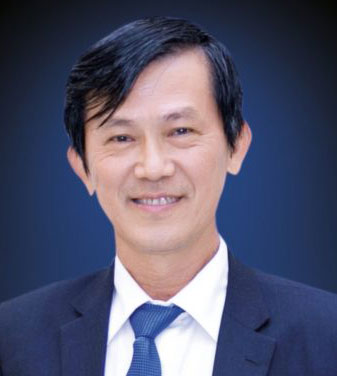
Businesses that had planned investments have had to halt them. Companies whose projects had been approved by Ho Chi Minh City for interest rate support under the investment stimulus program, but have not received that support, are facing even greater difficulties. Especially in the context of a sharp decline in orders of over 30%, with some units experiencing a nearly 50% drop, the unexpectedly high interest rates on project construction have left many businesses struggling. Some companies in the association have even reported having to sell their houses and land to repay bank debts and avoid being classified as bad debt. Others are negotiating to sell their properties to foreign companies to avoid bankruptcy. According to general information, Ho Chi Minh City is currently awaiting a resolution to replace Resolution 54 on special mechanisms and policies for development before continuing to issue and implement the investment stimulus program. Therefore, it is hoped that Ho Chi Minh City will soon have this program to support businesses in the mechanical engineering sector to overcome difficulties, maintain operations, and participate more deeply in developing the domestic supporting industry.
Mr. Do Phuoc Tong , Chairman of the Ho Chi Minh City Mechanical and Electrical Engineering Association
Access to capital is too difficult, and interest rates are too high.
Over time, the government has listened to and implemented several policies to alleviate difficulties for the business community. For example, the 2% reduction in value-added tax is significant and has a wide-ranging impact. However, current interest rates remain too high, and businesses are unable to absorb them. Secondly, lending conditions are tightening, and businesses are already facing increasing difficulties, making it even harder to meet the standards for obtaining loans.

One significant issue that the business community has repeatedly complained about but has yet to receive adequate attention is the tax refund for export businesses. The government has held several meetings to address this, but on a broad scale, not many businesses have had their issues resolved. This is a crucial source of capital for businesses in the current economic climate, especially given the difficulty in accessing loans.
Since the beginning of the year, exports from domestic businesses have decreased significantly compared to those from FDI businesses. If the Government and the National Assembly do not implement timely solutions to support domestic businesses, the backwardness of Vietnamese businesses will only increase. To support domestic businesses, the state needs to strengthen resources for trade promotion programs, diversify markets, especially those with high potential such as the Middle East or North America. In addition, it is necessary to expand and boost investment in e-commerce and trade promotion activities, as these are highly effective trends and activities in today's technological age.
Mr. Tran Quoc Manh , Chairman of the Board of Directors of Sadaco Production and Trading Development Joint Stock Company (Ho Chi Minh City)
Source link


![[Photo] Closing Ceremony of the 10th Session of the 15th National Assembly](/_next/image?url=https%3A%2F%2Fvphoto.vietnam.vn%2Fthumb%2F1200x675%2Fvietnam%2Fresource%2FIMAGE%2F2025%2F12%2F11%2F1765448959967_image-1437-jpg.webp&w=3840&q=75)
![[Photo] Prime Minister Pham Minh Chinh holds a phone call with the CEO of Russia's Rosatom Corporation.](/_next/image?url=https%3A%2F%2Fvphoto.vietnam.vn%2Fthumb%2F1200x675%2Fvietnam%2Fresource%2FIMAGE%2F2025%2F12%2F11%2F1765464552365_dsc-5295-jpg.webp&w=3840&q=75)












































![[OFFICIAL] MISA GROUP ANNOUNCES ITS PIONEERING BRAND POSITIONING IN BUILDING AGENTIC AI FOR BUSINESSES, HOUSEHOLDS, AND THE GOVERNMENT](https://vphoto.vietnam.vn/thumb/402x226/vietnam/resource/IMAGE/2025/12/11/1765444754256_agentic-ai_postfb-scaled.png)













































Comment (0)